Property Tips

What Future Buyers Want in Home History: Avoid Costly Surprises

What Future Buyers Want in Home History: Avoid Costly Surprises

The $15,000 Surprise: Why Home History Matters

Imagine selling your home and discovering that the buyer's inspector found a $15,000 problem with undocumented repairs. That’s not a nightmare scenario—it's a reality many homeowners face. According to home insurance data, nearly one-third of sellers encounter surprise repair costs that could have been avoided with proper documentation. Transparency isn't just a moral high ground; it's your strongest ally in closing the deal.

Buyers today demand transparency, and for good reason. No one wants to purchase a home only to learn it needs major repairs. Whether it’s a new roof or a bathroom remodel, buyers want proof that the work was done—and done correctly. Keeping meticulous records can save you thousands at the negotiation table, and it smooths the path to a successful sale.

If you think you can skate by without thorough documentation, think again. Sellers who fail to provide a comprehensive home history often find themselves slashing prices or losing buyers altogether. Want a quick win? Start maintaining those records now. A small file of receipts and photos can be worth its weight in gold when you need to prove a job well done.

Key Home Improvements Buyers Look For

Home improvements that add tangible value aren't just cosmetic changes—they're investments. Studies suggest that a minor kitchen remodel can yield an 81% return on investment. But here's the catch: buyers need proof. Photos, contractor receipts, and warranty information turn your verbal assurances into irrefutable facts. Without them, that shiny new kitchen might just look like a cost-saving DIY disaster.

Popular upgrades include energy-efficient windows, updated HVAC systems, and smart home technologies. These improvements can significantly boost your home's value, but only if you can back them up with documentation. Buyers want to feel confident that these additions are legitimate. So, give them the paperwork to prove it. File those receipts and take photos during the installation process.

For every dollar you spend, ensure a paper trail. A simple binder or digital folder can make a world of difference. When the time comes to sell, you’ll be armed with a compelling narrative of care and improvement that buyers can trust. The right records elevate your home from “just another option” to “the one.”

Essential Maintenance Records That Instill Confidence

Routine maintenance doesn’t just keep your home running smoothly—it’s a key selling point. Buyers expect proof that you’ve taken care of regular servicing, whether it’s annual HVAC checks or seasonal gutter cleaning. A well-documented maintenance history demonstrates not only that the home is in good shape but that it's been consistently cared for over time.

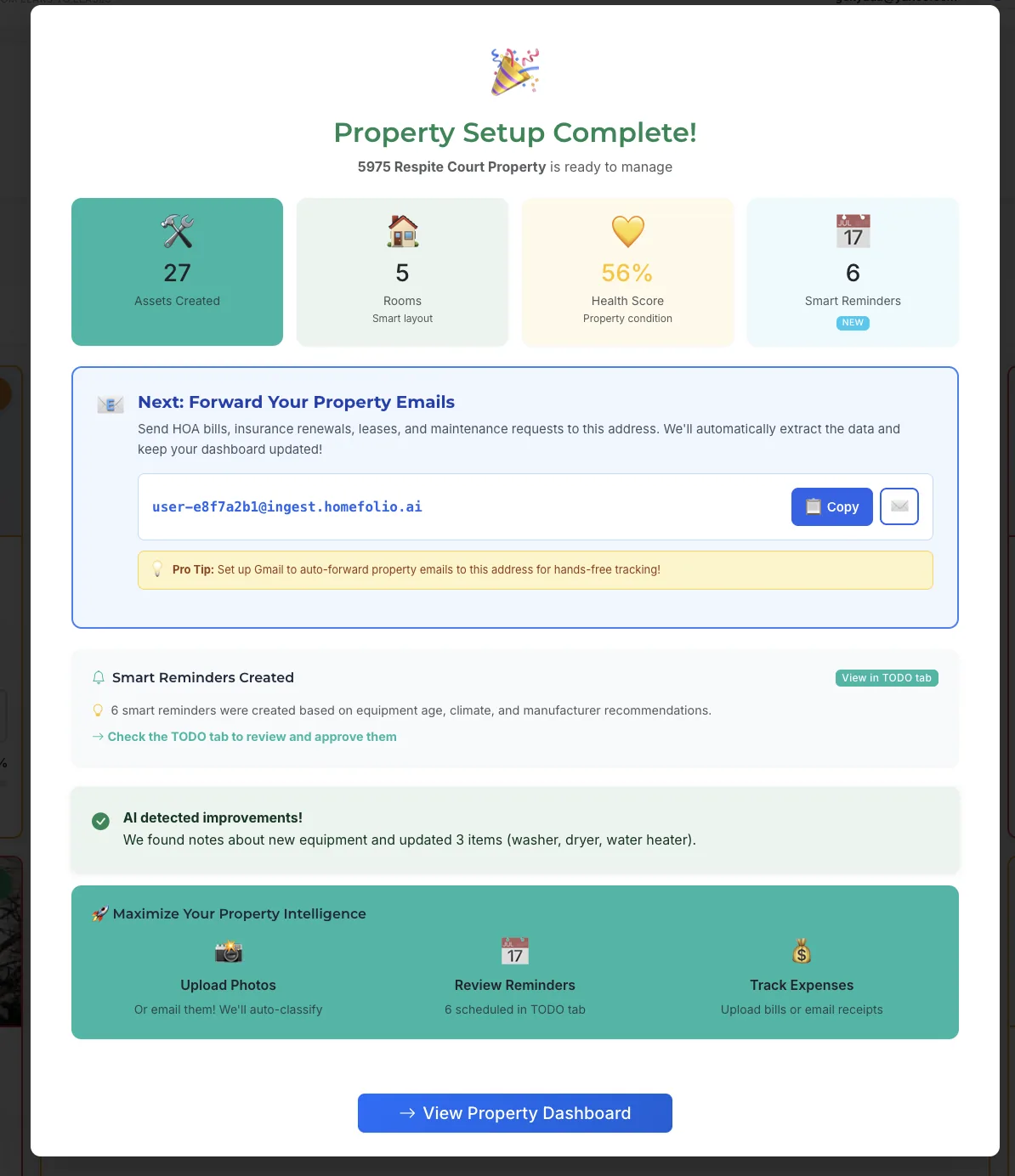
Homeowners often struggle with keeping consistent maintenance records. With Homefolio AI, all your service records are already there, connected to the right property, making it easy to instill confidence in potential buyers. Your home's information is in one place, ready to showcase your commitment to maintenance.

Imagine buying a car without a service history. You wouldn’t do it, and neither would a homebuyer. A comprehensive record of maintenance not only reassures potential buyers but can also highlight updates that may not be immediately visible, like newly insulated attic spaces or updated electrical systems. Keep a detailed log and make sure it’s accessible when the time is right.

Navigating Seller Disclosures with Confidence

Legal requirements for seller disclosures vary by state, but one thing is universal: you must disclose known issues. Whether it’s a leaky basement or a termite problem, hiding these can result in legal repercussions. But beyond the bare minimum, comprehensive records serve to protect both you and the buyer, making them an indispensable part of any sale.

Details matter. If you’ve replaced a roof, say so. If there’s a history of flooding, provide documentation of the mitigation measures taken. This level of detail not only reassures buyers but can also preemptively answer questions that might otherwise become negotiation sticking points. Keeping accurate and thorough records isn’t just good etiquette—it’s good business.

Transparency isn’t just an obligation; it’s an opportunity to set your property apart. By presenting a comprehensive disclosure, complete with supporting documents, you project confidence and integrity. Buyers will appreciate your honesty and diligence, making them more likely to stick through the closing process without second thoughts.

The Role of Warranties and Receipts in Home Sales

Think warranties are just for peace of mind? Think again. They add real value to your home sale. Warranties on major appliances or systems like HVAC can mean the difference between a successful transaction and a prolonged negotiation. The documentation of these warranties reassures buyers that they're investing in a home, not a future financial burden.

Every receipt you keep is a small piece of insurance against future headaches. Buyers want to know that should something go wrong, there’s a safety net. A warranty offers just that, and its documentation provides proof of its existence and validity. Keep these documents in a safe place; they're as valuable as the appliances they cover.

Imagine walking into a home sale negotiation with a stack of warranties and receipts. It tells buyers one thing: this home has been loved, cared for, and is ready for a new chapter. Your meticulous record-keeping can translate into a faster sale at a better price. Never underestimate the power of a simple warranty in sealing a deal.

FAQs on Home History for Sellers

What documentation do buyers find most reassuring?

Buyers find documentation of major improvements, maintenance records, and warranties most reassuring. Providing receipts, contractor information, and before-and-after photos can strengthen their trust. Well-organized documentation serves as proof that the home has been properly cared for, removing doubts and making the decision process easier for them.

How can I prepare my home history for a smooth sale?

Start by organizing all existing records into categories like maintenance, upgrades, warranties, and legal disclosures. Digital solutions like Homefolio AI can help consolidate these records. Presenting a well-documented history signals to buyers that you’re a responsible homeowner, increasing their confidence and likelihood to proceed with the purchase.

What are common mistakes sellers make with home records?

Common mistakes include failing to keep receipts, neglecting to document routine maintenance, and not updating records after repairs or improvements. Sellers also often underestimate the importance of these records, which can result in lost negotiating power or legal complications down the line.

How detailed should home improvement records be?

Home improvement records should be as detailed as possible. Include contractor information, project dates, costs, and warranties. Photos of the work at different stages can be especially helpful. The more detailed your records, the easier it is for buyers to understand the value of the improvements and feel confident in their decision.

Do buyers really care about old appliance receipts?

Yes, buyers do care about old appliance receipts, especially if the appliances are still under warranty. These receipts provide proof of purchase and warranty details, which offer buyers assurance that they’re covered if something breaks. It’s a small step that can have a big impact on buyer confidence.

Your Home's Records — Already There When You Need Them.

Warranties, receipts, maintenance history, and appliance details — connected to your property automatically.

Get Started Free →