Property Tips

Unlocking Hidden Tax Benefits: Owning a Home Could Save You Thousands

Unlocking Hidden Tax Benefits: Owning a Home Could Save You Thousands

The average American home has $14,000 in appliances. Most homeowners can't find a single warranty document. Similarly, when it comes to tax benefits, many homeowners are leaving substantial savings on the table—an average of $8,000 annually, according to tax consultancy firms. Let's dive into how you can unlock these hidden benefits and make homeownership even more financially rewarding.

The $8,000 Tax Mistake Homeowners Often Overlook

Homeowners frequently miss out on tax deductions that could save them thousands of dollars. One of the most common mistakes is not taking full advantage of mortgage interest and property tax deductions. According to the IRS, only about 50% of homeowners claim all the deductions available to them. Missing these can result in an average loss of $8,000 each year in potential savings.

Consider John, a homeowner who recently discovered he had been missing out on substantial deductions. By reviewing his tax returns with a financial advisor, he uncovered $10,000 worth of missed mortgage interest deductions over five years. That's money he could have put towards his children's college fund or home improvements.

To avoid these pitfalls, keep meticulous records of your mortgage statements and property tax bills. Consult a tax professional annually to ensure you're claiming every possible deduction. The savings could surprise you and give you more financial flexibility than you thought possible.

Mortgage Interest Deductions: How Much Can You Really Save?

The mortgage interest deduction is one of the most significant tax benefits available to homeowners. This deduction allows you to subtract the interest paid on your mortgage from your taxable income. For instance, if you're in the 24% tax bracket and pay $10,000 in mortgage interest, you could save $2,400 on your tax bill. Industry data shows that about 32 million tax returns claimed mortgage interest deductions in a recent year.

Calculating your potential savings is straightforward. First, determine how much interest you paid over the year—this will be listed on your Form 1098 from your lender. Next, multiply this amount by your marginal tax rate. If your rate is 24%, and you've paid $8,000 in interest, your savings would be approximately $1,920.

To maximize your savings, consider making extra mortgage payments to reduce your principal balance faster. While it may not increase your immediate deductions, it will save you money in the long run by reducing the total interest paid over the life of the loan.

Property Tax Deductions: More Than Just a Line on a Form

Property taxes can be a hefty expense, but they also offer another avenue for tax deductions. According to the Tax Foundation, the average American household pays over $2,400 in property taxes annually. Deducting these taxes from your taxable income can significantly reduce your overall tax burden.

To be eligible for this deduction, you must itemize your deductions rather than taking the standard deduction. This is where many homeowners miss out—over 70% of taxpayers use the standard deduction, potentially foregoing these savings. Ensure you keep receipts and records of all property tax payments for accurate reporting.

For those who are itemizing, remember that there's a $10,000 cap on the total deduction for state and local taxes, including property taxes. If you're close to this threshold, consult with a tax advisor to strategize the best approach to minimize your tax liability.

Home Improvement and Energy Efficiency Credits

Beyond mortgage and property tax deductions, certain home improvements can also offer tax credits and deductions. Qualifying energy-efficient upgrades—like installing solar panels or geothermal heat pumps—can lead to significant credits. The Residential Energy Efficient Property Credit, for instance, offers a 26% tax credit for solar installations in 2021 and 2022, dropping to 22% in 2023.

To maximize your savings, consider bundling energy-efficient upgrades. Not only will this increase your total credits, but it will also reduce your energy bills, offering double the savings. Energy efficiency audits can identify areas where upgrades will be most beneficial, providing guidance on potential returns on investment.

Remember, not all improvements qualify for tax benefits. It's essential to consult the IRS guidelines or a tax professional before starting any renovations to ensure your projects will qualify for credits. This proactive approach will save you time and ensure your efforts translate into tangible tax savings.

Navigating Capital Gains Tax When Selling Your Home

Selling your primary residence can lead to capital gains tax, but understanding the exemptions can save you a significant amount. The IRS allows you to exclude up to $250,000 of gain ($500,000 for married couples) from the sale of your primary home, provided you've lived there for at least two of the five years before the sale.

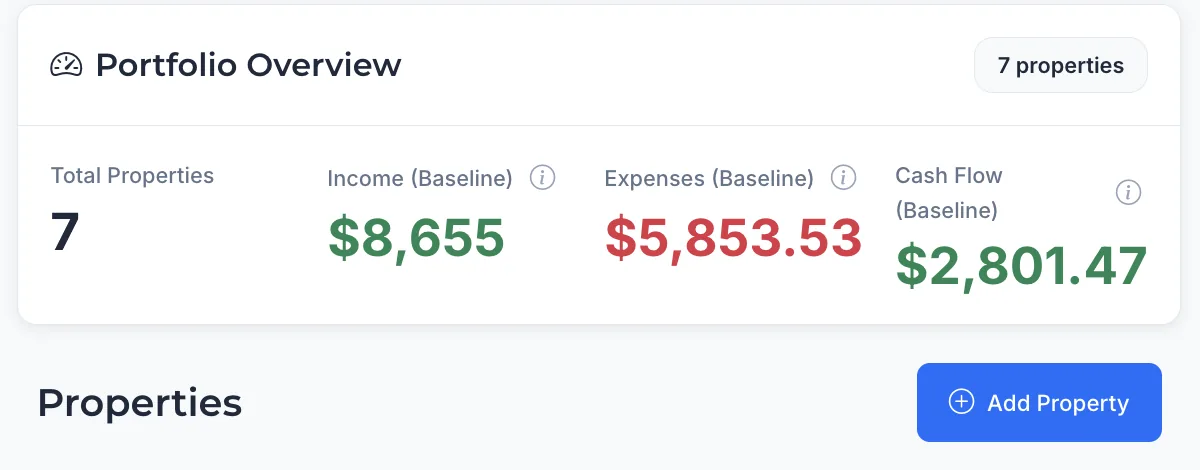
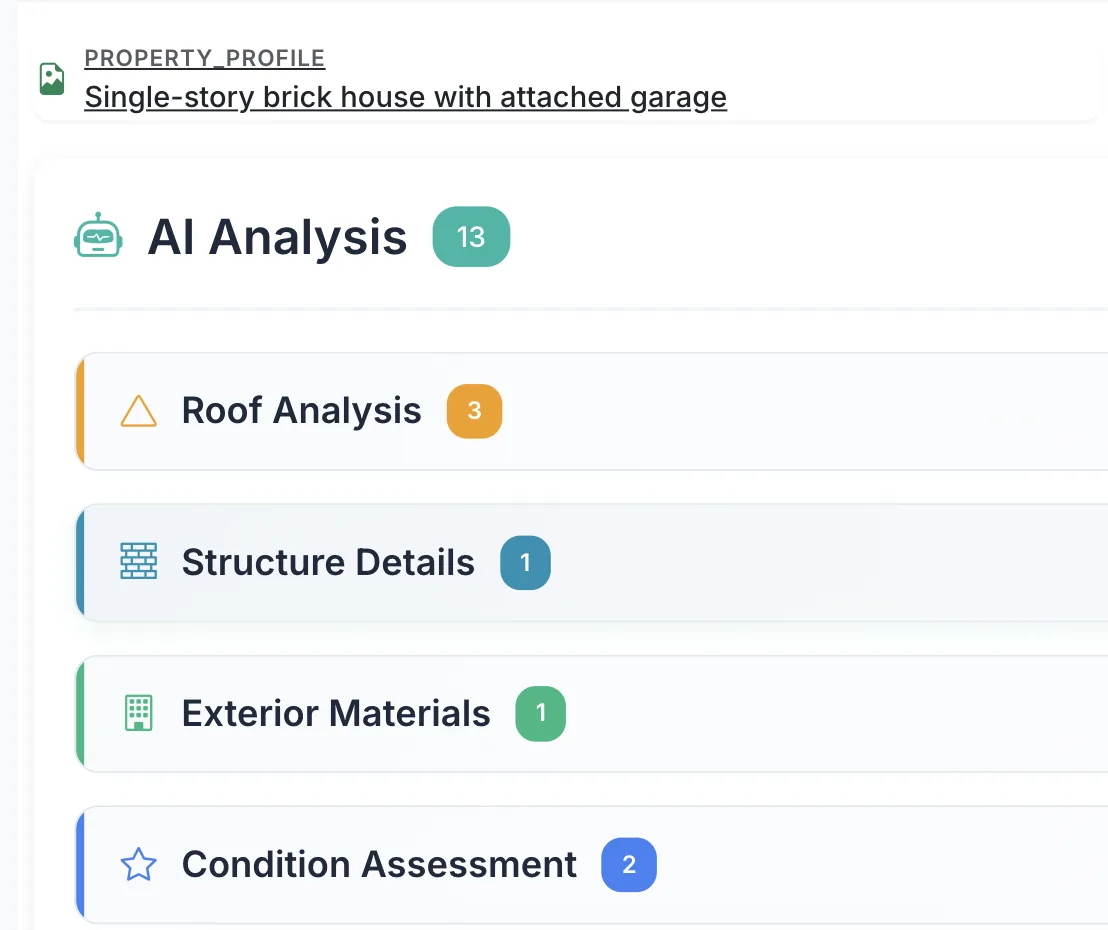
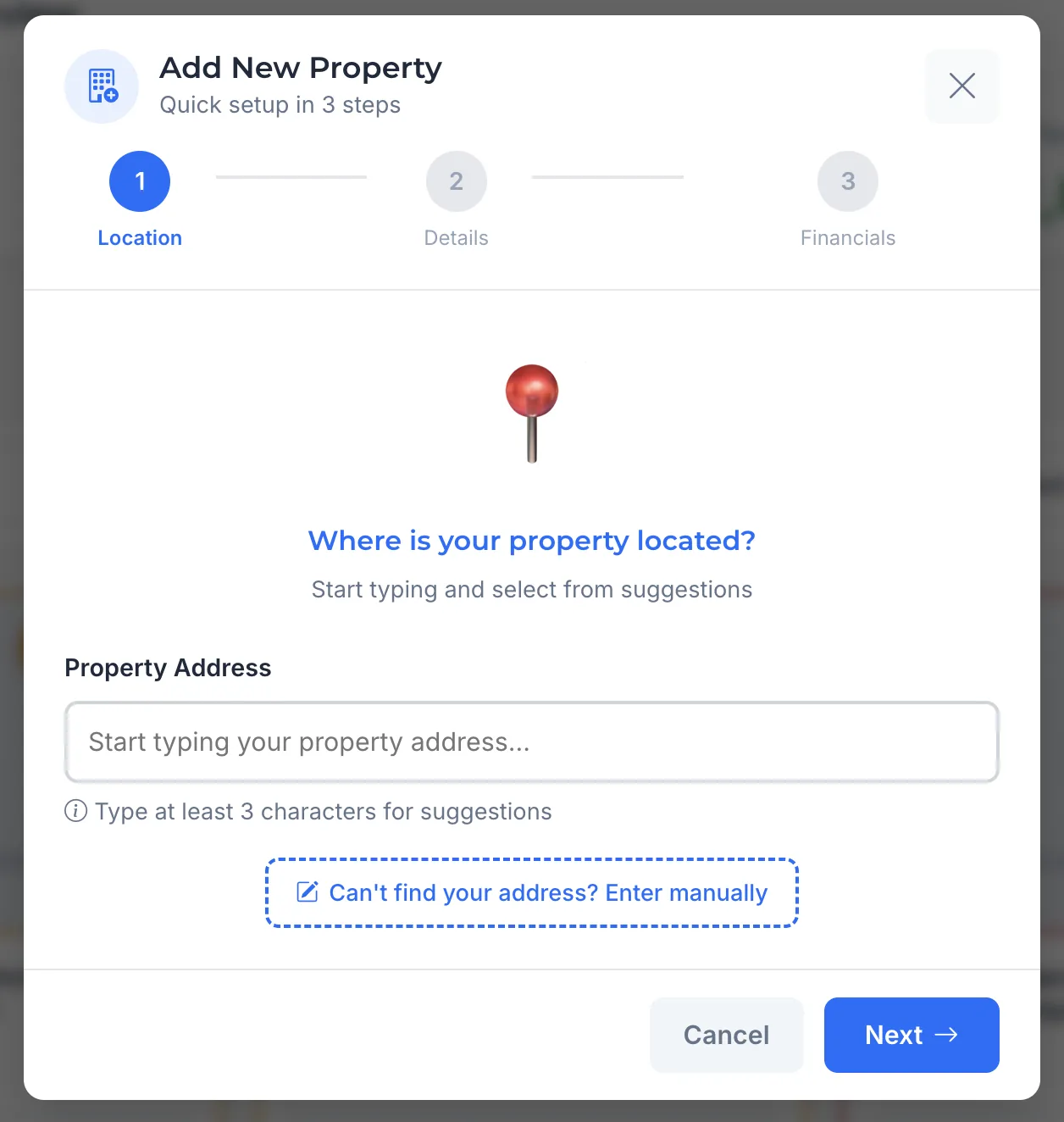
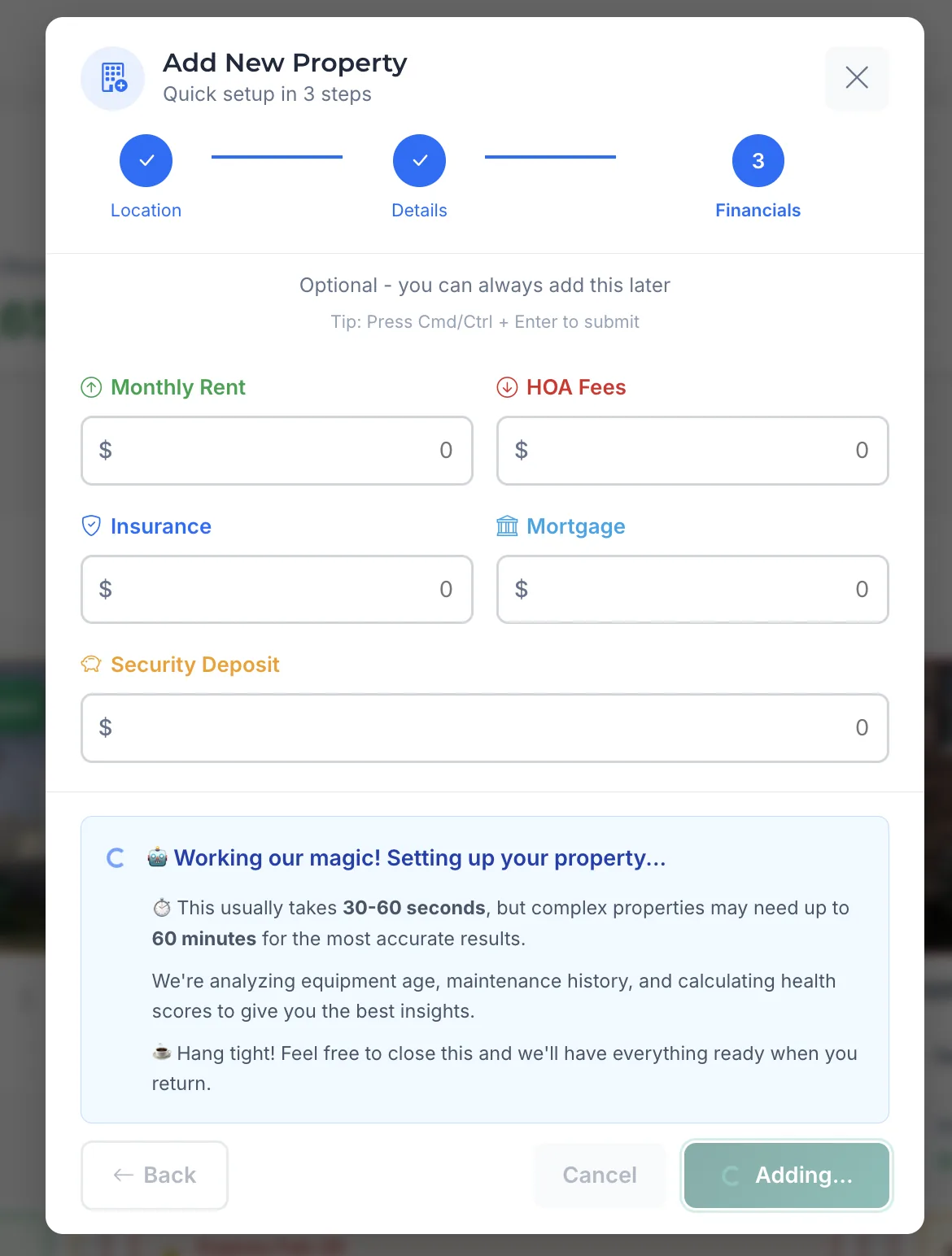
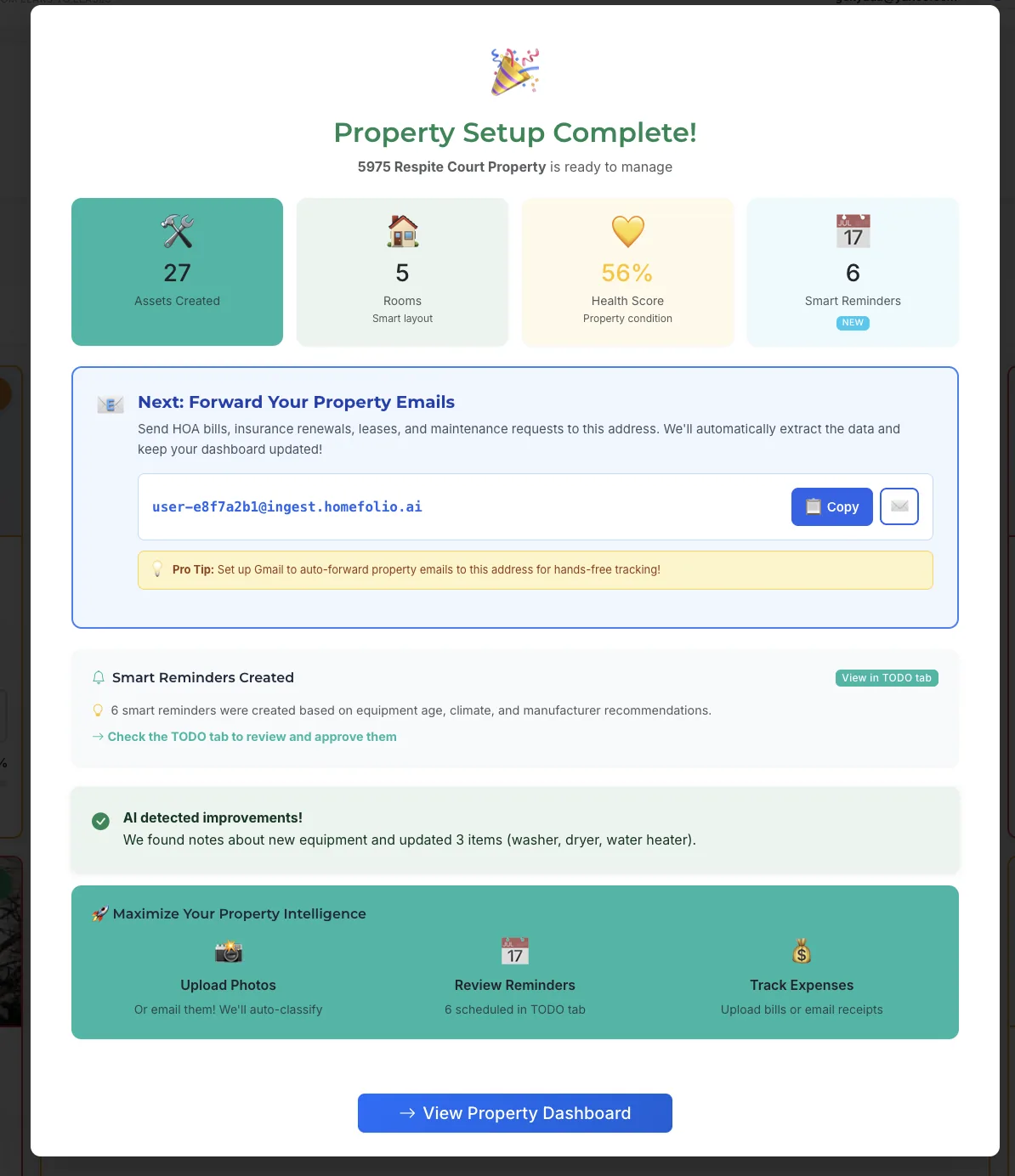
Reducing your taxable gain involves strategic planning, such as keeping meticulous records of home improvement expenses. These costs, when added to your home's basis, can significantly reduce your gain. This is where Homefolio AI comes in. By ensuring all your home improvement and sales documentation is already there, connected to the right property, Homefolio AI simplifies capital gains calculations. Check it out at Homefolio AI.

Avoid pitfalls by consulting with a tax advisor before listing your home. They'll help you navigate the complexities of capital gains tax exemptions, potentially saving you thousands of dollars in taxes and ensuring you walk away with the most from your sale.

FAQs About Homeownership and Tax Benefits

What is the mortgage interest deduction limit?

The mortgage interest deduction limit is $750,000 for loans taken out after December 15, 2017. If you purchased your home before this date, the limit is $1 million. This cap applies to your primary and one secondary residence combined. Understanding these limits is crucial for maximizing your deductions, especially if you have multiple homes or refinance your mortgage.

Can I deduct home office expenses?

Yes, you can deduct home office expenses if you are self-employed and use part of your home exclusively for business. The deduction is calculated based on the percentage of your home used for business. However, if you're an employee, these deductions are not available due to changes in tax law under the Tax Cuts and Jobs Act of 2017.

How do property tax deductions work?

Property tax deductions allow homeowners to deduct the real estate taxes paid on their primary or secondary residence from their taxable income. You'll need to itemize your deductions on your tax return to claim this benefit. Keep in mind the $10,000 cap on state and local taxes, which includes property taxes, to ensure you're maximizing your deductions effectively.

Are there tax credits for energy-efficient upgrades?

Yes, there are tax credits available for energy-efficient upgrades. The Residential Energy Efficient Property Credit offers a credit for installing qualified energy-saving systems, like solar panels and wind turbines. The credit percentage varies, so it's important to consult the latest IRS guidelines or a tax professional to understand the specific credits available for your improvements.

What happens to tax benefits if I refinance my mortgage?

Refinancing your mortgage can affect your tax benefits, particularly the mortgage interest deduction. Interest paid on the new mortgage can be deductible, but the overall limits still apply. Also, if you take cash out during the refinance, interest on that portion may not be deductible unless used for substantial home improvements. Consult with a tax advisor to understand how refinancing impacts your specific situation.

Your Home's Records — Already There When You Need Them.

Warranties, receipts, maintenance history, and appliance details — connected to your property automatically.

Get Started Free →