Property Tips

The Secret to Adding Value: Keeping Maintenance Records for Buyers

The Secret to Adding Value: Keeping Maintenance Records for Buyers

The average American home has $14,000 in appliances. Most homeowners can't find a single warranty document. Imagine the chaos when something breaks. Now, consider this: homes with complete maintenance records sell for 5-10% more. That's real money. Keeping those records isn't just about peace of mind—it's about cold, hard cash when it comes time to sell.

How Maintenance Records Impact Your Home's Value

According to industry data, homes with well-documented maintenance records can command a price that is 5-10% higher than those without. When buyers see a home that's been meticulously cared for, their confidence soars. They trust that the home won't surprise them with hidden issues—thus, they’re willing to pay more and negotiate less.

Complete records also mean fewer negotiation hurdles. Buyers have less ground to stand on when they can't question the integrity of the home's condition. You're not just selling a house; you're selling a story of consistent care and attention. This translates into smoother transactions, fewer concessions, and a quicker sale.

For example, consider a buyer weighing two similar homes. One boasts detailed records of regular maintenance and improvements. The other is a black box of uncertainty. Guess which one they're likely to choose, even if it's a little pricier? That’s the power of well-kept records.

Types of Maintenance Records Future Buyers Love

Future buyers aren't just looking for a place to live—they're investing in a piece of mind. Routine maintenance logs are their first love language. Records showing consistent care, such as HVAC servicing or roof inspections, tell buyers you’ve treated your home with the respect it deserves. These are the cookies that keep buyers satisfied.

Major repairs and upgrades are another type of record that can sway buyers. Did you replace the water heater or install a new roof? Document it. These records highlight the longevity and durability of your home’s essential systems. Buyers can see that you've tackled significant issues proactively, making their future ownership all the less daunting.

Include energy efficiency upgrades too. Whether it’s solar panels or new insulation, showing these records can also appeal to eco-conscious buyers looking to save money on utilities. The more you can demonstrate that your home is not just standing strong, but evolving, the better.

Common Mistakes Homeowners Make with Record Keeping

Many homeowners make the fatal mistake of relying on memory instead of documentation. It's a recipe for disaster. One misplaced invoice or forgotten repair can cost you thousands when it's time to sell. Your memory might serve you well for daily life, but in real estate transactions, it’s as reliable as a software update on launch day.

Another common pitfall is failing to keep receipts or warranty information. Years down the road, these documents become critical in proving that your home’s appliances or systems are still covered. Without them, you're left in the lurch, potentially facing costly repairs that could have been avoided.

Finally, homeowners often overlook digital solutions, opting instead for physical records that can be easily misplaced or damaged. Transitioning to digital records may seem daunting, but the benefits in terms of accessibility and ease of organization are worth the effort.

Preparing Your Home's Records for a Smooth Sale

Creating a comprehensive home dossier is your secret weapon for a smooth sale. Include all receipts, warranties, and maintenance logs in one tidy package. Buyers will appreciate the transparency, and it will make inspections a breeze. Think of it as a resume for your house—only instead of job experience, it lists years of tender loving care.

Presenting records in a buyer-friendly format is crucial. Use clear labels and organize them chronologically. A digital format like PDF can be particularly effective, allowing you to send records via email or share them during open houses. A cluttered, unruly stack of papers won’t impress anyone.

Consider adding a summary sheet highlighting major upgrades and routine maintenance. This quick reference guide will make it easy for potential buyers to see the value in your meticulous record-keeping efforts. It's like the executive summary of a well-researched report—compelling and to the point.

Homefolio AI: Your Automatic Solution for Record Keeping

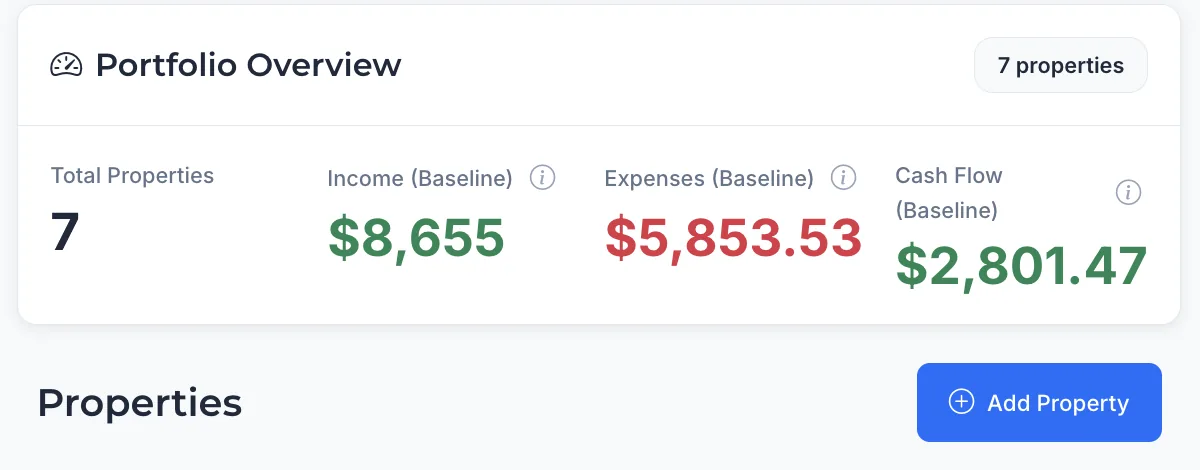
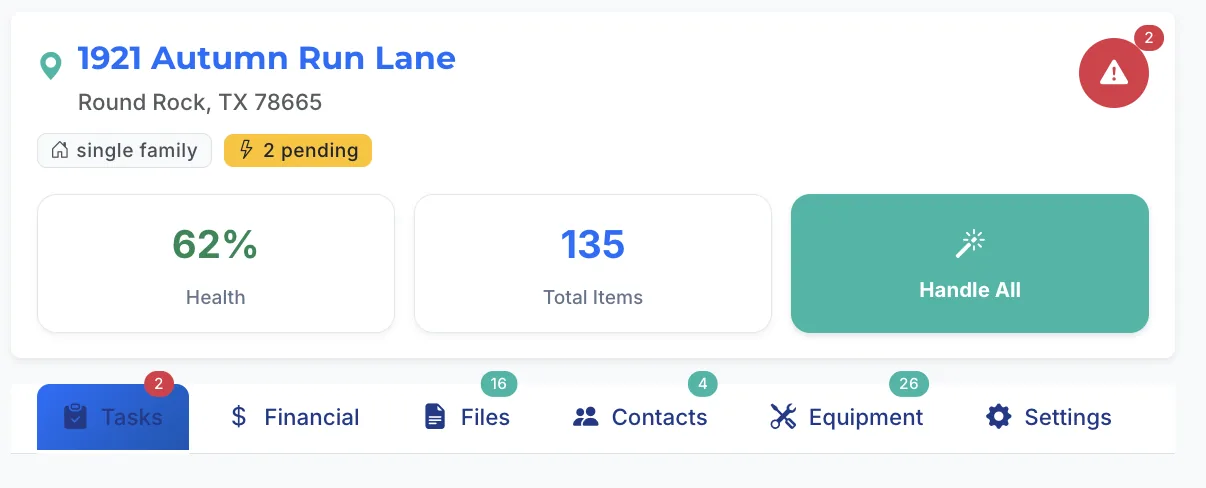
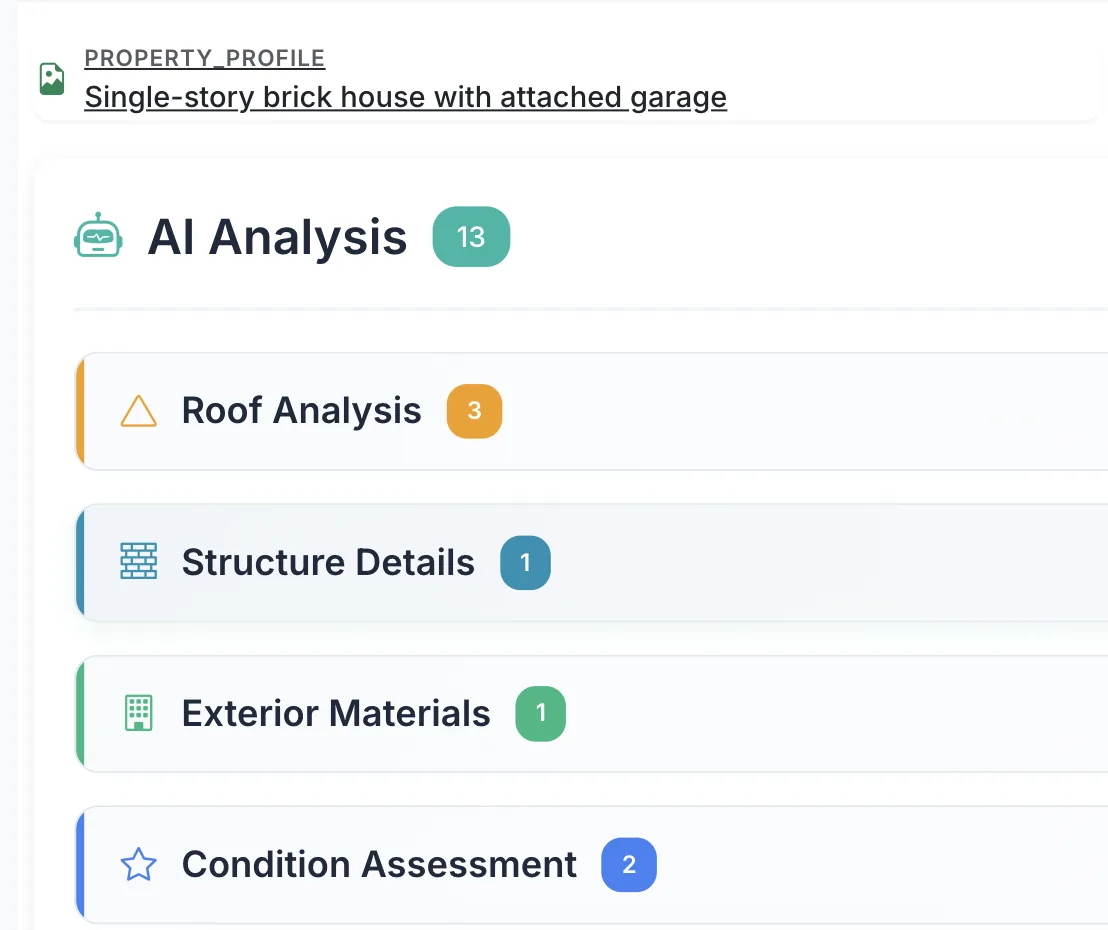
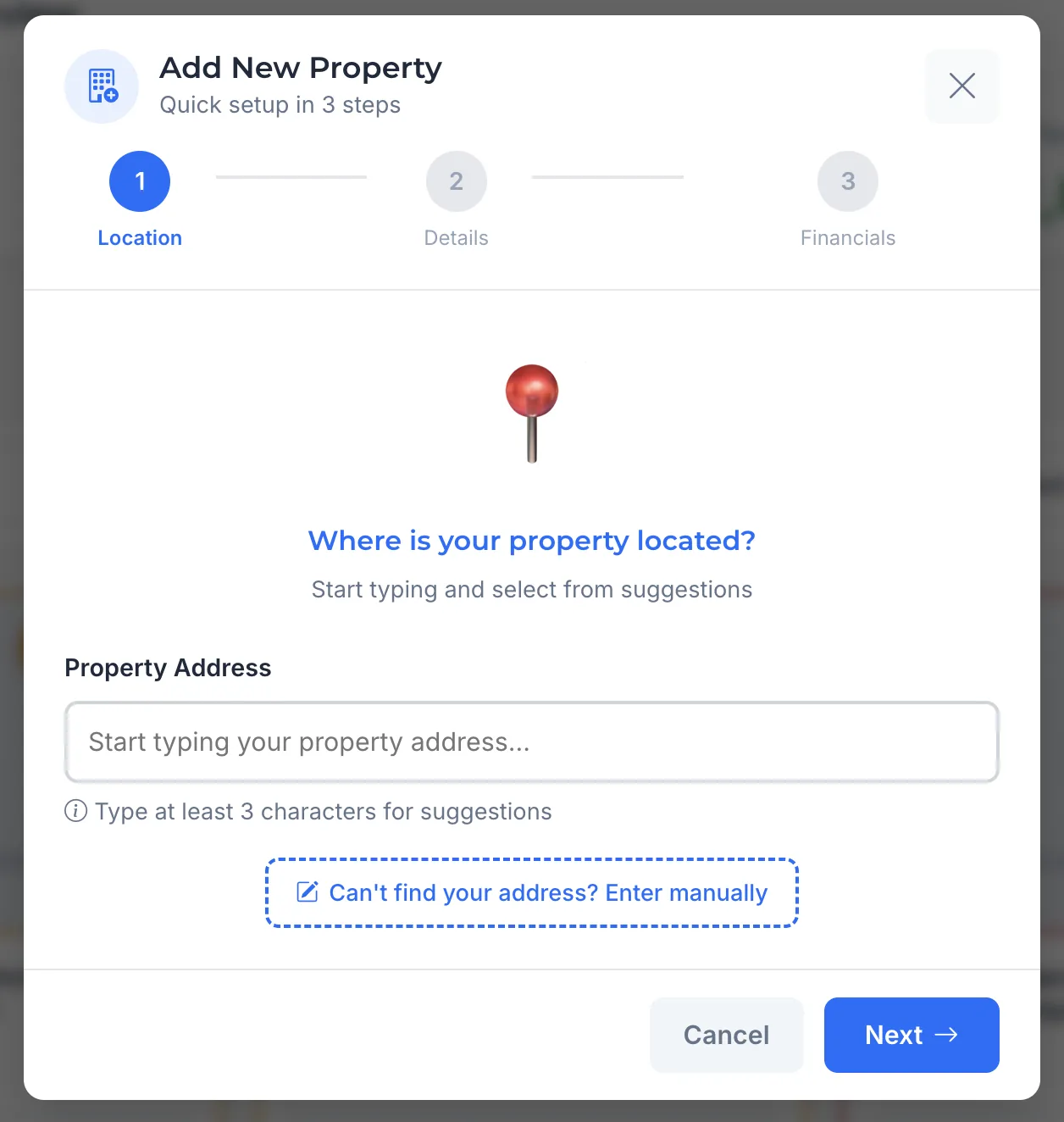
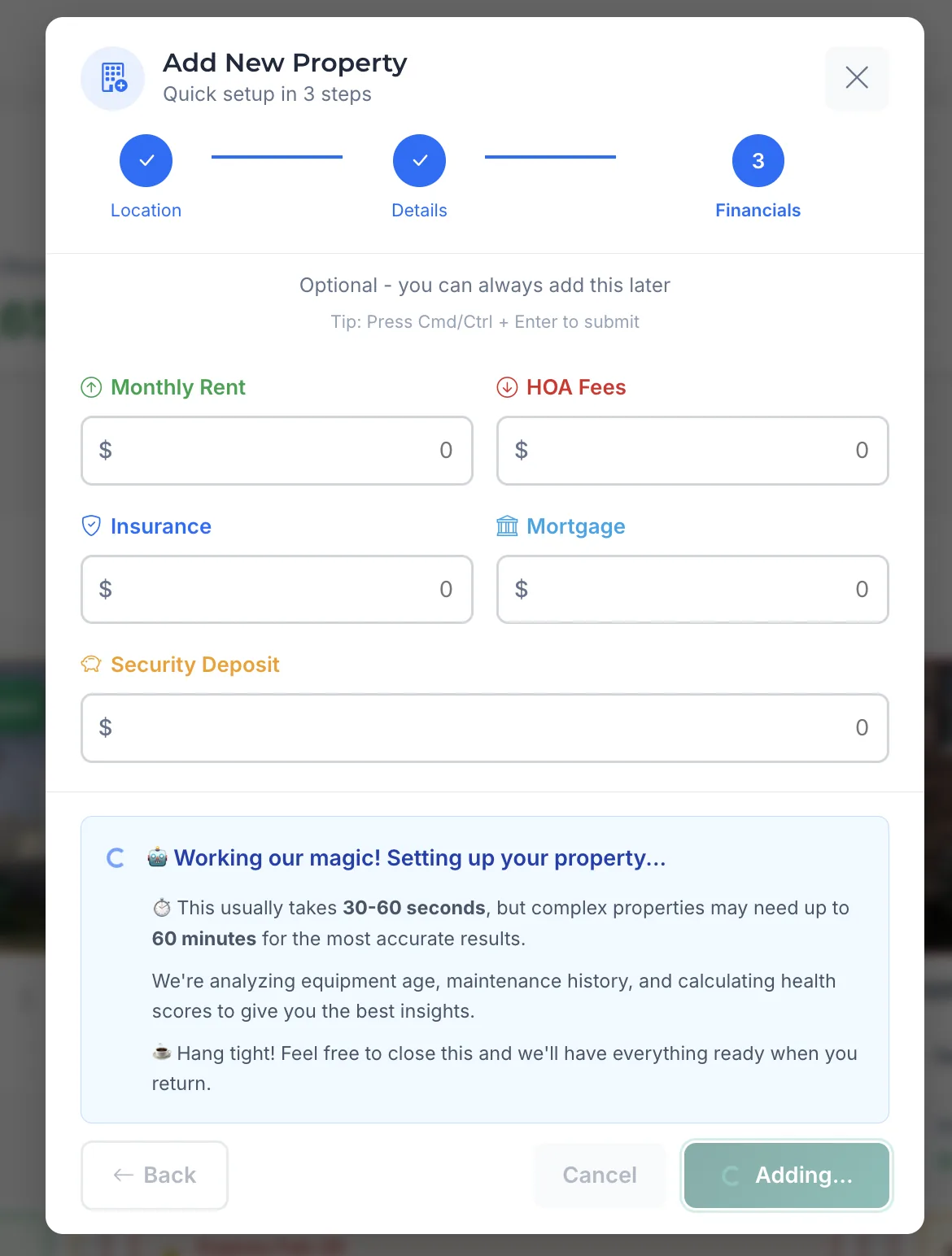
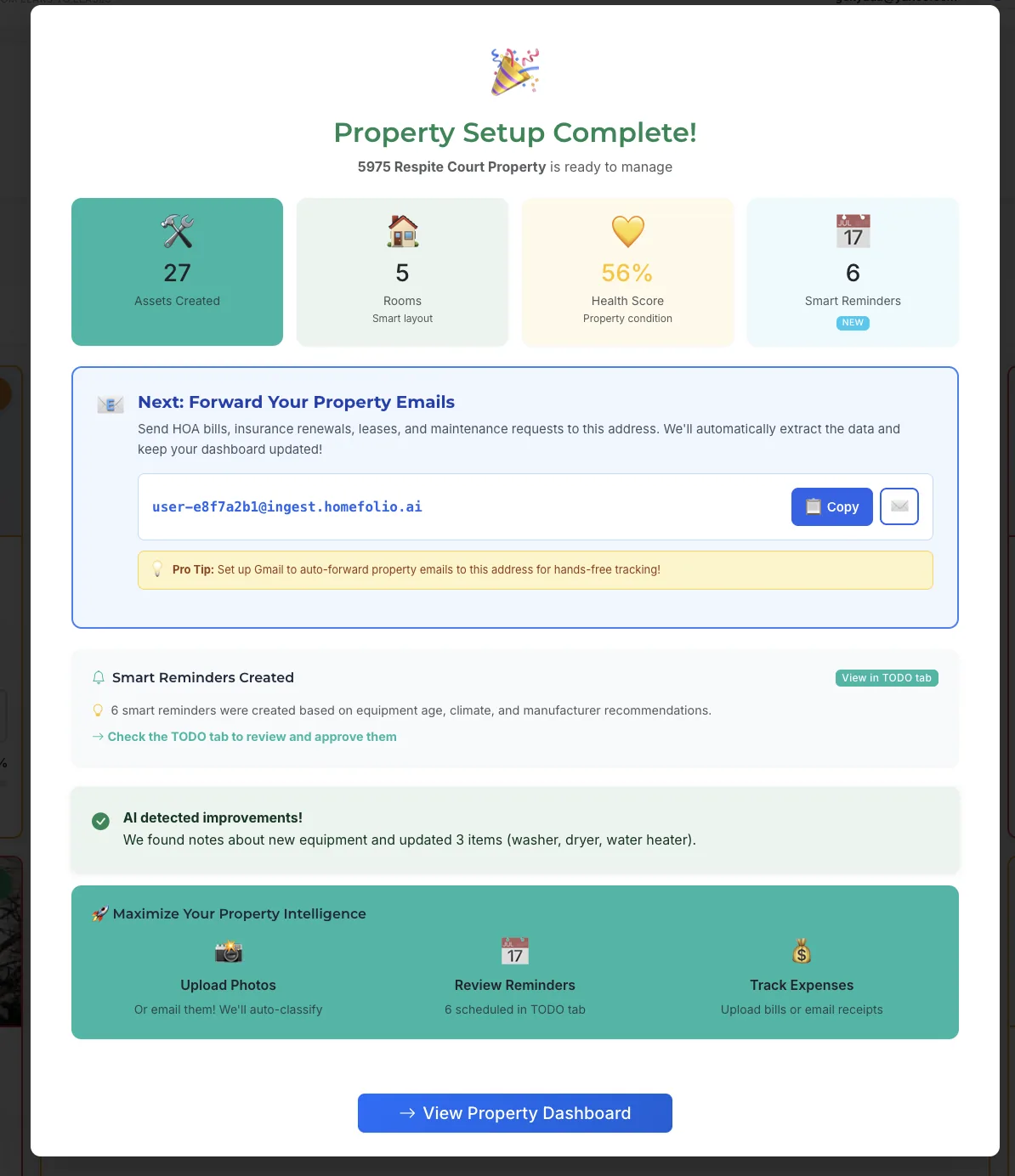
Enter Homefolio AI, your automatic solution for keeping those vital records—already there when you need it. Homefolio AI ensures your maintenance records are connected to the right property, giving future buyers confidence and saving you time during the selling process. With everything in one place, ready at a moment's notice, you can avoid the last-minute scramble for documents. Visit Homefolio AI to learn how your home's information can be effortlessly managed.

FAQs About Maintenance Records and Home Selling

How do maintenance records affect home appraisals?

Maintenance records can influence appraisals by demonstrating the home's upkeep and value preservation. Appraisers may consider documented maintenance and upgrades as positive factors that enhance the home's condition and longevity, potentially leading to a higher appraisal value. It’s like giving your home the equivalent of a glowing health report.

What specific records should I prioritize for buyers?

Prioritize records that demonstrate routine maintenance, major repairs, and warranty information. This includes HVAC servicing logs, roof repairs, and appliance warranties. Buyers want assurance that the home has been well cared for and that significant systems are in good shape. In short, anything that adds confidence in your home’s reliability should be front and center.

How far back should I keep maintenance records?

It’s advisable to keep maintenance records for at least the past ten years. This timeframe provides a comprehensive view of the home's history, covering both routine maintenance and major repairs. However, for newer homes, aim to maintain records from the time of purchase. If a major system was upgraded, keep that record indefinitely—it adds ongoing value.

Can digital records replace paper records?

Yes, digital records can effectively replace paper records and offer the advantage of easy accessibility and organization. Digital formats like PDFs are less likely to be lost or damaged, and they can be conveniently shared with potential buyers and realtors. Just ensure your digital storage solution is secure and regularly backed up.

What do buyers really look for in maintenance history?

Buyers look for signs of consistent care and attention to the home’s essential systems. They want assurance that major systems like plumbing, electrical, and HVAC have been regularly serviced and upgraded as needed. Additionally, buyers appreciate records of major upgrades that add value, such as new roofing or energy-efficient installations.

Your Home's Records — Already There When You Need Them.

Warranties, receipts, maintenance history, and appliance details — connected to your property automatically.

Get Started Free →