Property Tips

The $1,500 Tax Deduction You’re Missing by Misplacing Receipts

The $1,500 Tax Deduction You’re Missing by Misplacing Receipts

Why Misplacing Receipts Costs You Big

According to industry data, the average homeowner incurs $1,500 in missed tax deductions annually due to misplaced receipts. That’s not pocket change—it could cover a year’s worth of streaming services or a much-needed weekend getaway. When those receipts vanish, so does your opportunity to recoup costs on renovations, energy-efficient improvements, and even home office expenses.

Think it can’t happen to you? Consider the real stories of homeowners whose insurance claims were denied because they couldn't produce the necessary documentation. One homeowner in Texas had a $20,000 claim reduced to zero after a flood because their receipts were lost in the same deluge. It's a painful lesson in the importance of proper record-keeping.

So, how do you avoid these financial pitfalls? The first step is understanding the scale of potential losses. Misplaced receipts aren't just an inconvenience—they're a direct hit to your wallet. An organized system is not just nice to have; it's an essential part of maintaining your most significant asset.

The Anatomy of a Perfect Home Expense Receipt System

Building a bulletproof receipt system doesn't require a degree in accounting. Start with a straightforward, user-friendly approach: categorize by type of expense. Separate your receipts into folders like "Repairs", "Renovations", and "Utilities". This way, when tax season rolls around, you're not scrambling to sort through a year's worth of paper.

For maximum tax benefit, each category should align with IRS guidelines for deductible expenses. For instance, home office improvements can be deducted, but only if you have the receipts to prove it. The key is to keep these categories consistent year-over-year, which makes comparing and compiling much easier.

What are the essential elements of an effective system? An accordion folder for paper receipts, a dedicated cloud storage for digital copies, and a simple spreadsheet to track categories and totals. These tools work together like a well-oiled machine, ensuring you’re always ready to justify every dollar in home expenses.

Digital vs. Paper: The Pros and Cons

In the battle of digital versus paper, digital receipts often come out on top for their ability to save time and reduce stress. Studies suggest that digital systems can cut receipt retrieval time by up to 50%. No more rifling through drawers or boxes; a quick search on your computer can bring up what you need instantly.

However, paper receipts have their place—especially for items that might require a physical proof of purchase in the event of a warranty claim. It’s wise to keep your paper receipts in a fireproof and waterproof safe to protect against unforeseen disasters.

Storing paper receipts might seem outdated, but for those who prefer the tactile assurance of hard copies, the trick is to set a regular schedule for sorting and filing. Monthly or quarterly check-ins ensure that nothing slips through the cracks and that your filing system remains manageable.

Tools and Technologies to Simplify Receipt Management

In today's tech-centric world, apps and software have simplified the onerous task of receipt management. Tools like Expensify and QuickBooks offer features tailored for homeowners, such as easy categorization and expense tracking. These apps sync with your bank accounts and automatically categorize your spending, making tax season a breeze.

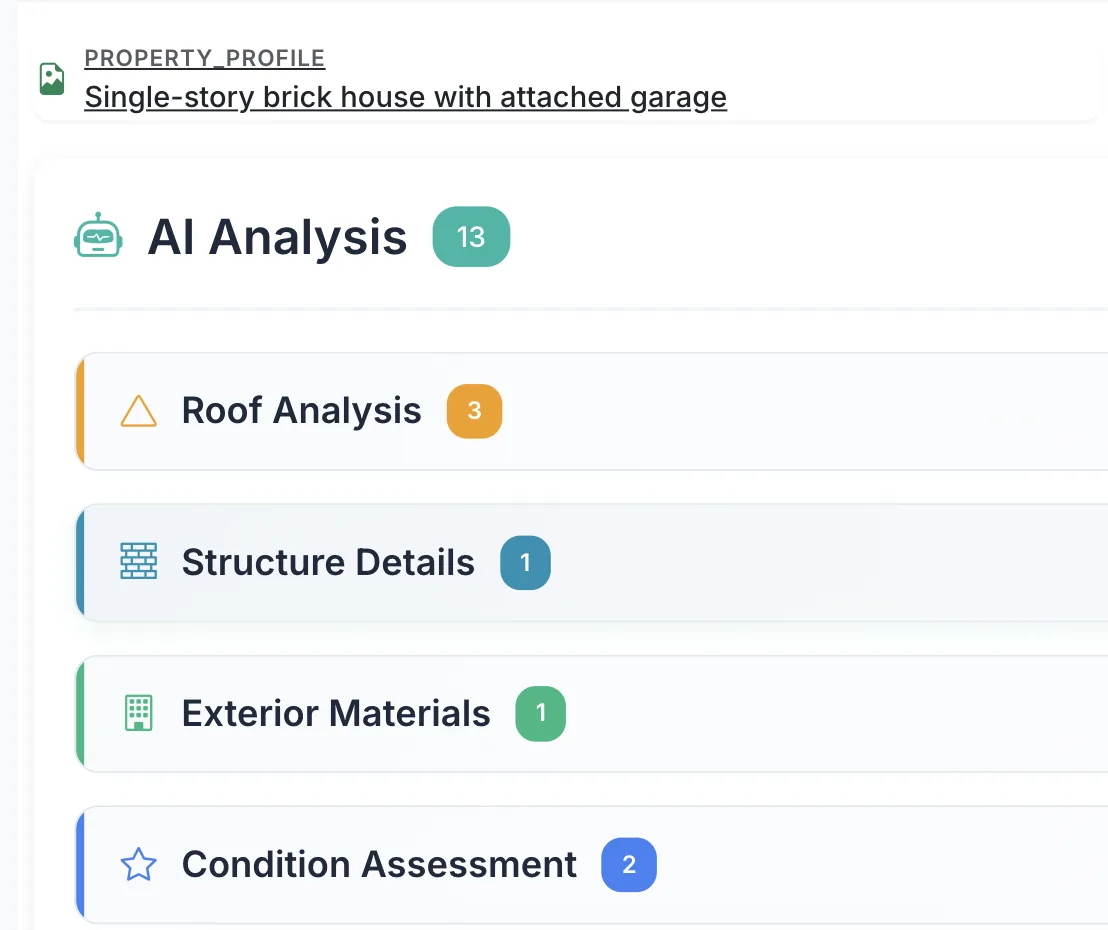
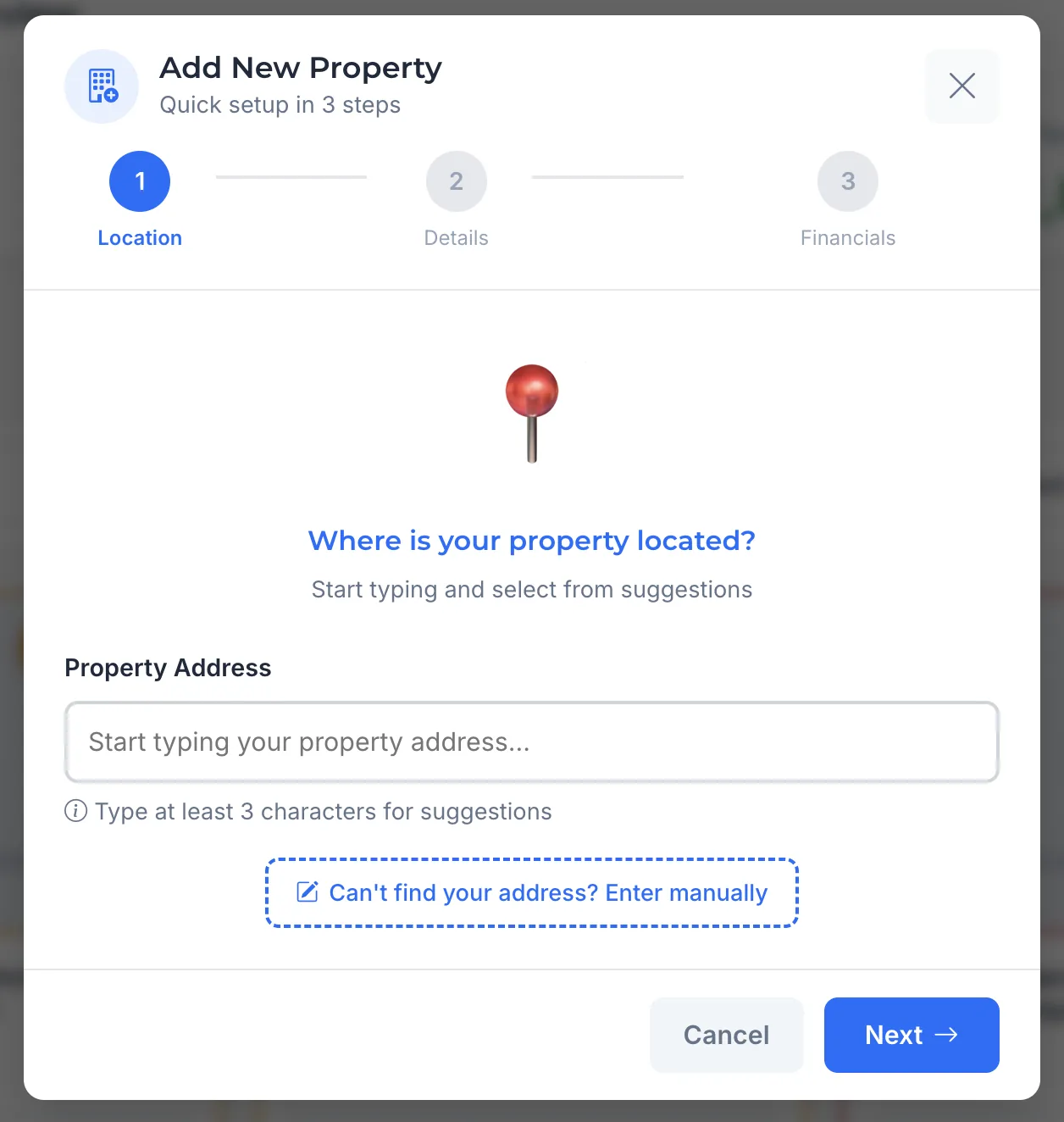
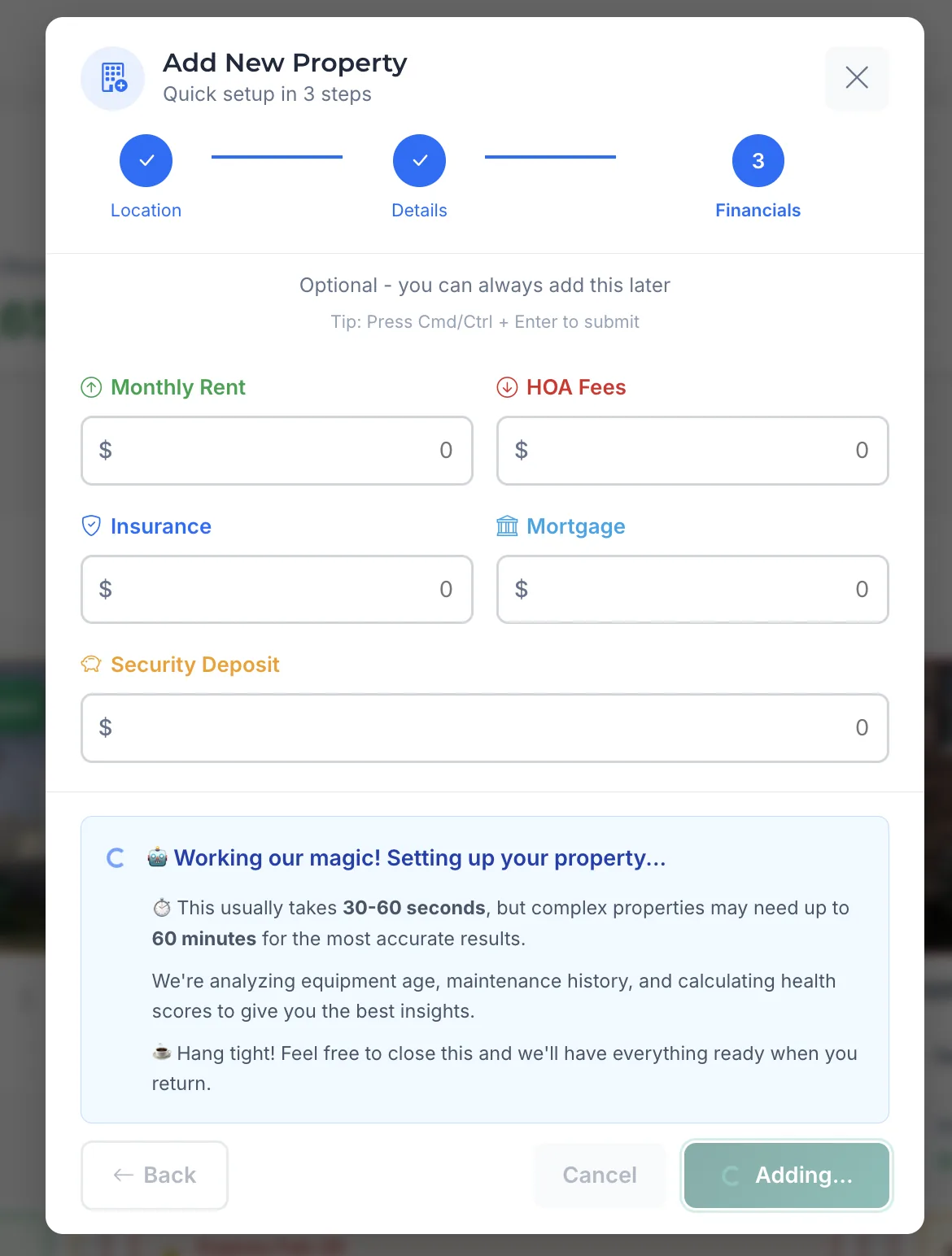
For a more comprehensive solution, consider Homefolio AI (https://homefolio.ai). It ensures your home expense receipts are already there when you need them, seamlessly connected to the right property, handling complex documentation automatically. Whether it’s a new roof or a kitchen remodel, your home’s information is in one place, ready for whenever you need it.

Choosing the right tool depends on your specific needs. If you're tech-savvy, a cloud-based app might suit you best. Prefer traditional methods? A hybrid approach with both paper and digital solutions might be more your speed. Either way, the goal is to reduce stress and improve efficiency in managing your home expenses.

Avoiding Common Pitfalls in Home Expense Organization

Even with the best systems, mistakes happen. The most common pitfall? Procrastination. Putting off organizing your receipts can lead to a frantic scramble come tax season, resulting in missed deductions and unnecessary stress. Set a monthly reminder to update your records and save yourself the headache later.

Another common error is failing to back up digital receipts. A computer crash or data loss could wipe out years of meticulous record-keeping. Always store copies of digital receipts in multiple locations—consider both cloud storage and an external hard drive for extra security.

To ensure every receipt is accounted for, develop a habit of immediately storing new receipts in your chosen system. Make it as automatic as brushing your teeth—something you do without thinking. This simple habit can save you time and money in the long run.

Frequently Asked Questions About Home Expense Receipts

How long should I keep home expense receipts?

The IRS recommends keeping receipts for at least three years, but some experts suggest up to seven years for significant home improvements. This timeline ensures you're covered for any potential audits or warranty claims. For items like home office expenses, the standard three-year rule applies.

Can I claim home office expenses without receipts?

While it's possible to claim home office expenses without physical receipts, you'll need other forms of documentation to back up your claims. Bank statements or credit card records can serve as proof, although they may not be as reliable as original receipts in an audit scenario.

What types of home expenses are tax-deductible?

Home expenses that are typically tax-deductible include mortgage interest, property taxes, and certain energy-efficient improvements. Home office expenses can also be deductible if they meet the IRS criteria. Always consult with a tax professional to understand what specific deductions apply to your situation.

How can I prove a lost receipt for an insurance claim?

If you’ve lost a receipt, other documentation like bank statements, invoices, or proof of payment can sometimes serve as substitutes. Contacting the retailer for a duplicate receipt is another option. Maintaining a digital backup of all receipts can preemptively solve this issue.

What’s the best way to digitize old receipts?

To digitize old receipts, invest in a reliable scanner or use a smartphone app like CamScanner. Ensure the scanned copies are clear and legible, and store them in a secure, organized digital folder system. Cloud storage offers additional peace of mind, keeping your digitized receipts safe from physical damage.

Your Home's Records — Already There When You Need Them.

Warranties, receipts, maintenance history, and appliance details — connected to your property automatically.

Get Started Free →