Mastering Multiple Offers: Avoid Costly Mistakes When Selling
The $50,000 Mistake: Choosing the Wrong Offer
Imagine this: You're sitting at your kitchen table, sifting through multiple offers on your home. It feels like hitting the jackpot, but there's a hidden trap—choosing the wrong offer can cost you as much as $50,000. According to home sales data, sellers who don’t consider the full scope of an offer, beyond the dollar amount, often end up regretting their decision. The true cost of an offer encompasses more than just the price tag.
The highest bid isn't always the best bet. Yes, that sky-high offer might look tempting, but it could be laden with contingencies or financial pitfalls that make it less attractive in reality. A common mistake is overlooking contingencies like inspection demands or financing approvals that may derail the sale down the line. High offers often come with hefty strings attached.
So, how do you avoid this $50,000 mistake? Start by scrutinizing each offer for hidden costs. Analyze any clauses that could financially hamstring you. Always remember that a solid offer balances price with stability and feasibility. Sometimes, a slightly lower offer with fewer conditions results in a smoother, more profitable transaction in the long run.
Evaluating Offers: Beyond the Dollar Sign
When you're evaluating offers, it's crucial to look beyond the dollar sign. According to industry data, nearly 30% of real estate transactions fall through due to unmet contingencies. These conditions, whether they're related to financing, inspections, or appraisals, can significantly affect your sale's outcome and timeline. A contingency-cluttered offer is like a ticking time bomb—ready to blow up your deal at any moment.
Consider the financial qualifications of your buyers. A pre-approval letter is a good start, but digging deeper into a buyer's creditworthiness can save you from future headaches. Verify their financial stability and their lender's reputation. A cash offer might tempt you with its simplicity, but even cash buyers can have hidden financial issues. Every offer must be vetted for its true value.
To navigate these murky waters, establish a checklist of deal-breakers. Rank offers by these criteria: financial strength, contingency clauses, and proposed timelines. This methodical approach prevents emotion-driven decisions and ensures you choose an offer that’s not just lucrative but also reliable.
Timing is Everything: The Art of Negotiation
In real estate, timing can be everything. Studies suggest that responding too quickly or too slowly to offers can lead to unfavorable outcomes. The key is to strike a balance—responding within a timeframe that indicates interest but also leaves room for strategic negotiation. A well-timed response can increase your leverage in discussions.
Leverage the power of deadlines to your advantage. Set specific timeframes for responses to encourage prompt action from buyers. According to industry experts, a 24 to 48-hour window is usually optimal. This urgency can motivate buyers to present their best offers upfront, reducing the likelihood of drawn-out negotiations.
Yet, remember not to rush into a decision. Use time as a negotiating tool rather than a constraint. Keep communication lines open with your real estate agent to evaluate the market context and adjust your timing strategy accordingly. The art of negotiation lies in knowing when to apply pressure and when to step back.
Communicating with Buyers: Setting the Right Expectations
Communication is the linchpin of any successful home sale. A clear strategy not only sets the right expectations but also builds trust with potential buyers. Miscommunication can lead to misunderstanding and, ultimately, a lost sale. Industry data indicates that communication breakdowns are responsible for a significant percentage of failed transactions.
Develop a communication plan that outlines how and when you'll engage with buyers. This should include preferred methods of communication, expected response times, and the channels you'll use to convey updates. Consistency is key—buyers appreciate sellers who are transparent and responsive.
Maintain professionalism to keep emotions at bay. Selling a home can be an emotional experience, but letting emotions drive your decisions can be costly. Stick to your communication plan, and consult with your real estate agent to navigate emotional hurdles effectively. Master this, and you’ll make decisions based on facts, not feelings.
How Homefolio AI Ensures You're Ready
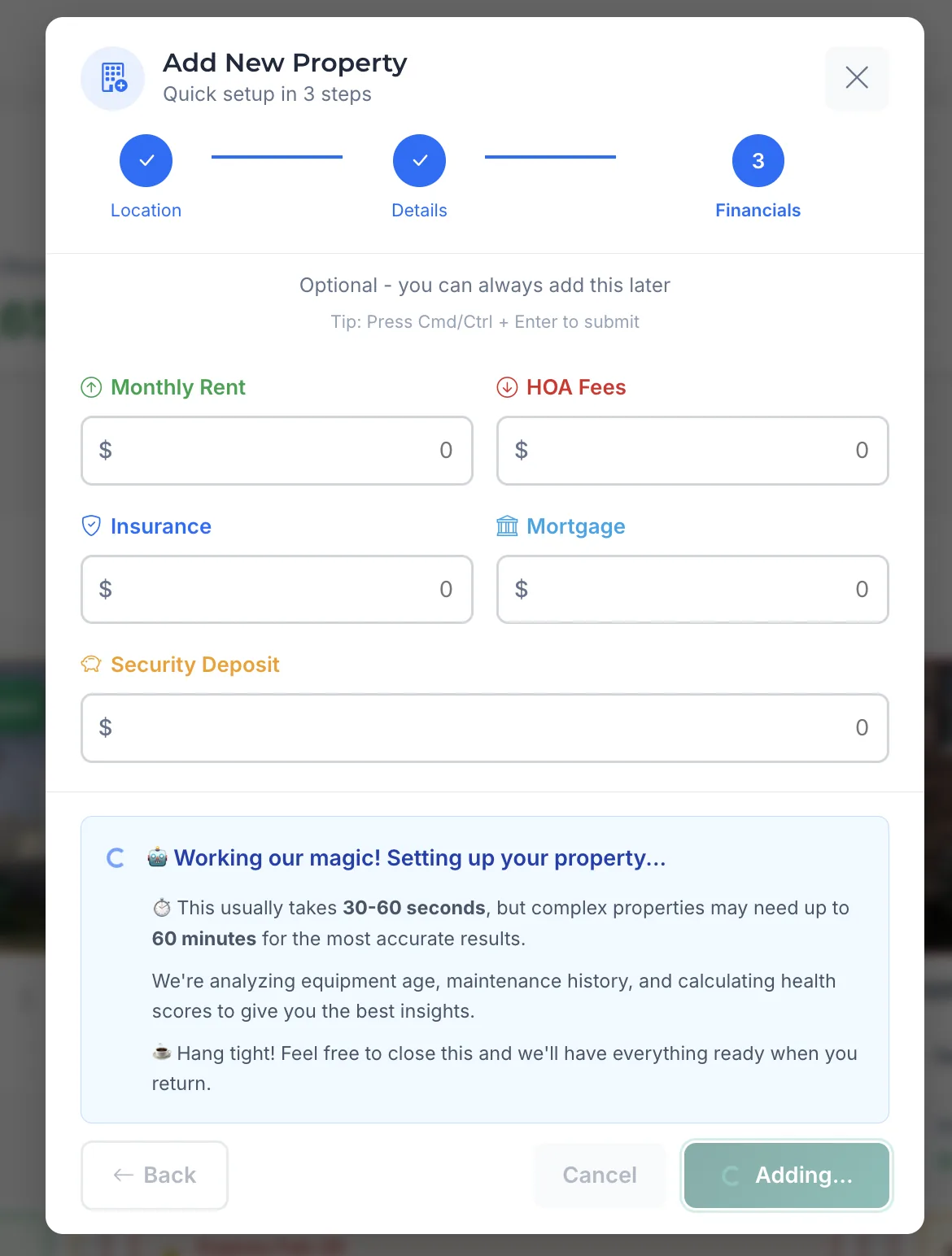
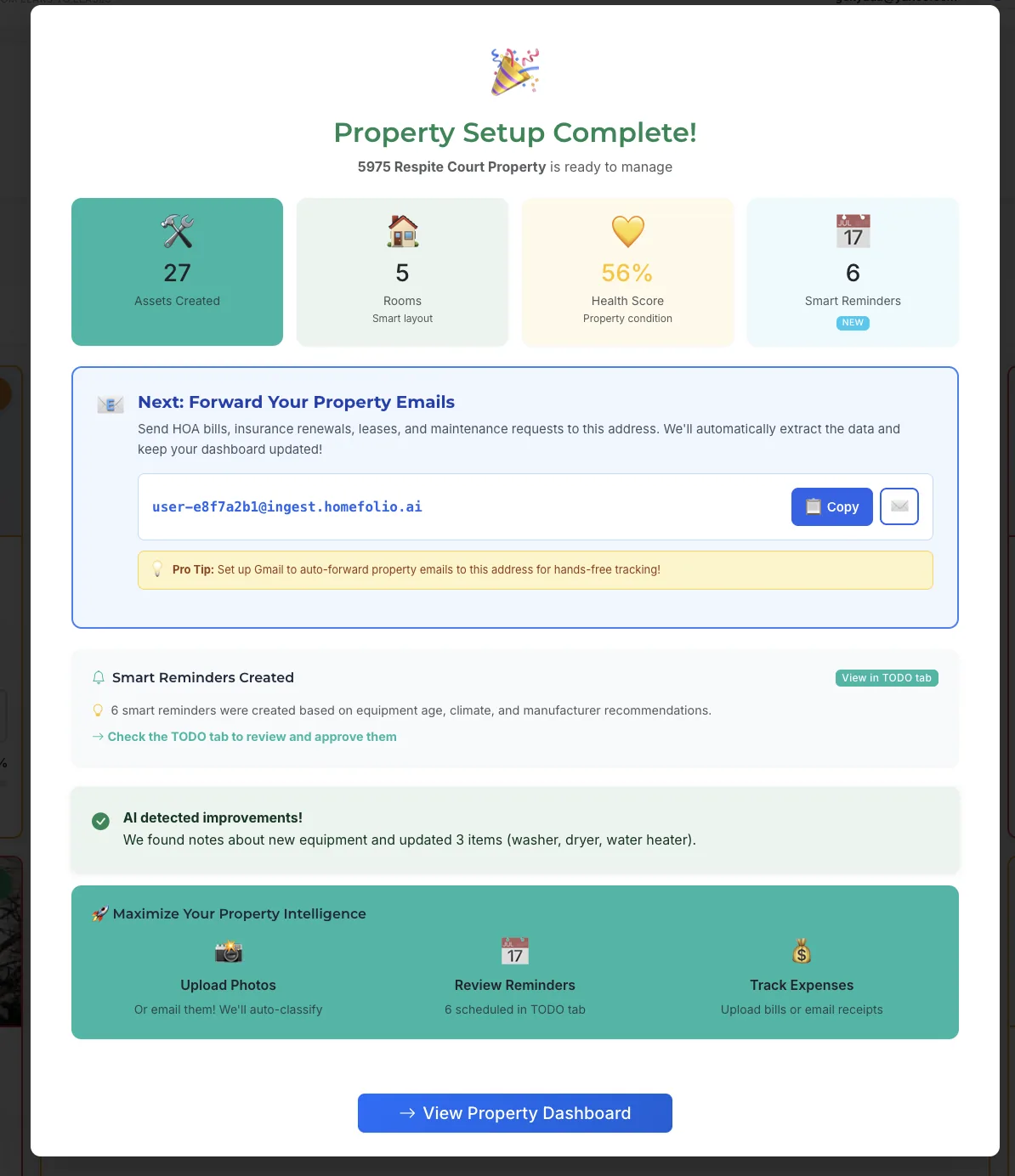
In a world where information is king, being prepared with the right documents can set your home apart. Homefolio AI steps in as your digital assistant, ensuring all your home's documents are already there when you need them. Homefolio AI connects every piece of information to the right property, making your home more appealing to prospective buyers. It's like having your home's history in one place, ready for inspection.
With Homefolio AI, you never have to scramble for documents or worry about last-minute requests. Imagine showing potential buyers a comprehensive history of your home’s maintenance, repairs, and upgrades with just a few clicks. This transparency builds buyer confidence and can lead to smoother negotiations.
By leveraging technology, you ensure that every piece of information about your home is handled automatically and is ready when you need it. This not only speeds up the sale process but also enhances the buyer’s perception of your home, leading to stronger offers and a successful sale.
FAQs on Handling Multiple Offers
What is the best way to handle a bidding war?
Handling a bidding war requires strategy. Start by setting clear rules for submission and response deadlines. Encourage highest and best offers, and consider using an escalation clause to identify serious buyers. Transparency is crucial—keep all parties informed of the process to maintain fairness and trust.
How do I know if an offer is serious?
A serious offer is typically accompanied by a pre-approval letter and a significant earnest money deposit. Verify the buyer's financial status and their lender's credibility. Serious buyers often show flexibility in negotiating terms and exhibit strong communication throughout the process.
Can I negotiate after accepting an offer?
Negotiating after accepting an offer is tricky and can be seen as reneging. It's possible under specific contingencies, like inspection results, but approach with caution. Ensure any changes are documented and agreed upon by both parties to avoid future disputes and maintain trust.
What should I do if I receive an all-cash offer?
An all-cash offer generally simplifies the transaction, eliminating financing contingencies. However, ensure the offer is competitive and verify the proof of funds. All-cash buyers may expect a discount for the convenience, so weigh the speed and certainty of closing against any potential financial concessions.
How long should I wait to accept an offer?
While the market conditions can influence this, a general rule is to wait 24 to 72 hours after receiving an offer. This timeframe allows for careful evaluation and potential counteroffers. Communicate your timeline to buyers to manage expectations and facilitate a smoother negotiation process.