Property Tips

Why Keeping Maintenance Records Can Boost Your Home's Value

Why Keeping Maintenance Records Can Boost Your Home's Value

Picture this: The average American home boasts $14,000 worth of appliances, yet most homeowners can't locate a single warranty document when something breaks. It's a recipe for frustration—and a potential loss in home value. Home maintenance records may not be the most glamourous aspect of homeownership, but they are a game-changer when it's time to sell. Let's dive into how keeping meticulous records can increase your home's value and speed up the sales process.

The Cost of Poor Maintenance Documentation

Inadequate documentation can cost you dearly. Studies suggest that missing maintenance records can decrease your home's value by up to 10%. That's not just loose change; on a $300,000 home, that's a $30,000 hit. Potential buyers might get cold feet when they can't verify the history of essential repairs or upgrades, seeing your home as a risky investment.

Real estate horror stories are rife with tales of deals falling through at the eleventh hour because the seller couldn't produce evidence of recent maintenance. One homeowner shared how the lack of documentation for a roof replacement led to a sale falling apart, costing them both time and money. Learn from their mistakes—keep your records tight.

Actionable Tip: Start by creating a dedicated file—digital or physical—where you collect all maintenance receipts, warranties, and logs. Make it a habit to update it after every repair or upgrade. Your future self will thank you when it's time to negotiate the sale of your home.

How Maintenance Records Enhance Buyer Confidence

The psychology of buying is straightforward: buyers want assurance that they're making a wise investment. Documented care communicates that the home has been well-maintained, easing concerns over future repair costs. It turns an anxious buyer into a confident one—often willing to meet your asking price.

Real estate agents emphasize that buyers are increasingly expecting comprehensive maintenance records. According to industry data, 75% of agents report that homes with complete records sell faster and closer to the asking price. It’s no longer just about the curb appeal; it’s about the paper trail.

Actionable Tip: Include a summary sheet in your records that outlines major improvements over the years, along with dates and contractor information. This snapshot makes it easy for buyers to grasp the care your home has received, further instilling confidence in their purchase decision.

Essential Records Every Homeowner Should Keep

Not all records are created equal. Prioritize keeping maintenance logs, warranties, and receipts for major appliances and systems like HVAC, plumbing, and electrical. These are the big-ticket items that buyers are most concerned about. Make sure your documentation is thorough and organized.

Industry experts suggest categorizing records by type and date for easy access. Knowing exactly where to find your HVAC service logs from two years ago can be a lifesaver during negotiations. Remember, a well-organized history can sway potential buyers.

Actionable Tip: Use a simple spreadsheet or template to track maintenance activities. Include the date, service performed, cost, and any warranties or guarantees. This adds an extra layer of clarity and professionalism to your records.

Digital vs. Physical: Best Practices for Record-Keeping

In the digital age, storing records online offers many advantages. Digital records are easy to update, share, and access from anywhere. Cloud storage solutions like Google Drive or Dropbox ensure your records are safe from physical damage or loss.

However, don’t completely dismiss the value of physical copies. They serve as tangible proof, especially in situations where digital records might be questioned. Plus, there's something reassuring about having a hard copy at hand during a sale negotiation.

Actionable Tip: Adopt a hybrid approach—store essential documents digitally and keep physical copies of the most critical ones. This way, you have the best of both worlds, ensuring accessibility and durability.

Streamlining Your Record-Keeping with Technology

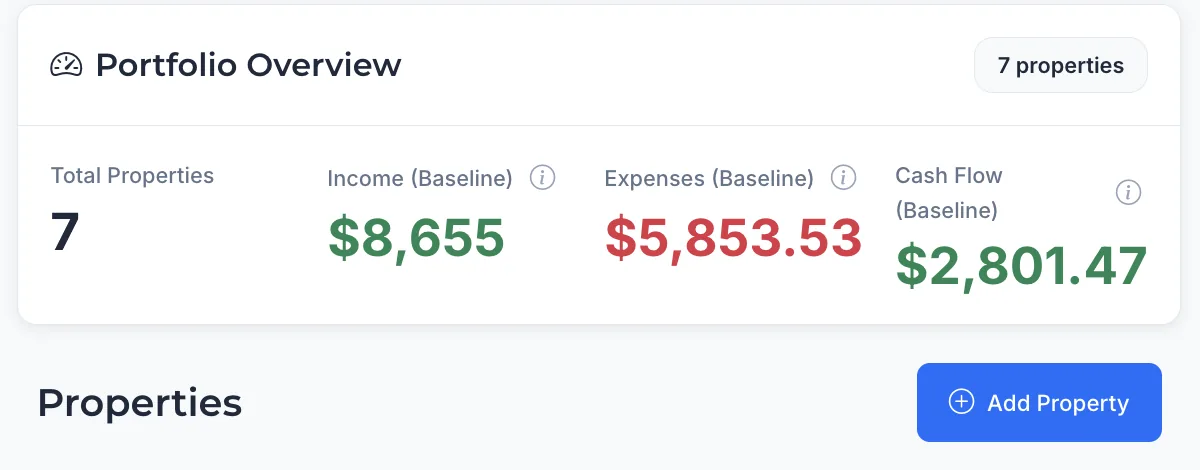
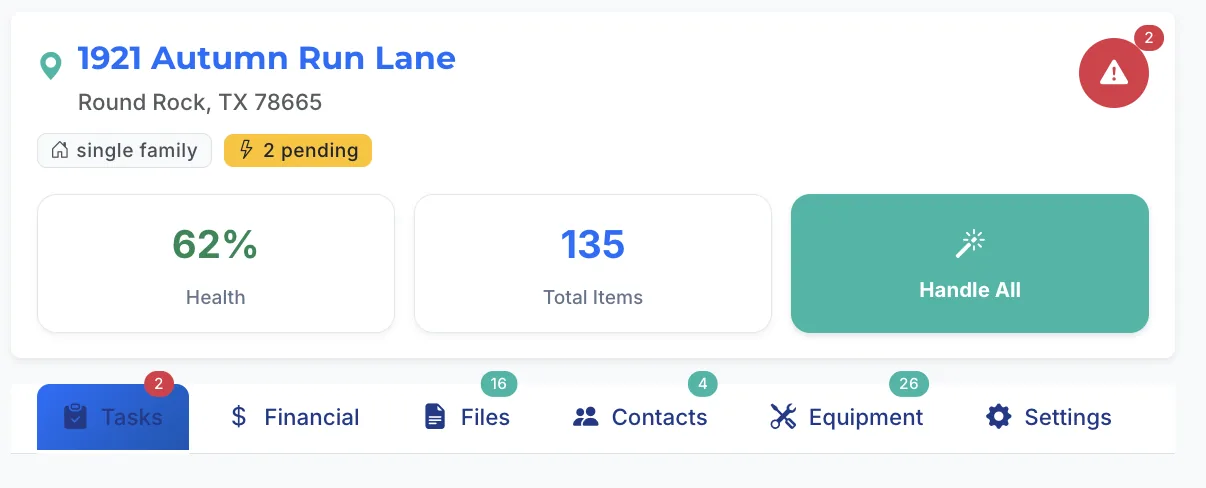
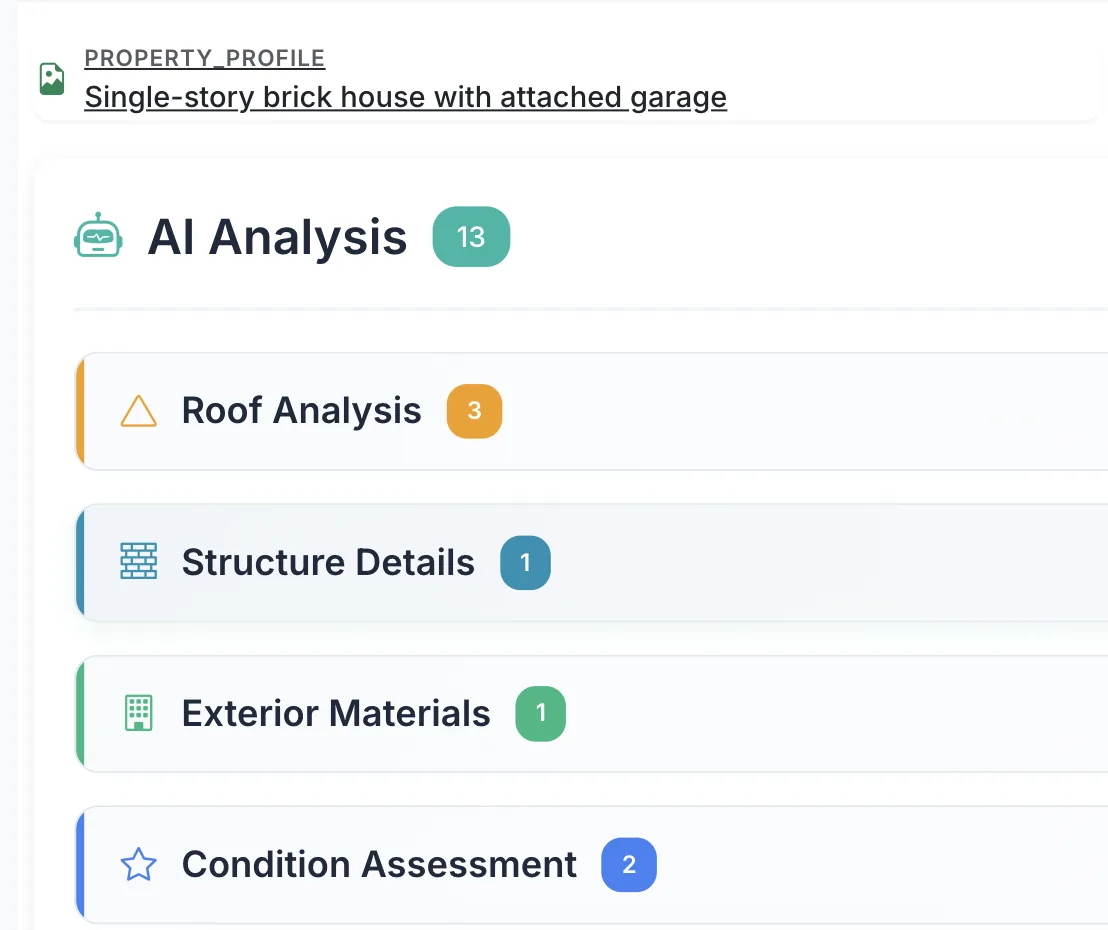
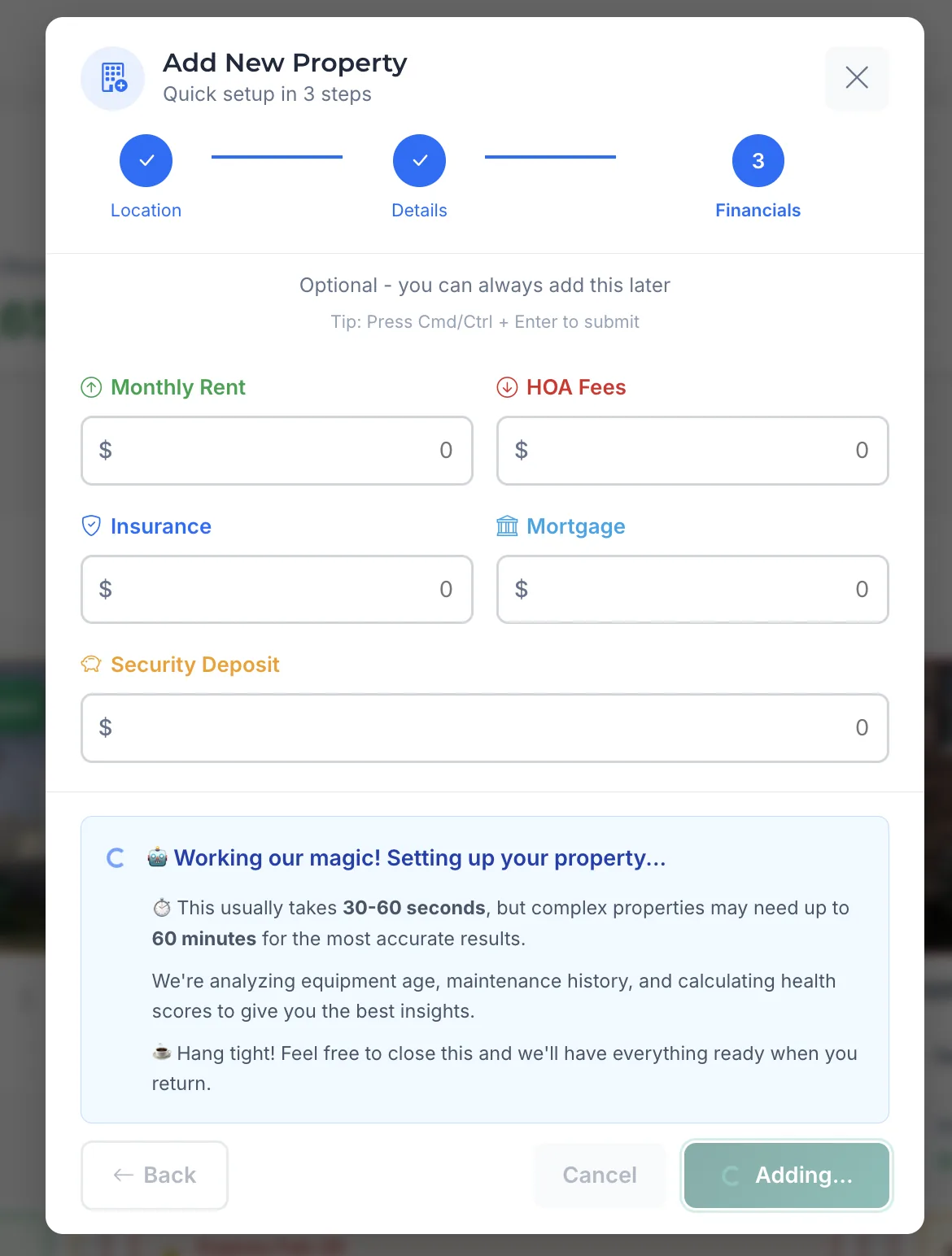
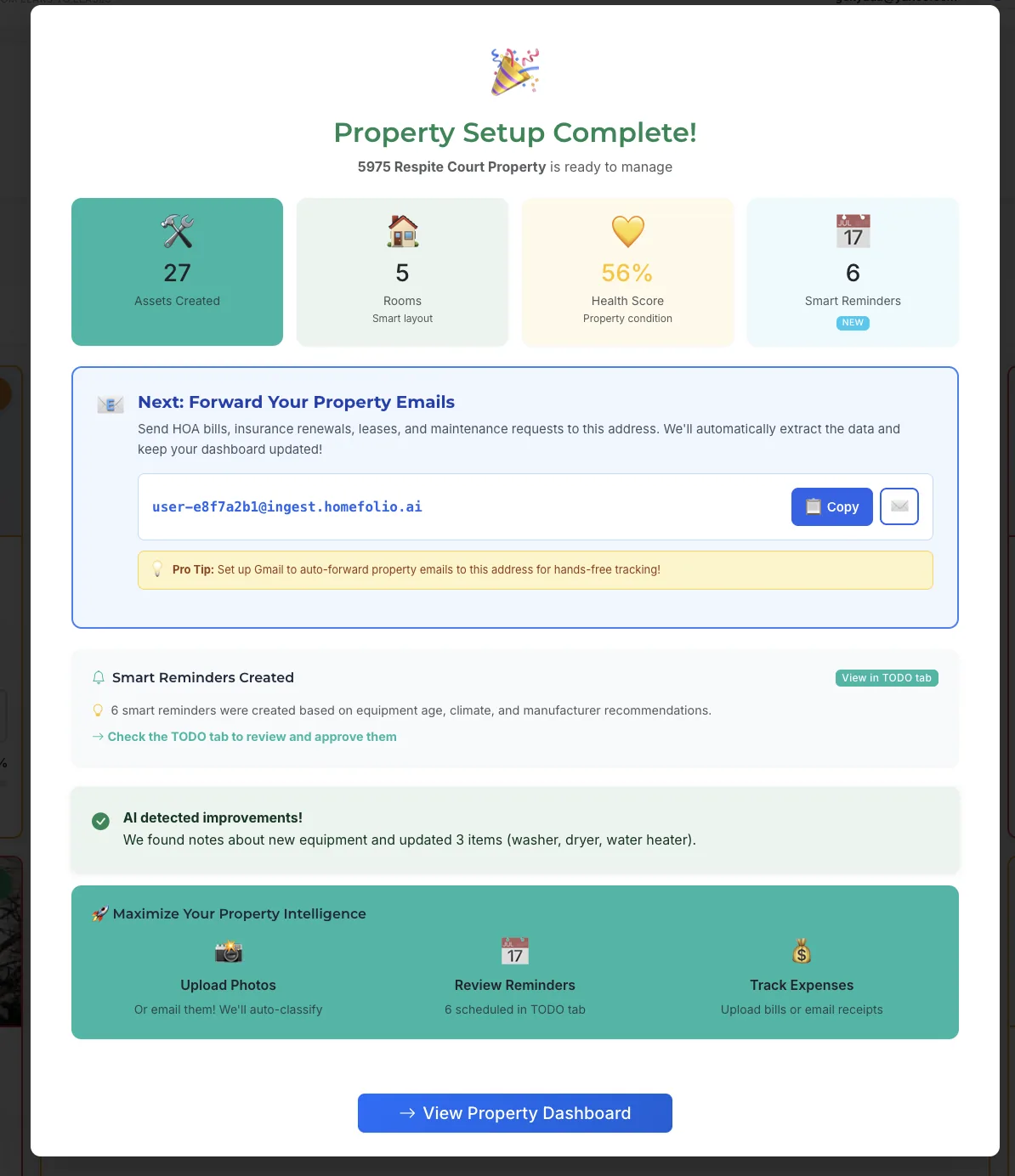
Technology can simplify your record-keeping efforts significantly. Apps and services like Homefolio AI ensure your maintenance records are already there and connected to the right property, freeing you from manual tracking and making your home more attractive to future buyers. Try Homefolio AI to have your home's information in one place, ready when you need it.

Automation is your friend when it comes to reducing the time and stress associated with managing home maintenance records. From automatic reminders for upcoming maintenance tasks to seamless integration of new records, the right tools can make all the difference.

Actionable Tip: Explore apps like Evernote or OneNote for organizing digital copies of your records. These tools allow you to tag, annotate, and search for documents effortlessly—saving you time and minimizing frustration.

FAQs About Keeping Maintenance Records

How long should I keep home maintenance records?

It's advisable to keep maintenance records for as long as you own your home, and even a few years after selling it. Essential records, such as those for major appliances and systems, should be retained for the life of the item plus a few years. This can be beneficial in case any legal or warranty issues arise post-sale.

What if I can't find a specific receipt?

If a particular receipt is missing, try reaching out to the contractor or service provider who performed the work. Many businesses keep digital records and can provide you with a copy. In the future, consider scanning and storing digital copies of all receipts to prevent loss.

Are digital records legally valid?

In most cases, digital records are considered legally valid, especially if they're backed up and secure. However, it's wise to check specific legal requirements in your area. For added credibility, ensure your digital records are clear, dated, and include all necessary details.

How do maintenance records affect insurance claims?

Maintenance records can significantly impact insurance claims. A well-documented history of upkeep can expedite claims by providing proof of regular maintenance, potentially leading to a smoother approval process. This documentation can also help validate claims related to home systems and appliances.

Can I sell my home without maintenance records?

While you can technically sell your home without maintenance records, it's not ideal. Lack of documentation can lower buyer confidence, potentially reducing the sale price or prolonging the sale process. Well-maintained records can enhance your home's appeal and justify a higher asking price.

Your Home's Records — Already There When You Need Them.

Warranties, receipts, maintenance history, and appliance details — connected to your property automatically.

Get Started Free →