Property Tips

Avoid Costly Repairs: The Importance of Appliance Warranties

Avoid Costly Repairs: The Importance of Appliance Warranties

The average American home has $14,000 in appliances. Most homeowners can't find a single warranty document when disaster strikes. This oversight can lead to unexpected repair bills that drain your wallet faster than a leaky dishwasher floods your kitchen. Understanding the importance of appliance warranties can save you from financial headaches and safeguard your home's value.

The Real Cost of Skipping Warranties

Skipping warranties might seem like a way to save money initially, but it can cost you dearly in the long run. According to home insurance data, the average repair cost for a broken refrigerator is around $300, while a new motor for your clothes dryer might set you back $200. Without a warranty, these expenses can add up quickly, especially if multiple appliances decide to give up the ghost simultaneously.

Common household appliances like dishwashers, washing machines, and ovens have a notorious reputation for breaking down. Studies suggest that every homeowner will face at least one major appliance failure every five years. Considering that a new dishwasher can cost upwards of $500, and repairs are typically half that, it's easy to see how skipping a warranty can lead to a financial quagmire.

One practical step to avoid this situation is to assess the age and condition of your appliances. If they're nearing the end of their lifespan, a warranty might be a wise investment. Consider setting aside a small fund for appliances that don't have warranty coverage—just in case.

How Warranties Can Save You Thousands

Warranties provide a safety net against spiraling repair costs. A standard manufacturer warranty often covers parts and labor for one year. Extended warranties can add several more years of protection. Compare this with out-of-pocket expenses, which can soar when you're unprepared. A $150 investment in an extended warranty could save you thousands over the appliance's life.

Consider the case of John, a homeowner in Ohio, who faced a $600 repair bill when his refrigerator compressor failed. Fortunately, he had an extended warranty, covering 90% of the repair costs. Without it, John would have had to dip into his emergency fund, underscoring the financial cushion warranties provide.

To maximize your savings, keep a record of warranties and align them with your appliance's expected lifespan. This way, you can plan for renewals or replacements, maintaining your household's financial health.

Understanding Different Types of Warranties

Not all warranties are created equal. Manufacturer warranties typically cover the first year, focusing on defects in materials and workmanship. Extended warranties, offered by retailers or third-party companies, extend this coverage, sometimes up to five additional years. Service warranties, on the other hand, often cover regular maintenance and repairs.

Each type of warranty has its pros and cons. Manufacturer warranties are usually comprehensive but short-lived. Extended warranties provide prolonged peace of mind but can be costly. Service warranties may include perks like annual maintenance checks but may not cover all repairs. Weigh these factors based on your appliance's value and your financial comfort.

When deciding, read the fine print carefully. Some warranties exclude certain parts or types of damage. Make sure you're getting the coverage you need without unnecessary extras that inflate the price.

What to Look for in a Good Warranty

When evaluating warranty options, look for key features like comprehensive coverage on parts and labor, a clear claims process, and no hidden fees. Check if the warranty covers repair or replacement and whether it includes in-home service, which can spare you the hassle of transporting heavy appliances.

Red flags to avoid include vague terms or excessive exclusions, such as denying coverage for "wear and tear." If a warranty seems too good to be true, it probably is. Ensure the provider has a reputable history of honoring claims promptly and efficiently.

One actionable tip is to compare warranties from multiple sources. Don't just settle for the first offer from the retailer. Third-party companies might provide better terms at a lower cost. Always prioritize coverage over price.

Maximizing the Benefits of Your Warranty

To maximize your warranty benefits, keep your paperwork in order. Know the warranty's terms and conditions so you can act swiftly if an appliance breaks. Claim processes often have specific timeframes that, if missed, could void your coverage.

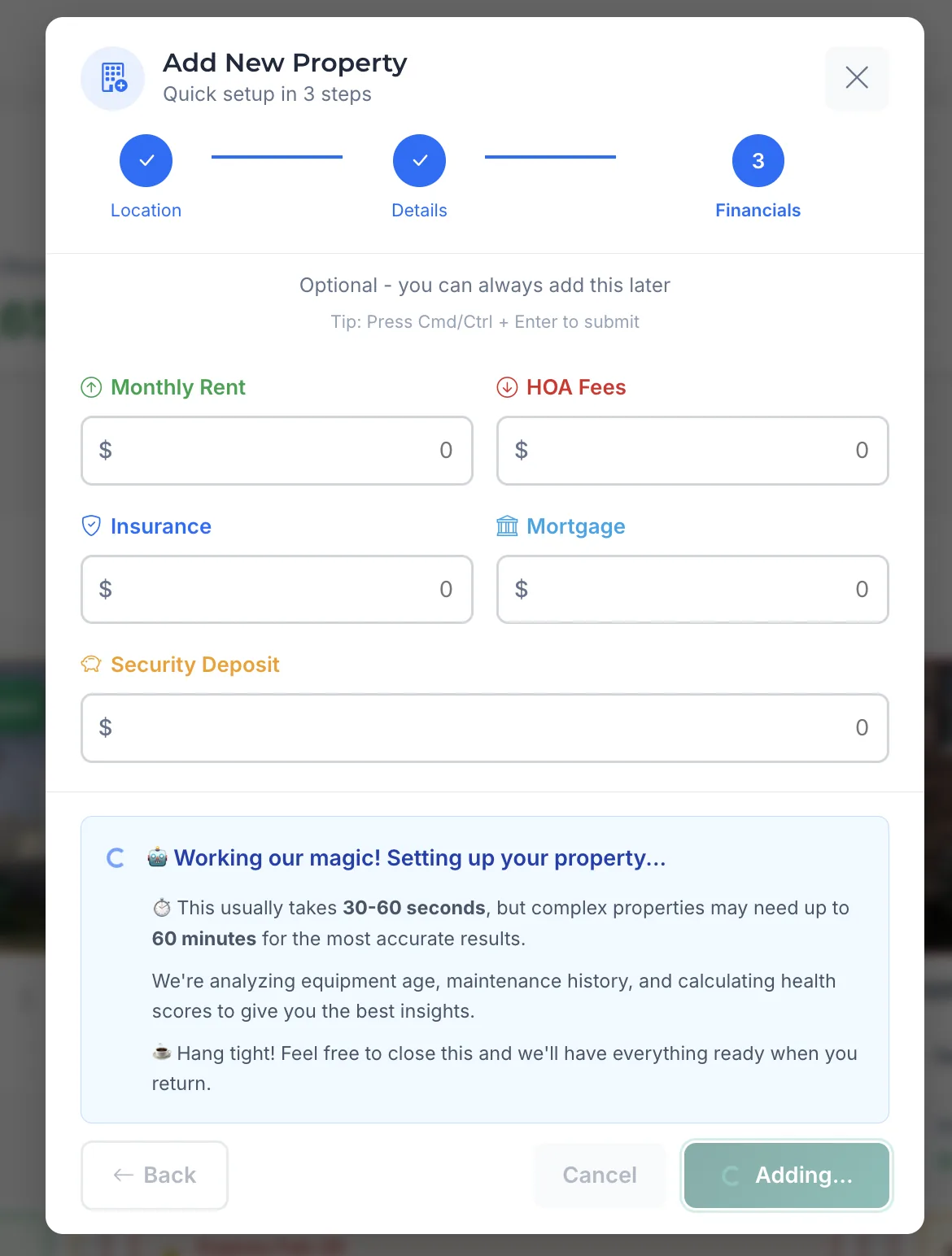
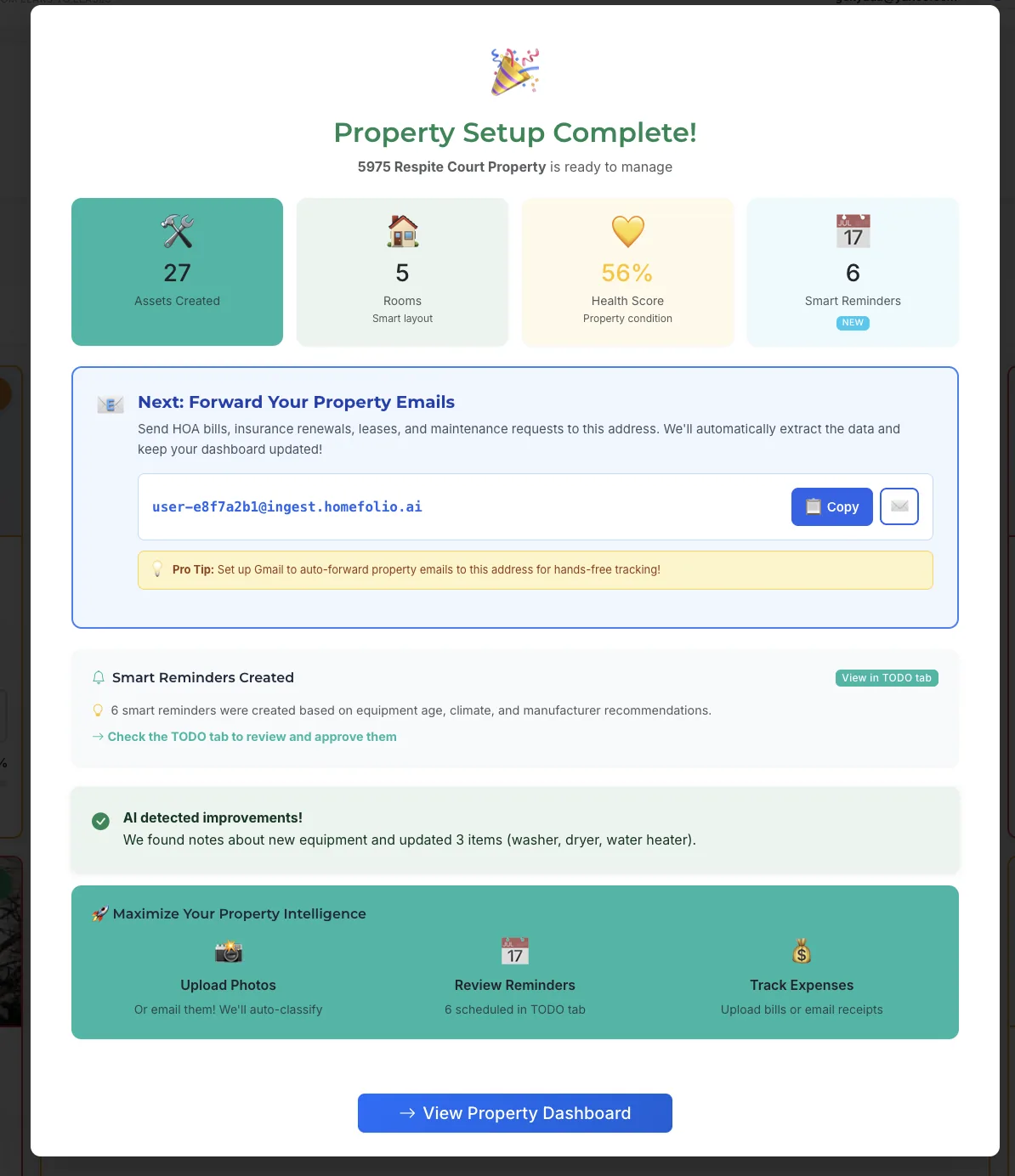
Homefolio AI ensures your warranty information is already there and connected to the right property, making it easy to reference when you need to file a claim. This tool can be a game-changer for maintaining your home's value and reducing stress when repairs are necessary. Learn more about Homefolio AI.

Routine maintenance is another critical factor. Many warranties require annual checks to remain valid. Keep records of these maintenance actions, as they can support your case if you need to file a claim. This proactive approach ensures you get the most out of your warranty.

FAQ: Common Questions About Appliance Warranties

What is typically covered under an appliance warranty?

Most appliance warranties cover defects in materials and workmanship. This includes parts and labor, but not external damage or misuse. Some warranties might cover specific high-cost components like compressors or motors, offering reassurance against common failures. Always review the warranty details to understand the full scope of coverage.

How long do appliance warranties usually last?

Manufacturer warranties typically last one year. Extended warranties can add anywhere from two to five additional years, depending on the provider and the appliance. The duration often reflects the appliance's expected lifespan, providing coverage during the most failure-prone years.

Can you transfer a warranty if you sell your home?

Some warranties are transferable, allowing the new homeowner to benefit from the remaining coverage. This can be a selling point, adding value to a home sale. Check with the warranty provider for specific terms, as transferability may require a small fee or additional paperwork.

Do extended warranties offer better protection?

Extended warranties can offer better protection by covering repairs after the initial manufacturer warranty expires. They can be beneficial for high-end appliances or those with a history of malfunctions. Balance the cost of the warranty with potential repair costs to determine if it's a worthwhile investment.

What should you do if a claim gets denied?

If a claim is denied, review the denial letter and your warranty's terms. Ensure all maintenance and usage rules were followed. Contact the warranty provider to discuss and resolve discrepancies. If necessary, escalate the issue or seek assistance from consumer protection agencies for further support.

Your Home's Records — Already There When You Need Them.

Warranties, receipts, maintenance history, and appliance details — connected to your property automatically.

Get Started Free →