Property Tips

Home Insurance & Natural Disasters: Avoid Costly Surprises

Home Insurance & Natural Disasters: Avoid Costly Surprises

The average American home has over $14,000 invested in appliances alone, yet most homeowners can't locate a single warranty document when disaster strikes. You might think your home insurance has you covered for all eventualities, but the truth is often more complicated. Let's dive into the intricacies of home insurance and natural disasters to help you sidestep financial pitfalls.

Why Most Homeowners Overpay After Disasters

After a natural disaster, homeowners often face uninsured expenses averaging around $8,000, according to industry data. That's a hefty sum to swallow when you already have other disaster-related stresses to manage. Many homeowners mistakenly believe their standard home insurance policies cover all types of natural disasters, but the reality is that most policies leave significant gaps.

The misconception that "one size fits all" in insurance coverage can lead to unwelcome surprises. Standard policies typically cover fire and theft but exclude other disasters like floods or earthquakes. Homeowners often pay out of pocket because they didn't realize their coverage was inadequate until it was too late. The key to avoiding this is understanding exactly what your policy covers.

One actionable tip is to conduct an immediate review of your current policy. Check the specifics on what disasters are covered and which aren't. If you live in an area prone to certain natural events—such as hurricanes in Florida or earthquakes in California—you may need to add additional coverage. Don't assume; verify.

Decoding Your Policy: What’s Actually Covered?

Understanding insurance jargon is essential to knowing what your policy covers. Terms like 'peril,' 'deductible,' and 'exclusions' aren't just for the adjusters—they're crucial for you. 'Peril' refers to the cause of the loss, like a fire or flood. Your 'deductible' is the out-of-pocket expense before coverage kicks in, and 'exclusions' are the disasters not covered by your standard policy.

Floods, earthquakes, and hurricanes each require specific types of coverage. Flood insurance is typically separate and administered by the National Flood Insurance Program (NFIP). Earthquake coverage is often an add-on, while hurricane insurance may require a higher deductible depending on your location. Studies suggest that only about 15% of homeowners have flood insurance, leaving many vulnerable to water damage.

A practical step to understanding your policy is to schedule a meeting with your insurance agent. Bring questions about what perils are covered and discuss any potential add-ons. Don’t let confusing language cause costly misunderstandings—clarify before calamity strikes.

How to Ensure You're Fully Protected

Customizing your policy to reflect regional risks can provide peace of mind. If you reside in an area prone to wildfires, adding wildfire coverage makes sense. Similarly, if hurricanes are a threat, check the specifics of wind damage coverage. Tailor your policy by considering local risk factors and past claims in your area.

Regular policy reviews are another critical step to ensure you're adequately covered. Homeowners should review their policies annually, especially after home improvements or changes in local climate conditions. Many insurers allow adjustments without penalty, giving you flexibility as your needs evolve.

Incorporate a calendar reminder for your annual policy review. During this review, evaluate any changes in your risk profile and adjust coverage types and amounts accordingly. An hour spent on review could save you thousands in uncovered damages later.

The Role of Home Maintenance in Insurance Claims

Documenting home maintenance is crucial for successful insurance claims. Your insurer may require evidence of regular upkeep to approve a claim. For instance, if a roof leaks during a storm, proof of recent inspections and repairs can expedite claim approval and payout.

Neglecting maintenance can void your coverage. Say your gutters are clogged, causing water damage. An insurer could deny your claim, citing neglect as the root cause. Regular maintenance not only keeps your home in good shape but also strengthens your position in the event of a claim.

To support claims, maintain a digital folder with photos and receipts of home maintenance activities. This documentation can be your best ally when negotiating with an insurance adjuster after a disaster.

Using Home Records to Maximize Your Claim

Keeping thorough records is vital for maximizing insurance claims. Receipts, photos, and maintenance history serve as evidence of your home's condition and your investment in its upkeep. Without these, your claim could be significantly reduced or denied altogether.

Consider the case of a homeowner who successfully claimed full compensation for storm damage. Their secret? Detailed records and photos of the property before and after the incident, showcasing their proactive maintenance efforts.

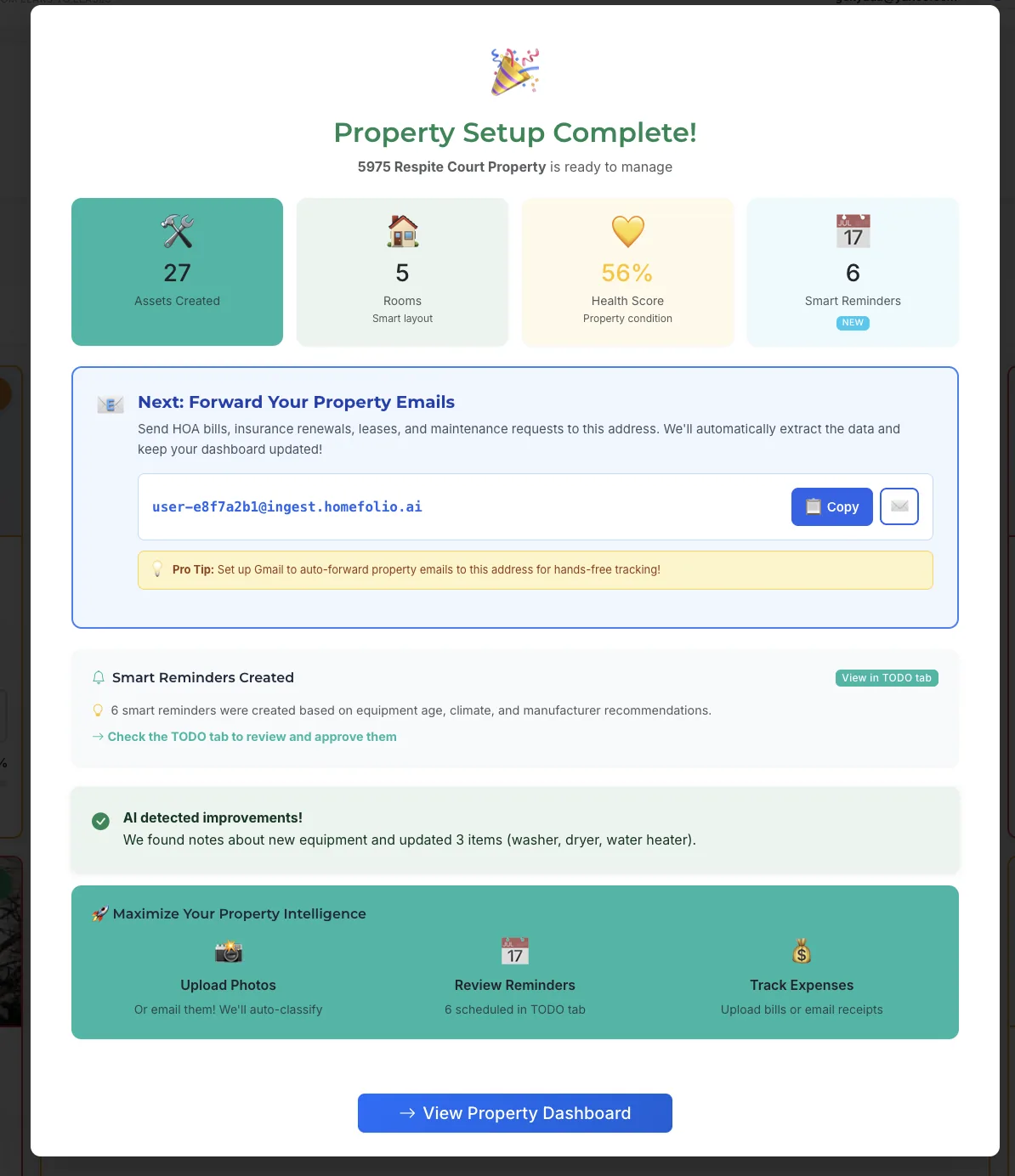
With Homefolio AI, your home’s receipts and maintenance history are already there, connected to the right property, ensuring you have everything you need for a successful insurance claim. This tool ensures your home’s information is in one place, ready when disaster strikes.

FAQs About Home Insurance and Natural Disasters

Does home insurance cover all-natural disasters?

No, standard home insurance policies do not cover all-natural disasters. Typically, they cover events like fire and theft but exclude specific disasters such as floods and earthquakes. It’s essential to check your policy and consider additional coverage for risks specific to your area.

What should I do immediately after a disaster strikes?

After ensuring your safety, document the damage with photos and videos. Notify your insurance company as soon as possible to start the claims process. Keep all receipts and records of temporary repairs to support your claim. Quick action can significantly affect the outcome of your claim.

How can I lower my premium while maintaining coverage?

Consider increasing your deductible to lower your premium costs. Bundling home and auto insurance with the same provider can also offer discounts. Regularly reviewing and adjusting your policy can help you find the right balance between cost and coverage.

What if my home is in a high-risk area?

If your home is in a high-risk area, specialized insurance may be necessary. For instance, flood insurance is essential in flood-prone zones. Contact your insurer to discuss add-ons tailored to your location’s specific risks and look into government programs that may offer additional coverage options.

Can neglect affect my insurance claim?

Yes, neglect can significantly impact your insurance claim. Insurers may deny claims if they determine that neglect contributed to the damage. Regular maintenance and documentation are crucial to proving that the damage was not due to negligence but rather an unforeseen event.

Your Home's Records — Already There When You Need Them.

Warranties, receipts, maintenance history, and appliance details — connected to your property automatically.

Get Started Free →