Property Tips

The Hidden Costs of Overpaying for Home Insurance

The Hidden Costs of Overpaying for Home Insurance

According to home insurance data, Americans overpay by an average of $1,000 per year on their home insurance policies. That’s the equivalent of a top-of-the-line refrigerator just disappearing from your budget annually. It's a financial leak that can drown your savings over time if left unchecked. In this guide, we’ll explore the hidden costs of overpaying for home insurance and how you can find affordable coverage without compromising on protection.

The Price of Ignoring Home Insurance Savings

Imagine every time you ignored a chance to save $100, it cost you $1,000 over the next decade. That's the reality when it comes to home insurance. Small premium savings accumulate faster than you might think. According to industry data, a mere 5% reduction in premiums can compound into nearly $5,000 saved over ten years. So, the next time you skip shopping around for quotes, remember, it's not just a drop in the bucket; it's a financial deluge.

Your long-term financial health is at stake. By reallocating the funds you save from a more affordable insurance policy, you could contribute to a high-yield savings account or invest in home improvements that further increase your property value. Ignoring insurance savings is akin to ignoring your future financial stability—which, let's face it, is as reckless as leaving your front door unlocked.

To capitalize on these savings, start by setting a reminder to review your insurance policy annually. This small step can keep the savings steady and prevent unnecessary overspending. After all, why pay more when you can pay less for the same protection?

Understanding What Affects Your Home Insurance Premiums

Home insurance premiums aren’t just pulled out of a hat. They're calculated based on several key factors, including your home's location, age, and construction materials. For instance, homes located in areas prone to natural disasters tend to have higher premiums. A study suggests that homes in high-risk flood zones pay up to 20% more in premiums.

Your home's features also play a significant role. A new roof might lower your rates, while a backyard pool can increase them. Insurance companies assess risk as if they were an overprotective parent—always assuming the worst-case scenario. Therefore, knowing the specific factors that affect your rates allows you to make informed decisions about potential home improvements.

One actionable tip is to evaluate the safety features of your home. Installing smoke detectors, security systems, or storm shutters can lead to significant discounts on your premium. Contact your insurer to understand what modifications can make the biggest difference in your specific area.

Smart Strategies to Lower Your Home Insurance Costs

If you’re not bundling your insurance policies yet, you might as well be leaving money on the table. Combining your home and auto insurance with the same provider often results in discounts ranging from 5% to 15%. It’s like grocery shopping—buying in bulk saves you money.

Another strategy is to improve your home’s safety features. Installing robust security systems, smoke detectors, or even a modern sprinkler system can lower your insurance costs. Studies show that homes with advanced security systems see a reduction of up to 20% in their premiums. It’s a win-win: increased safety and decreased costs.

Take control by contacting multiple insurance providers to explore bundling options or inquire about discounts for safety features. It’s a practical step that can yield substantial savings, making your wallet—and your home—more secure.

How to Compare Home Insurance Quotes Effectively

Comparing home insurance quotes is a bit like finding the perfect pair of shoes—it takes time, but when you find the right fit, it’s worth it. Use online tools and resources such as insurance comparison websites to gather multiple quotes quickly. These platforms simplify the process, allowing you to compare apples to apples.

Understanding policy details before deciding is crucial. Pay close attention to the coverage limits, deductibles, and any exclusions. It's easy to get lured by a low premium, only to realize later that it comes with high deductibles or inadequate coverage. Be as thorough as a chef inspecting ingredients—every detail counts.

Before you seal the deal on a policy, read customer reviews and ratings. This research can reveal insights about the insurer’s claim process, customer service, and overall reliability, ensuring you make an informed choice.

The Advantages of Documenting Your Home's History

Maintaining a well-documented history of your home can be a game-changer for your insurance costs. Insurers love clarity, and a detailed record of improvements and repairs can demonstrate lower risk. This documentation can lead to reduced premiums as your home is perceived as well-maintained and less likely to incur claims.

Having home maintenance records ready is not just about bragging rights; it significantly eases the claims process. In times of need, presenting a comprehensive history can expedite your claim, ensuring you get the support you need when you need it most. Think of it as a resume for your house—complete and ready for inspection.

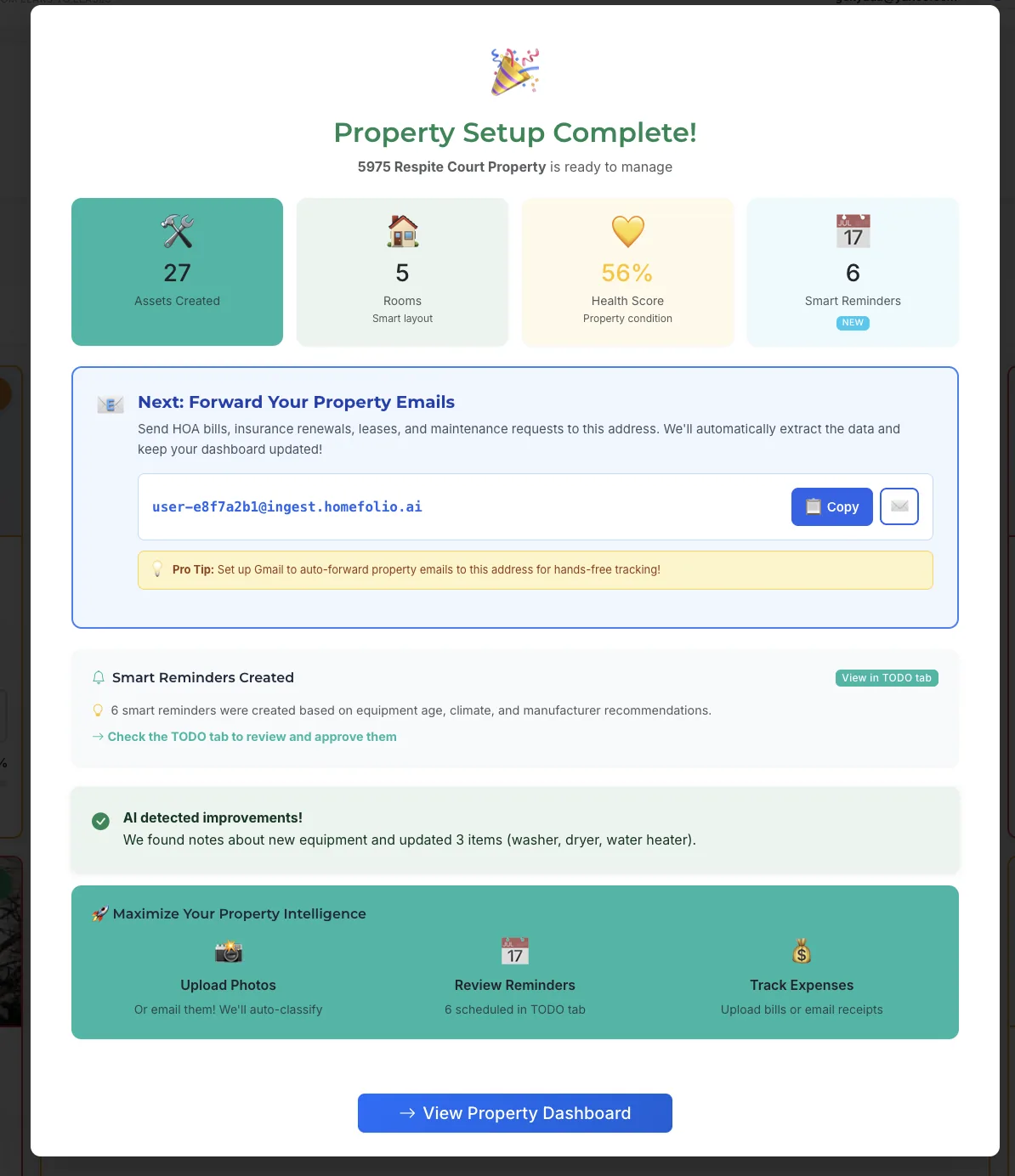
Here’s where Homefolio AI comes into play. With Homefolio AI, your home's documents and maintenance history are already there when needed, simplifying the process of reducing insurance costs and handling claims. Having your home's information in one place, ready, is invaluable for both regular reviews and emergencies.

FAQ: Home Insurance Questions Answered

How often should you review your policy?

Review your home insurance policy annually. Life changes—such as home renovations, changes in household size, or even local weather patterns—can impact your coverage needs. An annual review allows you to adjust your policy to reflect your current situation, ensuring you’re neither underinsured nor overpaying for unnecessary coverage.

What are the must-have coverages for homeowners?

Essential coverages include dwelling protection, personal property coverage, liability protection, and additional living expenses coverage. These coverages provide a safety net for various scenarios, from rebuilding after a fire to covering legal costs if someone sues after an accident on your property. Tailor these to your specific needs for optimal protection.

How can home renovations affect your insurance?

Home renovations can increase your property value, which may lead to higher insurance premiums. However, upgrades that improve home safety—such as updated electrical systems or new roofing—can potentially lower your rates. Always inform your insurer about significant renovations to ensure adequate coverage and explore possible discounts.

Is it worth increasing your deductible to lower premiums?

Increasing your deductible can lower your premiums, but it's a balancing act. Ensure you can afford the deductible in the event of a claim. A higher deductible means more out-of-pocket expenses upfront, so weigh the potential savings against the risk of having to pay more when something goes awry.

What documents should you have ready for a claim?

Have your insurance policy, a home inventory list, and any relevant maintenance records ready for a claim. Photos of your home and belongings can also be invaluable. These documents aid in verifying your claim, speeding up the process, and ensuring you receive fair compensation.

Your Home's Records — Already There When You Need Them.

Warranties, receipts, maintenance history, and appliance details — connected to your property automatically.

Get Started Free →