The Hidden Costs of Filing a Home Insurance Claim: Avoid Common Pitfalls
The average American home has $14,000 in appliances. Most homeowners can't find a single warranty document when they need it, and filing a home insurance claim can feel equally daunting. It's not just about getting reimbursed—it's about navigating a labyrinth of paperwork, adjuster visits, and potential premium hikes. According to home insurance data, post-claim premium increases can range from 10% to 30%. This article will guide you through the process of filing a claim efficiently and avoiding costly mistakes.
Why Filing a Claim Can Cost You More Than You Think
Filing a home insurance claim might seem like the logical move after damage occurs. However, it can lead to unexpected financial implications. Industry data shows that premiums often increase significantly after a claim is filed. This can range from a modest 10% increase to a staggering 30% hike, depending on the nature of the claim and the insurer's policies.
Common mistakes in the claims process can also lead to denials. Forgetting to document the damage thoroughly is a frequent error. Without proper documentation, insurers might deem the claim as unfounded. Another pitfall is filing claims for small damage incidents, which can still trigger a premium increase without delivering significant financial relief.
Before filing a claim, consider the long-term financial impact. Weigh the cost of repairs against the potential increase in your premiums. Sometimes, paying out-of-pocket for minor repairs might be the more economical choice in the long run.
Step-by-Step Guide to Filing a Home Insurance Claim
Notifying your insurer promptly is crucial. Start by contacting your insurance representative and providing a detailed description of the incident. Gather all relevant information, including the time, date, and nature of the damage. This initial step sets the stage for a smooth claims process.
Documenting the damage effectively can make or break your claim. Take clear photos and videos of the damage from multiple angles. Create an inventory of damaged items, noting their value and condition before the incident. This evidence is crucial when it comes to substantiating your claim.
Once the documentation is in place, submit your claim through the appropriate channels as outlined by your insurer. Keep copies of all correspondence and a record of any communication with your insurance company. This meticulous approach can prevent delays and disputes later in the process.
Essential Documents You Need for a Successful Claim
Having the right documents at your fingertips is essential for a successful claim. Keep a list of receipts for major purchases, such as appliances and electronics. Photos taken at the time of purchase can also be helpful. These documents prove ownership and value, which are key elements of your claim.
Home improvement records are another critical component. Maintain records of any renovations or repairs, including contracts and receipts. These not only add to the value of your claim but also provide a historical record of the property's condition and improvements.
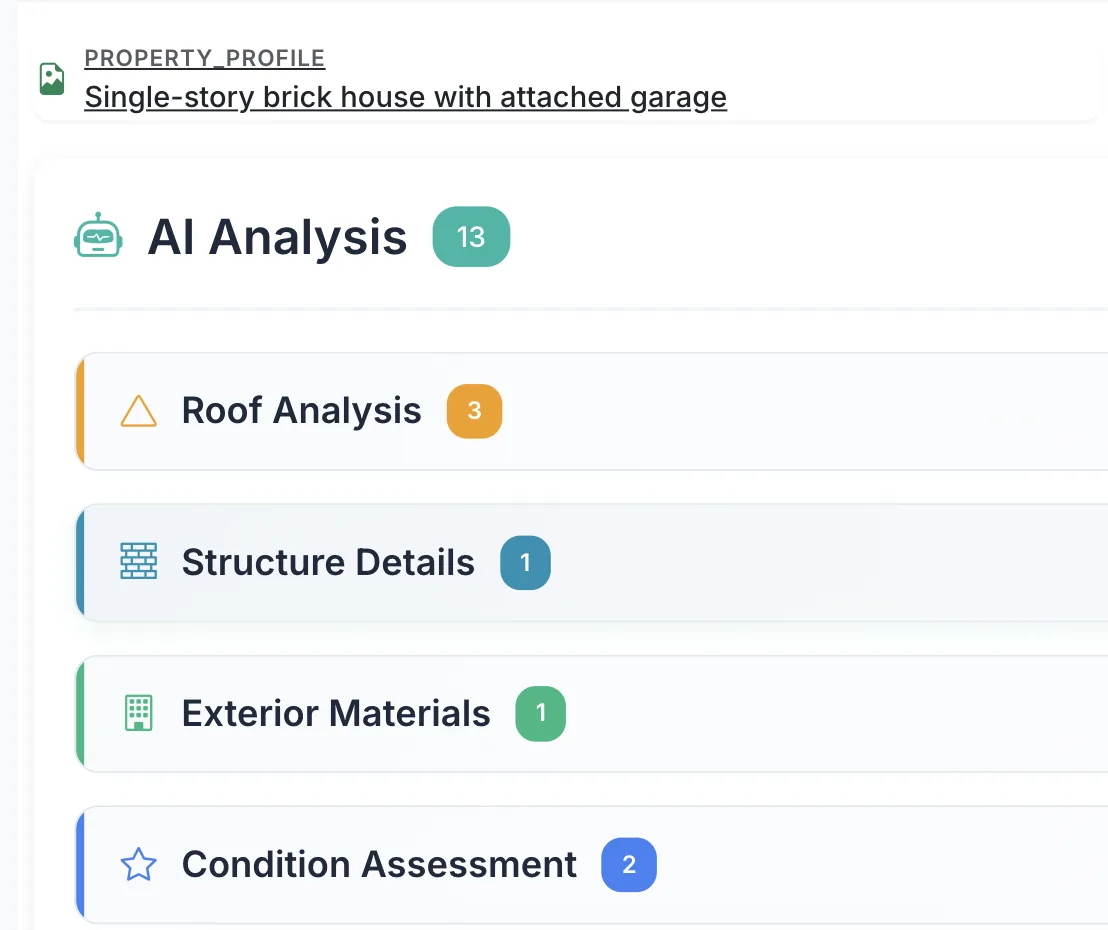
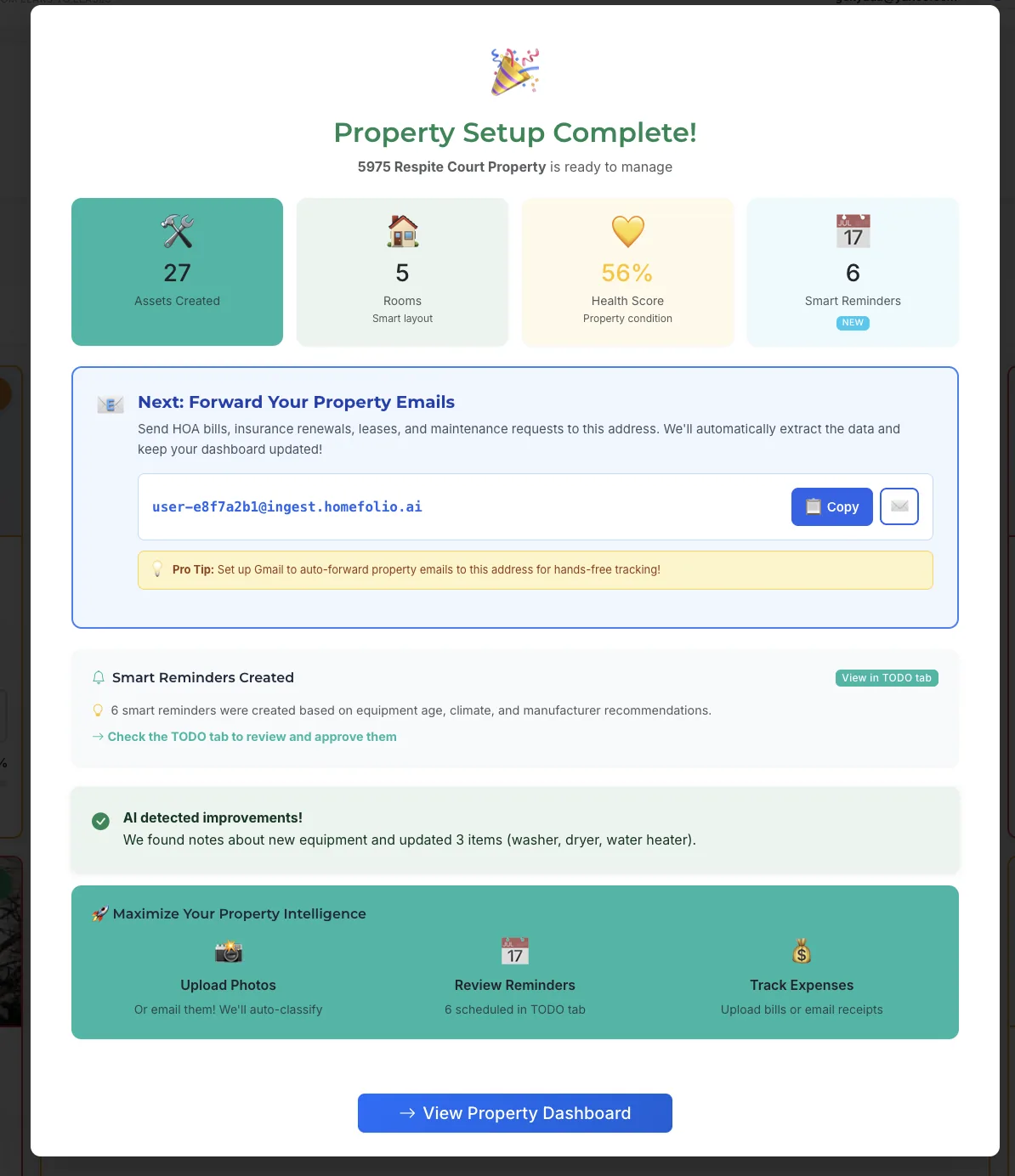
For a hassle-free experience, consider using Homefolio AI. This tool ensures that all your important documents like receipts and warranties are already there and connected to the right property, making the claims process smoother and stress-free. Visit Homefolio AI to learn more.
Navigating the Adjuster Visit: What to Expect
The adjuster's visit is a critical step in the claims process. Prepare by reviewing your documentation and having a clear understanding of the damage. Organize any receipts, photos, and records to present to the adjuster. This preparation demonstrates your diligence and can expedite the assessment.
Effective communication with your adjuster is key. Be clear and concise when describing the damage and how it occurred. Answer questions honestly and provide the documentation they require. A cooperative attitude can help foster a positive relationship and lead to a favorable outcome.
Expect the adjuster to conduct a thorough inspection. They will assess the damage and determine the cost of repairs. Be available to answer questions and provide additional information if needed. A proactive approach can help ensure the adjuster's report accurately reflects the situation.
When to Consider Professional Help in Your Claim
In some cases, hiring a public adjuster can be beneficial. These professionals advocate on your behalf, ensuring that you receive a fair settlement. They understand the intricacies of insurance policies and can navigate the claims process with expertise.
The cost of hiring a public adjuster typically ranges from 10% to 20% of the claim payout. Weigh this cost against the potential increase in your settlement. If your claim is complex or involves significant damage, professional help can be a worthwhile investment.
Consider the benefits against the cost. A public adjuster may help maximize your payout, but their fees could reduce the net amount you receive. Evaluate your specific situation to determine if professional assistance is the right choice for you.
FAQs About Home Insurance Claims
How long does it take to process a claim?
The time to process a claim can vary significantly based on the complexity of the claim and the efficiency of your insurance company. Typically, a claim can take anywhere from a few weeks to several months. It's crucial to stay in contact with your insurer and provide any additional information promptly to expedite the process.
What if my claim is denied?
If your claim is denied, request a detailed explanation from your insurer. Review the denial reasons carefully and gather any additional evidence or documentation that could support your case. You may appeal the decision through your insurer's formal process, and if necessary, consult with an attorney or a public adjuster for further assistance.
Can I file a claim for minor damages?
While you can file a claim for minor damages, it's important to consider the potential impact on your premiums. Filing multiple minor claims can lead to higher rates, so it might be more cost-effective to handle small repairs out-of-pocket. Assess the situation and consult with your insurer to make the best decision for your circumstances.
How does filing a claim affect my insurance rate?
Filing a claim can lead to an increase in your insurance premiums. The extent of the increase depends on factors such as the type of claim, the cost of the claim, and your insurance company's policies. Before filing, consider the claim amount and weigh it against potential future premium hikes to make an informed decision.
What if I don't have all the documents needed?
If you're missing some documents, contact your insurance company to discuss your options. They may accept alternative forms of evidence or provide guidance on how to proceed. For the future, consider using a service like Homefolio AI to ensure your necessary documents are connected to the right property and ready when needed.