Avoid $5,000 Losses: Essential Docs for Your Home Insurance Claim
The average homeowner invests over $200,000 in their property, yet many risk losing thousands due to missing documentation when filing insurance claims. According to industry data, a staggering 30% of home insurance claims face denial or reduction simply because essential documents are missing or incomplete. Don't be a statistic—arm yourself with the necessary paperwork to safeguard your investment.
The Cost of Missing Documentation: Real Homeowner Stories
Meet Karen, a homeowner from Ohio, who thought she had everything handled until a freak storm damaged her roof and flooded her basement. Her insurance claim of $8,000 was denied. Why? Incomplete documentation. Missing receipts for her basement improvements and the lack of a detailed inventory list left her footing the entire bill. Karen’s story isn’t unique; it’s an all-too-common tale of woe for homeowners.
Studies suggest that 40% of denied claims could have been approved if proper documentation had been provided. These numbers aren’t just statistics—they’re real losses hitting real people. Imagine the frustration of battling your insurer only to realize you’re missing some crucial paperwork. It’s like showing up to a sword fight with a butter knife.
Industry data shows that the average claim for property damage is over $15,000, yet claims without adequate documentation often see reductions of up to 50%. That’s a potential $7,500 loss simply because the right papers weren’t in order. Ensuring you have what’s needed can make the difference between a seamless claim process and a financial nightmare.
Key Documents Insurers Require for a Smooth Claim Process
To avoid the pitfalls of denied claims, start with a detailed inventory list. This list should include every major item in your home, complete with purchase receipts. Not only does this document prove ownership, but it also provides the replacement value of your items. Keep it updated—after all, last year’s purchase of that slick new fridge won’t magically appear on its own.
Another non-negotiable is photographic evidence. Take photos or videos of your property before and after any incident. Insurers want to see the damage in living color. This visual proof can be crucial when they assess the extent of the damage and decide on your claim's validity. A picture is worth a thousand words, and in this case, potentially thousands of dollars.
Don’t forget to include any official reports. A police report for theft or a fire department report for a blaze can lend significant weight to your claim. These documents serve as third-party verification, adding credibility and reducing any doubts your insurer might have.
Understanding Policy Details: What Your Insurer Expects
Your insurance policy is a multi-headed beast of fine print. Decoding it is not just advisable but essential. Start by understanding your coverage limits and exclusions. Does your policy cover water damage from a leaking roof? What about those antiques your grandmother left you? These specifics dictate what documentation you need.
Matching your documentation with your policy requirements is crucial. If your policy covers specific items or types of damage, ensure you have the corresponding paperwork ready. Cross-reference what’s in your policy with what you have in your files, and you might just save yourself a headache—or a hefty bill.
Finally, never underestimate the power of asking questions. Contact your insurance provider to clarify any uncertainties. A five-minute phone call could prevent a $5,000 mistake. Knowledge is power, especially when it comes to your biggest asset—your home.
Preparing Ahead: How to Ensure All Documents Are Ready
Creating a proactive documentation strategy isn’t just smart—it’s essential. Start by digitizing all your paperwork. Use a cloud service to store copies of receipts, inventory lists, and photos. This way, even if your home office meets an untimely demise, your documents won’t vanish into the ether.
Regular home maintenance records can be a lifesaver. Not only do they prove you’re a responsible homeowner, but they can also support your claim if damage occurs. Keep a log of service appointments, repairs, and upgrades. This paper trail can bolster your case should you ever need to file a claim.
Set calendar reminders to update your records every six months. Whether it’s adding new purchases to your inventory list or refreshing photographs, a biannual update ensures your documentation is current and ready when disaster strikes. Remember, the Boy Scouts’ motto applies here: Be prepared.
How Homefolio AI Ensures You're Always Prepared
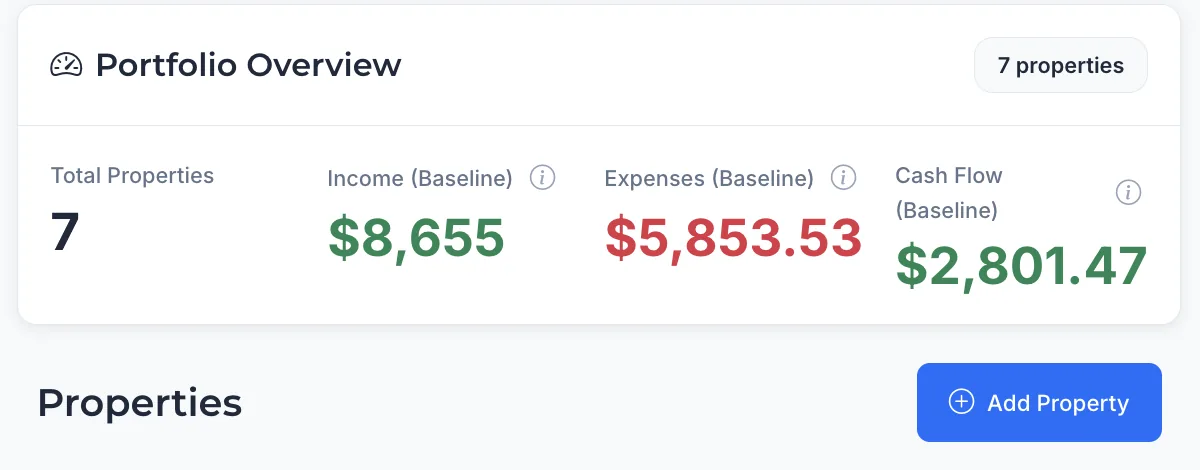
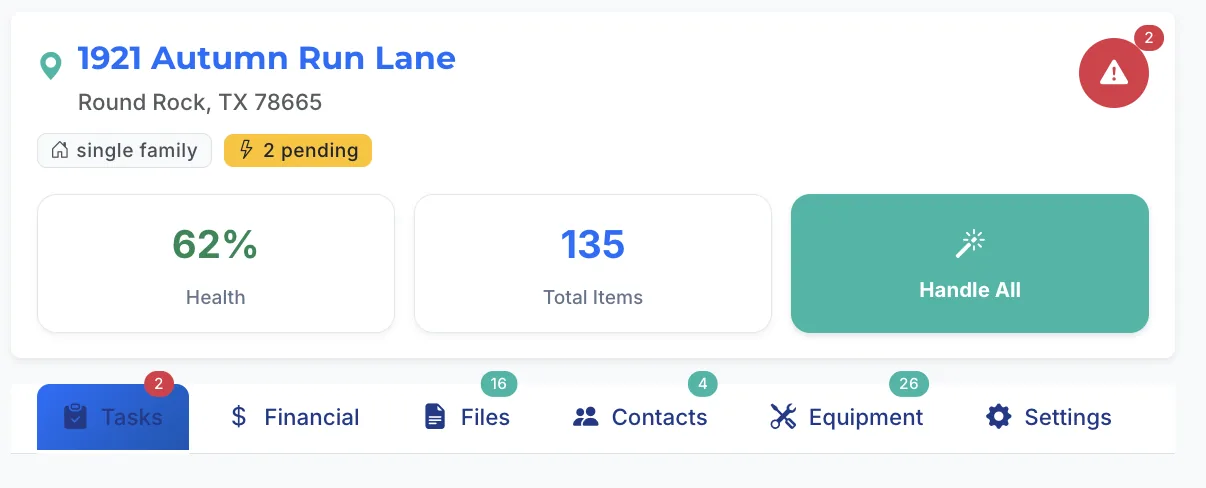
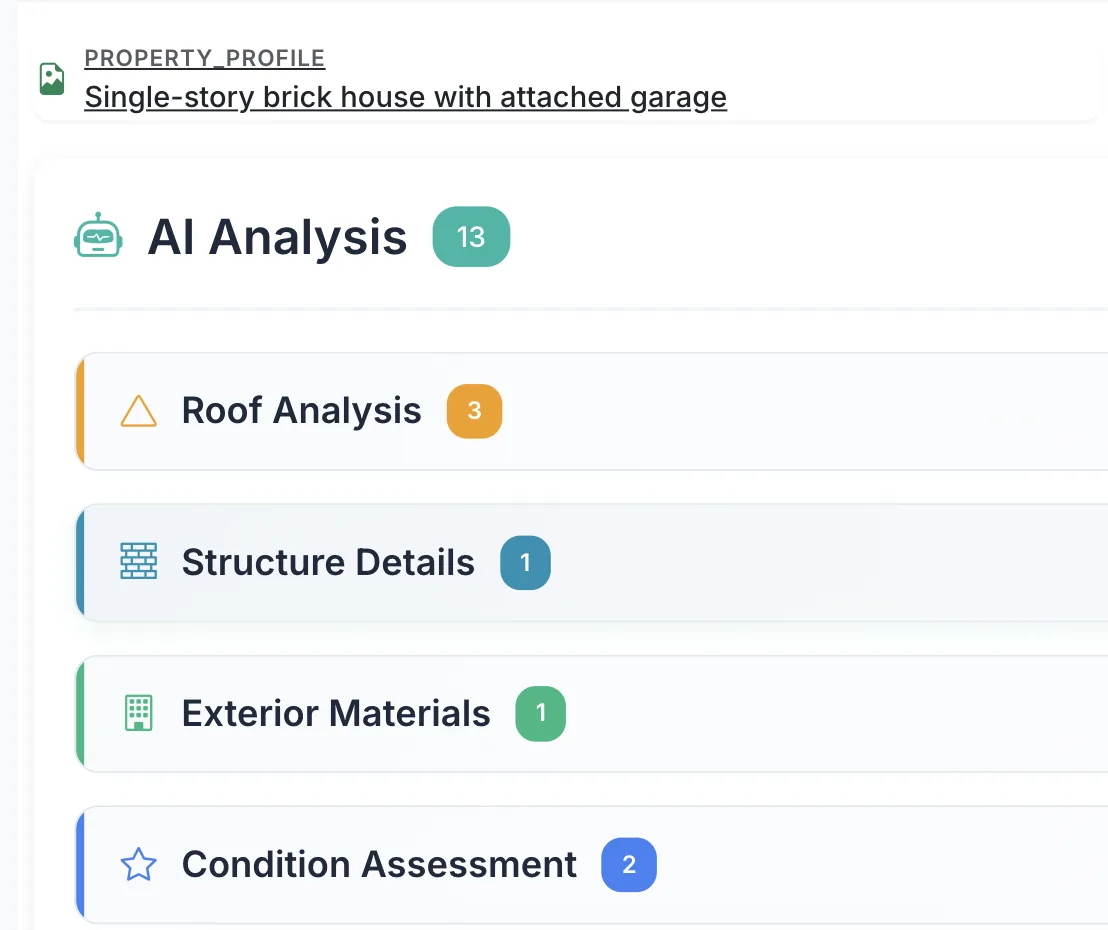
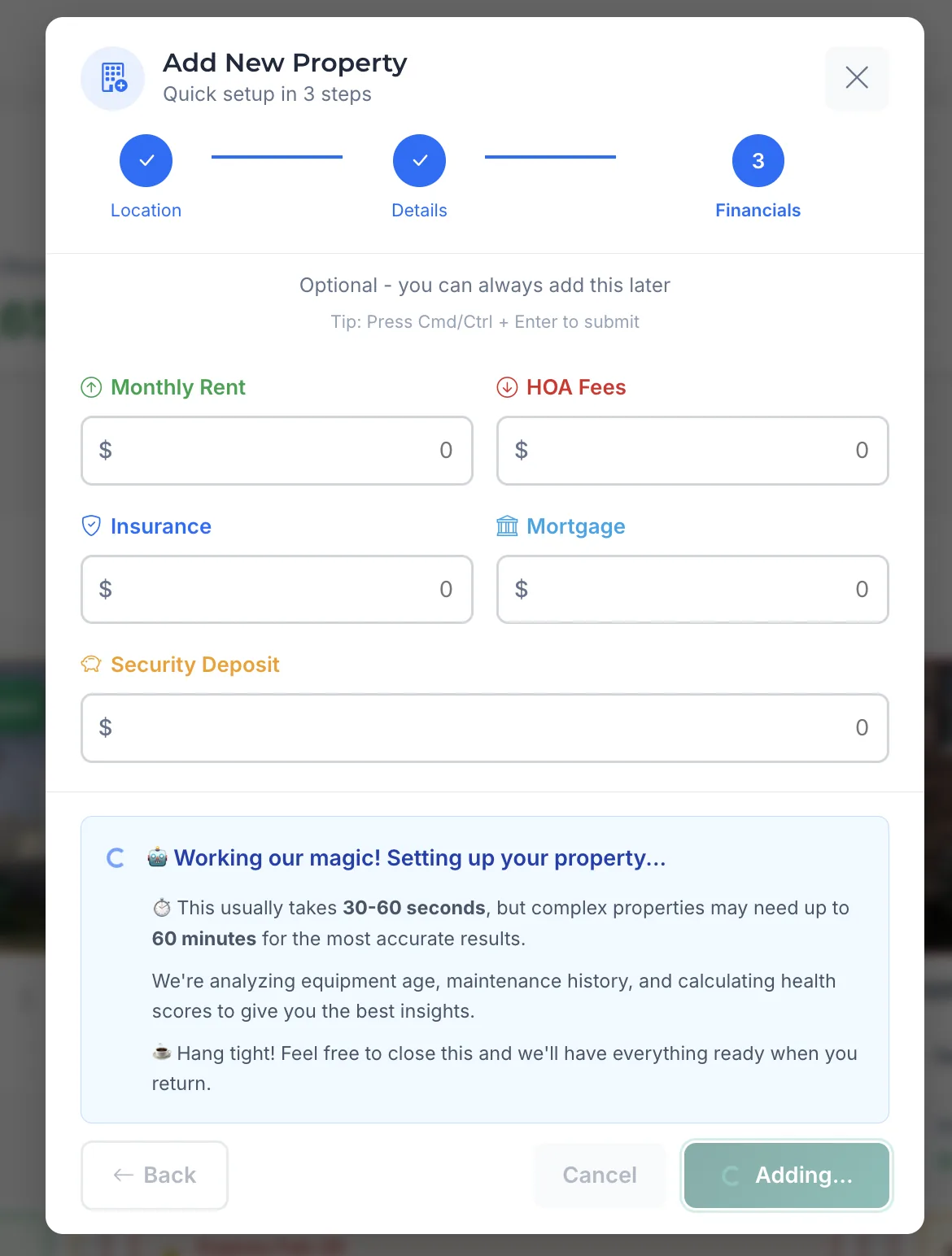
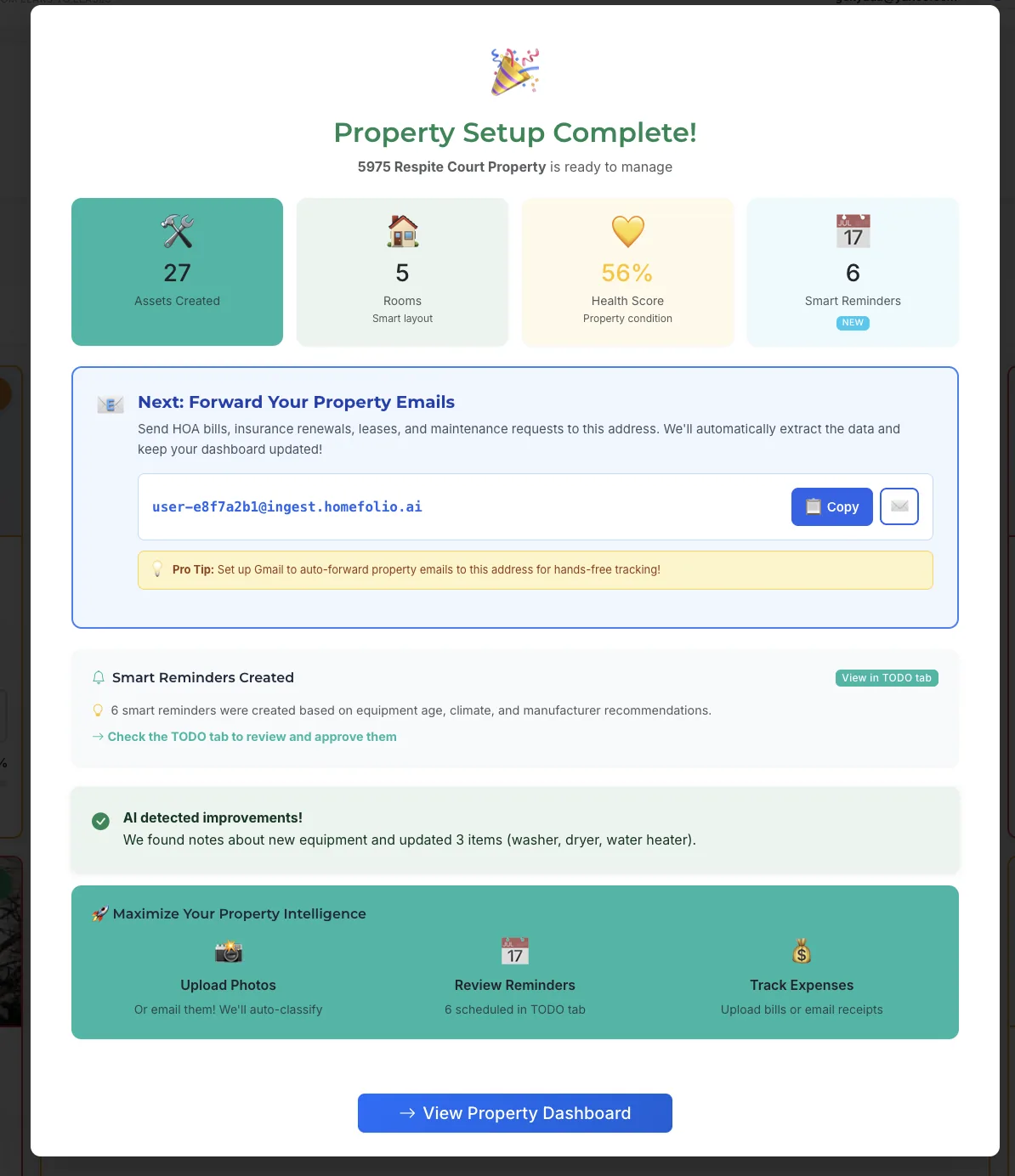
Enter Homefolio AI, your digital ally in homeownership. By ensuring all necessary documents are 'already there' and 'connected to the right property,' Homefolio AI helps you avoid the pitfalls of missing documentation. Your home’s information is in one place, ready—eliminating the chaos of last-minute scrambles. For more information, check out Homefolio AI.
Homefolio AI even integrates property connections to streamline the claims process. Imagine a world where your home’s history and documentation work together seamlessly, reducing the risk of costly claim denials. With Homefolio AI, that world is a reality—one where your documentation has your back when you need it most.
By handling your home’s information automatically, Homefolio AI ensures that you’re not just prepared, you’re proactive. This isn’t just a tool; it’s peace of mind in the digital age, offering a safety net for your most significant investment.
FAQs: Common Questions About Home Insurance Claims
What if I don't have receipts for my items?
If you lack receipts, don’t panic. Start by checking for credit card statements or bank records that might show the purchase. If those aren’t available, try to document the item's age and condition using photos. Many insurers will work with you if you can provide reasonable proof of ownership and value.
How often should I update my home inventory list?
Update your home inventory list every six months. This ensures that any new purchases or gifts are documented promptly. Regular updates prevent the headache of trying to remember everything you bought over an extended period, ensuring your records are accurate and complete.
Can digital copies of documents suffice?
Yes, digital copies are generally acceptable and often preferred for their convenience. Ensure the documents are clear and legible. Store them in a secure cloud service to prevent loss. Digital records also allow for easier updates and sharing with your insurer.
How do I prove ownership of expensive items?
Proving ownership of high-value items can involve a few steps. Start with purchase receipts and photos. For particularly valuable items, consider appraisals or certificates of authenticity. Keep these documents with your insurance records to ensure they’re at the ready if needed.
What should I do immediately after a loss occurs?
Immediately document the damage with photos or videos. Secure the property to prevent further loss. Contact your insurer as soon as possible to report the incident. Gather any documentation related to the loss, such as police or fire department reports, and start the claims process without delay.