Property Tips

Avoid Costly Mistakes: Best Ways to Organize Property Records

Avoid Costly Mistakes: Best Ways to Organize Property Records

The average American home has $14,000 in appliances. Most homeowners can't find a single warranty document. It's not just about keeping your warranty safe; disorganized property records can cost you thousands. Let's explore the best ways to avoid those expensive pitfalls.

The $10,000 Mistake of Poor Record Keeping

How many times have you misplaced a crucial document only to find it right when you don’t need it anymore? If you're not careful, losing track of property records can cost you—big time. Tax errors are no laughing matter, and the IRS isn't known for its sense of humor. Disorganized records can lead to filing mistakes, costing you up to $10,000 in penalties and lost deductions according to tax experts.

Home resale value is another area that suffers when your records aren’t up to snuff. Incomplete documentation can devalue your home by up to 20%, making potential buyers wary. Industry data shows that homes with complete records sell faster and at higher prices. Imagine trying to justify your asking price without proof of that roof replacement—good luck with that.

To avoid these costly mistakes, start with a simple plan: gather, organize, and maintain. Once you've got that down, you’re not just safeguarding your home’s value—you’re also making your life a whole lot easier. Keep reading to find out how to get it right.

Digital vs. Physical: Choosing the Right Storage Method

When it comes to storing your property records, you're faced with a choice: digital or physical. Each has its pros and cons. Physical records are tangible and instantly accessible, but they can also be lost to fire, theft, or just plain forgetfulness. On the other hand, digital records offer convenience and accessibility from anywhere, but they rely on technology that can fail.

If you're leaning towards digital, transitioning doesn’t have to be daunting. Start by scanning your most important documents—think renovation receipts and appliance warranties. Store them using cloud services with multi-factor authentication for added security. Industry data suggests that digital records reduce the time spent on tax preparation by 50%.

For those who prefer the old-school method, invest in a robust filing cabinet and a safe. Color-coded folders can help you quickly find what you need. Just make sure you have digital backups of the most critical documents. This hybrid approach ensures you're covered no matter what.

Essential Records Every Homeowner Needs to Keep

If you think a few crumpled receipts and a stack of old utility bills are enough to keep your home in order, think again. Every homeowner should keep detailed records of major renovations and improvements. A new roof, kitchen remodel, or even a new HVAC system can significantly increase your home's value—but only if you have the receipts to prove it.

Appliance receipts and warranties are equally important. The average lifespan of a home appliance is about 10 years, but without proof of purchase or warranty, you might as well be on your own when something breaks. Studies suggest that having your warranty information readily available can save you up to 20% on repair costs.

So, what's the best way to keep these records? A simple binder or a meticulously organized digital folder can do wonders. Label everything clearly and review your records annually to ensure that they’re comprehensive and up-to-date.

Creating a Home Maintenance Log for Future Savings

A home maintenance log isn't just for the obsessively organized homeowner—it's an essential tool for anyone who wants to stave off unexpected expenses. By keeping track of routine maintenance tasks, you can prevent minor issues from ballooning into major repairs. According to home insurance data, a well-maintained home can save you up to 30% on repair costs over its lifetime.

Start by noting every repair, maintenance task, and upgrade. Include dates, costs, and any contractor information. This not only provides a clear history for future reference but also serves as a valuable asset when selling your home. Buyers love details—they’re like candy to them.

Consistency is key. Whether you prefer a digital app or a trusty notebook, the aim is to be thorough and regular in your updates. Consider setting reminders for recurring tasks like gutter cleaning or HVAC servicing to keep things running smoothly.

Simplifying Tax and Insurance Documentation

Come tax season, having your documents in order can mean the difference between a smooth process and a tax-time nightmare. Organize your records by year and type, making them easy to access when you need them. Not only does this save you time, but it also ensures you won't miss out on eligible deductions.

Insurance claims are another area where detailed documentation is crucial. From home insurance to flood insurance, having before-and-after photos, receipts, and detailed descriptions of your belongings can make the claims process far less painful. Studies show that well-documented claims are processed up to 50% faster.

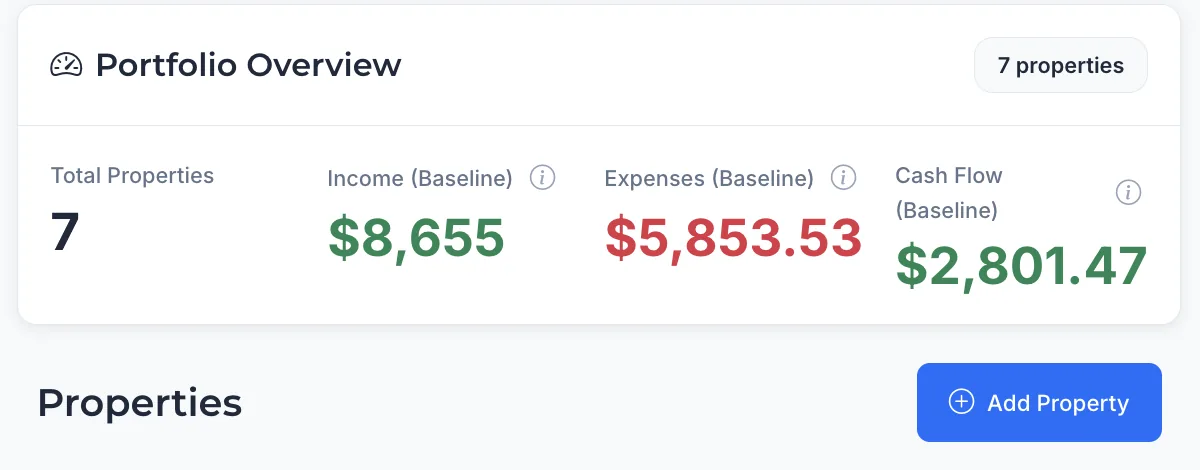
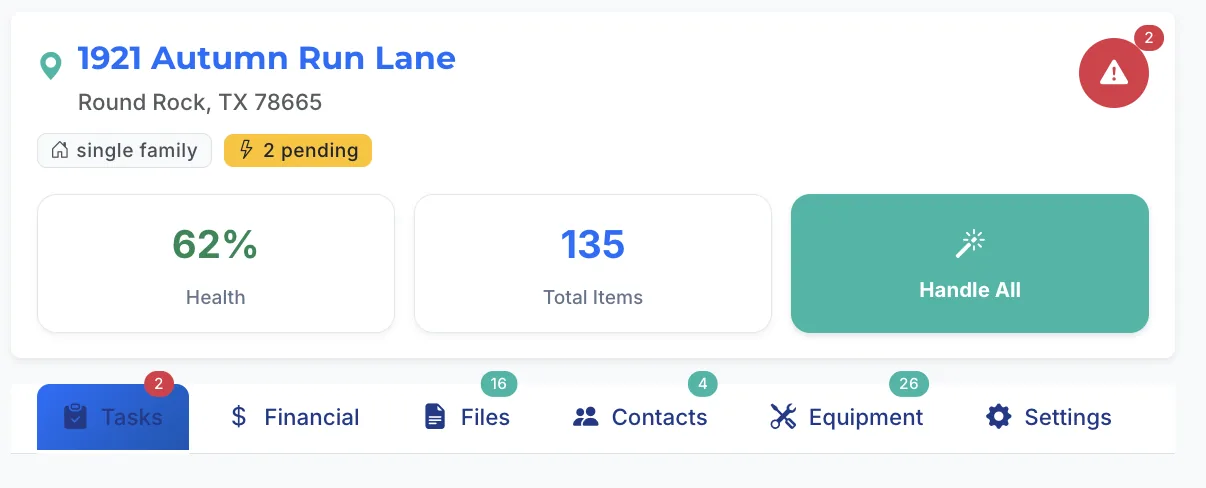
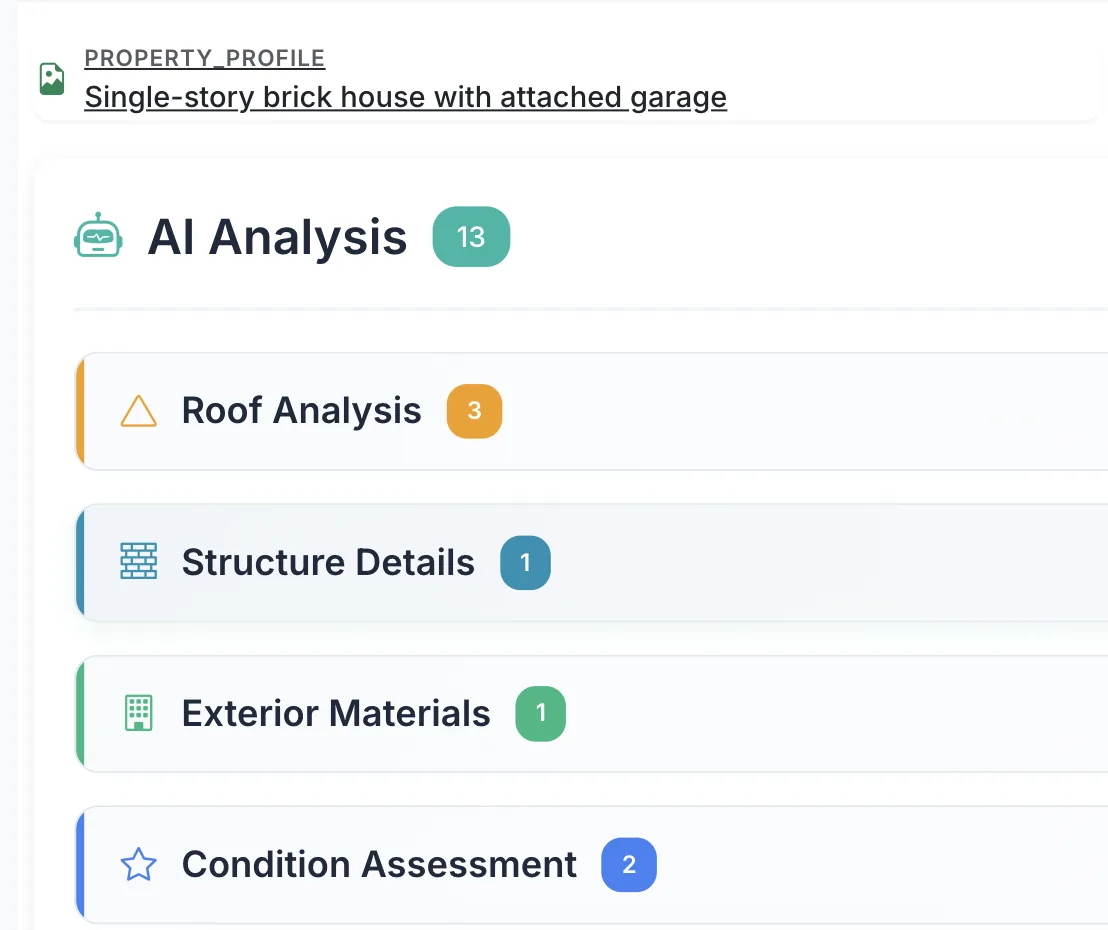
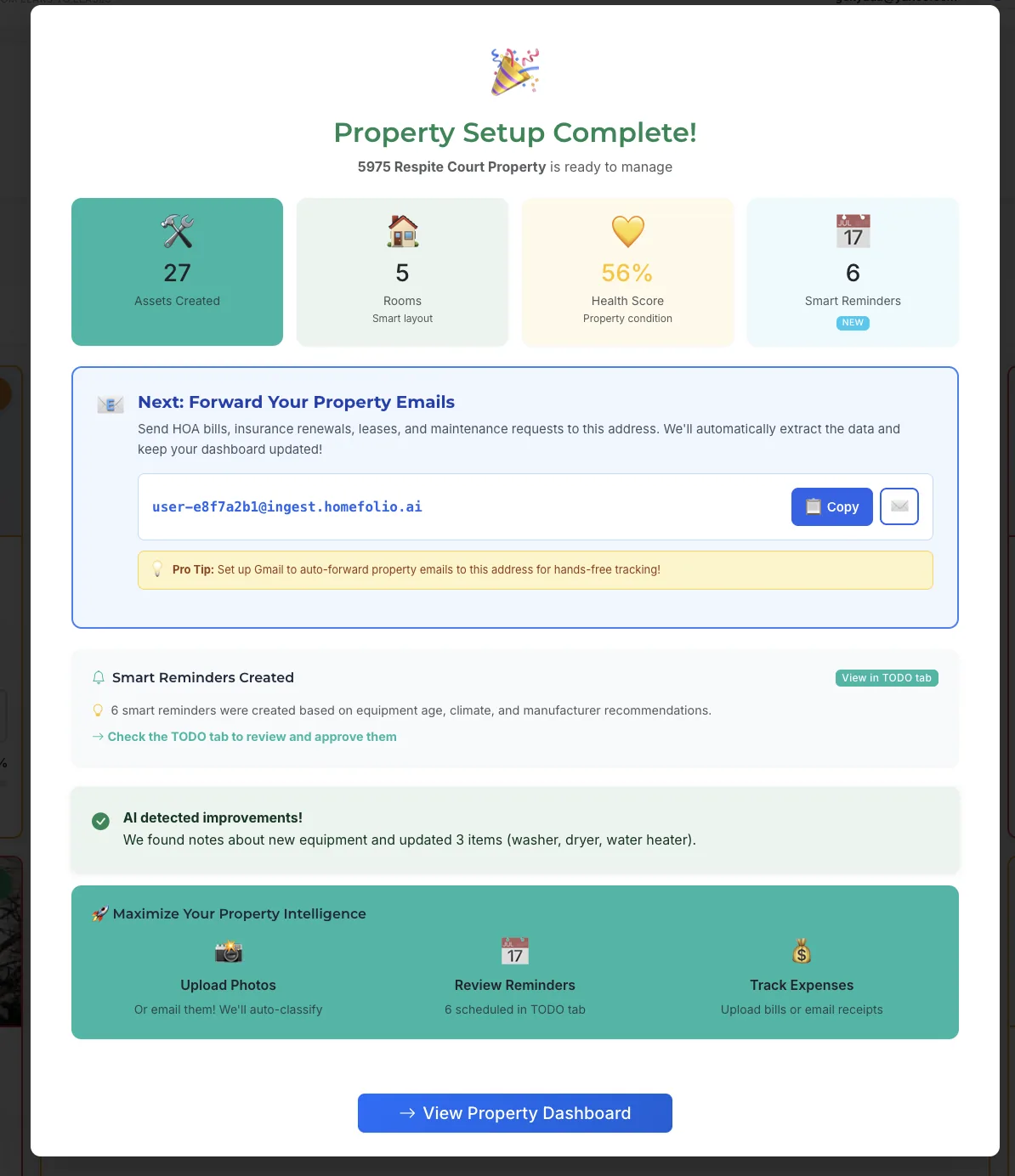
For seamless access, consider Homefolio AI. With Homefolio AI, your tax and insurance records are already there when you need them, connected to the right property and handled automatically. Check them out at https://homefolio.ai.

FAQ: Organizing Property Records

What are the most important home records to keep?

The most critical records include property deeds, mortgage paperwork, renovation receipts, appliance warranties, and any records related to home repairs and improvements. These documents not only help maintain your property's value but also assist in tax prep and insurance claims.

How long should I keep property records?

Generally, you should keep property records as long as you own the home, and in some cases, even longer. Tax-related documents should be kept for at least three to seven years, but significant paperwork like deeds and titles should be kept indefinitely.

What happens if I lose important home documents?

If you lose a critical document, contact the issuing authority for a replacement copy. Many documents, such as deeds and titles, can be reissued for a fee. Keep digital backups and a secure filing system to prevent future losses.

Can digital records be used for legal purposes?

Yes, digital records can be used legally, provided they are clear, accurate, and complete. Many courts accept digital copies as evidence, but it's crucial to ensure they are stored securely to prevent tampering or data loss.

How can I ensure my records are secure?

For digital records, use cloud services with encryption and multi-factor authentication. For physical records, a fireproof safe or a secure filing cabinet is advisable. Regularly update passwords and back up digital files to prevent data loss.

Your Home's Records — Already There When You Need Them.

Warranties, receipts, maintenance history, and appliance details — connected to your property automatically.

Get Started Free →