Unlocking Profit: When is the Best Time to Sell Your Home?
The Costly Mistake of Selling at the Wrong Time
The housing market can be as unpredictable as a Midwestern thunderstorm. But studies suggest that selling your home at the wrong time can cost you up to 10% of your home's value. That’s like watching $30,000 fly away on a $300,000 home just because you mistimed the market. Timing is everything, and homeowners need to be as strategic as a chess player when deciding to sell.
Seasonal market fluctuations play a significant role in determining the selling price. According to industry data, homes listed in the spring typically sell faster and for higher prices. The National Association of Realtors reports that homes sold during May typically sell for 5.9% more than those sold during January. If you've ever watched the market ebb and flow, you know there's a rhythm to the madness.
Understanding these fluctuations is akin to having a winning lottery ticket. You may not be able to control the market, but you can certainly align your sale with favorable conditions. The reward? A potentially higher selling price without any additional investment in renovations or marketing. Timing your sale to catch the wave just right could mean the difference between a missed opportunity and a lucrative sale.
Seasonal Trends: Timing Your Sale for Maximum Profit
Spring is the darling of the home selling seasons, often touted as the best time to sell your home. With warmer weather, blooming flowers, and the uplifting spirit of renewal, spring sees the highest number of buyers actively searching for homes. The increased competition among buyers often leads to higher offers and quicker sales. It's a time when everyone wants a fresh start, and your home could be the key to their new beginning.
However, selling in winter isn’t necessarily a bad idea. Sure, the days are colder and shorter, but that can work to your advantage. With fewer homes on the market, your property stands out more. Plus, winter buyers are often more serious, having braved the elements to find the perfect home. It’s like the difference between a casual browser and a determined shopper on Black Friday.
For those eyeing the spring market, start prepping your home in the winter months. Tackle those touch-up paint jobs, declutter, and consider a pre-listing inspection. You want to be ready to go as soon as the first daffodils peek through the snow. Conversely, if you're selling in winter, highlight your home's cozy attributes and ensure the heating system is in top shape. A warm, inviting home can be as comforting as a hot cocoa on a snowy day.
Market Conditions: Reading the Signs
Your local market is like a living organism with its own unique heartbeat and rhythm. Understanding it is crucial. Look at housing inventory levels—if inventory is low, it's a seller's market, which means higher prices and quicker sales. Dive into local housing reports, attend town meetings, and speak with local real estate agents to get a pulse on the market.
Interest rates play a pivotal role in the housing market. When rates are low, buyers can afford more expensive homes, which can drive up your selling price. However, when rates rise, buyer budgets tighten, potentially lowering your asking price. Keep an eye on Federal Reserve announcements and economic forecasts to anticipate interest rate changes.
To read your local market effectively, consider using online real estate platforms to track pricing trends and average days on market for homes similar to yours. These insights will guide your pricing strategy and help you decide the best month to list. By aligning your sale with favorable market conditions, you put yourself in the best position to maximize your profit.
Personal Circumstances: When to Prioritize Your Situation
Life is unpredictable. Job changes, family expansions, or health issues might necessitate a move regardless of market conditions. Balancing these personal circumstances with market timing can be tricky, but not impossible. It's crucial to evaluate how these events impact your timeline and financial needs.
If you’re dealing with a job relocation, for example, you might not have the luxury of waiting for the spring market. In such cases, focus on presenting your home in the best possible light and price it competitively. Life events might also present opportunities—empty-nesters downsizing might benefit from the equity built up and the current market conditions.
Leverage your unique situation strategically. If you're not in a rush, consider renting your property until market conditions improve. This can generate income while giving you flexibility. On the other hand, if you need to sell quickly, prioritize speed and convenience over maximizing profit. Tailor your selling strategy to align with both your personal needs and market opportunities.
Preparing Your Home: Documentation Buyers Crave
Buyers today are savvy and information-hungry. They want to know every detail about the home they’re considering. Essential documents include recent property tax statements, utility bills, HOA regulations, and a list of recent upgrades and renovations. Having these readily available not only builds trust but also expedites the sale process.
Showcasing maintenance and upgrades is vital. A well-documented history of repairs and improvements can be the make-or-break factor for a potential buyer. Highlight energy-efficient installations, roof replacements, or HVAC updates. A buyer who knows they won't need to replace a roof in the next five years is more likely to make a stronger offer.
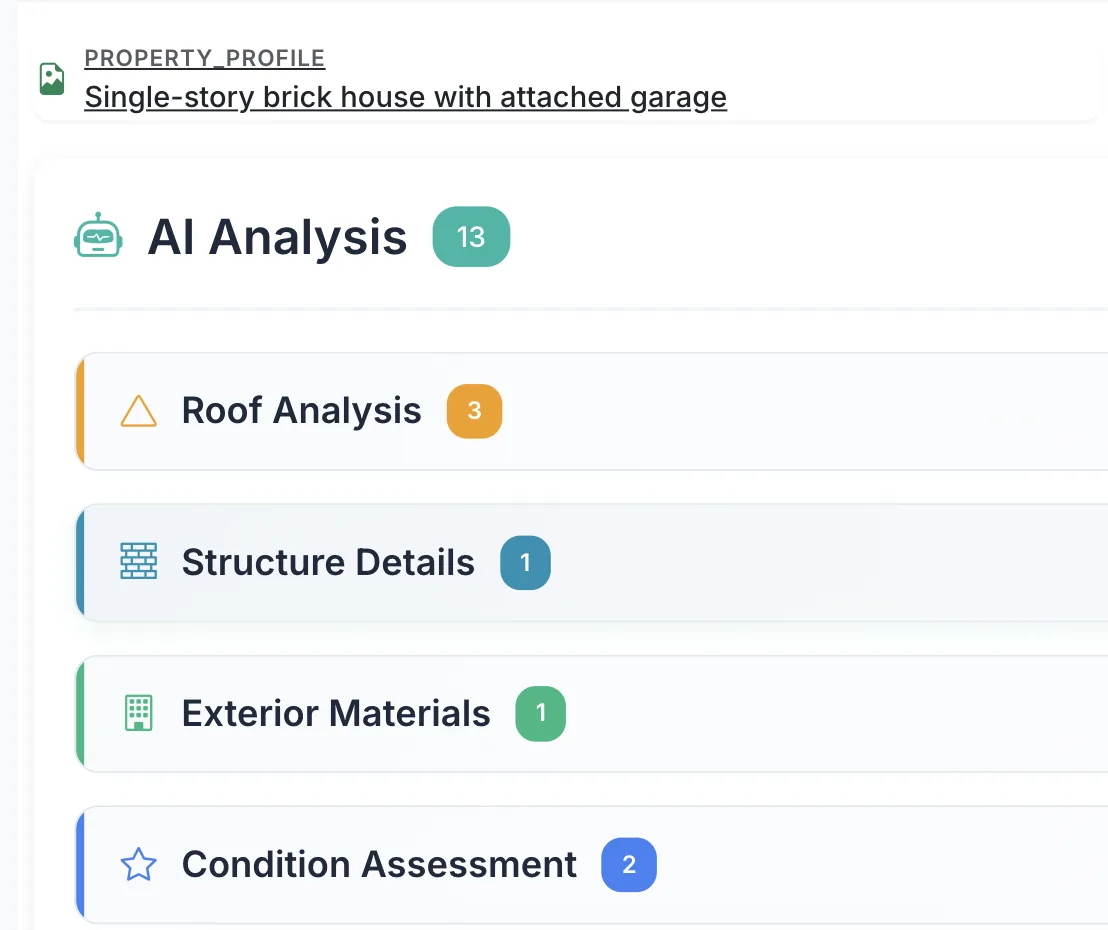
Consider using Homefolio AI to keep your home's documentation already there when you need it, connected to the right property. This not only makes the selling process smoother but also more appealing to buyers. With everything in one place, ready, you can present a comprehensive picture of your home’s value and history. Learn more about Homefolio AI.
FAQs: Common Questions About Selling Timing
When is the best month to sell a house?
The best month to sell a house is often May. Real estate data shows that homes sold in May typically fetch higher prices. The weather is pleasant, buyers are more active, and the market is buzzing. However, this can vary by region and local market conditions, so it's essential to consider these factors as well.
How does selling in a buyer's market differ?
In a buyer's market, more homes are available than there are buyers, which can lead to lower selling prices and longer time on the market. Sellers should focus on making their home stand out with competitive pricing, curb appeal, and incentives like paying for closing costs. Patience and a solid marketing strategy are crucial in such conditions.
What role do interest rates play in timing a home sale?
Interest rates directly affect buyer purchasing power. When rates are low, buyers can afford more expensive homes, potentially pushing your selling price higher. Conversely, high rates can decrease buyer budgets, leading to lower offers. Keep an eye on economic forecasts to time your sale when rates are favorable.
How long does it typically take to sell a house?
The average time to sell a house can vary widely based on location and market conditions. Nationally, it takes about 65 days from listing to closing, but in hot markets, homes can sell within days. Price your home correctly, market it effectively, and be ready to negotiate to minimize the time on the market.
Is it better to sell before buying a new home?
Selling before buying can free up equity for your next purchase and reduce financial stress. However, it requires temporary housing arrangements. If you buy first, you have stability but may face financial overlap. Consider your financial situation, market conditions, and personal preferences when deciding the best approach.