Avoid the Top Open House Mistakes: Organize Like a Pro
The average American home contains over $14,000 worth of appliances, yet most homeowners can't locate a single warranty document when disaster strikes. If that sounds familiar, imagine the chaos of organizing an open house. But fear not—well-prepared homeowners can transform this task into a seamless, rewarding experience.
The Costly Consequences of a Poorly Organized Open House
When it comes to open houses, first impressions are everything. According to the National Association of Realtors, 76% of buyers say they form an opinion about a home within the first few minutes of viewing it. A poorly organized event can cost you thousands by turning potential buyers away before they even take a step inside.
Consider the cautionary tale of a homeowner who failed to declutter before their open house. The result? Attendees felt cramped and overwhelmed, leading to zero offers. Another horror story involves a homeowner who forgot to prepare any informative materials, leaving potential buyers with more questions than answers. These are mistakes you can't afford to make.
To avoid these pitfalls, you must approach your open house with the precision of a master chef preparing a five-star meal. Every detail matters, from the scent of freshly baked cookies to the arrangement of your living room furniture.
Essential Preparations Before Hosting
Creating a comprehensive checklist is your first line of defense against open house chaos. Start with basics: clean every nook and cranny, declutter spaces, and make minor repairs. Add personal touches like fresh flowers or a new welcome mat. According to industry data, homes that are well-staged can sell for 17% more than those that aren’t.
The timing of your open house is equally critical. Studies suggest that weekends, particularly Sundays, are prime time for open house events. Schedule yours between 1 PM and 4 PM—these hours yield the highest foot traffic. Avoid holiday weekends when potential buyers are likely out of town.
By structuring your preparations around these key elements, you'll set the stage for a successful event. Remember, a well-timed checklist is your best friend—don't underestimate its power.
Crafting an Inviting Atmosphere
The way you arrange your furniture can significantly impact how potential buyers perceive the space. Avoid blocking pathways and ensure each room feels spacious. Utilize mirrors to reflect light and make rooms appear larger. Strategic furniture placement isn’t just for aesthetics; it’s a psychological tool to help buyers envision living in your home.
Lighting can make or break your open house. Natural light is ideal, so open curtains and blinds. For rooms lacking ambient light, add lamps or update old fixtures. Studies show that well-lit homes are more appealing to buyers, often leading to quicker sales.
Decor, too, should evoke warmth and hominess. Opt for neutral colors and minimalistic decor to allow buyers to imagine their own belongings in the space. Fresh flowers and subtle fragrances can add an inviting touch, creating a sensory experience that lingers in a buyer's mind.
Effective Communication with Potential Buyers
In preparation for your open house, create informative brochures that highlight your home's best features. Include details like square footage, recent updates, and neighborhood highlights. According to real estate experts, well-prepared brochures can significantly influence a buyer's decision-making process.
Set up a sign-in sheet to track visitors. This not only helps you follow up with potential buyers but also adds a layer of security. Be prepared to answer common questions confidently—know your neighborhood stats and any recent upgrades or maintenance your home has undergone.
Good communication continues beyond the open house. A prompt follow-up with attendees can reinforce their interest and keep your property top-of-mind, increasing the likelihood of offers.
Leveraging Technology for a Seamless Experience
In today's digital age, technology is your ally. Use virtual tours to reach a wider audience, especially those unable to attend in person. Real estate studies show homes with virtual tours receive 5-10% more engagement from potential buyers.
During the open house, employ apps to gather feedback on what attendees liked or disliked. This data can guide future showings and refine your strategy. Additionally, digital sign-ins can streamline the follow-up process, ensuring no interested buyer slips through the cracks.
Remember, technology is not just an add-on—it's an integral part of a modern open house. Used wisely, it can transform your event from good to great.
Homefolio AI: Ensuring Your Home's Details Are Connected
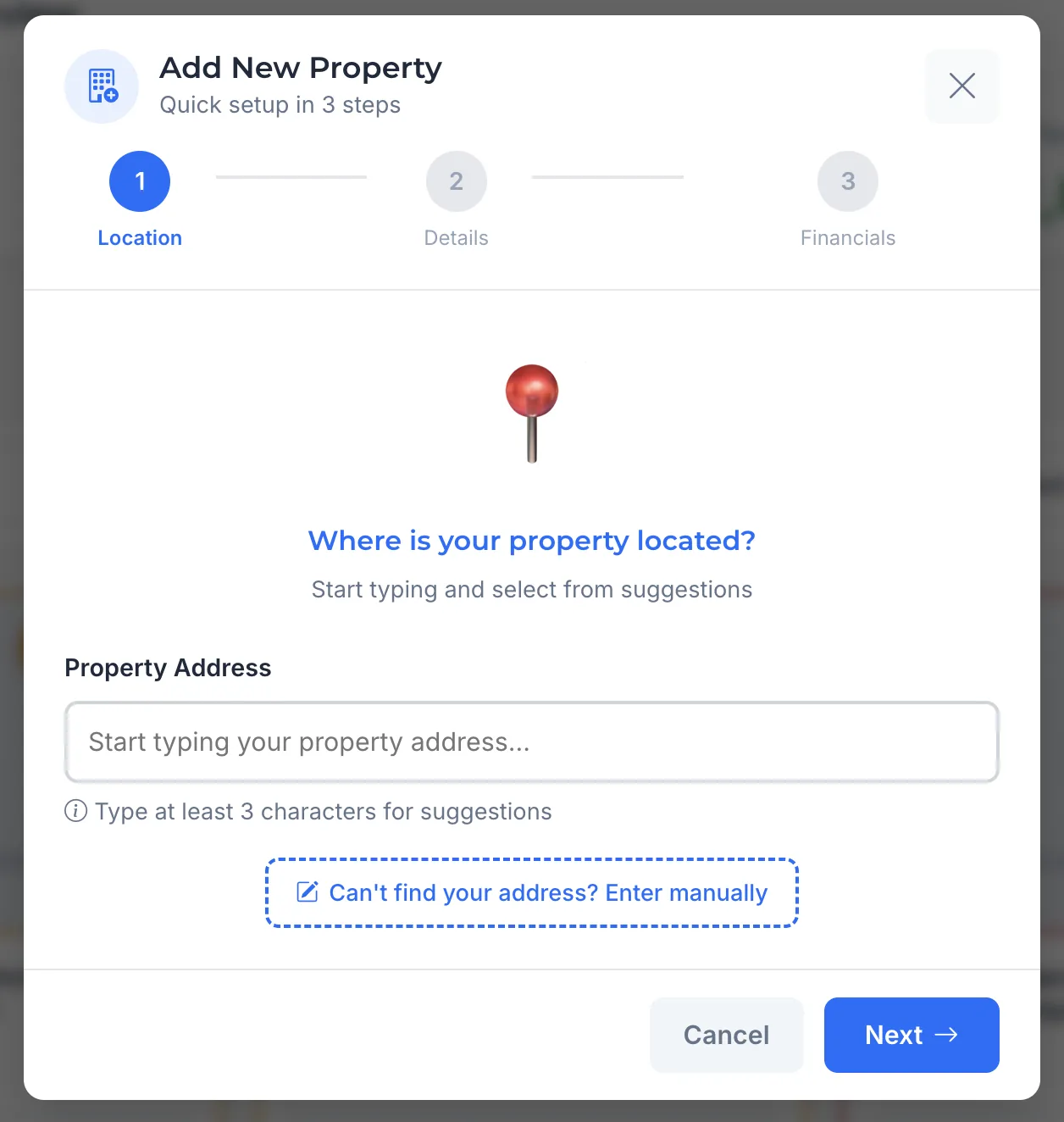
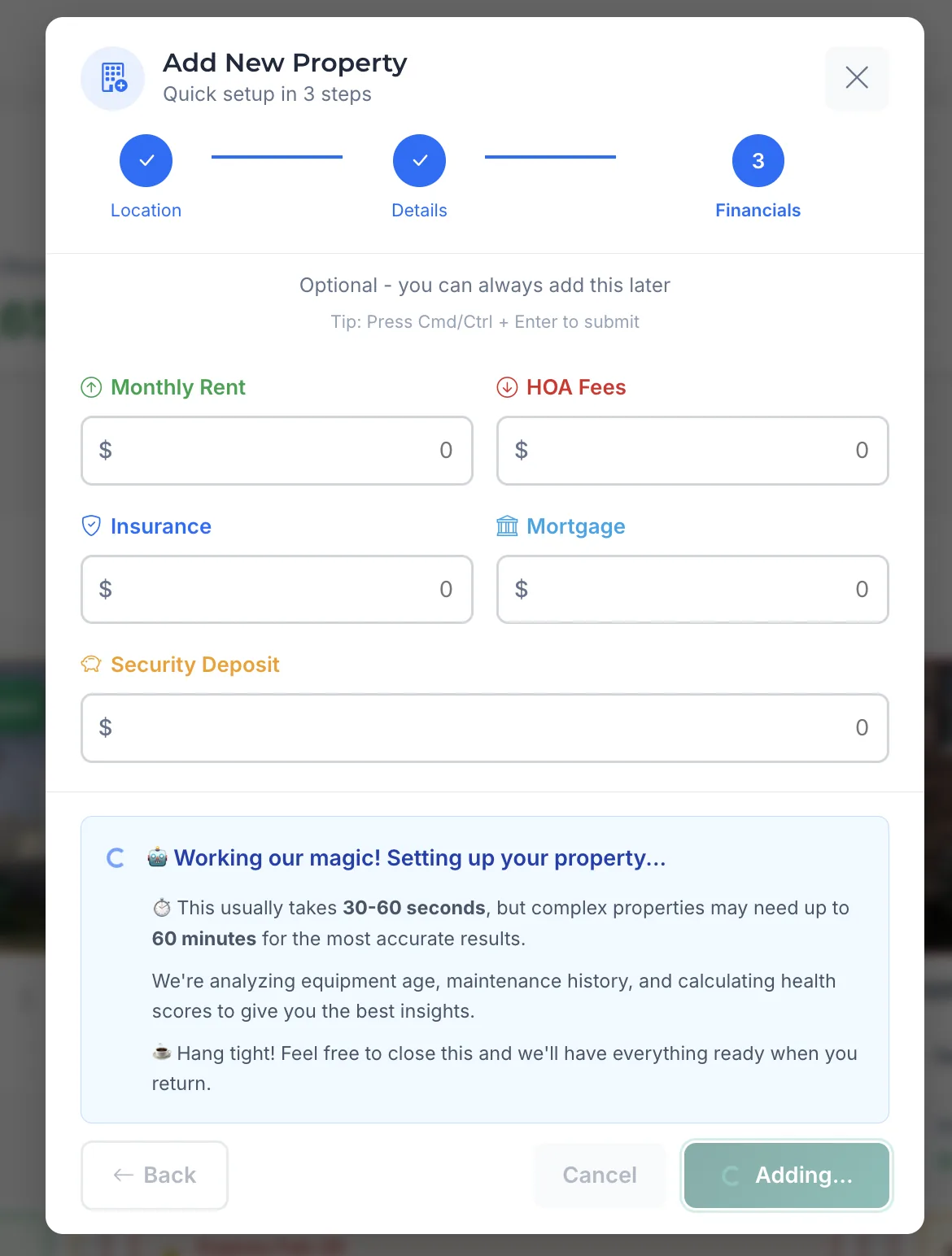
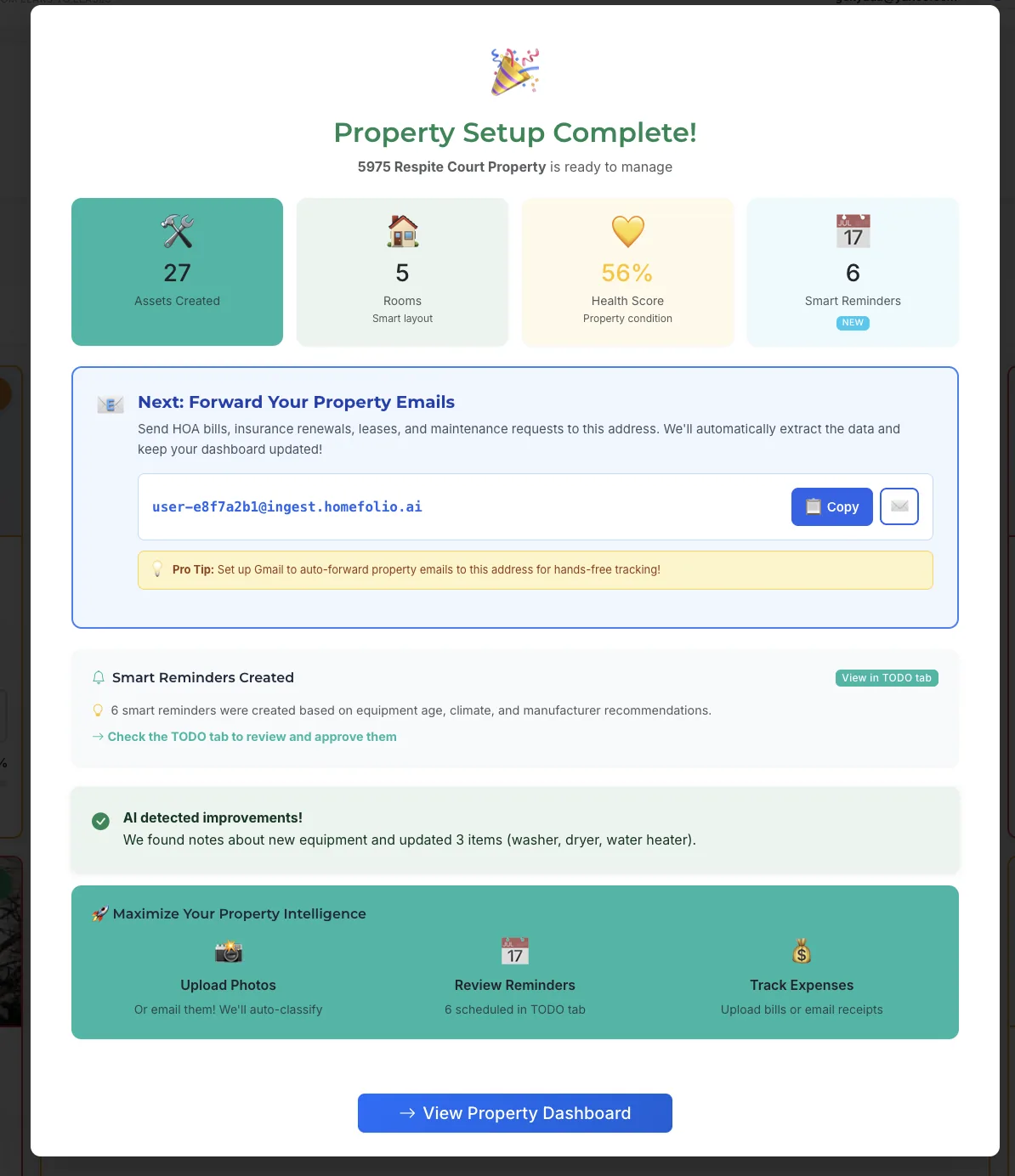
One of the biggest headaches during an open house is answering detailed buyer inquiries. Enter Homefolio AI. This tool ensures your home's critical documents and maintenance history are already there for potential buyers, connected to the right property, easing the open house process. With Homefolio AI, your home's information is in one place, ready when needed.
Gone are the days of rifling through drawers for receipts and repair histories. With Homefolio AI, everything is handled automatically, saving you time and stress. It's like having a personal assistant who ensures your home is always buyer-ready.
Streamlined, efficient, and effective—Homefolio AI is the secret weapon homeowners need when organizing open house events. Make sure your home’s details are seamlessly presented, giving you an edge in the competitive housing market.
FAQs About Organizing Open House Events
What should I include in an open house checklist?
Your open house checklist should cover cleaning tasks, minor repairs, staging details, and marketing materials. Include steps like decluttering, arranging furniture, and preparing brochures. A well-rounded checklist ensures nothing falls through the cracks, setting the stage for a successful event.
How can I make my home more appealing to buyers?
To make your home more appealing, focus on staging and atmosphere. Use neutral decor, optimize lighting, and maintain cleanliness. Personal touches like fresh flowers and ambient scents can also enhance buyer perception, making your home memorable.
What's the best way to handle multiple visitors?
Managing multiple visitors requires organization. Set clear pathways within your home, prepare multiple sign-in sheets, and have a team or partner to help answer questions. This approach ensures every potential buyer gets the attention they need.
How do I follow up after an open house event?
Follow up promptly with attendees by sending thank you emails or messages. Include additional information about your home and the neighborhood. Use feedback collected during the event to address any concerns potential buyers might have.
What common mistakes should I avoid?
Avoid common open house mistakes like failing to declutter, poor lighting, and lack of information. Not utilizing technology, such as virtual tours, can also limit your reach. Thorough preparation and attention to detail help avoid these pitfalls.