Property Tips

Avoid the $8,000 Tax Hit: Understand Home Sale Tax Implications

Avoid the $8,000 Tax Hit: Understand Home Sale Tax Implications

Did you know that selling your home could lead to an unexpected $8,000 tax bill? According to the IRS, one in five homeowners selling their home for the first time are caught off guard by capital gains taxes. Let's make sure you're not one of them. Understanding the tax implications of selling your home can save you thousands—and a lot of headaches.

How Home Sales Can Lead to Unexpected Tax Bills

It's a shocker for many homeowners when capital gains tax rears its ugly head at closing time. You might think your home sale is a straightforward transaction, but without careful planning, Uncle Sam could take a hefty cut. Capital gains tax is levied on the profit made from selling your home, and it's not just a concern for the wealthy—it's a reality for anyone selling a property.

Many homeowners believe in the myth of full exemption. They assume that because their home is their primary residence, all profits are tax-free. Unfortunately, that's not the case. While there are valuable exemptions available, misconceptions can lead to overestimating their scope and missing vital filing requirements.

To dodge an unexpected tax bill, it's crucial to understand how exemptions work. The good news is that the IRS provides a primary residence exclusion, but you need to meet specific criteria to qualify. Miss those, and you might be in for a surprise come tax season.

Understanding Capital Gains Tax on Home Sales

So, what exactly qualifies for the primary residence exclusion? According to IRS guidelines, if you've lived in your home for at least two out of the last five years, you may exclude up to $250,000 of gain if you're single, or $500,000 if you're married filing jointly. This exclusion can provide substantial relief for homeowners who meet the criteria.

However, not all gains are created equal. There are significant differences between short-term and long-term capital gains. Short-term gains are taxed at ordinary income rates, which can be as high as 37%, while long-term gains are taxed at preferential rates—typically 15% or 20% depending on your income bracket. Knowing which category your sale falls into can drastically affect your tax bill.

To maximize your exclusion, it's essential to plan your home sale strategically. Timing is key—holding onto your property just a little longer could push your gain from short-term to long-term. This simple shift can translate into significant tax savings.

Qualifying for the Home Sale Exclusion

Meeting the ownership and use test is crucial for qualifying for the home sale exclusion. You need to have owned and lived in your home as your primary residence for at least two of the last five years. This doesn't have to be a continuous period, but the total must meet the two-year requirement.

There are exceptions to the two-year rule. Life happens, and the IRS understands that. Certain circumstances—such as a change in employment, health issues, or unforeseen events—may allow you to qualify for a partial exclusion even if you haven't met the two-year threshold. Always keep detailed records to substantiate your claim.

For special cases, such as military service members or individuals with disabilities, the IRS provides additional flexibility. These provisions ensure that those who serve or face significant challenges aren't penalized unfairly when selling their homes.

Maximizing Your Exemption and Minimizing Taxes

Want to keep more money in your pocket? There are strategies to minimize taxable gains when selling your home. One effective approach is to document all home improvements—these can be added to your home's cost basis, effectively reducing the taxable gain. Keep receipts and records of every penny spent on upgrades.

Another strategy is to balance the timing of your sale with other financial events. For instance, if you're expecting a high income year, you might delay your home sale to a year where your income is lower, thus reducing your overall tax burden. Timing is everything in tax strategy.

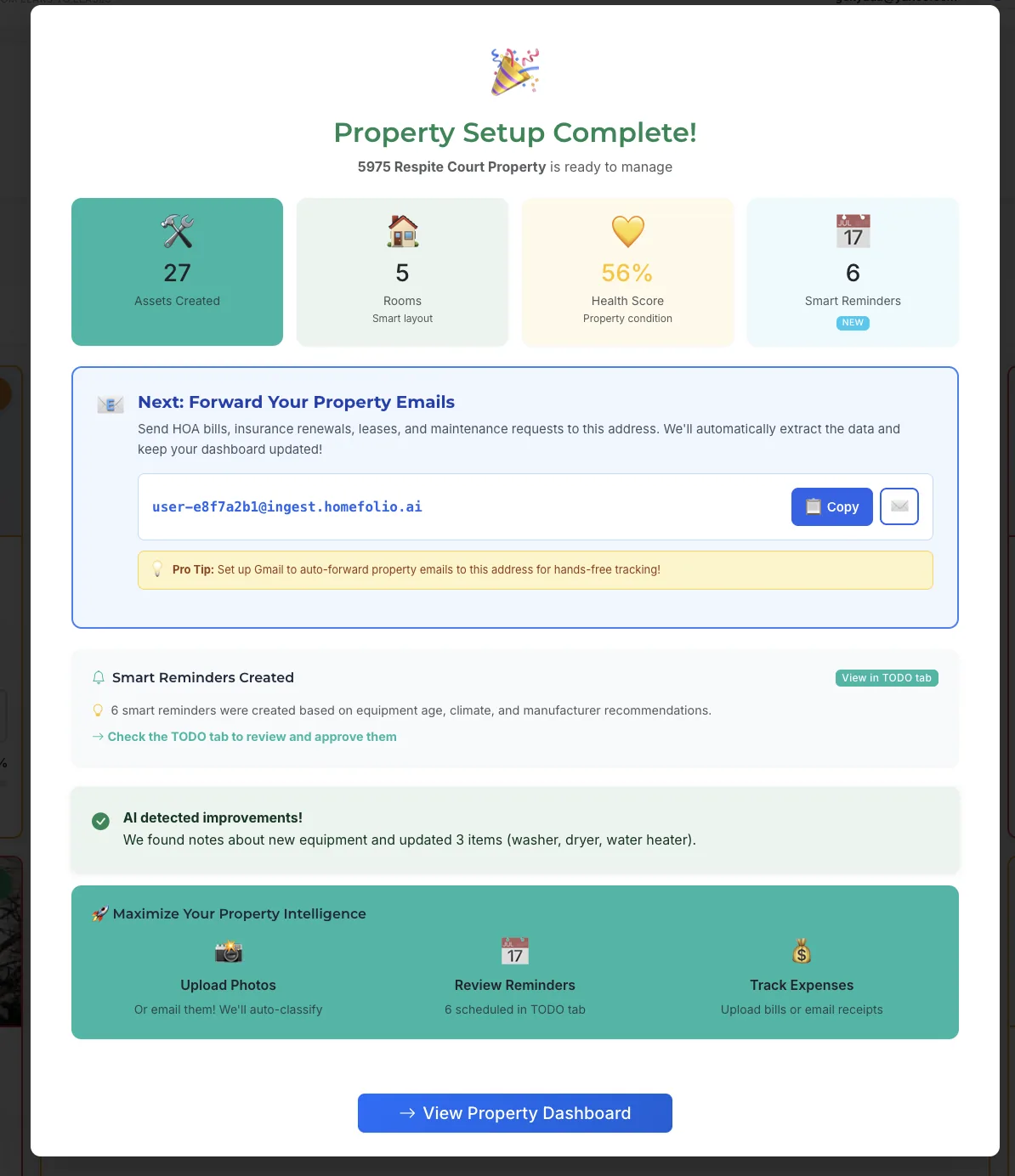
Don't forget the value of a thorough records audit. Using tools like Homefolio AI ensures your home sale documents are already there and connected to the right property, streamlining your tax reporting process. With your home's information in one place, ready for action, you can confidently face tax time. Check out Homefolio AI for more streamlined management.

How Home Sale Records Impact Tax Reporting

Your home's sale records are the backbone of accurate tax reporting. From the sale contract to receipts for home improvements, maintaining these documents is not just helpful—it's essential. Accurate records can substantiate your claims and ensure you qualify for the maximum exemption.

What records should you keep? Essential documents include your purchase agreement, settlement statements, proof of any home improvements, and receipts for expenses incurred during the sale. These can significantly impact the outcome of your tax return when sale time rolls around.

Filing taxes without complete records is like flying blind. Homeowners should leverage platforms like Homefolio AI to ensure their documents are handled automatically and connected to the right property. This not only simplifies the process but ensures that every necessary piece of information is ready when you need it.

FAQs About Home Sale Tax Implications

What if I sell my home at a loss?

If you sell your home at a loss, unfortunately, the IRS does not allow you to deduct this loss from your taxable income. This rule applies to personal residences, as they are considered personal-use property. However, this loss might have implications for your financial planning, so it's worth discussing with a financial advisor.

How does a home sale affect my state taxes?

State taxes can vary widely, so it’s crucial to understand your state’s specific rules regarding home sales. Some states might mirror federal rules, while others have their own set of exemptions and tax rates. It's wise to consult with a local tax professional to understand how your home sale will impact your state tax obligations.

Are there tax implications if I sell before two years?

Yes, selling your home before meeting the two-year threshold can subject you to full capital gains tax on any profit. However, exceptions for unforeseen circumstances might qualify you for a partial exclusion. It's important to document the reasons for your sale and consult with a tax advisor to explore your options.

What happens if I reinvest in another home?

Reinvesting in another home doesn't automatically provide tax relief. The previous "like-kind exchange" rule for personal residences no longer exists. However, reinvesting could offer other financial benefits, like hedging against inflation or securing a better interest rate, but won't directly impact your capital gains tax obligation.

How do I report the sale on my tax return?

Reporting your home sale is typically done on IRS Form 8949 and Schedule D of your tax return. You'll need to provide details of the sale, including the selling price, costs, and any gains. Having all your documents organized and accessible will make this process smoother and ensure accuracy in reporting.

Your Home's Records — Already There When You Need Them.

Warranties, receipts, maintenance history, and appliance details — connected to your property automatically.

Get Started Free →