Avoid These Home Selling Pitfalls: Tips for First-Time Sellers
The average American home has $14,000 in appliances. Most homeowners can't find a single warranty document. If you're a first-time seller, navigating the home selling process can be as daunting as finding that elusive warranty. But fear not—armed with the right information, you can avoid common pitfalls and make your sale both smooth and profitable.
The $10,000 Mistake: Not Understanding Market Value
The first rule of real estate is simple: price it right or pay the price. According to the National Association of Realtors, homes that are priced correctly from the start sell faster and for about $10,000 more, on average. To get the most out of your sale, research local market trends and comparable sales. Knowing what similar homes in your area have sold for recently is crucial.
Overpricing your home can lead to it languishing on the market, eventually forcing you to drop the price—often below what you could have initially commanded. On the flip side, underpricing might result in a quick sale, but you'll leave money on the table. Set a competitive price by working with a skilled real estate agent who can provide a detailed market analysis.
One actionable tip is to attend open houses in your neighborhood. This will not only provide insight into how other sellers are marketing their properties but also offer a firsthand look at what buyers are looking for. Just remember: being realistic about your home's value from day one is the best way to avoid a costly mistake.
Preparing Your Home: The Upgrades That Pay Off
Investing in certain home improvements can offer high returns when selling. Studies suggest that kitchen renovations can yield an 81% return on investment, while bathroom updates can bring back 70%. Focus your efforts on these areas if you're looking to make meaningful upgrades that will impress potential buyers.
Not every improvement requires a major overhaul. Sometimes, the simplest fixes can make a big difference. A fresh coat of paint, some strategic landscaping, or minor repairs can significantly increase your home's curb appeal and overall value. Aim for neutral colors and tidy finishes to make your home more universally appealing.
One practical step is to walk through your home as if you were a buyer. Note any small issues—like leaky faucets or creaky doors—and address them before listing. These minor details can make a surprisingly strong impression, setting your home apart from the competition.
Creating a Buyer-Ready Home: Documentation Matters
Imagine this: a potential buyer is interested, but you can't find the paperwork for recent upgrades. Having warranties and receipts ready can bolster buyer confidence in your home's condition. According to home insurance data, homes with comprehensive maintenance histories tend to sell faster and for higher prices.
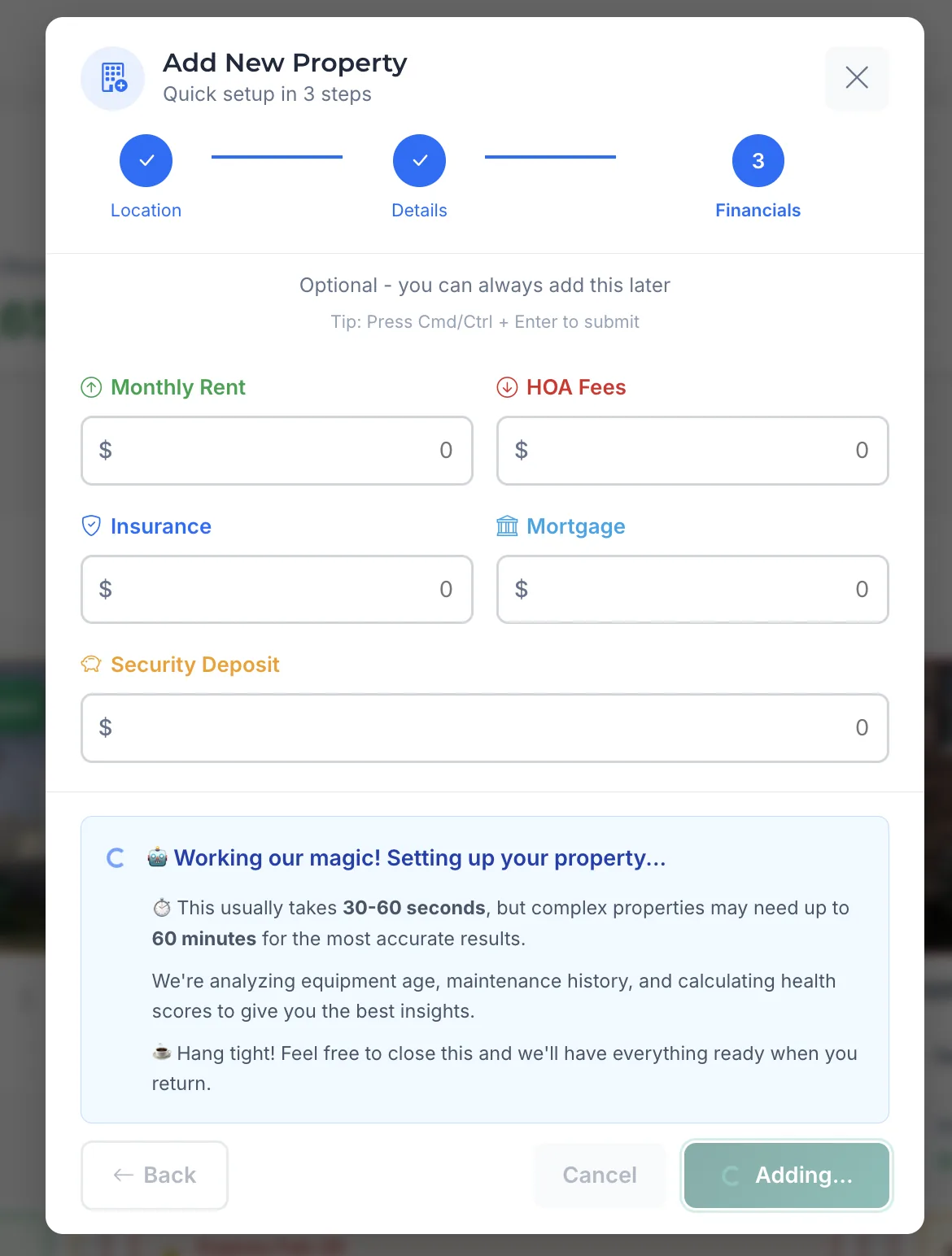
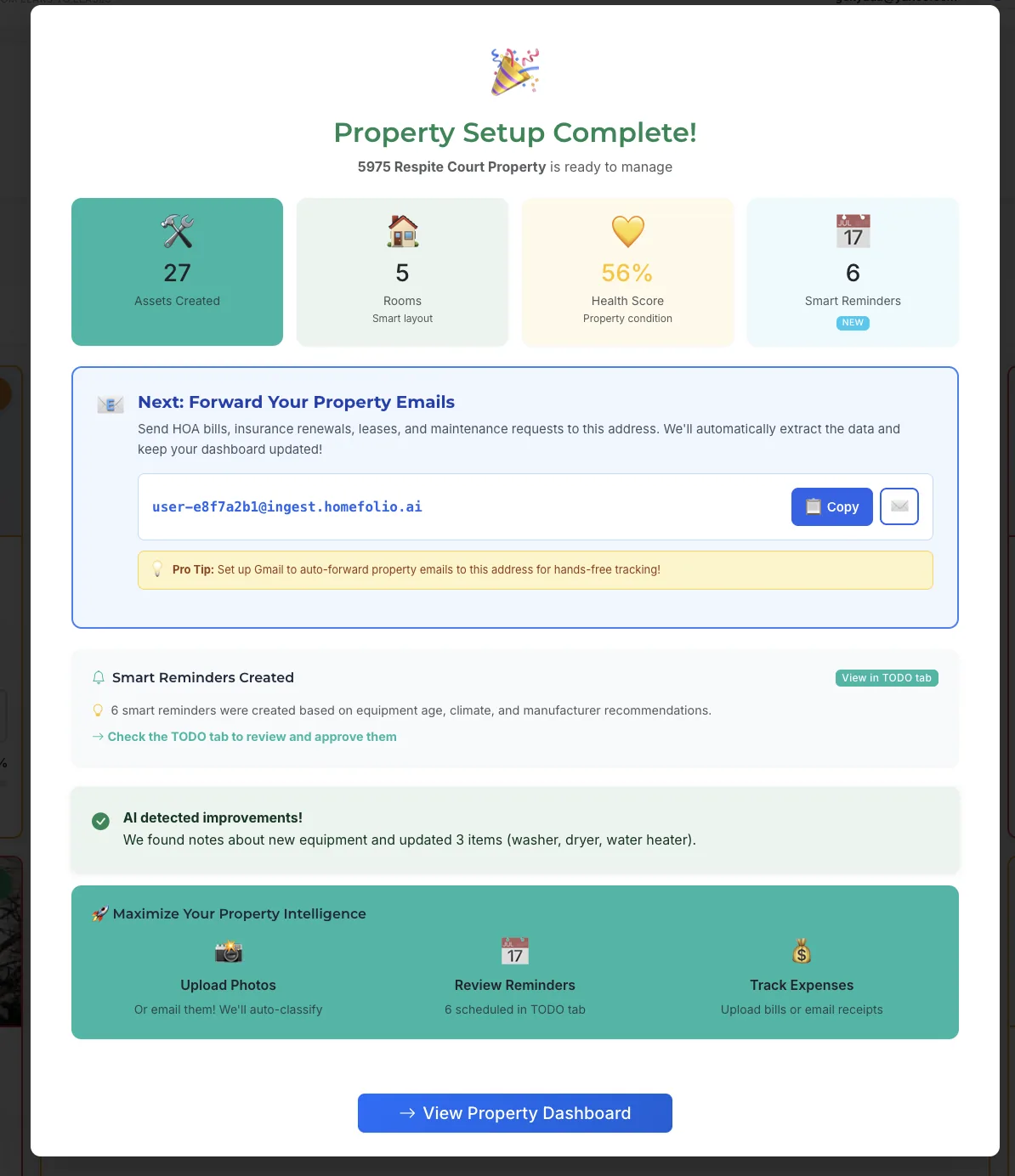
Gather all relevant documents before listing your home. This includes warranties, receipts for recent upgrades, and a detailed maintenance history. Luckily, Homefolio AI can help you in this regard. It ensures your home's documents and warranties are already there when needed, making your property more attractive to buyers by having everything connected to the right property. Check out Homefolio AI for more information.
Presenting a well-documented home demonstrates transparency and reliability. It signals to buyers that the property has been well-cared for, reducing their perceived risk. This can make your home more appealing and potentially lead to a quicker sale.
Marketing Strategy: Beyond the MLS Listing
In today's digital age, simply listing on MLS is not enough. Industry data shows that homes marketed with professional photography sell for 47% more than those without. Quality visuals are crucial. Consider hiring a professional photographer and staging service to make your home look its best online.
Don't underestimate the power of digital marketing and social media outreach. Utilizing platforms like Instagram, Facebook, and even TikTok can broaden your reach and attract more potential buyers. Create engaging content that highlights your home's best features to catch the eye of scrolling users.
One action step is to create a virtual tour of your home. This allows potential buyers to explore your property from the comfort of their couch, making it easier for them to envision themselves living there. This added convenience can be a decisive factor for many buyers.
Negotiating Like a Pro: Closing the Deal
When it comes to negotiation, knowledge is power. Understanding buyer psychology and common tactics can give you an edge in closing the deal. According to real estate studies, the average home sells after about three to four negotiation rounds. Knowing when to stand firm and when to concede is key.
In most cases, buyers will start with a low offer expecting a counter. Instead of feeling insulted, use this as an opportunity to negotiate. A well-timed counteroffer can often lead to a mutually agreeable price. Remember, the goal is to maximize your sale price while keeping the buyer interested.
One practical tip is to consider including something extra, like appliances or furniture, to sweeten the deal. These added perks can often close the gap in price negotiations and lead to a quicker sale. The art of negotiation is as much about creativity as it is about compromise.
FAQ: Common Questions First-Time Sellers Ask
What is the best time of year to sell a house?
Spring is traditionally the best time to sell a house. Studies show that homes listed in May sell faster and for more money. The weather is pleasant, gardens are in bloom, and families want to move before the new school year. However, local market conditions should also guide your timing.
How do I choose the right real estate agent?
Start by interviewing multiple agents. Look for experience, a proven track record in your area, and strong communication skills. Ask for references and check online reviews. The right agent should understand your goals and have a clear strategy for selling your home quickly and at a good price.
What are closing costs and who pays them?
Closing costs typically range from 2% to 5% of the home's purchase price. These can include fees for appraisals, title insurance, and escrow. While buyers often cover a portion of these costs, sellers may be responsible for their share, which can include agent commissions and transfer taxes.
How can I make my home stand out to buyers?
First impressions matter. Enhance your home's curb appeal with small touches like fresh paint and tidy landscaping. Inside, declutter and depersonalize the space. Highlight key features with strategic lighting and staging. Consider offering incentives like covering some closing costs to entice buyers.
What should I do if my home isn’t selling?
If your home isn't selling, re-evaluate your pricing strategy and marketing efforts. Consider making additional improvements or offering incentives. Consult with your agent for feedback on buyer objections. Sometimes, a few small changes can make a significant difference in attracting a buyer.