Property Tips

Avoid $5,000 Errors: Master Home Insurance Claims

Avoid $5,000 Errors: Master Home Insurance Claims

The Costly Mistake That Could Cost You $5,000

The average home insurance claim is over $13,000, yet many homeowners leave money on the table—or worse, see their claims denied. Common errors in insurance claims can transform what should be a smooth process into an expensive ordeal. Studies suggest that up to 40% of claims are underpaid due to mistakes made during the filing process. Mistakes like inadequate documentation and missing deadlines are culprits you simply can't afford.

Consider the case of a homeowner in Florida who, after a hurricane, filed a claim for roof damage. Due to missing documents and vague descriptions, they received only half the expected compensation. This individual mistake cost them $5,000 out-of-pocket. According to home insurance data, such errors are worryingly common, yet avoidable with the right precautions.

Avoiding these pitfalls requires a proactive approach to claims. Thorough documentation and timely filing are your frontline defenses. Think of it as an investment in financial security—your future self will thank you when that unexpected storm rolls through.

Documenting Damages: Why Photos Aren't Enough

While a picture might indeed be worth a thousand words, in the realm of insurance claims, it's also about the words that accompany those pictures. Photos alone often aren't sufficient to make your case. Imagine snapping a dozen photos of a flooded basement without any context—insurance adjusters need more than just a visual.

Creating a comprehensive damage report involves detailed written descriptions, including the cause of damage, the affected areas, and any temporary repairs you undertake. Industry data shows that claims with detailed reports are settled 30% faster than those lacking in detail. Don't skimp on this step; your financial well-being might depend on it.

To ensure thorough documentation, start by listing every item damaged, estimate their repair or replacement costs, and collect receipts or proof of purchase. This might seem tedious, but consider it the foundation of a solid insurance claim. Your pocketbook will feel the difference.

Timing Is Everything: When to File Your Claim

In the world of insurance claims, timing is everything. Once disaster strikes, the clock begins ticking. Understanding the timelines imposed by your insurer can be the difference between a successful claim and an out-of-pocket expense. Most policies specify a time limit—often 30 to 60 days—within which you must file a claim.

Delayed filing can lead to complications or outright denial. According to recent surveys, 15% of claims are denied due to missed deadlines. Don't fall into this trap. Set reminders, mark your calendar, and prioritize those documents. If you procrastinate, you could be setting yourself up for a nasty surprise.

File your claim as soon as possible, even while you are still assessing the extent of the damage. Insurance companies appreciate promptness, and it shows you're serious about resolving the issue. Plus, you'll be at the front of the line for an adjuster visit, which can expedite your settlement.

Navigating Claim Adjusters: Dos and Don’ts

Dealing with claim adjusters can feel like negotiating with a seasoned poker player. They hold the cards—your job is to play your hand wisely. Preparing for an adjuster visit is crucial. Have your documentation ready and easily accessible. A well-prepared homeowner is taken more seriously.

When the adjuster arrives, focus on clear, factual communication. Do not exaggerate damages; instead, provide honest, detailed accounts of what happened. Studies suggest that transparent communication increases trust, which can lead to better settlement outcomes. Practice makes perfect; consider rehearsing your account beforehand.

Avoid confrontational language or implying blame. Adjusters are trained to look for inconsistencies. Instead, guide them through your documentation, highlight key points, and let the evidence speak for itself. Remember, you're not just another case file—you're an informed homeowner who's ready to advocate for what's fair.

Streamlining Your Claim with Homefolio AI

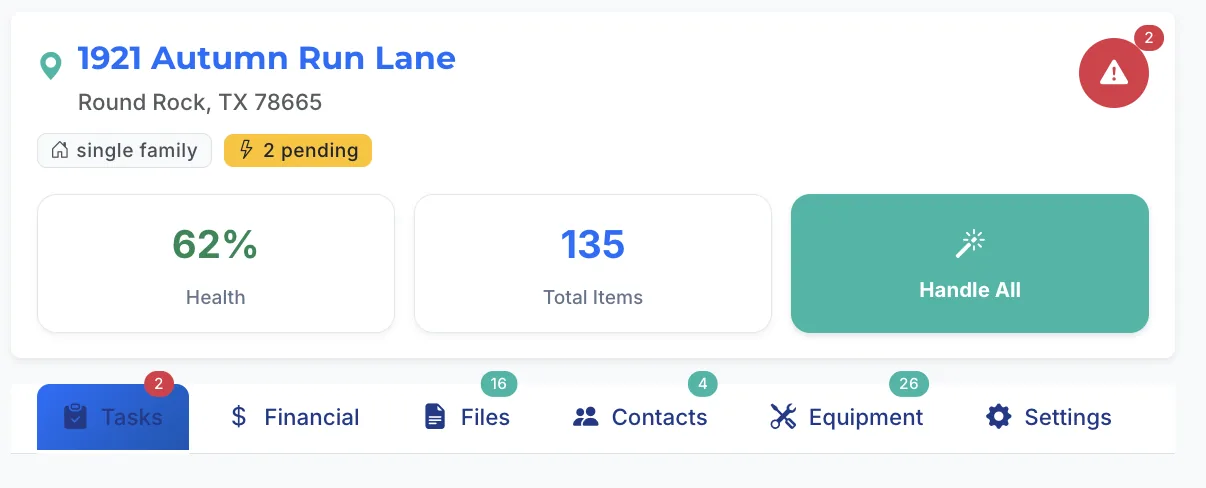
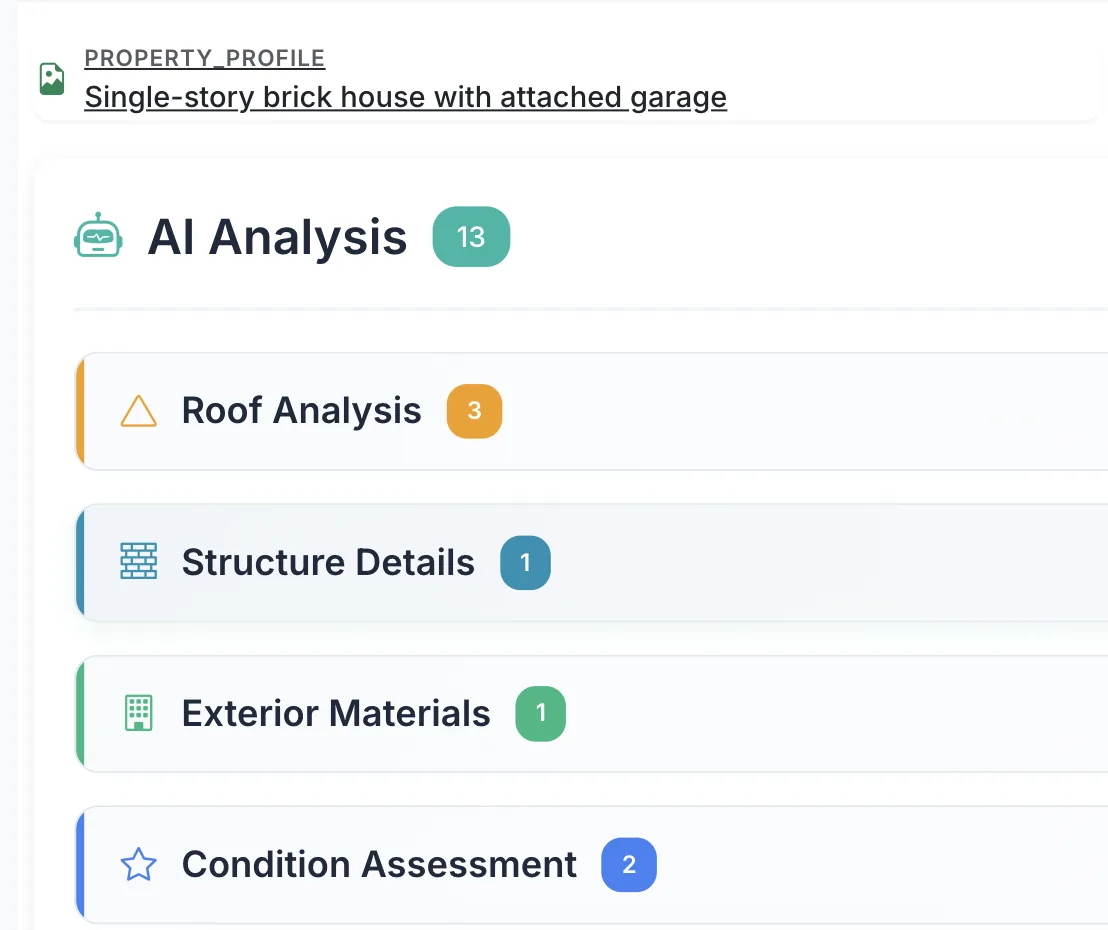
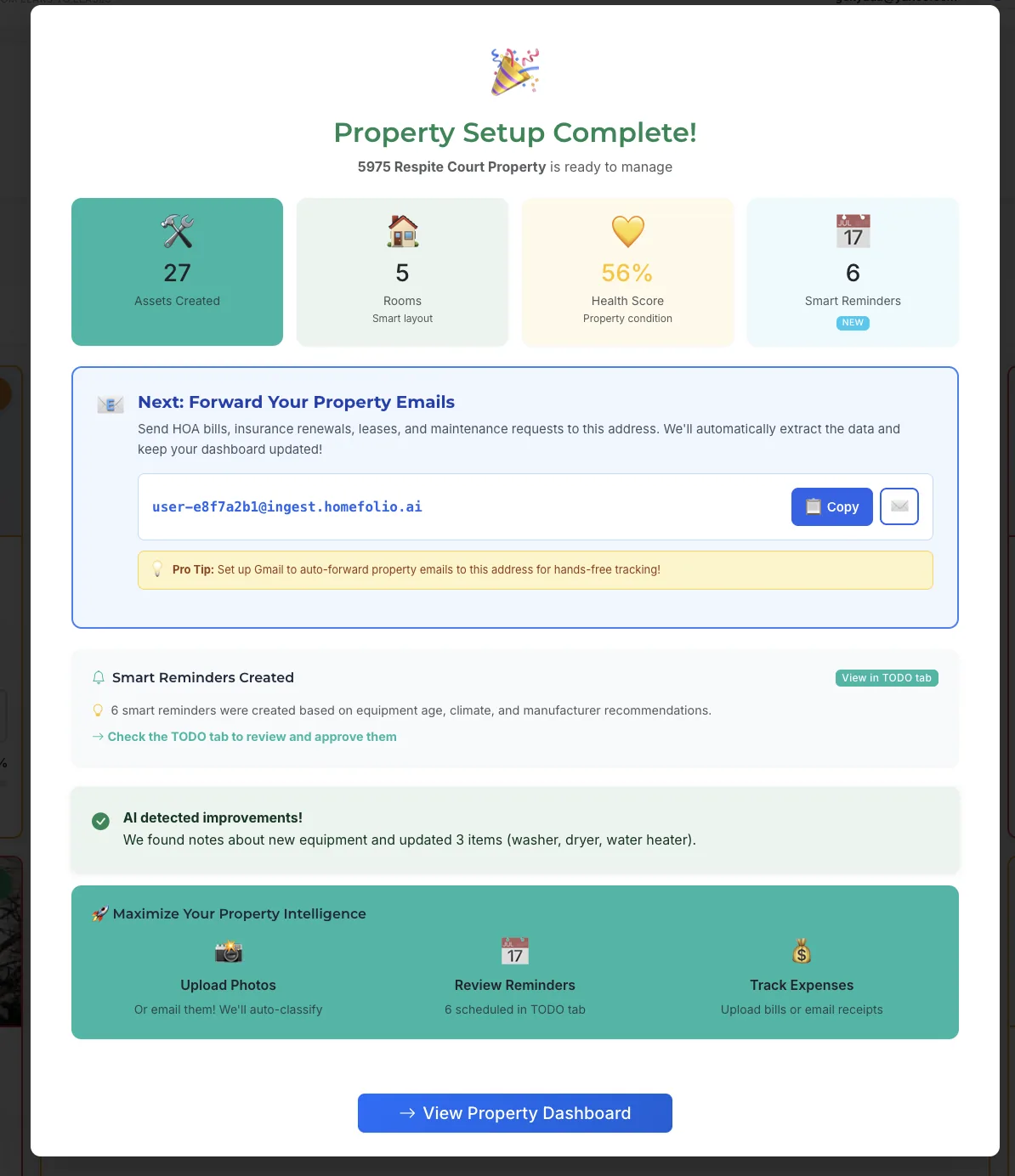
In today's digital age, the right tools can make all the difference in managing your home's documentation. Enter Homefolio AI, a service that ensures your documents are 'already there' when you need them and 'connected to the right property.' This tool can simplify your claims process by having all pertinent information readily available.

Homefolio AI does the heavy lifting by handling documents automatically, ensuring they are comprehensive and up-to-date. Imagine having instant access to warranties, receipts, and detailed inventories—all without the frantic search through files and folders. It's like having your home's documentation on speed dial.

By integrating Homefolio AI into your routine, you'll streamline the insurance claim process significantly, reducing stress and time spent gathering necessary documents. Your home's information is in one place, ready for whatever life throws your way.

FAQs on Home Insurance Claims

What should I do immediately after damage occurs?

First, ensure the safety of your family and yourself. Secure the area to prevent further damage—cover broken windows or temporarily patch up leaks. Document the damage thoroughly with photos and notes. Then, contact your insurance provider to inform them of the situation and initiate the claims process promptly.

How long do I have to file a home insurance claim?

The time frame varies by insurer, but most policies require claims to be filed within 30 to 60 days of damage occurring. Check your specific policy for details. Filing sooner is advisable as it can lead to a quicker assessment and settlement process. Delayed claims might raise red flags with adjusters.

What if my claim is denied?

If your claim is denied, you have the right to appeal the decision. Start by reviewing the denial letter and your policy to understand the reason for denial. Gather additional evidence or documentation to support your claim and submit a formal appeal letter. Consulting with a public adjuster or attorney may also be beneficial.

Can I file a claim online?

Yes, most insurance companies offer online claim filing options. This method can be faster and more convenient. Ensure you have digital copies of all necessary documentation to upload during the process. Online portals often provide real-time updates, making it easier to track your claim's progress.

How does a home insurance claim affect my premiums?

Filing a claim may lead to an increase in your insurance premiums, depending on the claim's nature and your claim history. Insurers assess risk based on claims frequency and severity. Consider this potential impact before filing minor claims that you might afford to pay out-of-pocket.

Your Home's Records — Already There When You Need Them.

Warranties, receipts, maintenance history, and appliance details — connected to your property automatically.

Get Started Free →