Property Tips

Avoid Costly Tax Mistakes: Keep Home Improvement Records Right

Avoid Costly Tax Mistakes: Keep Home Improvement Records Right

The $8,000 Oversight: Why Accurate Records Matter

Picture this: a homeowner's dream kitchen renovation, costing a cool $50,000, turns into a tax-time nightmare. How? A missing receipt resulted in an $8,000 tax oversight. This isn't a rare tale. According to home insurance data, nearly 25% of homeowners face tax penalties due to poor documentation.

Home improvements can offer substantial tax benefits. For example, energy-efficient upgrades alone can save you up to 30% in tax credits. However, without accurate records, you risk losing these benefits—or worse, facing penalties. Real-life stories abound of homeowners blindsided by the IRS, all because they couldn't substantiate their claims.

So, why gamble with your hard-earned money? Keeping accurate records isn't just a good practice; it's essential. And while it might seem tedious, it’s a lot less painful than watching your tax refund shrink or disappear altogether. Avoid these pitfalls by understanding what qualifies and how to keep track.

Which Home Improvements Qualify for Tax Deductions?

Not all home improvements are created equal—especially in the eyes of the IRS. Qualifying improvements often include energy-efficient additions like solar panels, which can yield a 26% federal tax credit. Studies suggest that major renovations such as accessibility improvements for medical purposes may also qualify for deductions.

However, it's crucial to differentiate between repairs and improvements. Repairs merely maintain the home's current condition and are not tax-deductible. Improvements, on the other hand, add value, prolong its useful life, or adapt it to new uses, making them potential candidates for deductions.

To ensure you're claiming the right deductions, maintain a detailed list of all home projects. This list should clearly outline each project's purpose, scope, and cost. For instance, if you replaced an old HVAC system with an energy-efficient model, note the date, total cost, and any tax credit information. This specificity can make all the difference during tax season.

How to Document Home Improvements for Taxes

Documentation is king when it comes to tax deductions on home improvements. Receipts, contracts, and even before-and-after photos can play a crucial role. Start by maintaining a folder—digital or physical—with all receipts related to your home projects. Ensure these documents are legible and include the contractor's name, type of service, and amount paid.

Contracts are equally important. They provide a detailed account of the work done and the associated costs. A signed contract is often a critical piece of evidence if the IRS comes knocking. Additionally, if you hire a contractor, keep a copy of their license to prove the work was professionally executed.

Want to go the extra mile? Use photos as visual proof of your improvements. Take pictures before, during, and after the project. When combined with receipts and contracts, photos can provide an irrefutable narrative of your home's transformation. Just make sure your documentation is IRS-compliant by retaining these records for at least three years beyond the tax year for which you claim the deduction.

Maximize Your Tax Benefits: Common Pitfalls to Avoid

One of the biggest tax pitfalls homeowners face is missing out on deductions due to poor record-keeping. According to industry data, this simple oversight costs homeowners an average of $1,500 in missed deductions annually. To avoid this, make record-keeping a habit, not an afterthought.

Another common mistake is misunderstanding the impact of long-term capital gains. When you sell your home, improvements can increase your home's cost basis, reducing the capital gains tax. If you spent $20,000 adding a new bathroom, that amount should increase your cost basis, reducing the taxable gain when you sell.

To maximize your benefits, periodically review your records. Ensure all improvements are documented and categorized correctly. Consider enlisting the help of a tax professional to navigate the nuances of tax law. They can offer guidance tailored to your specific situation, ensuring you claim every deduction you're entitled to.

Homefolio AI: Your Tax Documentation Ally

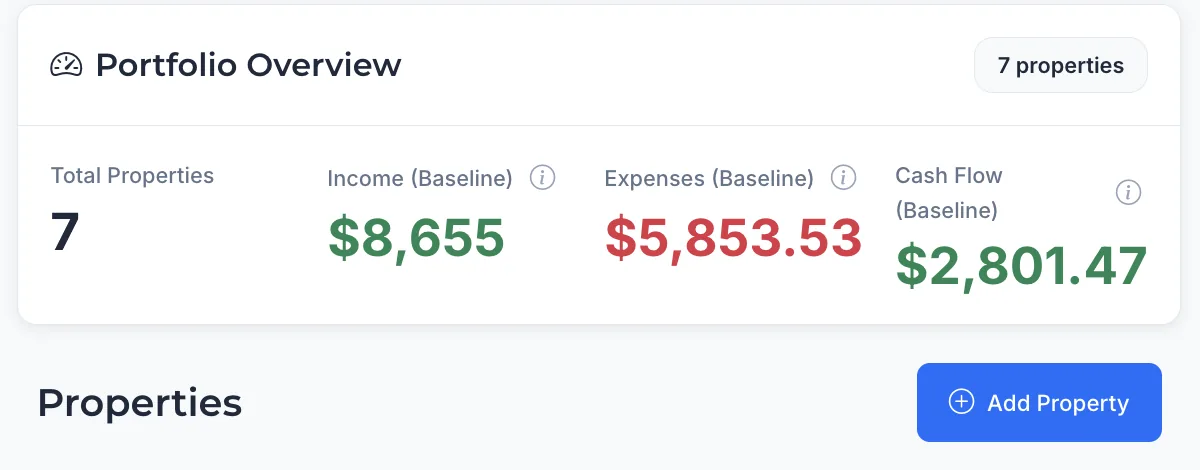
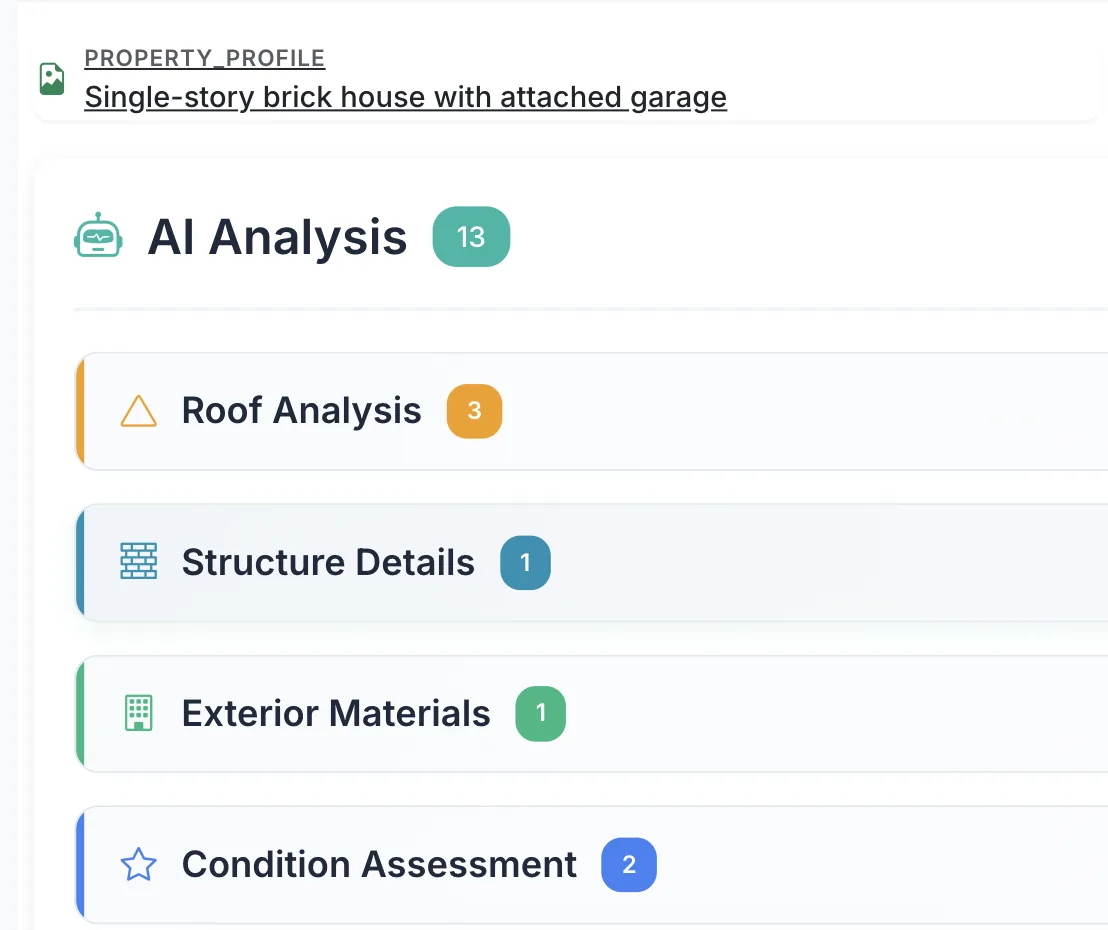
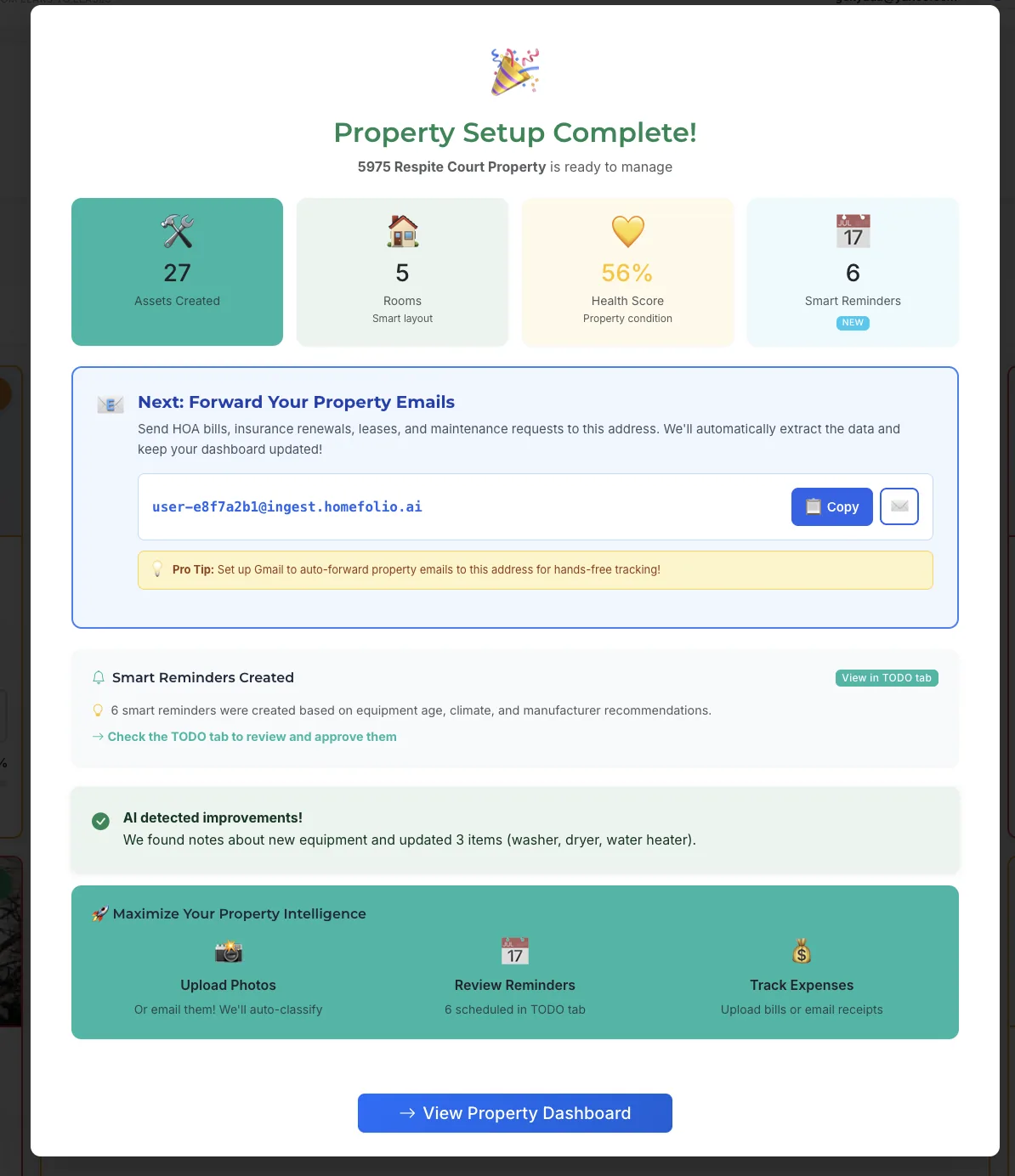
Thanks to Homefolio AI, your tax documentation woes can become a thing of the past. This innovative tool ensures your records are already there when you need them for taxes, connected to the right property to maximize your deductions. With Homefolio AI, your home's information is in one place, ready for tax season. Learn more about how this can simplify your life at Homefolio AI.

By automatically handling the documentation process, Homefolio AI allows you to focus on enjoying your home, rather than stressing over paperwork. This peace of mind not only saves time but also ensures you never miss out on valuable tax benefits due to misplaced or incomplete documentation.

Imagine a world where all your home improvement records are seamlessly organized and accessible with a click. That's the reality Homefolio AI offers, turning tax documentation from a cumbersome chore into a streamlined process. It's a game-changer for any homeowner committed to maximizing their investment.

FAQs on Tax Deductions and Home Improvement Records

How long should I keep home improvement receipts?

You should keep your home improvement receipts for at least three years from the date you file your tax return. However, if you plan to sell your home, it's wise to keep them until the property is sold. These receipts help adjust the cost basis of your home, potentially reducing capital gains tax.

Can I deduct home improvements from my taxes?

Home improvements can increase your home's cost basis, which may reduce capital gains tax upon sale. Some improvements, like energy-efficient upgrades, may qualify for tax credits. However, regular maintenance and repairs are not deductible. Consult a tax professional to understand specific deductions applicable to your situation.

What if I lost my home improvement receipts?

If you've lost receipts, try to obtain duplicates from contractors or retailers. Bank statements and credit card records can also serve as proof of payment. For future projects, consider using digital tools, like Homefolio AI, to ensure your records are always accessible and linked to your property.

Do energy-efficient upgrades qualify for tax deductions?

Yes, energy-efficient upgrades often qualify for federal tax credits. For example, installing solar panels can earn you a 26% federal tax credit. Keep documentation like receipts and manufacturer certification statements to substantiate your claim. Always check current tax laws, as incentives can change annually.

How do I calculate the adjusted cost basis of my home?

Your home's adjusted cost basis is calculated by adding the original purchase price to the cost of improvements, minus any depreciation or losses. Documenting improvements is key to accurately adjusting your cost basis, which can significantly impact capital gains taxes when selling your home.

Your Home's Records — Already There When You Need Them.

Warranties, receipts, maintenance history, and appliance details — connected to your property automatically.

Get Started Free →