Property Tips

Avoid a Costly Surprise: Mastering Property Tax Assessments

Avoid a Costly Surprise: Mastering Property Tax Assessments

Why Ignoring Property Tax Assessments Could Cost You Thousands

The average American homeowner pays approximately $2,471 in property taxes annually, according to the U.S. Census Bureau. However, many are unaware that inaccuracies in property tax assessments can cost them thousands more. These errors often stem from outdated assessment data, incorrect property details, or even clerical mistakes. Ignoring these assessments might feel convenient, but the financial repercussions are anything but.

Homeowners frequently make the error of assuming that their property tax assessments are always accurate. This misplaced trust can lead to overpayment if your property is assessed at a higher value than it should be. One common mistake is failing to review the assessment notice thoroughly. This oversight allows errors to go unnoticed, resulting in inflated tax bills year after year.

To avoid these costly surprises, take a proactive approach. Review your assessment notice annually. Look for discrepancies in square footage, number of bedrooms, or any improvements that were never made. If you find an error, address it with your local tax assessor's office promptly. This simple step can save you significant money over time.

Decoding Your Property Tax Assessment Notice

Your property tax assessment notice is more than just a piece of paper—it's a detailed breakdown of how your property taxes are calculated. Understanding its components is essential for ensuring you're not overpaying. The notice typically includes your property's assessed value, the rate at which it is taxed, and any applicable exemptions. Each of these elements plays a critical role in determining your final tax bill.

Pay close attention to key terms such as "fair market value" and "assessed value." The fair market value is what your property would sell for in an open market, while the assessed value is a percentage of this amount that your taxes are based upon. Misinterpretation of these figures can lead to confusion and unexpected tax increases.

Another crucial part of the assessment is the tax rate, often expressed as mills (a mill is one-tenth of a cent). For example, a tax rate of 20 mills means you pay $20 for every $1,000 of your property's assessed value. Understanding these figures will help you calculate your expected tax bill and spot discrepancies early.

How Property Improvements Influence Your Assessment

Thinking of adding a new deck or updating the kitchen? Be prepared for your property tax assessment to reflect these improvements. Home upgrades typically increase your property's value—which in turn, bumps up your assessed value and your tax bill. Industry data shows that major remodels can raise a home's value by 10% to 15%, directly impacting your assessment.

Documenting these improvements is crucial. Keep a detailed record of all upgrades, including receipts and permits. This documentation serves as proof if you need to verify the added value or dispute an inflated assessment. Without this evidence, you might find yourself paying more taxes than necessary.

Want to avoid unnecessary tax increases? Consider the type of improvements you're making. Cosmetic changes like painting or landscaping often don’t affect your assessment. However, structural changes, especially those that add square footage or modernize essential systems, are more likely to increase your assessed value.

Challenging an Unfair Property Tax Assessment

If your property tax assessment seems high, you're not powerless. Challenging an unfair assessment is a viable option—and one that can lead to significant savings. Begin by researching similar properties in your area to determine if their assessments align with yours. This comparative analysis is the backbone of any successful appeal.

Next, gather evidence that supports your case. This could include photos of property damage, recent appraisals, or documentation of discrepancies in your assessment notice. Presenting a well-organized case with concrete evidence is crucial to persuading the assessor's office to lower your assessment.

Finally, adhere to deadlines. Most jurisdictions have strict timelines for filing an appeal, often within 30 to 60 days of receiving your assessment notice. Missing this window could mean waiting another year to contest your tax bill—along with paying the inflated amount in the meantime.

Homefolio AI: Keeping Your Property Tax Records Seamless

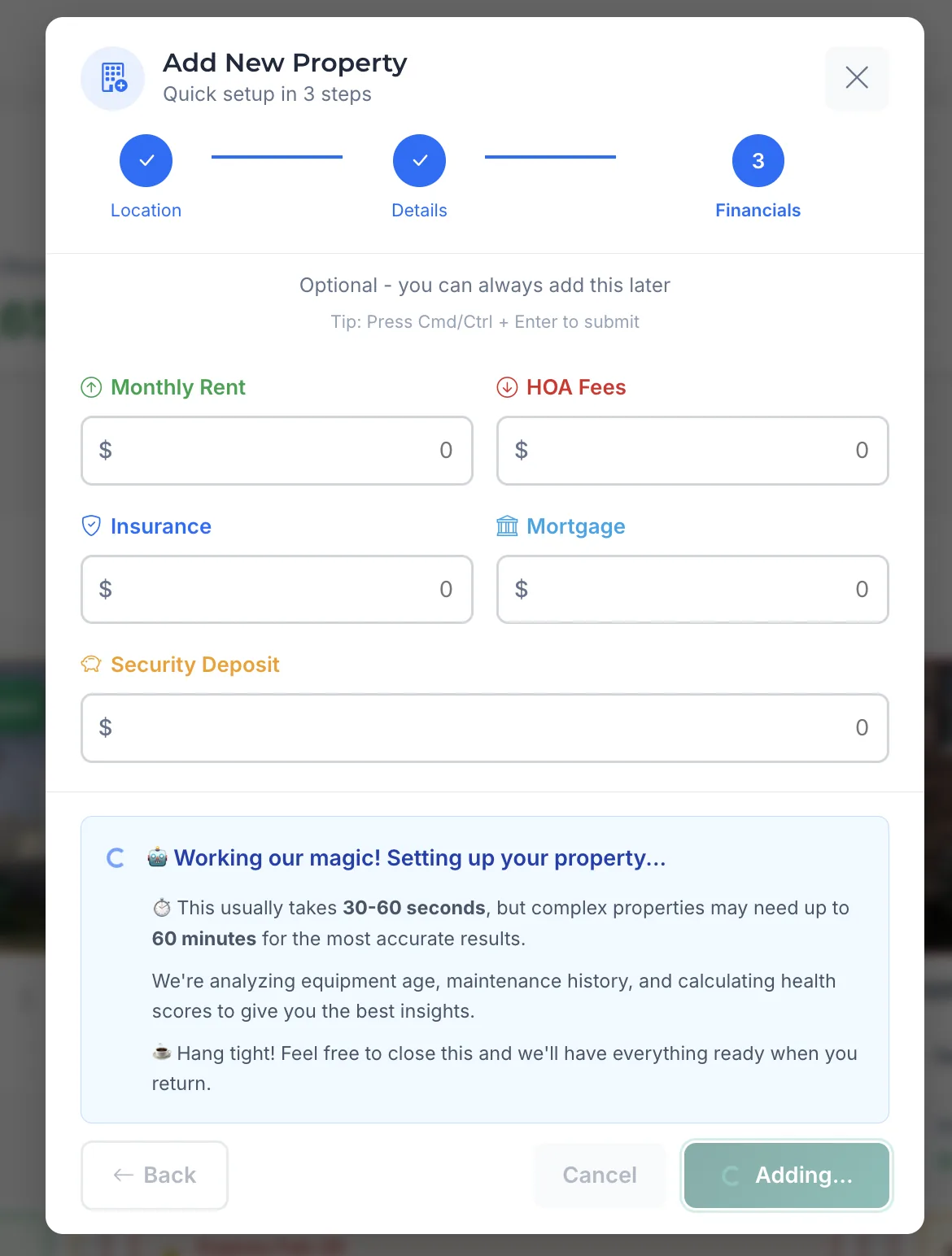
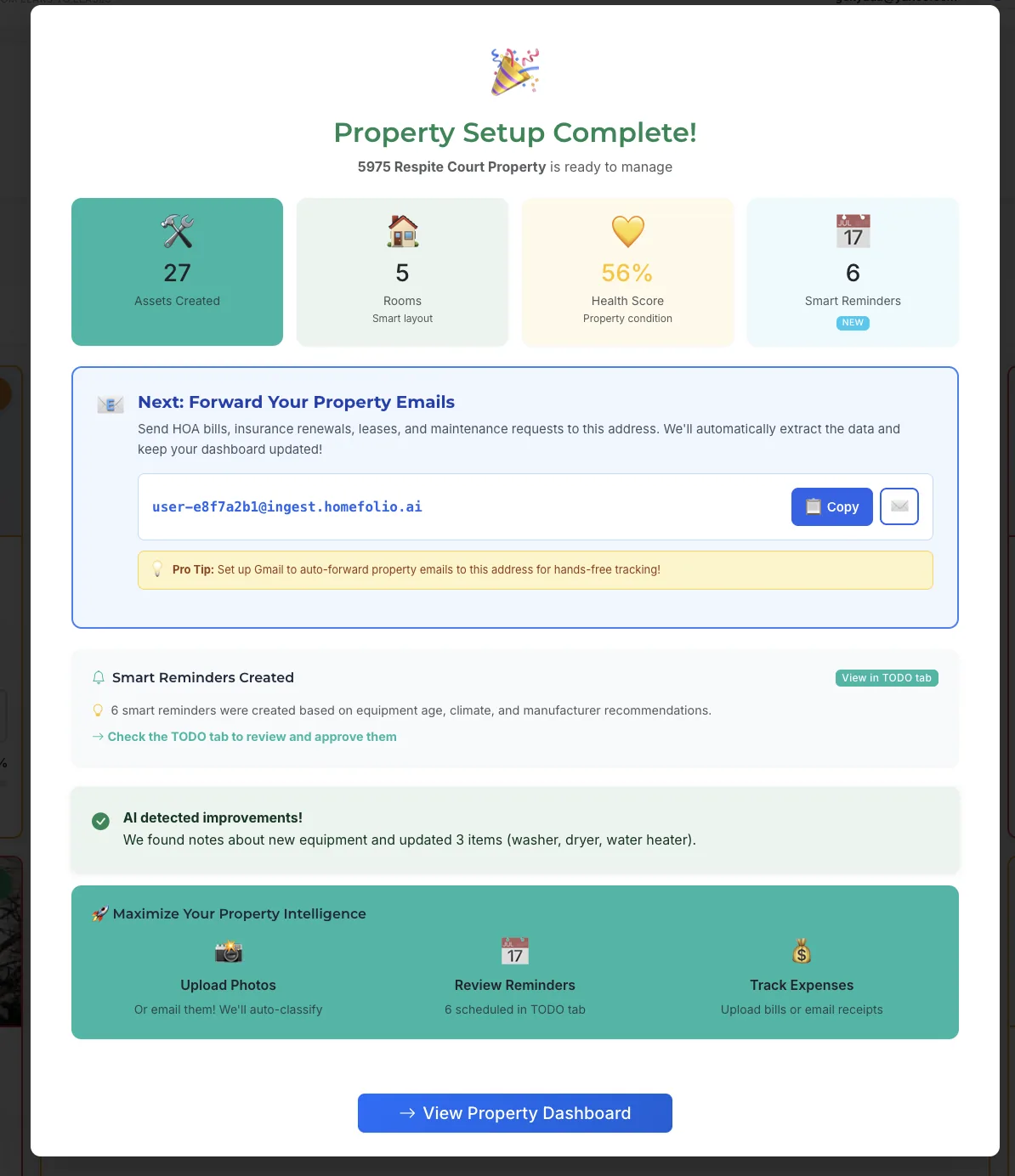
Enter Homefolio AI, your secret weapon for property tax assessments. Homefolio AI solves the problem of keeping track of property-related documents by ensuring they are already there when needed for assessments, with improvements and receipts connected to the right property automatically. This digital assistant can be a game-changer when dealing with tax assessments. Learn more here.

By having your documents organized and improvements recorded without any manual effort, you're always prepared for your next assessment. This proactive approach can prevent costly surprises and provide peace of mind knowing your home's information is in one place, ready when you need it.

Imagine avoiding the frantic search for receipts or documents at the last minute. With Homefolio AI, these documents are ready for you, potentially saving you time and lowering your tax burden by contesting inaccuracies with confidence.

FAQs About Property Tax Assessments

How often are property tax assessments conducted?

Property tax assessments typically occur annually or bi-annually, depending on your local jurisdiction. Some areas may reassess properties less frequently, such as every three to five years. Regular assessments ensure that tax bills reflect current market values. It's essential to stay informed about your local assessment schedule to prepare for potential changes in your property tax.

What happens if I miss the deadline to appeal my assessment?

Missing the deadline to appeal your assessment generally means you'll have to wait until the next assessment cycle to contest it. In the meantime, you'll be responsible for paying the current tax amount. It's crucial to keep track of appeal deadlines and act promptly if you believe your assessment is inaccurate.

Can property assessments decrease over time?

Yes, property assessments can decrease, particularly if market conditions lead to a drop in property values. Additionally, factors such as property damage or neighborhood decline can also result in a lower assessed value. However, it's less common for assessments to decrease without a significant change in these factors.

Are there any exemptions available for property taxes?

Many jurisdictions offer property tax exemptions for specific groups, such as senior citizens, veterans, or residents with disabilities. These exemptions can significantly reduce your tax burden. It's advisable to research available exemptions in your area and apply if you qualify, ensuring you don't pay more than necessary.

How do recent home sales in my area affect my assessment?

Recent home sales can significantly impact your property assessment. Assessors use comparable sales data to estimate your property's market value, which influences your assessed value and tax bill. If homes in your area have sold for substantially higher or lower prices, your assessment may reflect these trends.

Your Home's Records — Already There When You Need Them.

Warranties, receipts, maintenance history, and appliance details — connected to your property automatically.

Get Started Free →