Property Tips

Avoid Costly Repairs: How to Track Seasonal Home Maintenance

Avoid Costly Repairs: How to Track Seasonal Home Maintenance

The average American home has $14,000 in appliances. Most homeowners can't find a single warranty document. That's a scary thought when you consider the potential cost of repairs due to neglect. If you've ever had to shell out thousands because you missed a minor issue, you're not alone. Let’s dive into why seasonal home maintenance is not just a chore, but a financial lifesaver.

Why Ignoring Seasonal Maintenance Can Cost You $10,000+

Neglecting seasonal maintenance can transform minor issues into big-ticket repairs faster than you can say "HVAC failure." Studies suggest that missing regular HVAC checks can lead to full system replacements costing upwards of $7,000. Similarly, ignoring roof inspections might mean a surprise $10,000 bill during the next rainstorm. According to home insurance data, water damage alone can cost over $3,000 per incident, often due to unchecked gutters.

Real-life horror stories abound. Take, for example, a homeowner who ignored small drafts around windows. Fast forward a few winters, and they faced a hefty $5,000 bill for mold remediation. Or how about the owner who didn’t bother with annual furnace inspections? They ended up replacing the entire system after a carbon monoxide leak scare.

Financially speaking, it's clear: avoiding seasonal maintenance can be the costliest decision a homeowner can make. Don’t let laziness or forgetfulness drain your bank account. Instead, invest a little time and effort upfront to save thousands down the line.

The Essential Seasonal Maintenance Checklist for Every Homeowner

To keep your home in top shape, a seasonal maintenance checklist is indispensable. Start with the basics: inspect heating systems in the fall, and check air conditioning units in the spring. Regularly clean gutters and downspouts, especially before the rainy seasons. Check smoke and carbon monoxide detectors every three months, and test sump pumps before the wet season.

Winter demands its own set of chores—insulate pipes, clean chimneys, and seal windows and doors to prevent heat loss. In the summer, focus on exterior tasks like inspecting the roof, cleaning siding, and maintaining your lawn and garden. A comprehensive checklist ensures you address these tasks methodically.

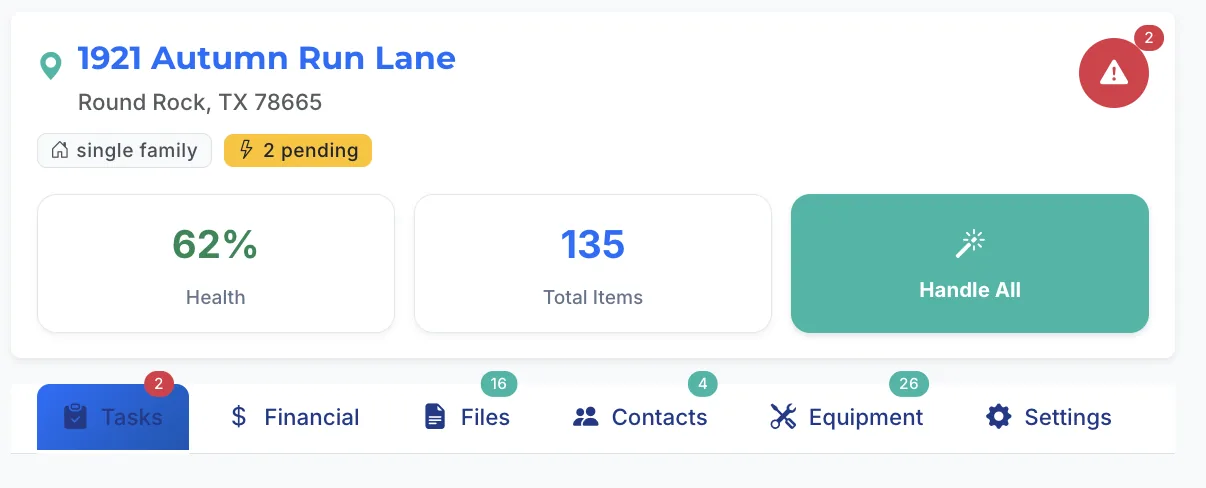
For easy reference, download a printable checklist. Tack it on your fridge or store it in your Homefolio AI account. This way, your home's information is in one place, ready when you need it. You can find a useful checklist here.

How to Schedule Maintenance Without Overwhelm

Scheduling maintenance tasks doesn't have to be overwhelming. Tools and apps like Google Calendar or Trello can help. Set monthly reminders for smaller tasks like replacing HVAC filters or checking fire extinguishers. Divide larger projects by season to spread out your workload. For example, focus on indoor checks in winter and outdoor maintenance in summer.

Consider breaking down tasks into weekly to-dos. Spend a few minutes each weekend checking off one item. This approach prevents burnout and keeps you on track. Remember, the key is consistency, not perfection. Missed a task? Reschedule it for the next available weekend instead of cramming it into an already busy week.

Lastly, leverage family members or housemates to share the load. Assign specific tasks to each person to lighten the burden. Even young children can help with simple tasks like checking for window drafts or testing smoke alarms. Teamwork not only gets the job done faster but also teaches everyone the importance of upkeep.

Spotting Small Issues Before They Become Big Problems

Visual inspections are your first line of defense against expensive repairs. Walk around your home monthly, looking for signs of wear and tear. Start with the exterior: inspect the roof for missing shingles, check the foundation for cracks, and look for peeling paint or wood rot.

Indoors, check for leaks under sinks, around toilets, and near appliances. Pay attention to musty odors, which could indicate hidden mold. Flickering lights or frequent circuit trips might signal electrical issues. Catching these early can prevent larger, more costly repairs down the line.

Train your eye to spot potential problems. For instance, a small water stain on the ceiling might not seem urgent, but it could indicate a leaky roof. Addressing these signs promptly can save you thousands in future repair costs. Regular inspections are an investment in your home’s longevity.

Leveraging Technology for Hassle-Free Maintenance

Smart home devices can simplify maintenance. Consider installing water leak detectors, smart thermostats, and home monitoring systems. These gadgets alert you to issues before they escalate. For example, a smart thermostat can notify you of unusual energy use, hinting at potential HVAC problems.

Technology can also automate maintenance reminders. Use apps that sync with your smart home devices to schedule regular checks. You can set up notifications for filter changes, battery replacements, or even lawn care appointments. This digital assistant reduces the mental load of keeping track of numerous tasks.

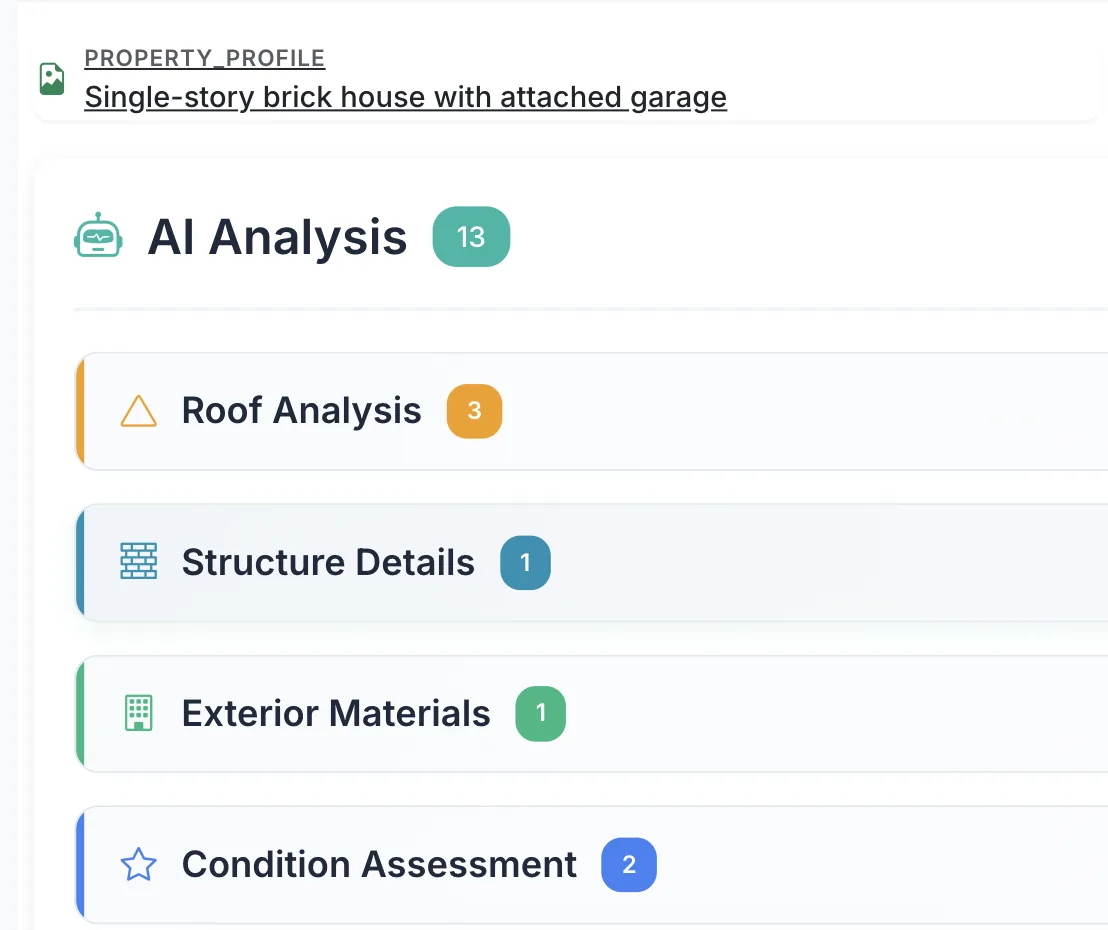
For document management, Homefolio AI ensures your home's documents and warranties are already there when you need them, connected to the right property. Visit Homefolio AI to keep your home in great shape.

FAQs on Seasonal Home Maintenance

What is the most important seasonal maintenance task?

Arguably, the most crucial task is checking your HVAC system. This ensures your home remains comfortable throughout the year. Regular HVAC maintenance can extend the life of your system, improve efficiency, and reduce the risk of costly repairs. It's wise to have a professional inspection twice a year—once in spring and once in fall.

How often should I check my HVAC system?

Check your HVAC system at least every six months. Ideally, schedule professional inspections in the spring and fall. Between these check-ups, replace filters every 1-3 months depending on usage. Regular maintenance helps maintain efficiency, reduces energy bills, and prolongs the system's lifespan.

What are the best tools for DIY maintenance?

For DIY maintenance, invest in a quality toolset. Essential tools include a hammer, screwdrivers, a wrench set, a utility knife, and a measuring tape. A ladder, cordless drill, and a stud finder are also useful. Additionally, safety gear like gloves and goggles ensures your safety during tasks.

Can I hire someone to handle seasonal maintenance for me?

Yes, many homeowners hire professionals for seasonal maintenance. Services range from lawn care to HVAC inspections. Hiring a pro ensures tasks are done correctly and frees up your time. Research local companies, read reviews, and ask for recommendations to find a reliable service provider.

How do I find reliable contractors for seasonal tasks?

Start by asking friends and family for recommendations. Online platforms like Angie's List and HomeAdvisor offer reviews and ratings for local contractors. Verify the contractor's licenses and insurance, and request quotes from multiple providers to compare. Always check references before making a decision.

Your Home's Records — Already There When You Need Them.

Warranties, receipts, maintenance history, and appliance details — connected to your property automatically.

Get Started Free →