Property Tips

Avoid Costly Repairs: Steps to Take When an Appliance Breaks

Avoid Costly Repairs: Steps to Take When an Appliance Breaks

The True Cost of Ignoring Broken Appliances

Consider this: the average American home has $14,000 tied up in appliances. Yet, most homeowners can't find a single warranty document when needed. Ignoring minor issues with these appliances can lead to significant expenses down the road. For instance, a leaking dishwasher might seem harmless until it wrecks the hardwood floor beneath it, costing thousands in replacement and repair.

Studies suggest that 45% of homeowners delay appliance repairs due to cost concerns, only to face much higher bills later. A simple repair on a refrigerator that could cost $200 might escalate to a $1,500 replacement if left unchecked. Ignoring these issues not only affects your wallet but can also decrease your home's resale value.

According to home insurance data, appliance-related water damage ranks as one of the top claims. These repairs average $2,500—an expense that could often be avoided with timely intervention. By understanding the true cost of ignoring broken appliances, you can make informed decisions and save your home from unnecessary damage.

Immediate Actions to Take When an Appliance Fails

When an appliance fails, the first rule is safety. Disconnect the appliance to avoid electrical hazards. For gas-powered devices, shut off the gas supply immediately. Only then should you assess the situation. Is there a burning smell? Is any liquid leaking? These observations can help you diagnose the problem—or at least describe it to a professional later.

Next, dive into your home files—check for warranty coverage or service plans. According to industry data, roughly 60% of appliance warranties cover repairs for the first year, but these documents often vanish into the abyss of neglected paperwork. If you're lucky enough to find them, you could save a significant amount on repair costs.

If the appliance is under warranty, contact the manufacturer or authorized service center immediately. In the meantime, avoid using the appliance. Using a malfunctioning appliance can void the warranty and create further issues. Remember, warranties are your financial shield—use them while you can.

Deciding Between Repair and Replacement

When deciding whether to repair or replace an appliance, consider its age, the cost of repair, and energy efficiency. For instance, a refrigerator over ten years old with a repair cost exceeding half its value is a candidate for replacement. New models are often more energy-efficient, saving you money in the long run.

Industry guidelines suggest the "50% rule": if the repair costs more than 50% of the cost of a new appliance, replacement is the smarter choice. For example, a washing machine repair costing $300 on a decade-old model might be better spent as a down payment on a new, energy-efficient model.

Replacing an appliance may have upfront costs, but consider the benefits—lower energy bills and fewer breakdowns. A new appliance typically comes with a new warranty, giving you peace of mind. Weigh these factors carefully to make the best financial decision for your home.

Finding the Right Repair Service

Selecting a reputable technician is crucial. Start by asking for recommendations from friends or neighbors. Online reviews can also provide insight, but take them with a grain of salt. Look for technicians who are certified by manufacturers—this often means they've received specialized training for your specific appliance brand.

Before hiring a repair service, ask pertinent questions: How long have they been in business? Are they insured and licensed? What is their warranty on labor and parts? A solid repair service should provide clear answers and transparent pricing. Industry data shows that 40% of homeowners choose a service based solely on cost, often leading to subpar repairs.

One actionable tip is to request a written estimate before any work begins. This document should outline parts, labor, and any additional fees. A professional service will respect this request, giving you the confidence that you won't be blindsided by unexpected costs.

Leveraging Homefolio AI for Appliance Repairs

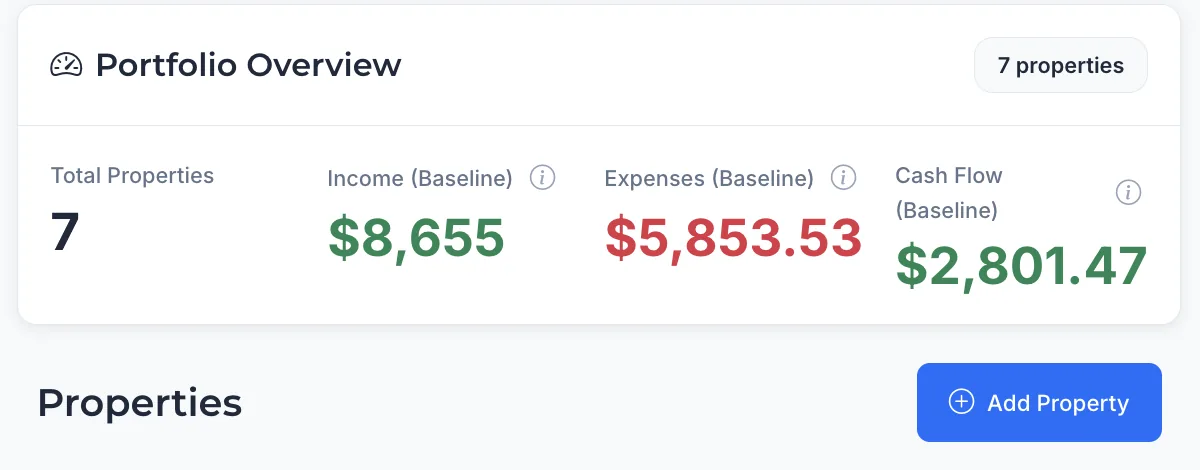
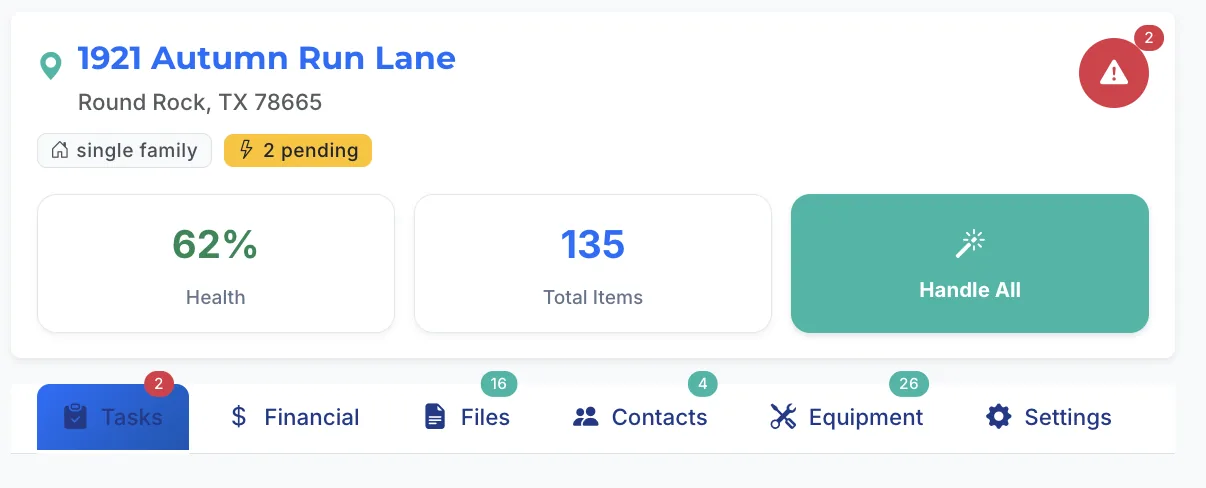
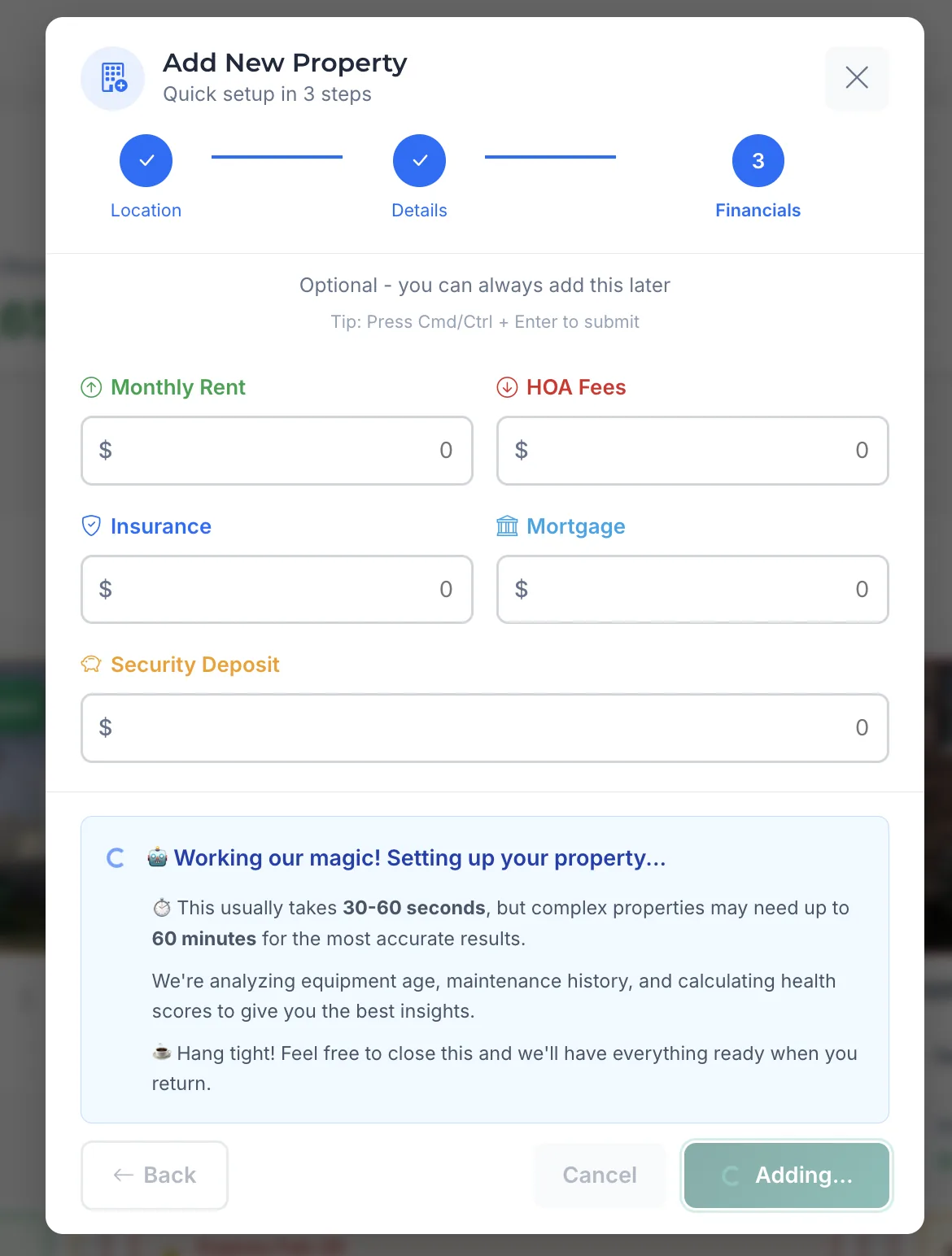
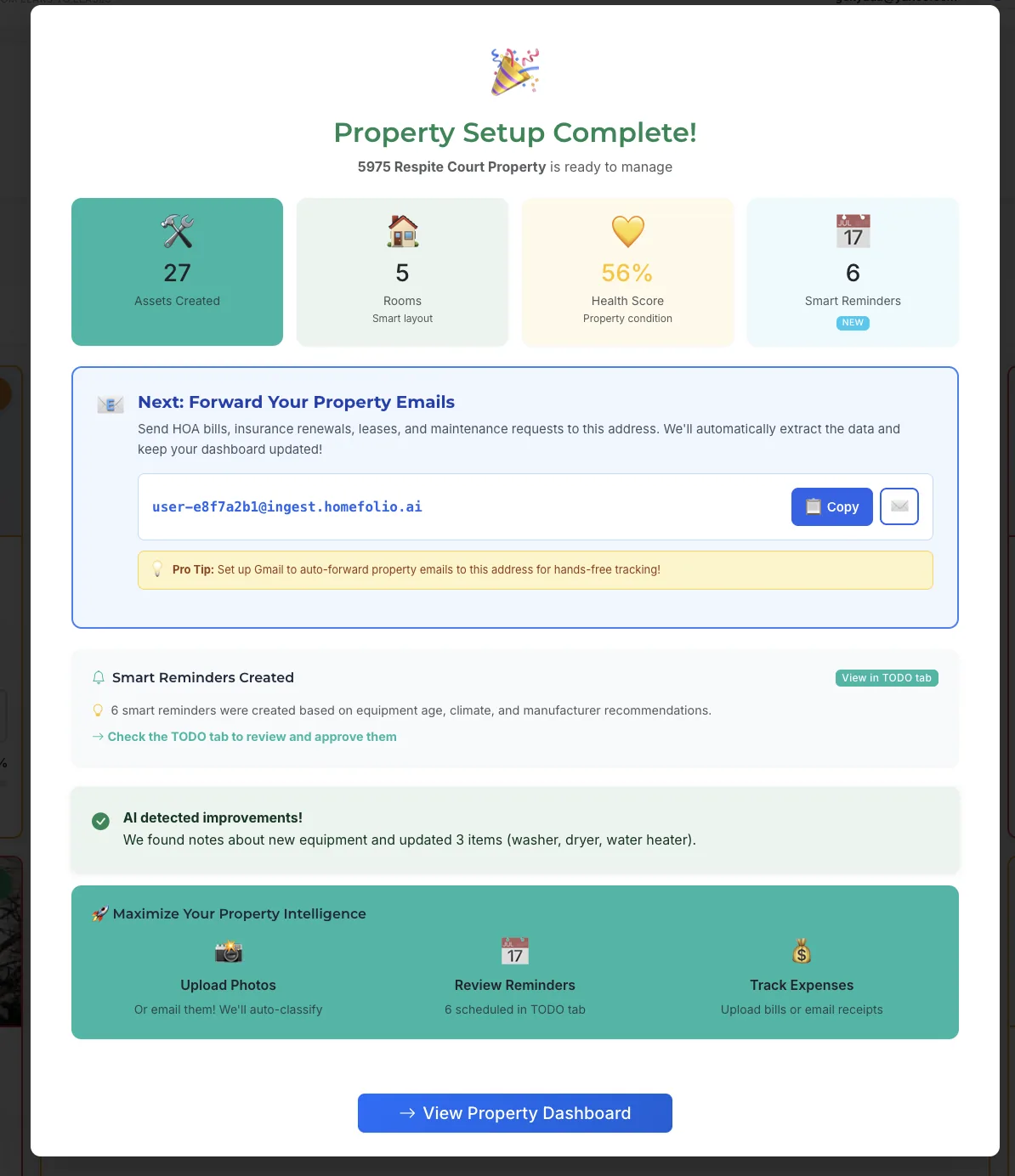
Managing appliance repairs can be a hassle, but Homefolio AI simplifies the process. When an appliance breaks, your repair documentation is already there, connected to the right property, and ready when you need it. With Homefolio AI, you can focus on the repairs themselves, not the paperwork, ensuring your home's information is in one place and handled automatically.

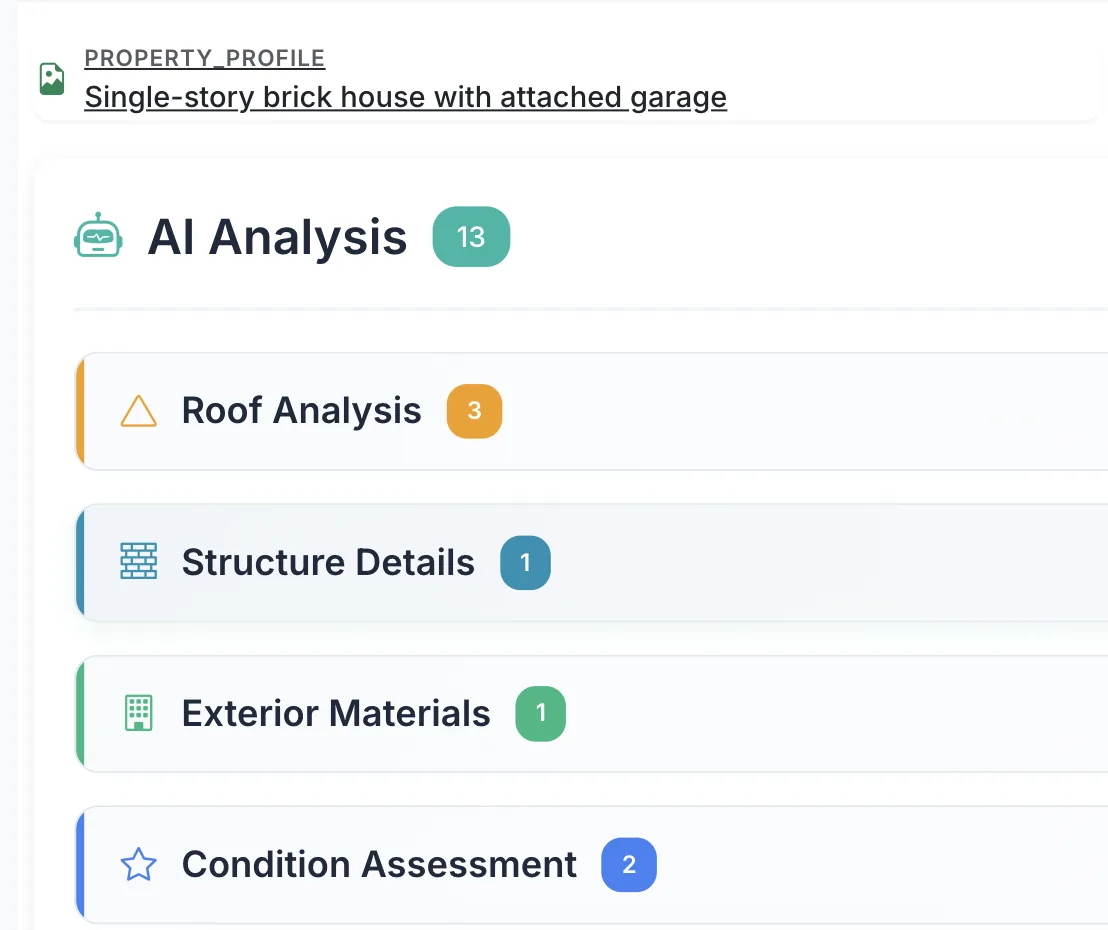
Homefolio AI helps you keep track of maintenance schedules, warranties, and repair histories without lifting a finger. This seamless integration means that when it's time to file an insurance claim or sell your home, everything you need is at your fingertips—no more scrambling for lost receipts or forgotten service dates.

By leveraging technology, you can save time, reduce stress, and maintain the value of your biggest asset—your home. In the age of smart homes, why not have smart solutions for your appliances too?

FAQs on Handling Broken Appliances

Can I fix my appliance myself?

While some minor issues like a clogged filter can be handled DIY-style, complex repairs are best left to professionals. Attempting major repairs without expertise can void warranties and lead to safety hazards. Always consult the owner's manual or a professional technician if you're unsure about the complexity of the repair.

What should I do if my appliance is under warranty?

If your appliance is under warranty, contact the manufacturer or the authorized service center immediately. Do not attempt any repairs yourself, as this could void the warranty. Keep all purchase receipts and warranty documents handy to streamline the service process.

How long should I keep repair receipts?

It's prudent to keep repair receipts for at least the length of the warranty period, or until you replace the appliance. These documents can be invaluable for future repairs, resale, or insurance claims. With Homefolio AI, your repair history is connected to the right property, making it easier to manage.

How can I prevent future breakdowns?

Regular maintenance is key. Clean filters, check seals, and follow the manufacturer's maintenance guidelines. Many appliance failures are due to neglect, so set reminders for routine checkups. Investing in maintenance can extend the life of your appliances and reduce the likelihood of unexpected breakdowns.

What documentation do I need for insurance claims?

For insurance claims, you'll need purchase receipts, warranty information, repair receipts, and photos of the damage. Detailed documentation can expedite the claims process. Using Homefolio AI, your home's information is in one place, making it simple to access what you need when you need it.

Your Home's Records — Already There When You Need Them.

Warranties, receipts, maintenance history, and appliance details — connected to your property automatically.

Get Started Free →