Avoid Costly Repairs: The Importance of Appliance Warranties
The average American home has $14,000 in appliances. Most homeowners can't find a single warranty document. That's a problem when the oven stops heating on Thanksgiving morning and you're left scrambling for help. The truth is, appliance warranties aren't just pieces of paper—they're lifelines that can save you serious cash when things go south.
The Hidden Costs of Ignoring Appliance Warranties
Picture this: your refrigerator goes kaput in the middle of a heatwave. Without a warranty, you're looking at an average repair cost of $300. According to industry data, this is a common scenario. Studies suggest that nearly 50% of homeowners face unexpected appliance failures within the first five years, and without warranties, these repairs can run hundreds to thousands of dollars.
Consider the case of Jennifer from Ohio. Her washing machine broke down three years after purchase. Lacking a warranty, she paid $450 for repairs—nearly half the price of a new unit. Multiply that by multiple appliances, and you begin to see how the costs can escalate quickly.
Statistics reveal that homeowners spend an average of $1,200 per year on appliance repairs without warranties. That's like throwing money into a pit in your backyard. A wise homeowner would instead use that cash to upgrade the kitchen or re-seed the lawn. Warranties, therefore, are not mere luxuries; they are strategic safeguards.
Understanding Appliance Warranty Coverage
A typical appliance warranty usually covers manufacturing defects and certain parts for a specific period, often one to two years. Some warranties even extend coverage to labor costs for repairs, providing a comprehensive safety net. However, it's essential to read the fine print—there's always a catch.
Many warranties exclude "wear and tear" or misuse. That means if you accidentally crack the glass top of your stove—or if your kid decides to practice their baseball swing indoors—you might be out of luck. Homeowners need to be proactive in understanding what is and isn't covered to avoid unpleasant surprises.
To leverage warranties effectively, scrutinize the coverage details before purchase. Opt for warranties that include both parts and labor, and always keep a copy of your purchase receipt. A little vigilance now can save you a lot of trouble—and money—later.
How Warranties Can Save You Money
Extended warranty options can be a homeowner's best friend. Consider the scenario where your dishwasher's motor fails three years in. Without an extended warranty, repair costs can jump to $400. However, with a $150 extended warranty, you're covered—no additional out-of-pocket expenses.
Industry data shows that extended warranties can reduce repair costs by up to 60%. Homeowners who invest in them often find peace of mind, knowing they are protected against future breakdowns. It's a financial cushion that keeps your budget intact.
Compare this to the cost of repairing a high-efficiency washer without a warranty, which could set you back $500 or more. With a warranty, those costs plummet, potentially saving you hundreds of dollars. It's a simple equation: the upfront cost of a warranty versus the unpredictable, often exorbitant costs of future repairs.
The Role of Warranties in Home Resale Value
When you decide to sell your home, having appliance warranties can significantly enhance its market appeal. Prospective buyers are more inclined to close a deal knowing they're covered if something breaks down post-purchase. This assurance can be the tipping point in a competitive market.
Home insurance data suggests that homes with transferable warranties sell faster and at higher prices than those without. Warranties act as a selling feature, much like a remodeled kitchen or a finished basement, providing a tangible benefit to the buyer.
Proper documentation of warranties in seller disclosures can streamline the selling process. Ensure you maintain clear records of all active warranties and provide them to your real estate agent. This transparency builds trust with potential buyers and could mean the difference between a stalled listing and a successful sale.
Easily Keep Track of Your Warranties with Homefolio AI
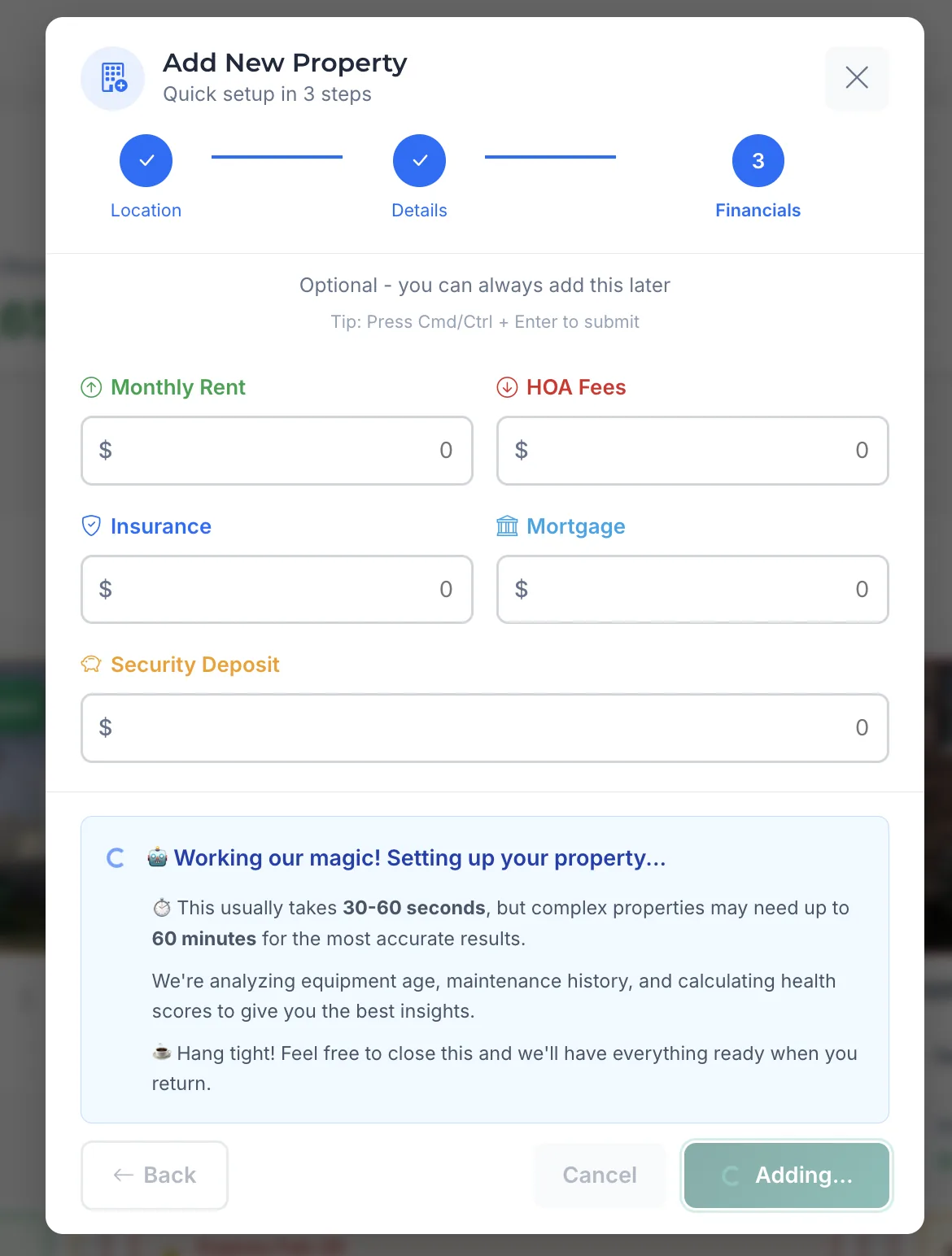
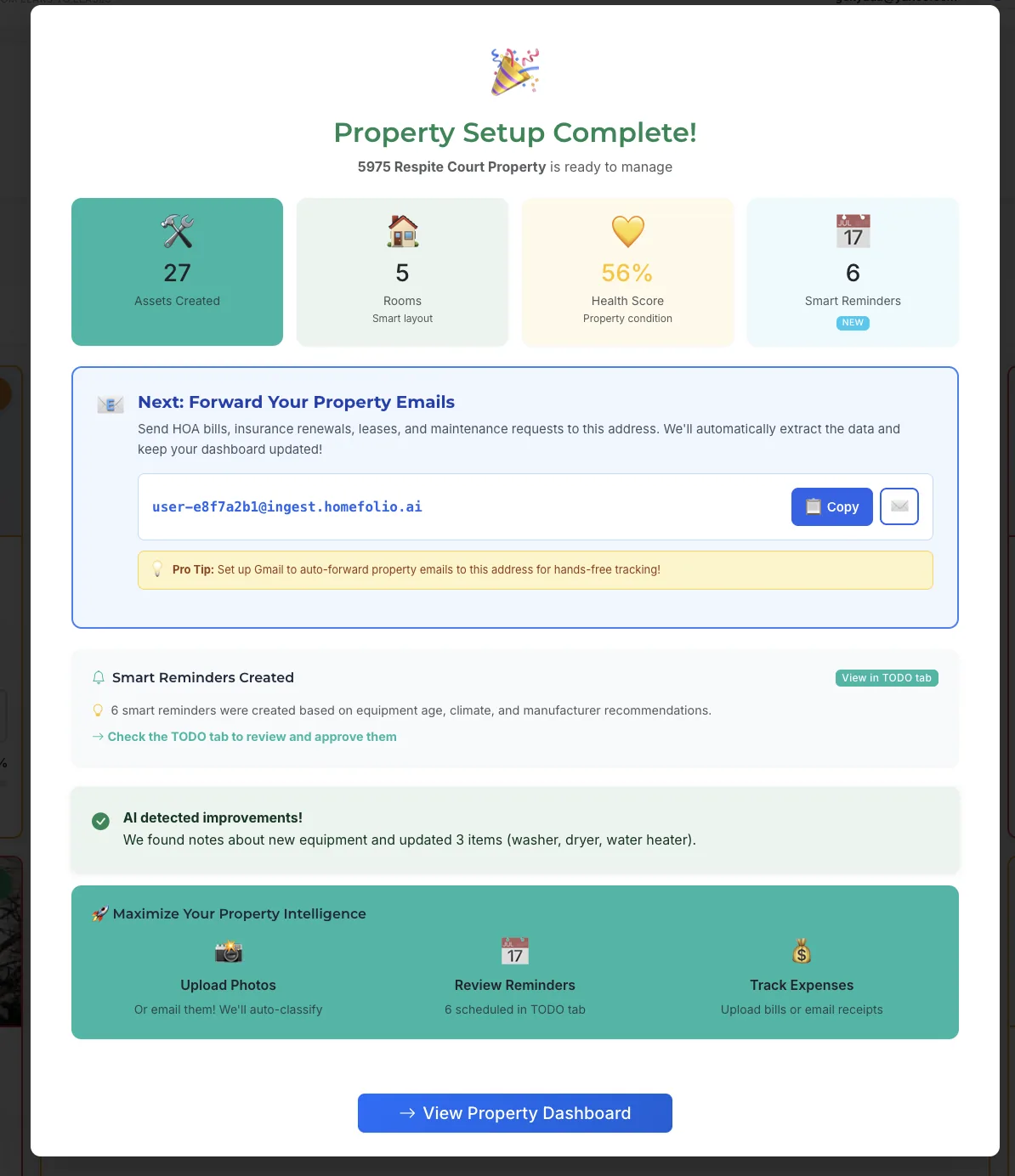
Forgetting where you've stored your appliance warranties can be a homeowner's nightmare. Enter Homefolio AI, which ensures your warranties are already there when you need them, and connects them to the right property seamlessly, preventing costly oversights. Visit Homefolio AI to see how your home's information can be in one place, ready when you need it most.
Homefolio AI takes the guesswork out of warranty management. When your appliance is on the fritz, you don't want to waste time rifling through drawers. With everything handled automatically, you can focus on enjoying your home, not managing paperwork.
By linking warranties directly to your property, Homefolio AI provides a hassle-free solution that keeps you prepared. It’s peace of mind, digitized and simplified—a modern solution for the modern homeowner.
FAQs about Appliance Warranties
What appliances typically come with warranties?
Most major home appliances come with warranties, including refrigerators, ovens, washers, dryers, dishwashers, and HVAC systems. These warranties typically cover defects in materials and workmanship, so it's crucial to verify the specifics for each appliance. Always check your appliance manual or the manufacturer's website for details on the warranty terms.
How long do most appliance warranties last?
Typically, appliance warranties last between one to two years. Some manufacturers offer extended warranties for an additional cost, which can extend coverage up to five years or more. It's wise to consider an extended warranty if you plan on keeping the appliance long-term, as many issues often arise after the initial warranty period expires.
Can I buy an extended warranty after purchase?
Yes, many manufacturers and third-party companies allow you to purchase an extended warranty after the initial purchase. However, there is usually a limited window in which you can do this, often within the first year of owning the appliance. Be sure to check with the appliance manufacturer or retailer for their specific policies.
What should I do if my warranty claim is denied?
If your warranty claim is denied, first review the denial letter to understand the reason. It could be due to an exclusion clause or a lapse in coverage. If you believe the denial is in error, contact the manufacturer for clarification. If necessary, escalate the issue by asking to speak with a supervisor or consider filing a complaint with consumer protection agencies.
How do I transfer a warranty when selling my home?
Transferring a warranty when selling your home involves a few steps. First, verify that the warranty is transferable—some may not be. Then, provide the buyer with all documentation and registration information. Contact the warranty provider to update the ownership details. This can enhance the buyer's confidence and potentially increase the home's value.