Property Tips

Avoid Costly Repairs: Document Your Home Maintenance History

Avoid Costly Repairs: Document Your Home Maintenance History

The average American home has $14,000 in appliances. Yet, most homeowners can't find a single warranty document when disaster strikes. It's a financial landmine waiting to explode, and if you think you're immune, think again. Studies suggest that 80% of homeowners experience a major appliance failure within the first ten years of ownership. Without proper documentation, this can lead to unnecessary costs and headaches. Let’s dive into how you can protect yourself and your wallet.

The $10,000 Repair You Can Avoid with Proper Documentation

Picture this: It's a sweltering summer day, your HVAC system sputters its last breath, and you're staring down the barrel of a $10,000 replacement bill. A neighbor of mine faced this exact scenario, but it could have been avoided with a simple piece of paper—a maintenance record showing regular tune-ups and warranty status. This isn’t a scare tactic; it's an all-too-common reality according to home insurance data.

Proper documentation serves as more than just a bureaucratic task. It's your first line of defense against preventable disaster. When appliance failures are investigated, insurance companies often ask for maintenance records. Lacking these, claims can be denied quicker than you can say "out of pocket." Having a documented history can save you thousands and fast-track repairs.

Prevention is better than cure. When you document your home maintenance history, you create a timeline of care that can reveal patterns, predict failures, and even increase your home's resale value. Consider it a preventive tool rather than an optional chore. This simple habit can keep you ahead of costly surprises and ensure that your home remains a safe, functioning asset.

Essential Components of a Complete Maintenance Record

So, what should a complete maintenance record include? Start with the essentials: receipts, warranties, and service records. These are your holy trinity of documentation. Receipts confirm the what, warranties cover the when, and service records detail the how. Missing one of these elements can mean the difference between a free repair and an unplanned expense.

Beyond the basics, document the dates and details of each maintenance task. This ensures a clear record of when services were performed and what was done. A simple calendar entry can be your best friend here. Note the service provider’s name, the specific tasks completed, and any follow-up required. This level of detail not only aids future maintenance but also adds credibility to any claims you might need to make.

For a comprehensive record, also include photographs before and after major repairs or installations. Visual evidence can be invaluable during disputes or insurance claims. And don't underestimate the power of a simple notebook or spreadsheet. The key is consistency. Regular updates to your maintenance records can save you from future headaches and financial strain.

Using Technology for Efficient Home Maintenance Tracking

Gone are the days when file cabinets bulged with paper records. Today, digital tools can make home maintenance tracking almost effortless. Apps like HomeZada, Centriq, and Househappy offer platforms to record and manage your home’s health. These tools allow you to upload photos, scan receipts, and set reminders for routine maintenance. It's like having a digital assistant for your home.

However, each digital tool comes with its own set of pros and cons. While apps offer convenience, they also require regular updates and data entry—something that might not be everyone's cup of tea. Some apps are free with limited features, while others require a subscription for full functionality. Choose a tool that aligns with your tech-savvy level and budget.

If apps aren't your style, even a shared Google Drive or Dropbox folder can work wonders. The key is accessibility and redundancy. Ensure that you can easily share this information with family members or service professionals when needed. Remember, the goal is to have your home's information in one place, ready for any situation.

Best Practices for Keeping Records Safe and Accessible

The best maintenance records in the world won’t help if they’re lost or inaccessible. For physical records, a fireproof safe is a wise investment. For digital files, cloud storage solutions like Google Drive or OneDrive offer secure and accessible options. These platforms provide easy sharing capabilities, ensuring that anyone who needs access can have it without hassle.

Organize your records by categorizing them—electrical, plumbing, HVAC, etc.—and avoid the temptation to throw everything into one folder. Use descriptive file names and include dates to make searching a breeze. For paper records, consider using binder dividers or folders with labeled tabs.

Accessibility is crucial, both for you and for any service professionals you might hire. When hiring contractors, providing them with detailed maintenance records can make their job easier and more efficient. This can lead to more accurate estimates and quicker service, ultimately saving you time and money.

Homefolio AI: Simplifying Your Maintenance History Effortlessly

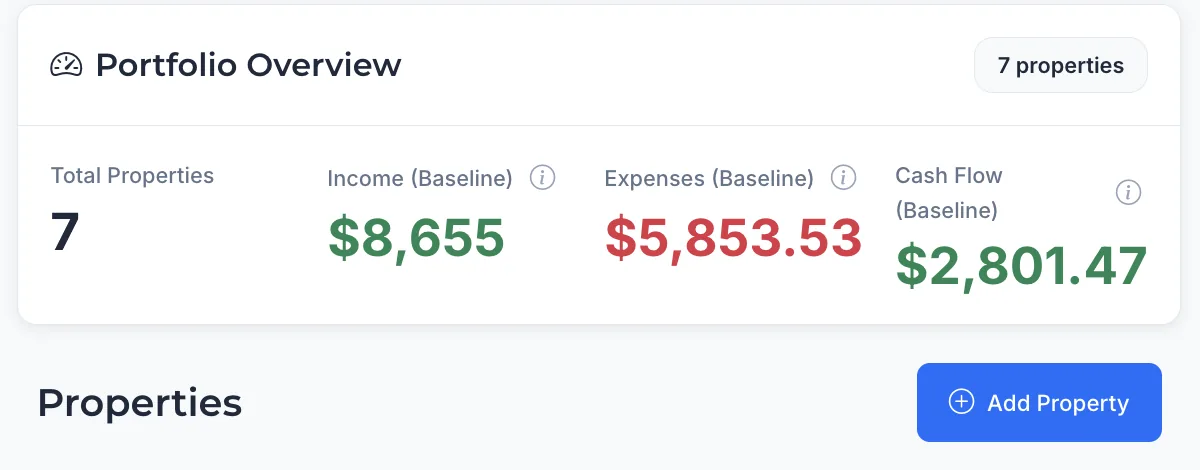
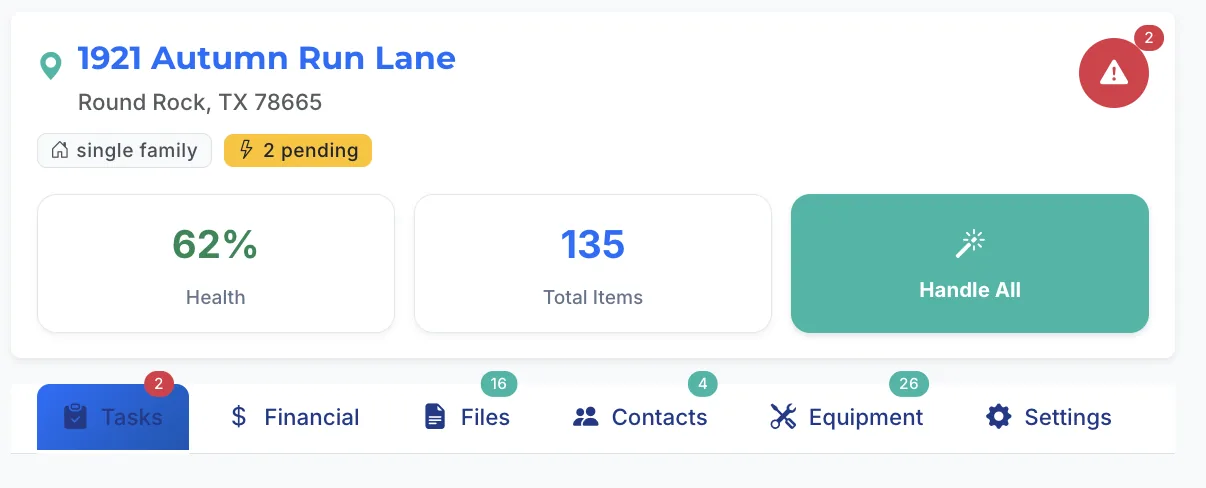
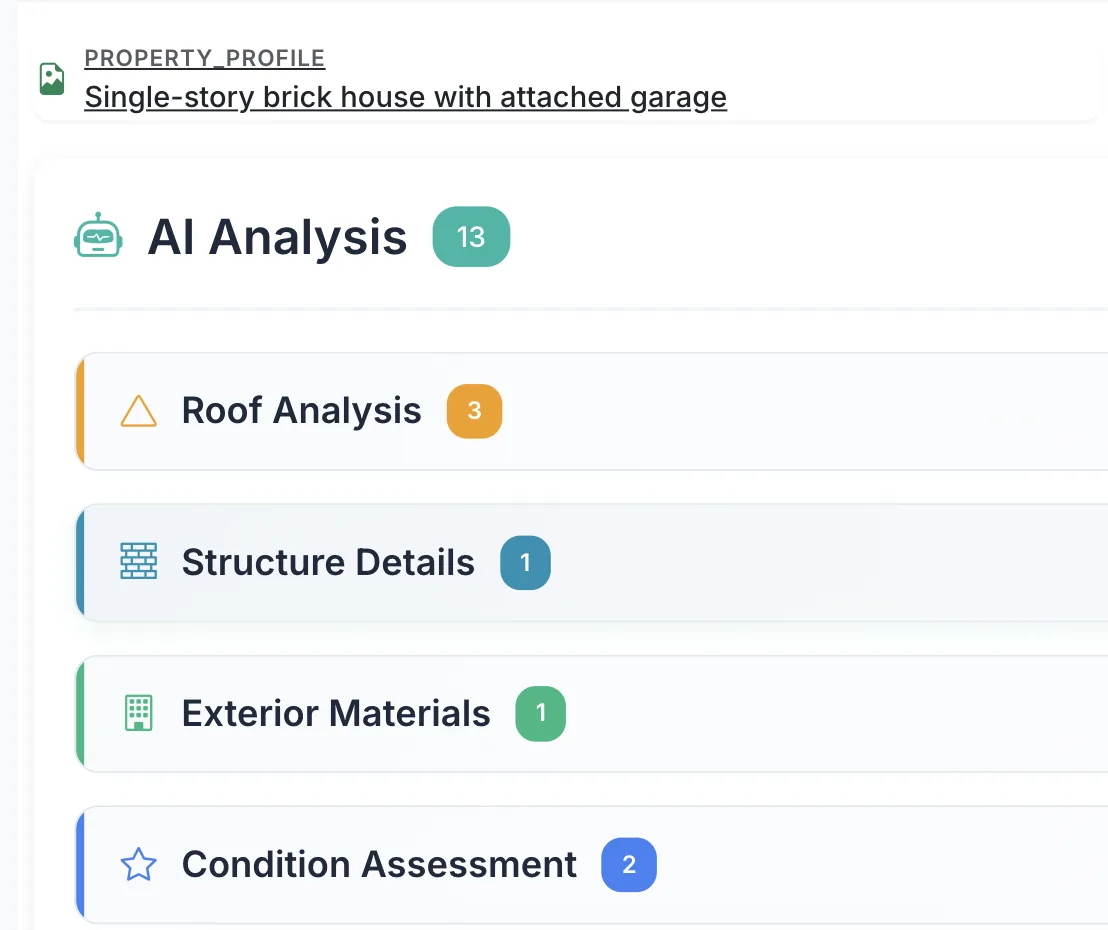
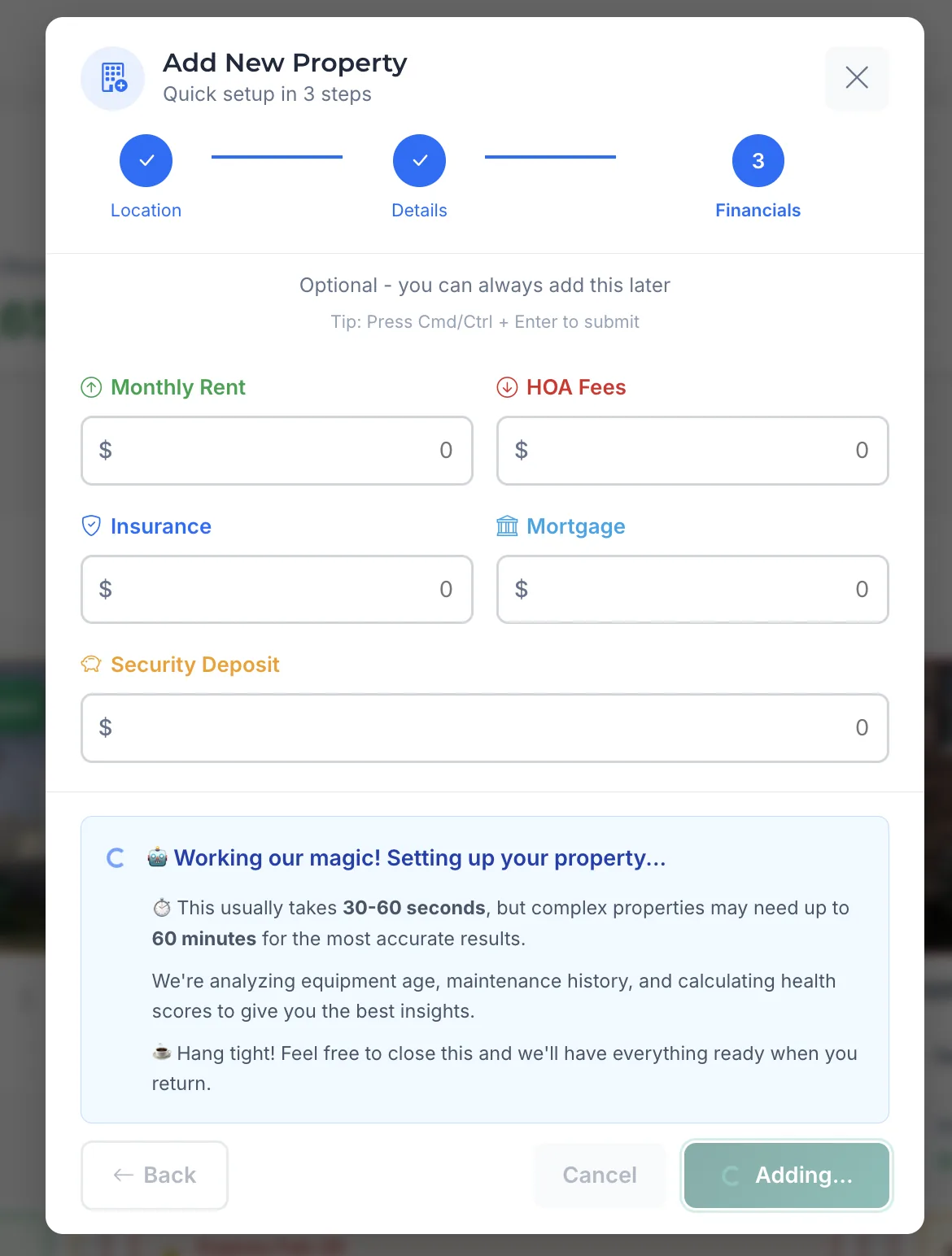
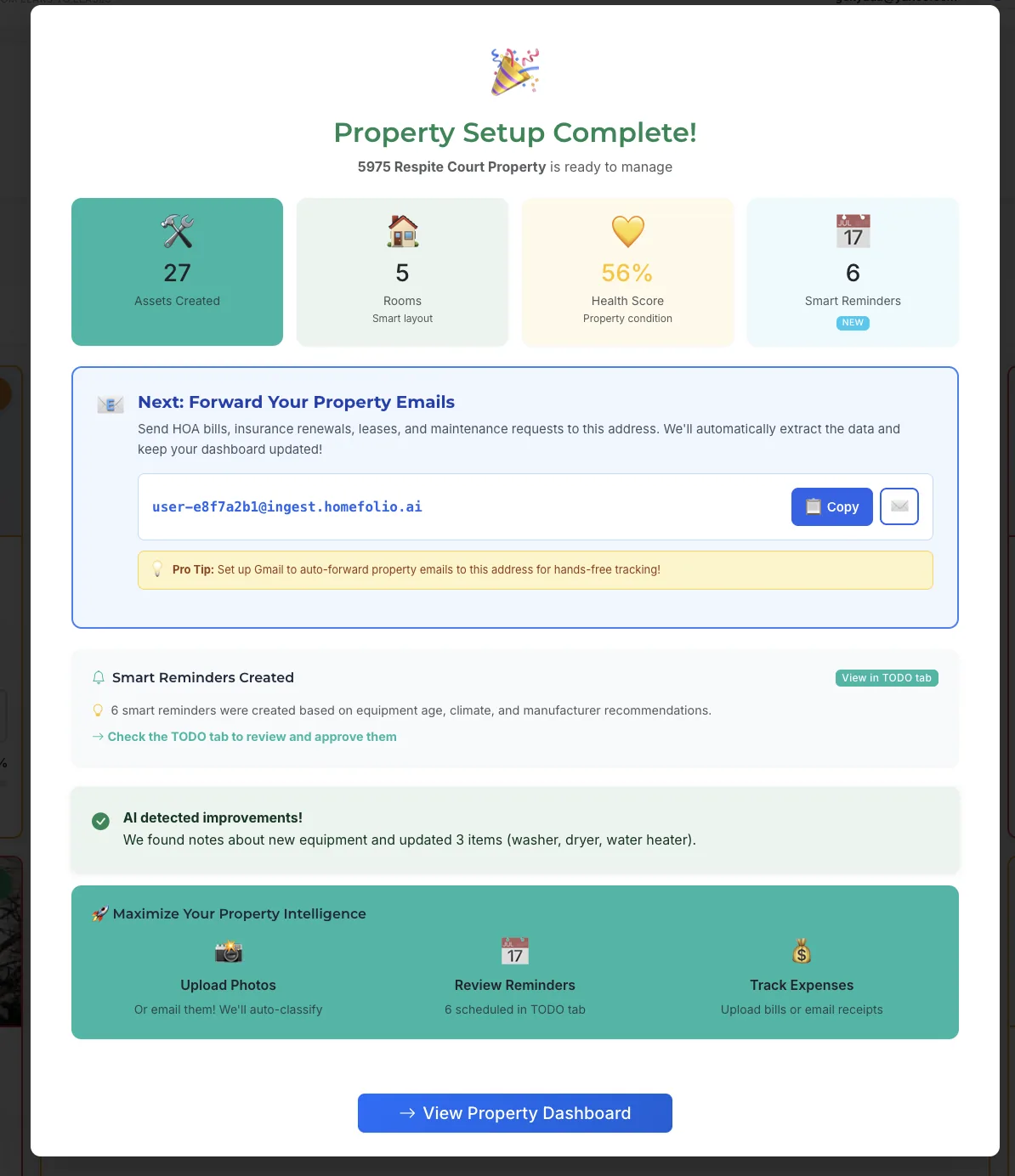
Enter Homefolio AI, your digital ally in home maintenance. This tool ensures your maintenance documentation is already there when you need it, connecting your records to the right property automatically. Visit Homefolio AI to discover how your home's information can be in one place, ready for any eventuality. No more scrambling for paperwork during a crisis or losing important documents in a sea of emails.

Homefolio AI makes it as easy as pie. Whether it's syncing records from various service providers or integrating with home management tools, it handles everything automatically. Your maintenance history is always up-to-date, and you can access it anytime, anywhere. Imagine the peace of mind knowing that all your home’s vital records are at your fingertips.

Gone are the days of frantic searches for lost documents. With Homefolio AI, your maintenance history becomes a streamlined, stress-free part of homeownership. Take the guesswork out of maintaining your most valuable asset and enjoy the confidence that comes with being prepared for whatever life throws your way.

FAQs: Home Maintenance Documentation

How often should I update my maintenance records?

Updating your maintenance records should be an ongoing process. After every service or repair, add the details to your records. Regularly scheduled maintenance, like HVAC tune-ups or gutter cleaning, should also be documented immediately. Making this a habit ensures that your records are always current and reliable.

What should I do if I've lost important maintenance documents?

All is not lost if you misplace crucial documents. First, contact the service provider for a copy of the service record or receipt. They often keep records for a few years. If you used an app or digital tool, check if you can recover deleted files. Lastly, make a note of the missing document in your record to maintain a complete history.

Can I use maintenance records for insurance claims?

Absolutely. Maintenance records can be a lifesaver during insurance claims. They provide evidence of regular upkeep, which can validate claims and potentially prevent denial. Keep detailed records of all maintenance and repairs, as they can substantiate your case and expedite the processing of claims.

How long should I keep maintenance documentation?

Ideally, maintenance documentation should be kept for the life of the home ownership or until the specific appliance or system is replaced. Some experts recommend keeping records for at least ten years. If you're selling your home, these records can be a valuable asset to potential buyers, showcasing the care and attention your property has received.

Is there a standard format for maintenance records?

While there's no one-size-fits-all format, consistency is key. Use a format that allows for easy input and retrieval of information. Whether it's a digital spreadsheet or a paper log, include fields for dates, service types, provider details, and costs. The format should be intuitive enough that you or anyone else can understand the history at a glance.

Your Home's Records — Already There When You Need Them.

Warranties, receipts, maintenance history, and appliance details — connected to your property automatically.

Get Started Free →