Avoid Costly Mistakes: What to Disclose When Selling a House
The $8,000 Mistake: Failing to Disclose Crucial Details
Picture this: You're at the closing table, ready to hand over the keys, when your buyer mentions hearing about a lawsuit. Turns out, the previous owner of your property failed to disclose a major plumbing issue. This little oversight cost them $8,000 in legal fees. Non-disclosure doesn’t just dampen the selling price—it can lead to serious financial repercussions. In fact, industry data shows that undisclosed issues can decrease a home's value by up to 5%.
Homeowners often underestimate the weight of disclosure. It's not just about being honest; it’s about protecting your biggest asset. A simple oversight can spiral into a costly ordeal. The average cost of a home-related lawsuit hovers around $15,000, according to home insurance data. Keep your peace of mind—and your wallet—intact by knowing what to disclose.
Want to avoid these pitfalls? Start by doing a comprehensive audit of your property. Note down known issues, past repairs, and any renovations completed. This proactive step can save you thousands and ensure a smoother transition to the next homeowner. Trust me, that $800 spent on a thorough inspection now could save you $8,000 in legal fees later.
Understanding Legal Requirements in Your State
Real estate isn’t a one-size-fits-all industry—especially when it comes to disclosure laws. These requirements can vary drastically from one state to another. For instance, what you must disclose in California might only be optional in Texas. Studies suggest that misunderstanding these local laws is a primary reason for costly legal entanglements.
So, where do you start? Your state’s real estate commission website is a goldmine of information. Here, you’ll find forms, guidelines, and even contact information for further questions. Additionally, consulting with a local real estate attorney can clarify any ambiguities specific to your location, ensuring you’re on solid ground.
Practical tip: Don’t rely solely on your agent’s advice regarding disclosures. While they’re a valuable resource, they’re not a substitute for legal guidance. Take the time to read up on your state’s specific requirements, and consider seeking professional legal counsel to ensure all bases are covered.
Common Issues You Must Disclose
Some issues are non-negotiable when it comes to disclosure. Structural concerns, such as foundation cracks or roof leaks, are at the top of the list. Water damage is another major area that, left undisclosed, can result in significant legal trouble. According to home insurance data, water damage claims average around $10,000. Don’t be the homeowner who tries to sweep these under the rug.
Past repairs and renovations also need to be disclosed—especially if they involved major systems like plumbing or electrical. Buyers have a right to know if that new kitchen was a weekend DIY project or a professional overhaul. Transparency here can prevent future headaches and foster trust with potential buyers.
If you’re unsure about what qualifies as a must-disclose issue, think like a buyer. What would you want to know if you were purchasing the property? Following this simple principle can guide you in your disclosure journey.
How Home Inspections Influence Disclosure
Home inspections play a critical role in the disclosure process. Inspectors are trained to find what you might overlook—everything from faulty wiring to hidden mold. Studies suggest that 80% of home transactions involve an inspection, and these reports can be invaluable in crafting your disclosure documents.
Use the inspection report as a checklist. It highlights areas that require attention or further disclosure. By addressing these issues upfront, you not only boost buyer confidence but also reduce the risk of post-sale disputes. Remember, a thorough inspection paired with a comprehensive disclosure can smooth out many potential bumps on the road to closing.
Pro tip: Attend the inspection if possible. You’ll gain firsthand insight into your home’s condition and can ask the inspector questions directly. This personal involvement can be instrumental in crafting accurate disclosures and understanding your home’s true state.
Streamline the Selling Process with Homefolio AI
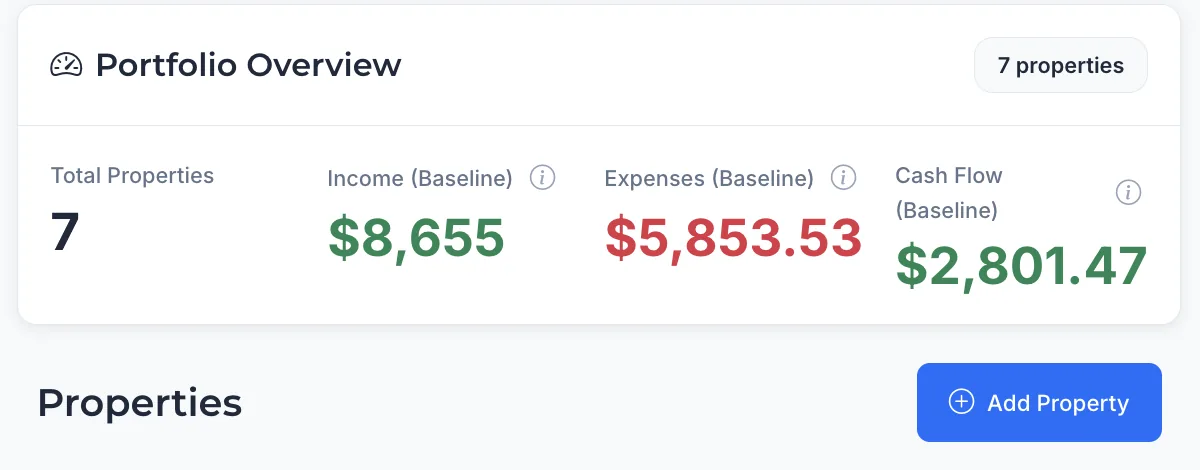
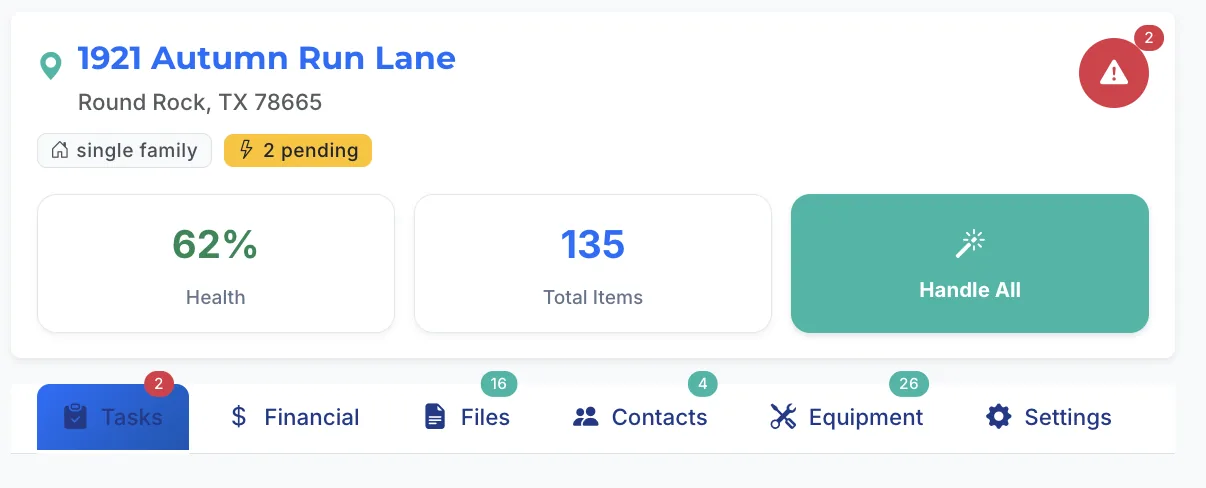
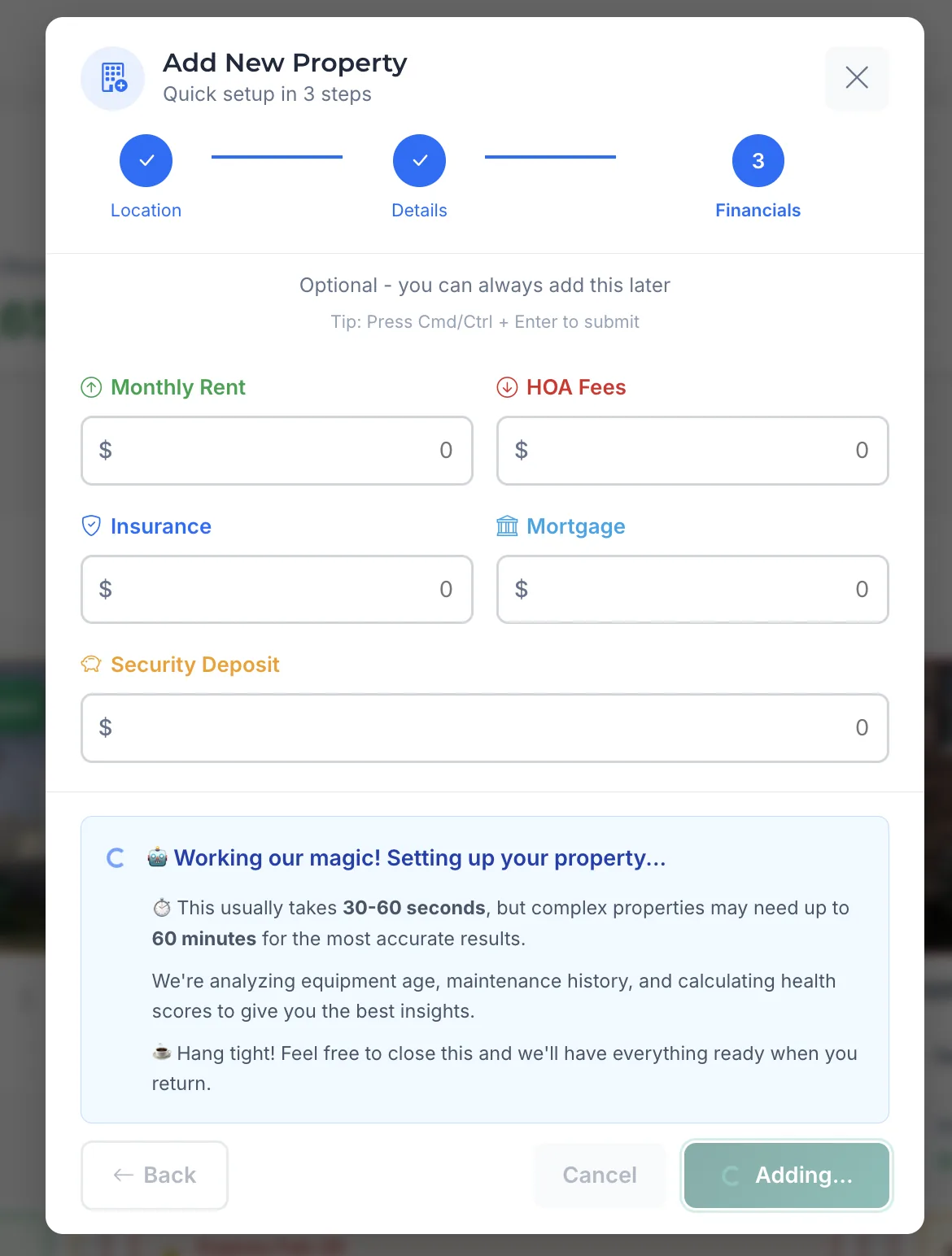
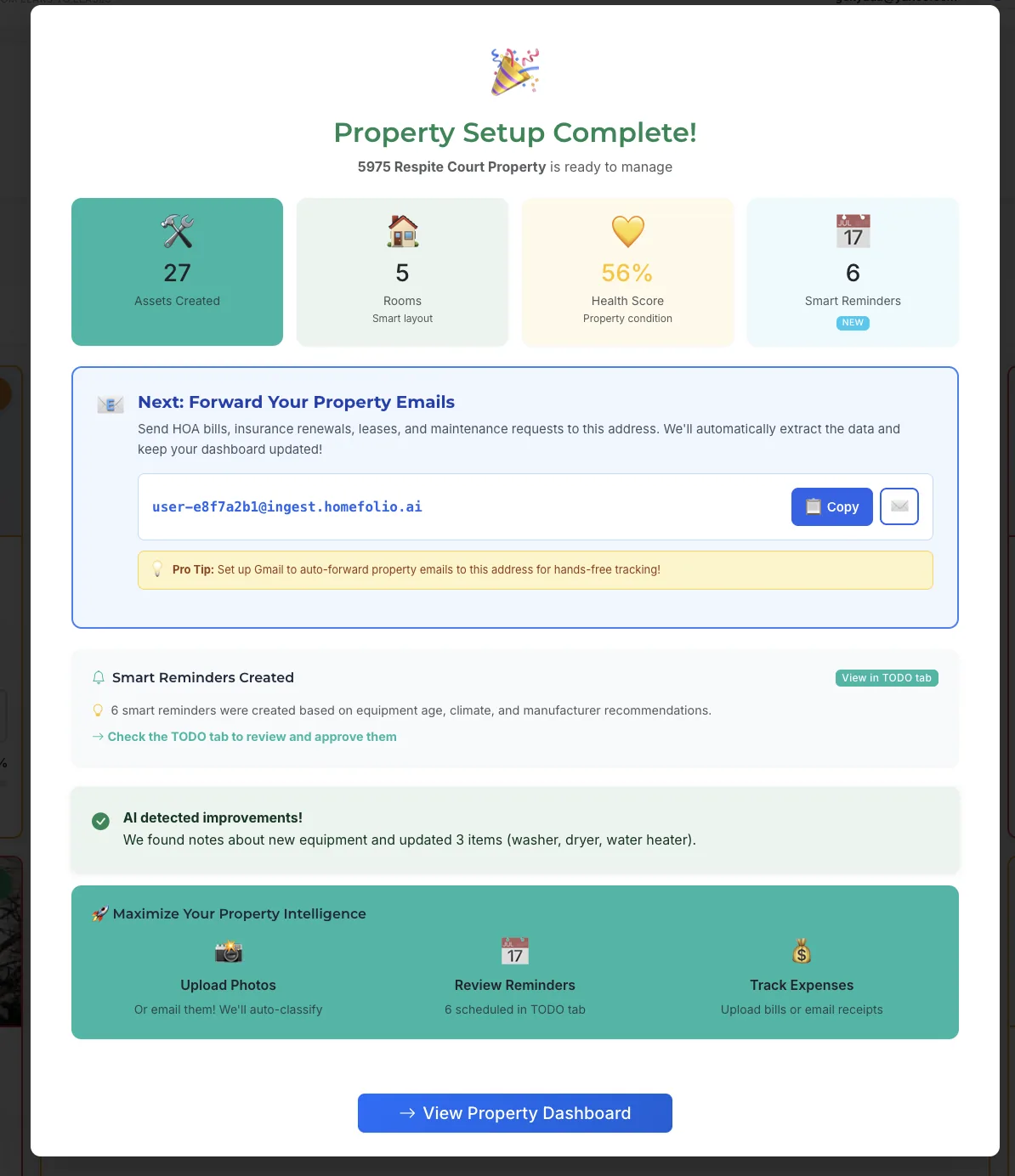
Imagine having all your home’s information in one place, ready when you need it. That’s what Homefolio AI offers. By connecting property records automatically, it ensures that everything you need is already there when potential buyers come knocking. Buyers appreciate transparency, and Homefolio AI simplifies that part of the equation.
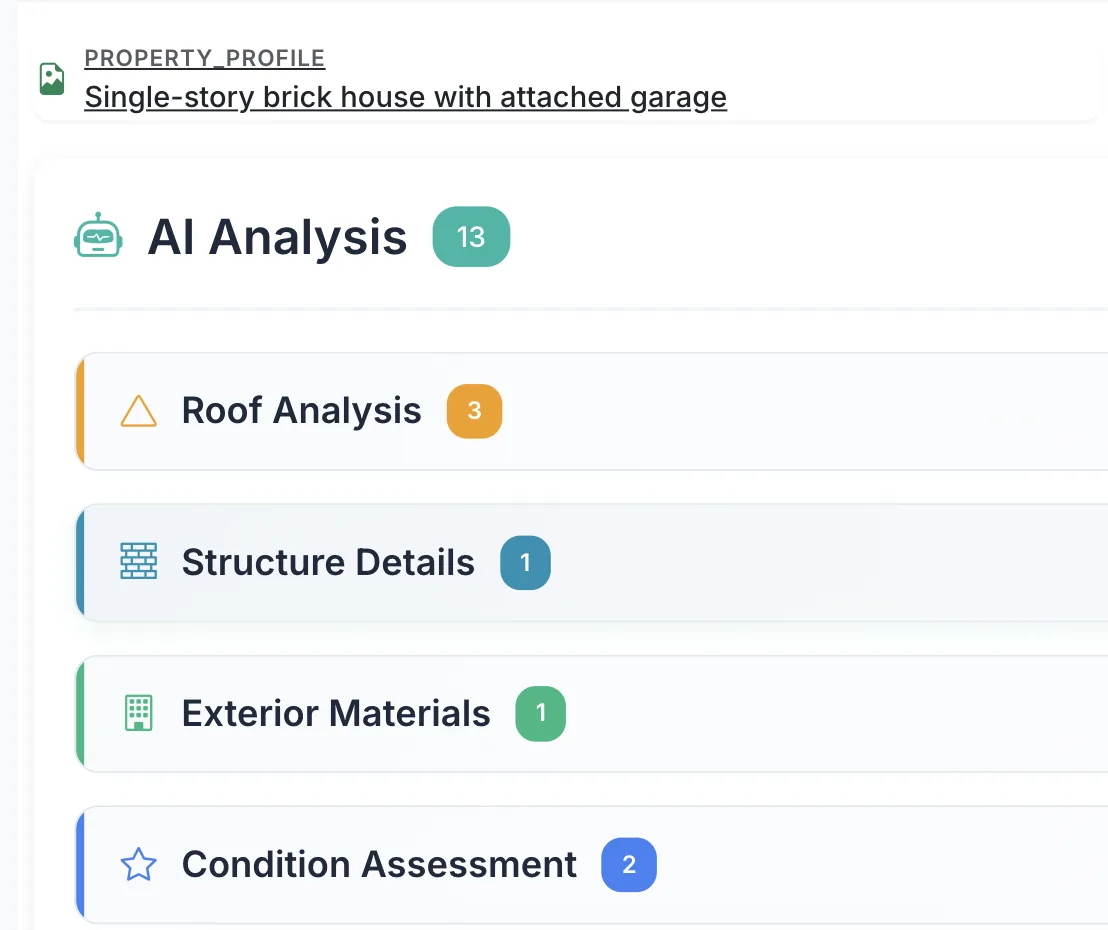
With Homefolio AI, all those tedious documents—repair invoices, renovation permits, inspection reports—are handled automatically, so you can focus on selling, not scrambling. This not only boosts buyer confidence but also streamlines the entire process, making your life a whole lot easier. Visit Homefolio AI to learn more about how it can make selling a breeze.
Practical tip: Before listing your home, set up Homefolio AI to ensure your property records are connected and ready. It's a small step that can pay big dividends by fostering buyer trust and smoothing out the sales process.
FAQs About Home Disclosure Requirements
Do I need to disclose a small leak if it's fixed?
Yes, even if a leak has been fixed, it's wise to disclose it. Buyers may want to know about past issues, particularly if they could resurface. Document any repairs made, including receipts and contractor details, to provide full transparency. This openness helps prevent future disputes and builds trust with potential buyers.
What's the risk of not disclosing past pest issues?
Failing to disclose past pest issues can result in legal action if the problem resurfaces. It's not just about honesty—it's about liability. Undisclosed pest problems can lead to expensive remediation costs for the new owner, who may hold you responsible. Always include pest history in your disclosure to avoid these pitfalls.
How does disclosure affect my home's selling price?
Full disclosure might seem like a potential hit to your home's value, but it can actually work in your favor. Transparency builds buyer trust, which can lead to quicker sales and potentially fewer price negotiations. Buyers appreciate honesty, and a comprehensive disclosure can eliminate surprises that might otherwise derail the deal.
Can a buyer sue after closing for non-disclosure?
Yes, buyers can sue for non-disclosure even after closing. If an undisclosed issue is discovered post-sale, you could face legal action that may cost thousands in damages and legal fees. Protect yourself by being thorough and upfront in your disclosures. It saves time, money, and potential legal headaches.
What if I don't know all the issues?
If you're unaware of issues, it’s crucial to indicate this in your disclosure form. Engage a professional inspector for a comprehensive evaluation, reducing the risk of missed problems. Remember, you’re required to disclose known issues. If something is genuinely unknown, document your inspection efforts to show due diligence.