Avoid Costly Mistakes: Best Ways to Organize Property Records
The $8,000 Mistake: Why Record Organization Matters
Picture this: you've just sold your home, and suddenly the buyer presents you with a repair bill for $8,000 due to a previously undisclosed issue. A nightmare, right? According to home insurance data, poor record-keeping can significantly impact a property's resale value, sometimes costing homeowners thousands in surprise expenses. The lack of detailed records can mean the difference between a smooth sale and a financial fiasco.
One homeowner, Mary from Minnesota, found herself in hot water when she couldn't produce records of a major roof repair she had done years earlier. The buyer demanded a price reduction, and Mary had to cough up $5,000 to close the deal. These horror stories aren't just urban legends—they're cautionary tales about the importance of having your property records in order.
It's not just about avoiding disputes; organized records also make your home more attractive to potential buyers. Studies suggest that homes with a complete history of maintenance and improvements sell faster and at higher prices. In a competitive housing market, having your ducks in a row, or in this case, your documents, can be a deal-maker.
Categorize and Conquer: Effective Record Sorting
When it comes to organizing property records, categorization is king. Start by grouping documents into major categories such as warranties, maintenance records, improvements, and purchase documents. This not only simplifies retrieval but also ensures you're not scrambling to find that one elusive receipt when you need it most. Think of it as the Dewey Decimal System for your home.
Now, the age-old debate: digital versus physical record-keeping. Digital records offer the obvious advantage of accessibility and space-saving. Yet, physical documents have their own charm—they're tangible and don't crash. Industry data shows that homeowners who use a combination of both tend to fare better in record-keeping. Keep original documents safe in a fireproof box and digital copies in a cloud storage service for best results.
For those who prefer a more hands-on approach, consider color-coded folders or binders. Assign a specific color to each category and file away. It may sound old school, but when you need that HVAC repair receipt from 2016, you'll thank your past self for the foresight.
Digital Tools to Streamline Record Organization
In this digital age, there's an app for everything—including keeping your property records in check. Top apps like Evernote, Google Drive, and Microsoft OneNote offer seamless ways to digitize and store your documents. These tools not only allow you to scan and upload documents but also tag and categorize them for easy access.
Setting up a digital system might seem daunting, but it's as simple as creating folders for each category and scanning your documents with your phone. Consistent updates are key—make it a habit to digitize new records as soon as you receive them. Studies suggest that homeowners who update their records quarterly have fewer issues locating important documents.
For those looking for a more automated solution, consider using apps with OCR (Optical Character Recognition) capabilities. This technology converts scanned documents into searchable text, saving you time and effort in the long run. No more endless scrolling through PDFs to find that one keyword.
Homefolio AI: Your Records, Already There
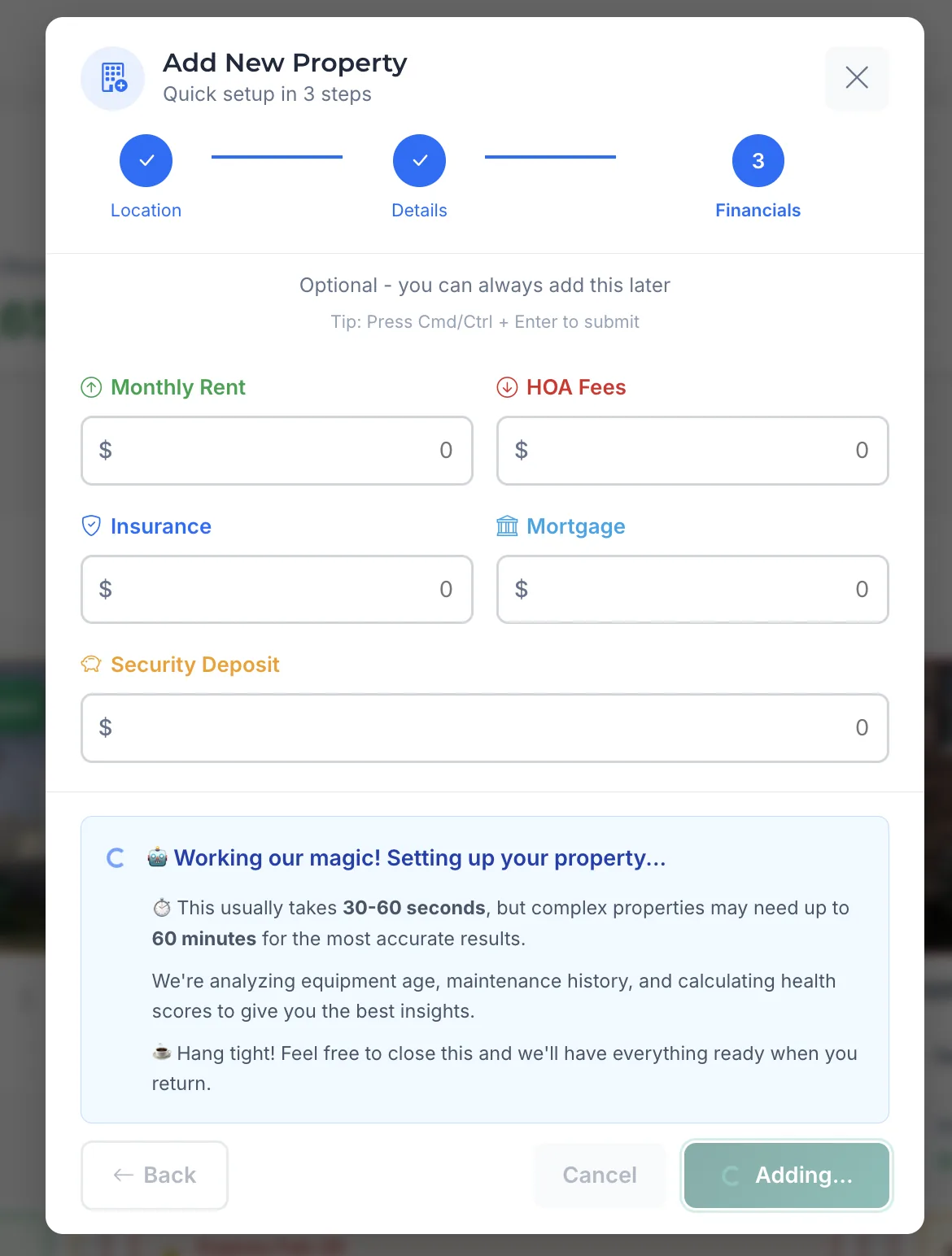
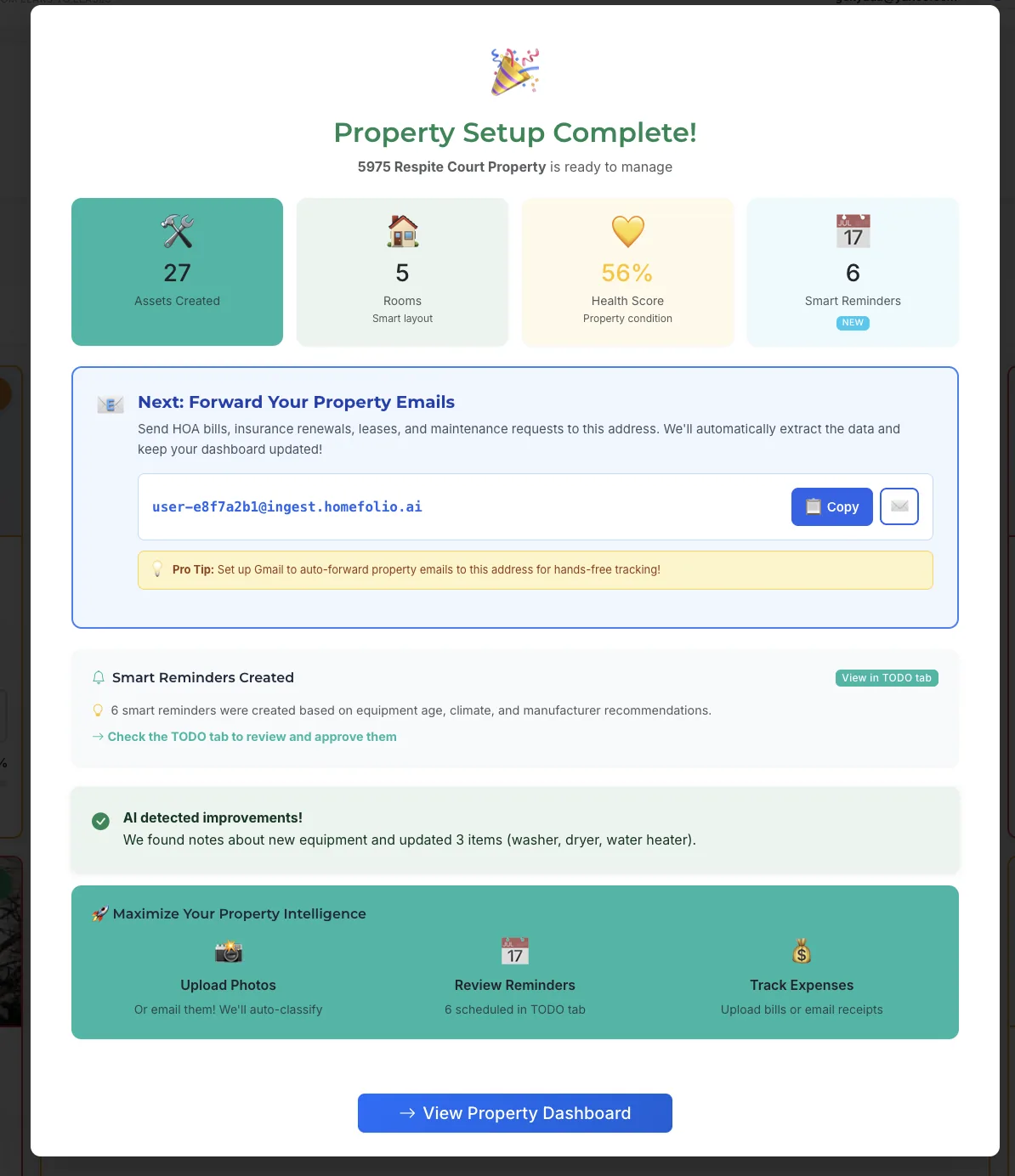
Enter Homefolio AI, the sleek solution every homeowner needs. Homefolio AI ensures your home records are already there and connected to the right property, offering seamless access to maintenance history and crucial documents handled automatically. Forget about the manual labor of updating spreadsheets or the stress of misplaced paperwork—your home's information is in one place, ready.
Imagine the peace of mind that comes with knowing that all your maintenance history and documents are handled automatically. Homebuyers will appreciate the transparency and accuracy, making your property stand out in the market. No more frantic searches through file drawers or missed updates—just a seamless, digital footprint of your home's journey.
Embracing such technology not only saves time but also adds a layer of professionalism to your record-keeping. Whether you're planning to sell or just want to keep impeccable records, Homefolio AI is the trusty assistant you never knew you needed.
Long-term Solutions for Maintaining Property Records
Building a comprehensive home history isn't just a task—it's an investment in your largest asset. But which records should you keep, and for how long? Experts recommend holding on to deed documents, mortgage papers, and major renovation receipts indefinitely. These documents prove ownership and the value added to your home over time.
As for other records, like appliance warranties or minor repair receipts, retain them for the lifespan of the item or until the warranty expires. Industry data shows that organized homeowners tend to keep these records for at least five years, ensuring they're covered in case of unexpected breakdowns.
Creating a legacy of detailed records not only safeguards you from future headaches but also builds value. Prospective buyers will appreciate the attention to detail and transparency, potentially leading to quicker sales and higher offers. It's the ultimate win-win for both current and future homeowners.
FAQ: Property Record Organization
What property records should I keep indefinitely?
Indefinitely keep records such as deed documents, mortgage papers, and receipts for major renovations. These prove ownership and demonstrate the investments made in your home. Maintaining these documents can prevent potential legal disputes and provide a clear documentation trail for future transactions.
How often should I update my property records?
Updating your property records quarterly is a good practice. This regular schedule helps ensure that all new documents are filed promptly and that your records remain current. By staying consistent, you reduce the risk of misplacing important documents and keep everything accessible.
What are the risks of not organizing my property records?
Disorganized records can lead to financial losses, difficulty in selling your home, and potential legal issues. Without proper documentation, you may face challenges proving ownership or the extent of renovations, which can affect your property's market value.
Can organizing my records help with insurance claims?
Absolutely. Well-organized records can streamline the process of filing insurance claims by providing evidence of ownership, condition, and value of items. This documentation is crucial when substantiating claims and can help ensure a fair settlement.
How does digital record-keeping compare to physical?
Digital record-keeping offers easy access, saves physical space, and allows for quick searches, but it's crucial to back up data regularly. Physical records, while tangible and less prone to digital failures, require more storage space and are harder to search through. A hybrid approach often serves best.