Avoid These Costly Mistakes When Listing Your House Online
In the digital age, where more than 90% of home buyers begin their search online, your home’s online listing is your first, and possibly your last, impression. According to industry data, homes with poor listings can stay on the market for 30% longer, often leading to lower offers and missed opportunities. By making a few strategic decisions, you can avoid the pitfalls that cause some homes to languish unsold.
Did You Know? Poor Listings Can Cost You Thousands
When it comes to selling your home, time is money. Homes that linger on the market usually end up selling for less. Studies suggest that properties listed with subpar photos or scant descriptions can remain unsold for up to 70 days longer than well-prepared counterparts. The consequence? Potential buyers move on, and the offers that do come in are often lower than expected.
This delay can cost you. According to data from the National Association of Realtors, every month a property stays on the market can decrease its value by up to 1%. For a $300,000 home, that’s a potential $3,000 off your selling price each month. And if you're paying a mortgage, each day your home remains unsold is another day of interest payments, property taxes, and patience-testing showings.
Missed opportunities are also an unseen consequence. In competitive markets, the initial listing period is when your house generates the most interest. A lackluster online presentation can mean the difference between a bidding war and crickets. The initial buzz is crucial, so don’t let a poor listing dull your home’s shine.
Crafting a Compelling Online Listing: What Buyers Want
Your goal is to make potential buyers envision themselves living in your home. Quality photos—think bright, high-resolution images—are essential. Homes with more than 20 photos receive 30% more views. Capture each room from multiple angles, showcase natural light, and ensure every image is clutter-free and staged to appeal to the broadest audience possible.
Descriptions are your narrative tool. Paint a picture with words—highlight the details that make your home unique. Is there a cozy sunroom where morning coffee feels like a mini-vacation? A chef's kitchen with top-of-the-line appliances? Make these features pop in your listing. Buyers often skim listings, but a well-written description can capture their imagination and keep them reading.
Don’t forget the details that answer potential buyers’ questions. Include room dimensions, age of major systems (roof, HVAC), and any recent upgrades. The more information you provide upfront, the fewer hurdles you’ll face later. Remember, the goal is to entice and inform, making your home too irresistible to ignore.
Choosing the Right Online Platforms for Maximum Exposure
There are myriad platforms where you can list your home, but not all are created equal. Zillow and Realtor.com dominate the space, reaching millions of buyers every month. However, each platform has its own audience nuances. Zillow, for instance, tends to attract tech-savvy millennials, while Realtor.com has a slightly older demographic.
Social media is another powerful tool at your disposal. Platforms like Facebook and Instagram can amplify your listing’s reach. Create engaging posts with your listing’s best photos, and encourage friends and family to share. You might even consider targeted ads to reach specific demographics interested in your area.
Don’t overlook niche platforms if they suit your home’s unique features. Selling a historic property? Sites like Old House Dreams cater to buyers looking specifically for vintage charm. Choose your platforms wisely to ensure your home is seen by the right buyers.
Documenting Improvements: What Buyers Need to See
Buyers love a home with a history of care and improvement. Documenting upgrades and maintenance not only reassures buyers but can also justify your asking price. According to a study by Remodeling Magazine, even minor kitchen remodels can offer up to 81% return on investment.
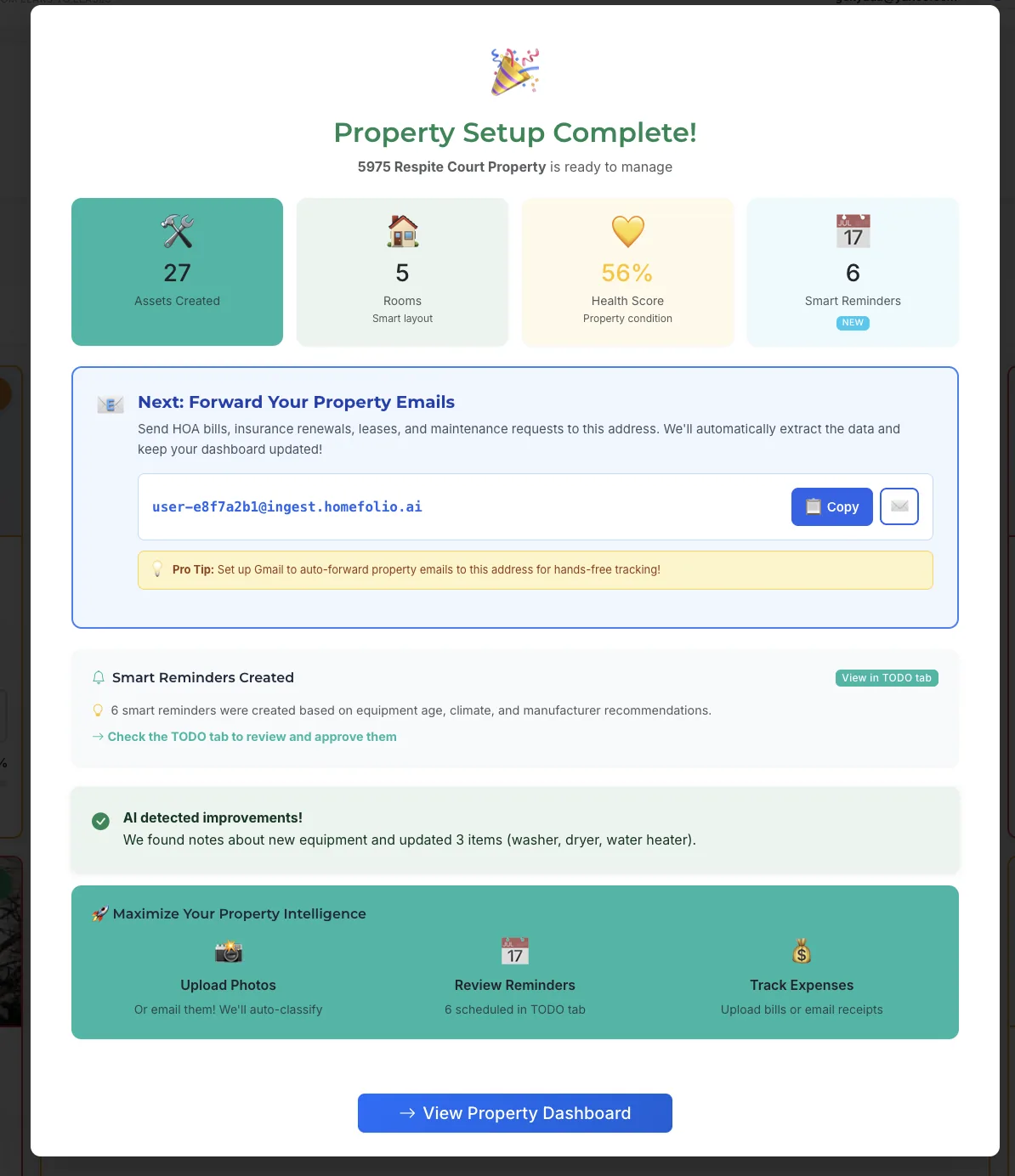
Make sure you have evidence of any significant improvements—receipts, warranties, and before-and-after photos. This helps build trust and proves your home’s value. And, if you’ve lost track of these documents, consider using Homefolio AI. Homefolio AI ensures your home's improvement history and maintenance records are already there and connected to the right property, making it easy to prove your home's value to potential buyers.
Detailing your home’s maintenance history can also elevate its appeal. Buyers want assurance that they aren’t inheriting a money pit. A well-documented history of regular maintenance, like HVAC servicing, roof inspections, and pest control, tells a reassuring story of a home that’s been well cared for.
Pricing Your Home Correctly to Attract Serious Buyers
Pricing your home is as much an art as it is a science. Analyzing market trends and comparable sales in your area is essential. According to Zillow, homes priced 10% above their market value tend to remain unsold. On the flip side, underpricing can leave money on the table that you might never recover.
Use online tools to research recent sales of similar homes in your neighborhood. Pay attention to the square footage, number of bedrooms and bathrooms, and special features like pools or updated kitchens. These factors can significantly influence a home’s value.
Consider consulting with a real estate agent for a professional market analysis. They can provide insights into local trends and help you set a competitive yet realistic asking price. Remember, the goal is to price your home to attract serious buyers quickly without undervaluing your biggest asset.
FAQs About Listing Your Home Online
How do I determine the right asking price?
Start by researching comparable homes in your area using online real estate platforms. Look at recent sales prices for similar properties, considering factors like size and upgrades. Additionally, consult a real estate agent who can provide a comparative market analysis. They have access to detailed local data that can help you price your home competitively.
What are the best days to list my home online?
Industry data shows that homes listed on Thursdays tend to receive more views and sell faster. This is likely because buyers use the weekend to view homes, and listing on a Thursday gives your property maximum exposure. Aim to have your listing go live early in the day to capture the most attention from potential buyers.
How can I make my listing stand out?
Use high-quality photos and a compelling description to make your listing pop. Highlight unique features and recent upgrades that differentiate your home. Consider staging your home to show it in its best light. Also, ensure that your listing is complete with all relevant details, such as square footage and neighborhood amenities.
What should I do if my home doesn't sell quickly?
If your home isn’t selling quickly, reassess your pricing strategy and listing quality. Review the photos and description—are they presenting your home in the best light? Check out comparable homes that have sold recently for possible pricing adjustments. Consider hosting an open house or offering incentives to buyers, such as covering closing costs.
How do I handle online inquiries effectively?
Respond to inquiries promptly and professionally. Potential buyers appreciate quick replies, which can keep the momentum going. Have a script ready for common questions about your home and the neighborhood. Be prepared to schedule showings and offer virtual tours, especially if the buyer is not local.