Property Tips

Avoid Costly Mistakes: Important Home Documents to Keep

Avoid Costly Mistakes: Important Home Documents to Keep

The $8,000 Mistake: Why Document Management Matters

Imagine this: you're about to sell your home, and a potential buyer requests proof of recent renovations. You scramble through drawers only to find that the receipts for your $8,000 kitchen remodel have vanished. Studies suggest that missing critical documents can cost homeowners up to 10% of their home's resale value. That's not pocket change—it's a financial nightmare.

Without those papers, you might as well be trying to sell a car without an odometer. Missing paperwork can dramatically affect your home's resale value, turning a potential profit into a painful loss. According to industry data, one in five homeowners faces reduced offers due to inadequate documentation. That’s akin to throwing money out the window.

So, why does this happen? It's simple: buyers want assurance that what you claim matches reality. A missing receipt or absent warranty can immediately induce doubt, making them question every improvement you've ever mentioned. Keeping your documents in check isn't just smart—it's essential for protecting your investment.

Essential Home Documents You Should Never Toss

The cornerstone of any homeowner's document collection is the deed and title. These aren't just pieces of paper; they're the Holy Grail of proof that you own your property. Deeds show who legally owns the house, while titles verify that your home is free of liens or claims. Misplacing these can result in legal headaches and make selling your home a bureaucratic obstacle course.

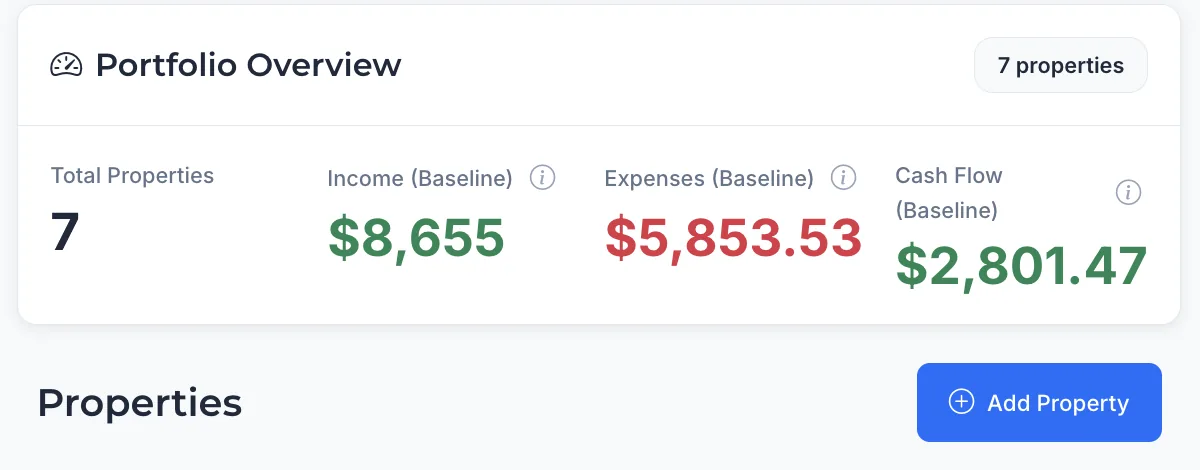
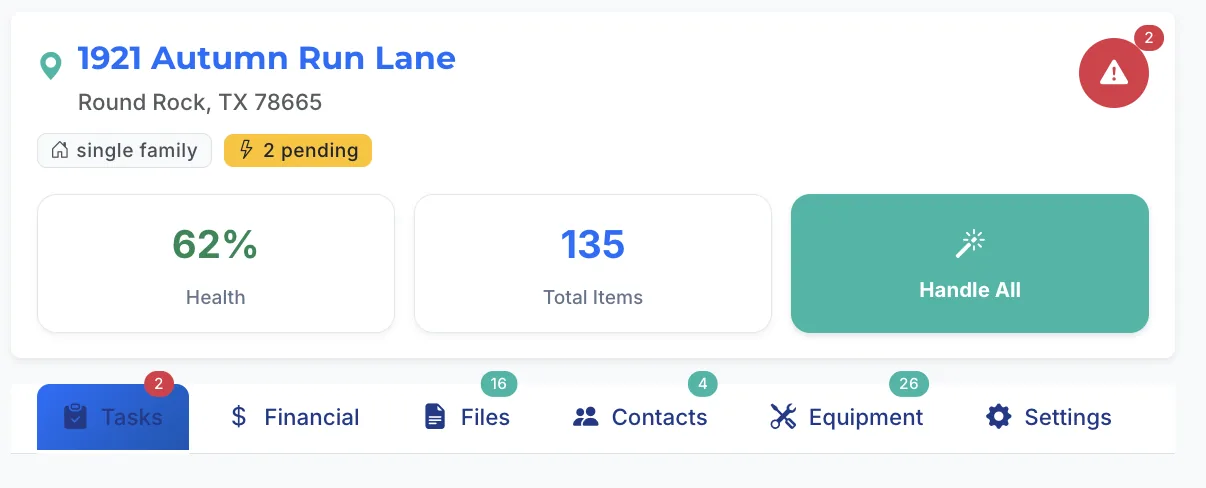
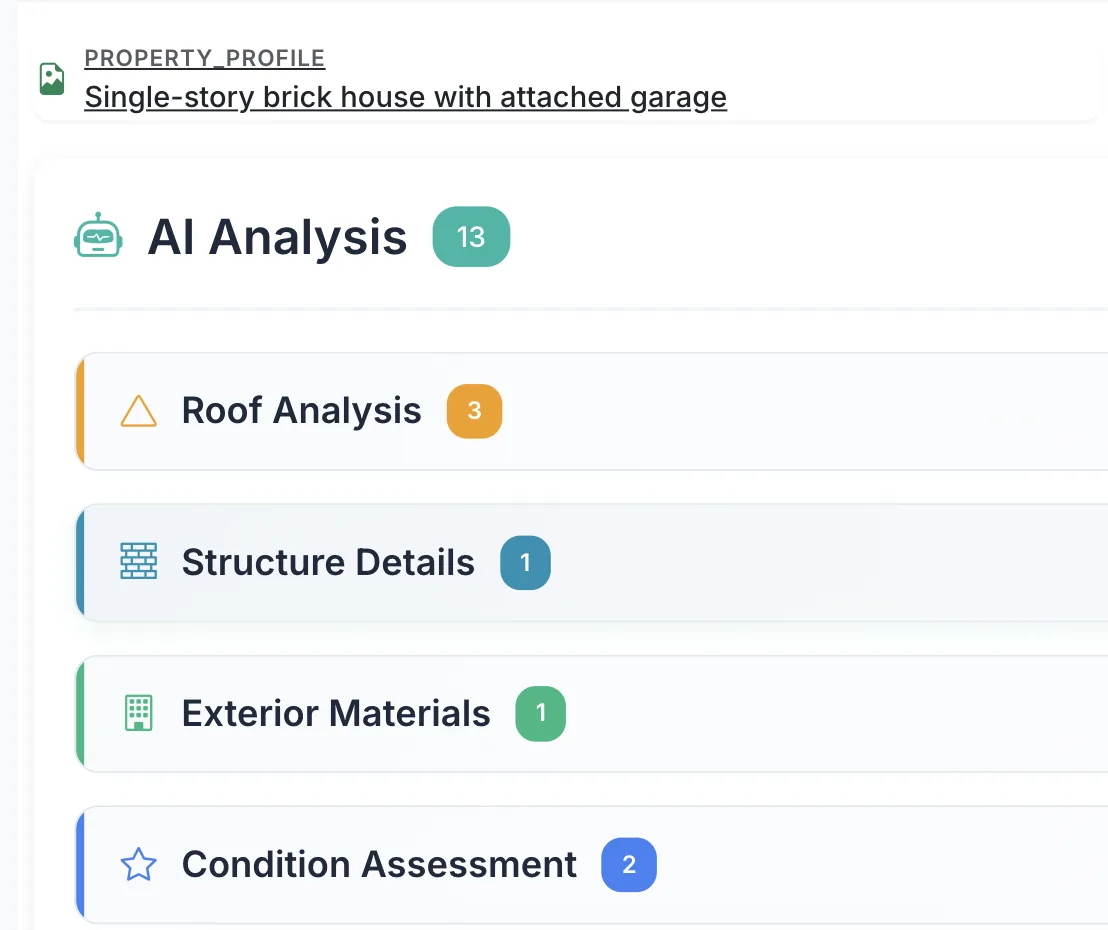
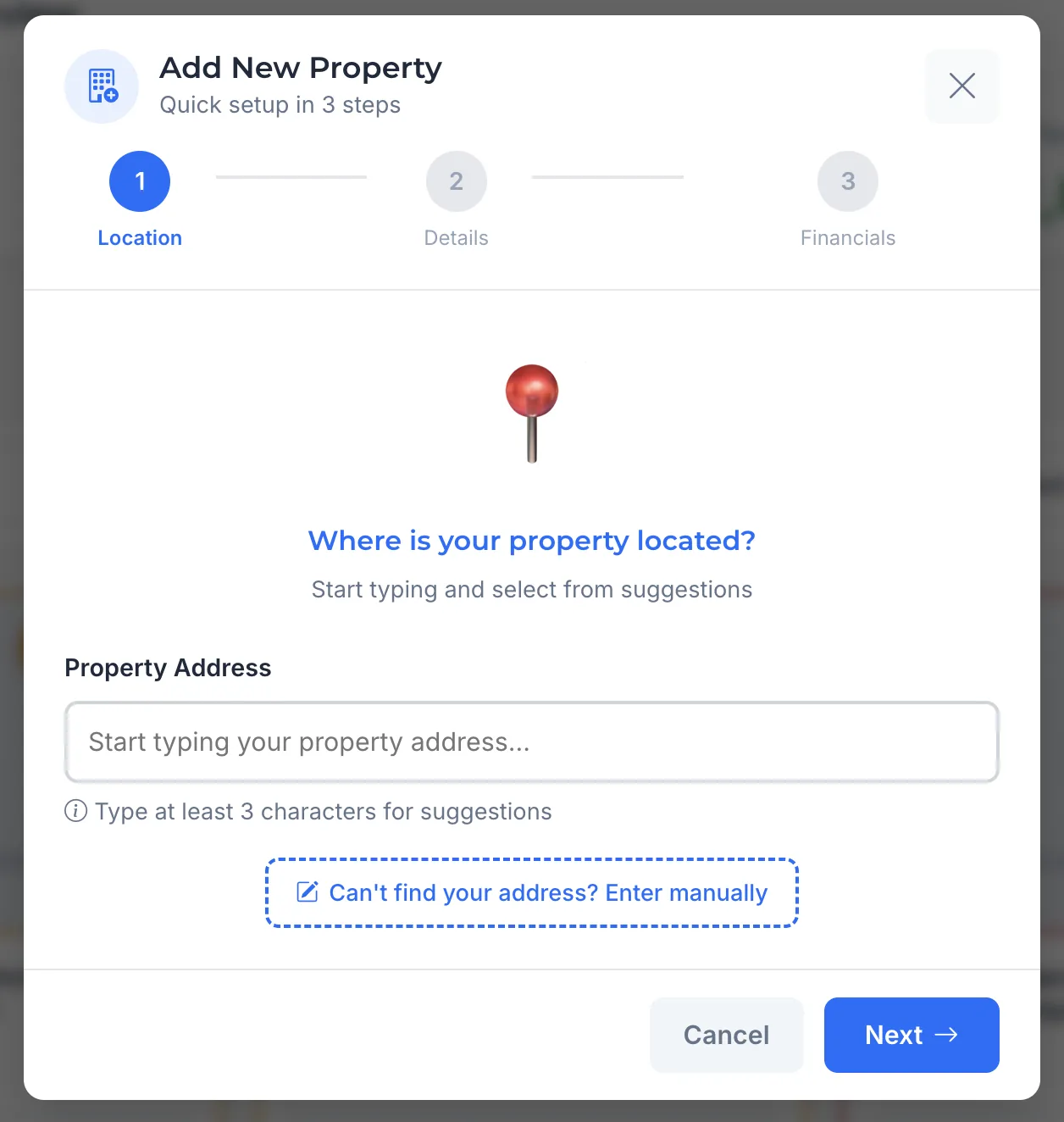
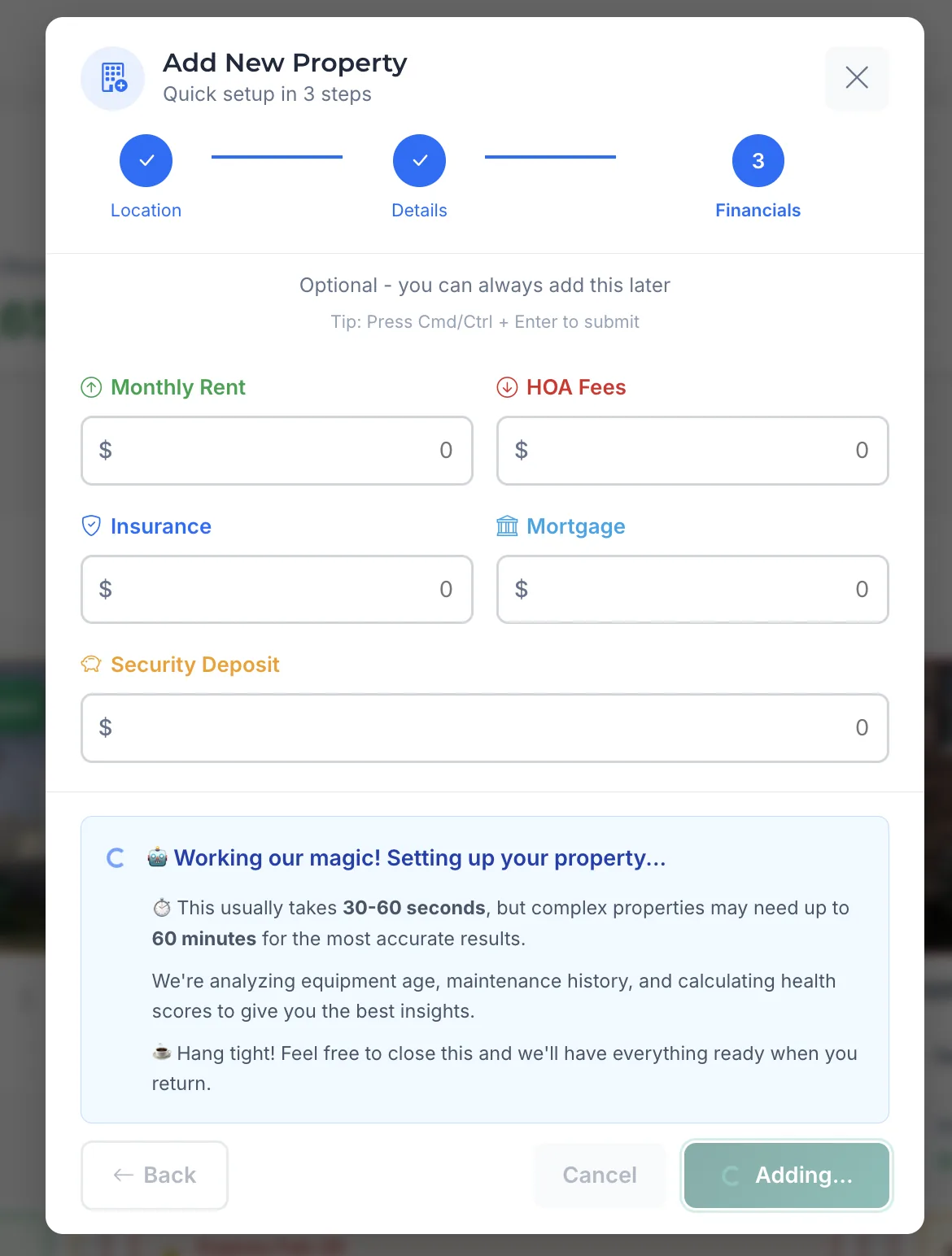
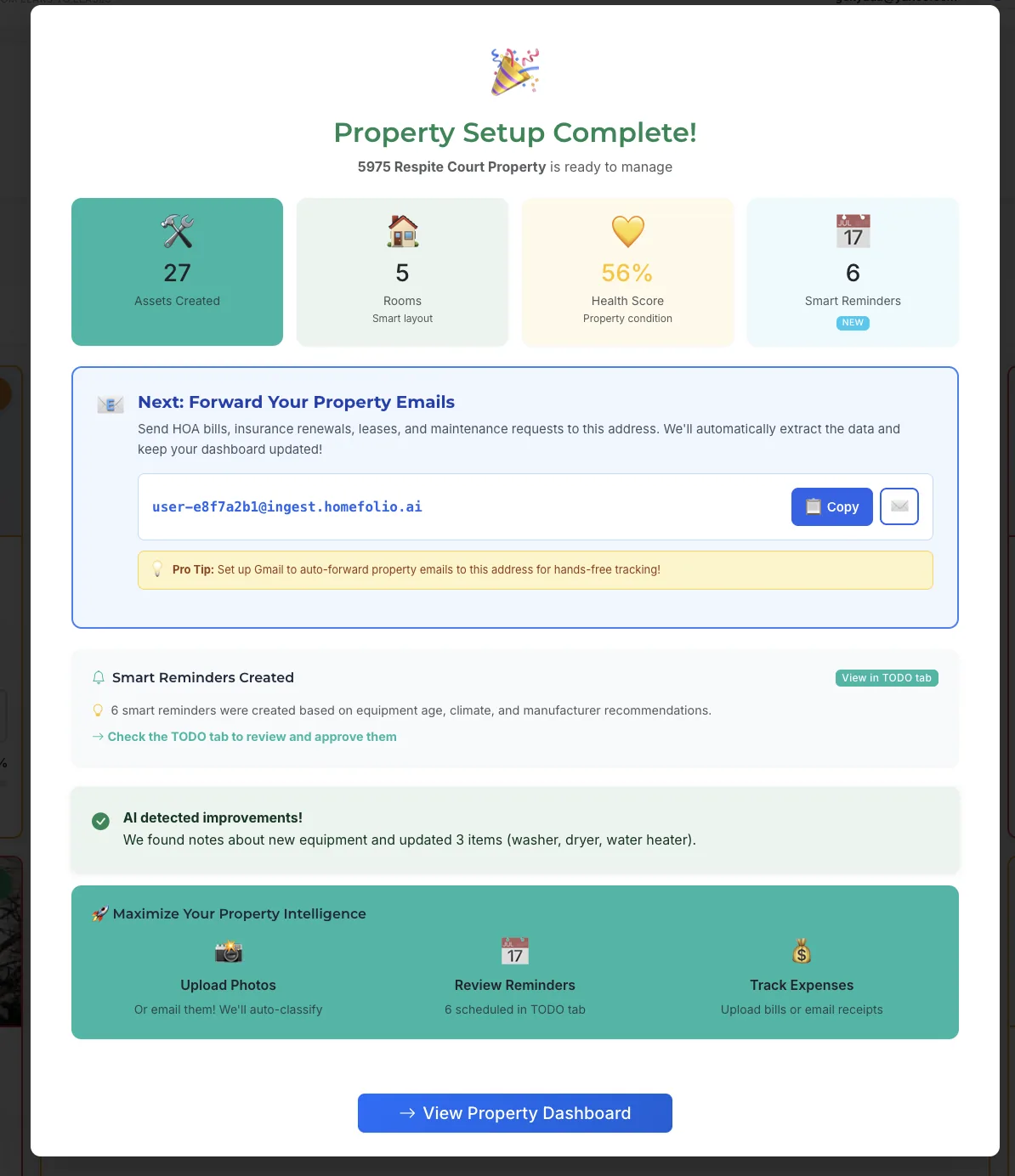
Next, let's talk about home improvement receipts. Whether you replaced the roof or remodeled the basement, these receipts are the breadcrumbs tracing your home’s value journey. They’re indispensable when calculating your home's actual market value, influencing everything from insurance claims to resale negotiations. Thankfully, with Homefolio AI, your home improvement receipts and key documents are already there when needed, connected to the right property for seamless access during resale or renovation discussions.

Among the unsung heroes of the document world are property tax records. These documents can help with everything from appealing high tax assessments to backing up deductions on your income tax returns. They’re often overlooked but can save you thousands in unwarranted payments.

How Long to Keep Each Document: A Comprehensive Guide

Understanding the lifecycle of your home documents can save you from future headaches. Warranties, for example, often have a shelf life of one to ten years, depending on the appliance or system. Knowing their expiry can prevent costly repairs from slipping between your financial cracks. Check them annually and mark expiration dates on a calendar.

When it comes to tax documents, the IRS recommends keeping records that support your property’s purchase price and improvement costs for at least seven years after you sell your home. These documents are crucial for calculating capital gains and can help reduce your tax liability when it’s time to cash in on your investment.

As a rule of thumb, hold onto insurance policies and claims for the life of the policy plus an additional five years. This can safeguard against disputes with insurers and provide a clear history of your coverage. Properly managing these documents ensures you’re ready for any eventuality.

The Connection Between Proper Documentation and Home Insurance

Insurance claims often require more than just a policy number and a sob story. You'll need thorough documentation to support your claims, whether it’s for a leaky roof or a flooded basement. Missing documents could negate coverage, leaving you to shoulder repair costs alone. In short, your documents are your safety net when disaster strikes.

Avoiding disputes with insurers requires attention to detail. Document every interaction, take photos of damages, and keep a log of repair estimates. These records act as your personal insurance policy against unfair claim denials. The better your documentation, the faster and smoother the claims process will be.

Even when disputes arise, having a detailed paper trail can be the difference between a resolved claim and a dragged-out battle. A well-organized document library is your best ally in these situations, providing indisputable evidence of your case.

Future-Proofing Your Home: Building a Complete Document Library

Creating a comprehensive document library for your home is not just about safeguarding against immediate issues. It's about building a history that adds value to your property over time. A detailed record of home improvements, maintenance, and repairs can impress future buyers and ease the selling process.

Keeping a history of your home isn't just for sentimental reasons. It provides future-proofing that can ease the transition during renovations or sales. Knowing what was done and when offers a clear picture of your home's evolution, making planning and budgeting for future projects far easier.

Consider your document library as an investment. By keeping your home's information in one place, ready, you stand to save time and money on future transactions. When every piece of the puzzle is in place, your home will not only be a place of comfort but a well-documented investment.

FAQs About Keeping Home Documents

How do I know which documents are important?

Start by categorizing your documents into essential ones such as deeds, titles, and receipts for major home improvements. Items that impact ownership, value, and liabilities are critical. If you're uncertain, consider consulting a real estate attorney or financial advisor to ensure you have all necessary paperwork.

Can I digitize my home documents for easier storage?

Yes, digitizing your documents can save physical space and offer easy access. Use a reliable scanner and store them in a secure cloud service. Just remember that digital copies should supplement, not replace, the originals, especially for legally binding documents like deeds and titles.

What if I lost a critical document?

If you've lost a critical document, don't panic. You can often obtain copies from the issuing authority. For deeds and titles, contact your local county recorder's office. For warranties or receipts, check with the original retailer or manufacturer for duplicates.

Are there legal requirements for document retention?

While there are no strict legal requirements for how long you should keep most home documents, tax-related paperwork should be kept for at least seven years after selling your home. Consult local laws for any specific retention requirements related to your jurisdiction.

How can I determine the value of home improvements?

The value of home improvements is best determined by keeping detailed receipts and records of all work done. You can also consult with a real estate appraiser or a home inspector who can offer a professional assessment of how your improvements impact your home's market value.

Your Home's Records — Already There When You Need Them.

Warranties, receipts, maintenance history, and appliance details — connected to your property automatically.

Get Started Free →