Property Tips

Avoid Costly Legal Pitfalls: Key Disclosures When Selling Your Home

Avoid Costly Legal Pitfalls: Key Disclosures When Selling Your Home

The average American homebuyer spends over $300,000 on their new abode, but according to industry data, 25% of them end up involved in legal disputes due to undisclosed property issues. That’s right; your dream sale can quickly turn into a courtroom nightmare if you’re not careful about disclosures. So, what should you be laying bare when selling your house? From structural mysteries to neighborhood gossip, here's how to keep your transaction above board and avoid costly legal pitfalls.

The $10,000 Fine: Why Proper Disclosure is Crucial

When it comes to selling your home, honesty is not just the best policy—it's a legal obligation. Failing to disclose known defects can lead to financial penalties. In California, for instance, sellers have faced fines upwards of $10,000 for neglecting to mention issues like foundational cracks. And that’s not including legal fees, which can pile up faster than a contractor’s bill.

Real stories abound of sellers regretting their oversight. One infamous case in Ohio saw a seller penalized $12,000 for not disclosing a previous termite infestation, even though they thought it had been resolved. Legal actions like these aren’t just expensive—they can also delay your sale and tarnish your reputation.

To avoid such costly mistakes, it’s essential to conduct a thorough home inspection before listing. This isn’t just a formality—it's a proactive step to identify potential red flags. Disclosure forms vary by state, but they generally cover the same bases: structural integrity, environmental hazards, and legal nuisances.

Essential Disclosures: Structural and Mechanical Issues

Structural issues are among the most critical disclosures you’ll make. Think of your home as a giant Jenga tower—one misplaced block, and the whole thing could come crashing down. Common concerns include foundational cracks, roof leaks, and wall damage. A 2020 survey found that 38% of buyers withdrew from deals due to undisclosed structural issues.

Mechanical systems often go overlooked in disclosures but are equally crucial. If your HVAC system is older than the local high school senior, it’s time to disclose its age and condition. Faulty heating or cooling systems can lead to uncomfortable negotiations and even post-sale lawsuits if left unmentioned.

To ensure transparency, gather all relevant maintenance records and repair invoices. If you’ve had recent work done, include the contractor’s contact information. This not only builds trust with potential buyers but also shields you from future liability.

Environmental Hazards: What You Must Reveal

Mold, asbestos, and lead paint—three words that can turn off any prospective buyer faster than a broken furnace in January. Environmental hazards are a serious concern, not just for your buyer's health but also for your wallet. According to home insurance data, mold remediation can cost anywhere from $500 to $6,000, depending on the severity.

Most states mandate disclosure of such hazards, and failing to comply can lead to fines or even lawsuits. Properties built before 1978, for instance, must disclose the presence of lead-based paint. The EPA estimates that 87% of homes constructed before this year contain some traces of lead.

To avoid tripping over these legal hurdles, consider hiring an environmental consultant to test your property. Their report can serve as a valuable asset during negotiations, providing buyers with peace of mind and you with legal protection.

Neighborhood Nuisances: What Buyers Expect to Know

Ever been woken up at 3 AM by a neighbor’s dog that believes it’s the next American Idol? Noise complaints are more than just minor irritations—they can affect property values. A study found that homes located near noisy environments sell for 2-3% less than their quieter counterparts.

Buyers have a right to know about any nuisances that could affect their living experience. This includes everything from barking dogs and nearby train tracks to local construction projects. Ignoring these issues can lead to disgruntled buyers and potential legal claims.

To handle this with grace, maintain clear communication with prospective buyers. Offer full disclosure of any known disturbances, and if possible, provide solutions or mitigation measures you’ve implemented. A little honesty goes a long way in retaining buyer trust.

Home Improvements and Permits: Transparency is Key

That shiny new kitchen you installed, or the bathroom you’ve converted into a spa—it all needs to be disclosed. Home improvements are a double-edged sword; they can increase your home’s value but can also lead to disputes if permits weren’t secured. Studies suggest that 50% of homeowners undertake remodels without proper permits, risking fines and devaluations.

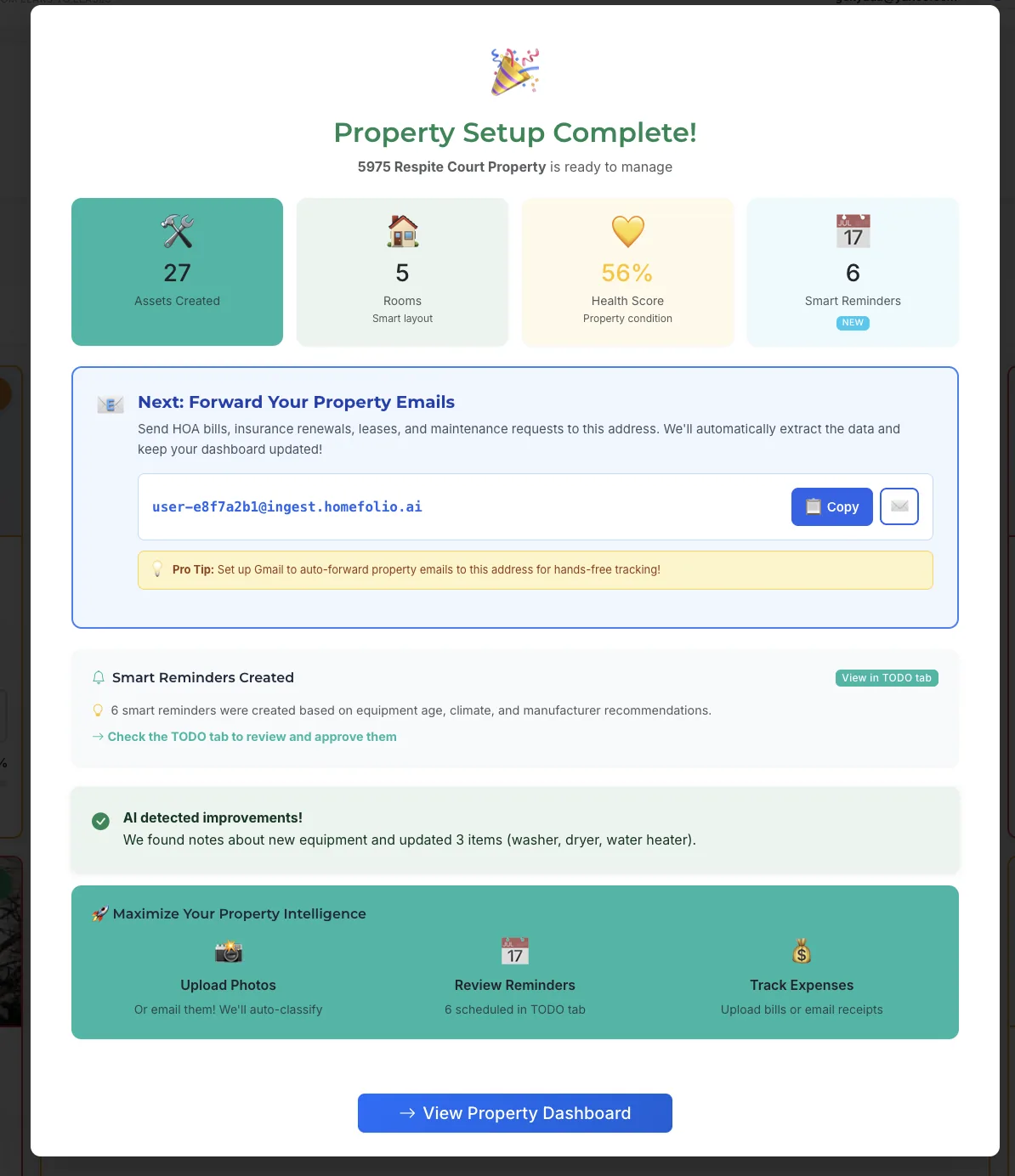
Documenting renovations thoroughly is not just smart; it’s essential. Keep copies of all permits and inspection reports. And if you’re unsure where you put that stack of papers, fear not. Homefolio AI ensures all home improvement documents and permits are already there, connected to the right property, simplifying the disclosure process for homeowners. You can check it out at homefolio.ai.

Transparency about home improvements builds trust and can even become a selling point. Show off your upgrades with pride, and provide buyers with a clear history of your home’s enhancements. This proactive approach can prevent disputes and even speed up the closing process.

FAQs: Common Questions About Home Disclosures

What happens if I forget to disclose something?

If you accidentally omit a disclosure, you could face legal action from the buyer. They might demand compensation or even pursue a lawsuit. To prevent this, conduct a thorough review of your property and records before listing. It’s wise to consult with a real estate attorney to ensure all bases are covered.

How can I ensure all necessary information is disclosed?

Begin by conducting a comprehensive home inspection and gathering all maintenance records. Use standardized disclosure forms available for your state. Consider hiring a real estate professional who can guide you through the disclosure process and ensure all legal requirements are met.

Are disclosure rules different in each state?

Yes, disclosure rules do vary by state. Some have more stringent requirements than others. Familiarize yourself with your state’s real estate laws and regulations. It’s often beneficial to consult with a local real estate agent or attorney to ensure compliance with state-specific rules.

Can a buyer sue me after the sale for undisclosed issues?

Yes, buyers can sue for undisclosed issues, particularly if they can prove you were aware of the problem. This could result in financial penalties, repair costs, or even the reversal of the sale. Always disclose known issues, even if they seem minor, to protect yourself legally.

Is it necessary to disclose a past repair if it’s no longer an issue?

While it might seem unnecessary, disclosing past repairs can prevent future misunderstandings. If a repair was significant, such as fixing a major structural issue, it’s wise to disclose it along with documentation and warranties. This transparency can shield you from legal disputes and foster buyer confidence.

Your Home's Records — Already There When You Need Them.

Warranties, receipts, maintenance history, and appliance details — connected to your property automatically.

Get Started Free →