Avoid Costly Legal Blunders: Organize Home Documents Smartly
The High Cost of Disorganized Home Documents
Imagine losing $10,000 because you misplaced a single piece of paper. It's not a nightmare—it's reality for many homeowners who can't locate their essential documents when needed. A survey by the National Association of Home Builders found that 25% of homeowners have faced legal or financial setbacks due to disorganized documents. Misplacing a deed or title can lead to costly legal battles, delayed sales, or even losing your home.
According to home insurance data, the average legal fee for resolving property disputes can range from $3,000 to $7,000. And that's before you account for the mental toll. When documents are not readily available, selling or refinancing your home becomes a Herculean task. This disorganization isn't just an inconvenience—it's a financial liability.
One homeowner recounted how a missing purchase agreement scuttled an entire sales deal, costing them not only time but also a $5,000 earnest money deposit. These stories aren't just cautionary tales—they're vivid reminders of the pitfalls of neglecting your document organization. The good news? You can avoid these costly blunders with a bit of foresight and organization.
Essential Home Legal Documents You Need to Keep
Start with the basics: deeds, titles, and purchase agreements. Without these, proving home ownership is like trying to bake bread without yeast—it's not happening. These documents form the backbone of your legal standing as a homeowner. Industry data shows that missing or incomplete documentation can reduce your home’s value by 10% during a sale.
Beyond the essentials, consider keeping renovation permits, mortgage agreements, and homeowner’s insurance policies. These aren't just paperweights; they substantiate your home’s history and value. For instance, having an up-to-date renovation permit can increase your home’s selling price by 5%, according to real estate experts.
Think of your documents as pieces of a jigsaw puzzle. Each one holds a place in the grand picture of homeownership. Misplace a single piece, and the picture remains incomplete, affecting your legal standing and financial stability. Start by compiling a list of vital documents and ensure they are accurately labeled and filed.
Setting Up a Foolproof Document Organization System
Creating a robust document organization system doesn't require a PhD in library science. Start by categorizing your documents into logical groups: ownership, financial, and maintenance. Use color-coded folders for quick visual reference. A three-drawer filing cabinet can be your best friend here, making sure each category is easily accessible.
Digital storage offers a modern alternative with its own set of perks. Scanning documents into a cloud-based service means you can access them anytime, anywhere—perfect for when you’re on the go. However, digital files can be vulnerable to hacking, so use services that offer two-factor authentication and encryption.
Decide which system works best for you. Physical storage offers tactile reassurance, while digital storage offers unparalleled accessibility. Whichever you choose, consistency is key. Regularly update and audit your files to ensure they're current and comprehensive. With a little upfront investment in time, you’ll save yourself from a future of headaches.
How to Ensure Your Documents Are Always There When Needed
Regular audits of your document collection are as essential as your annual health check-up. Schedule a quarterly review to ensure everything is up-to-date, especially if you’ve recently refinanced or renovated. Keeping a log of document updates can help you track changes over time, making it easier to retrieve needed information quickly.
Security is paramount. Store physical documents in a fireproof safe. For digital files, ensure they’re backed up on multiple platforms to guard against data loss. According to industry standards, 30% of data losses occur due to hardware failure or human error. Don’t let your documents become part of that statistic.
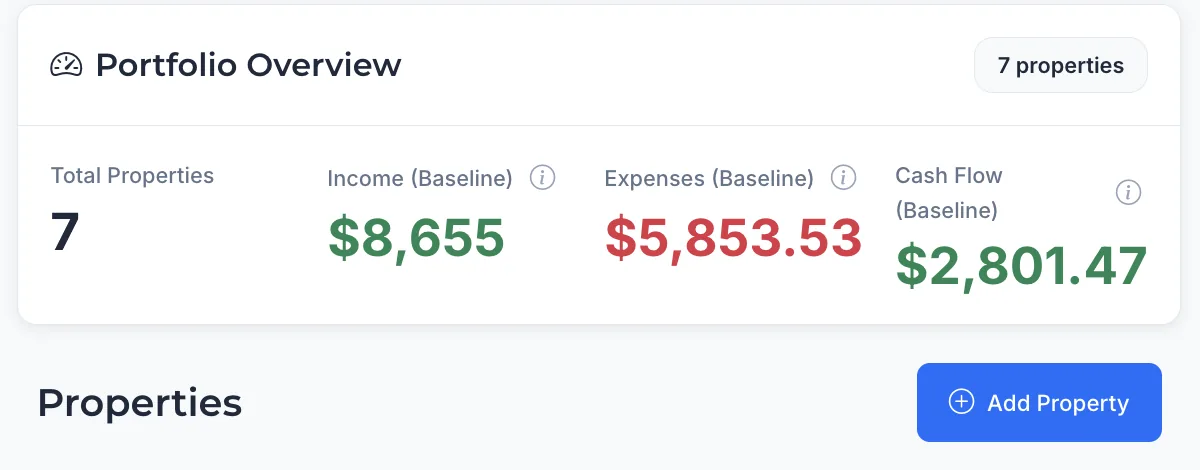
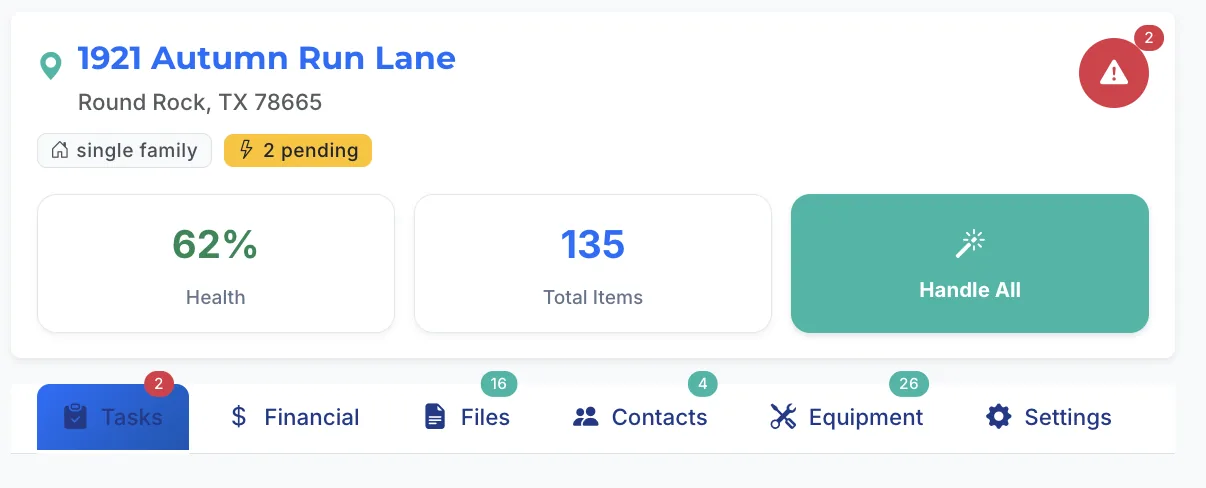
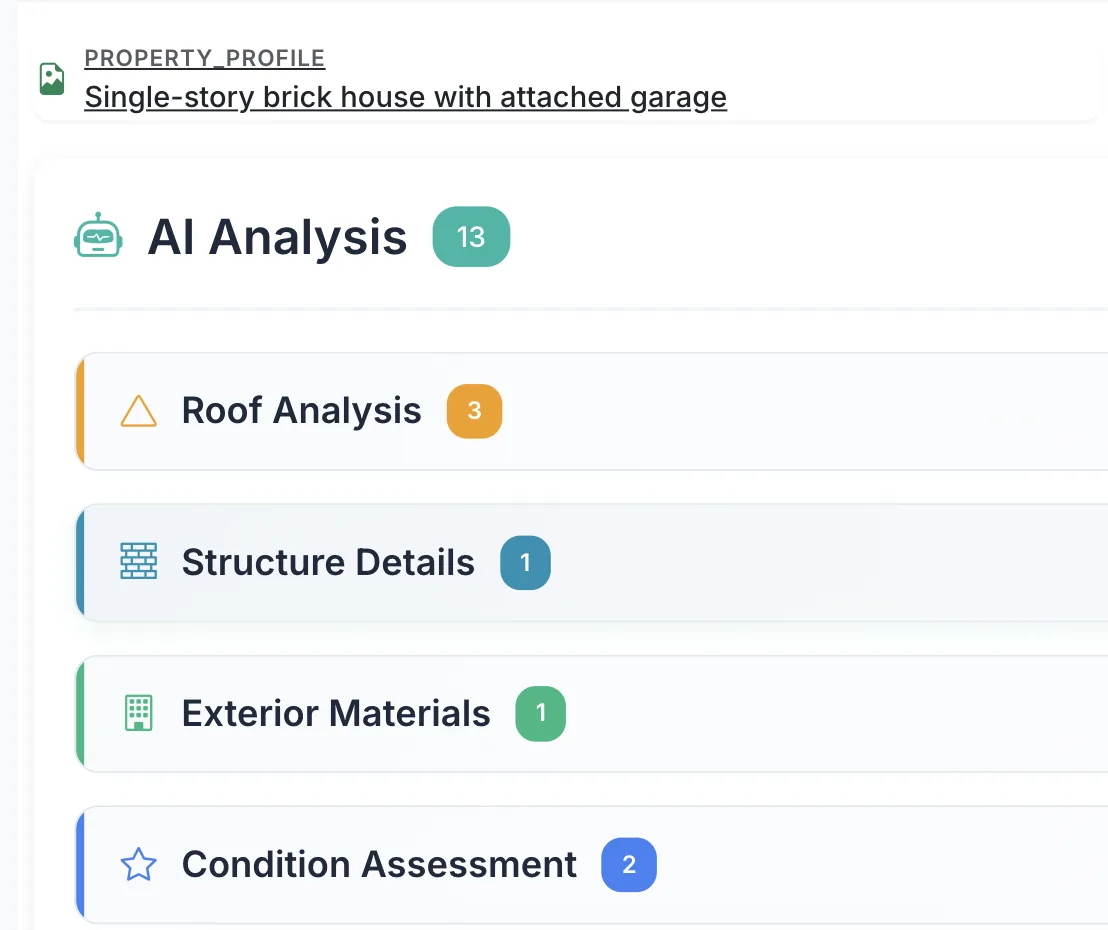
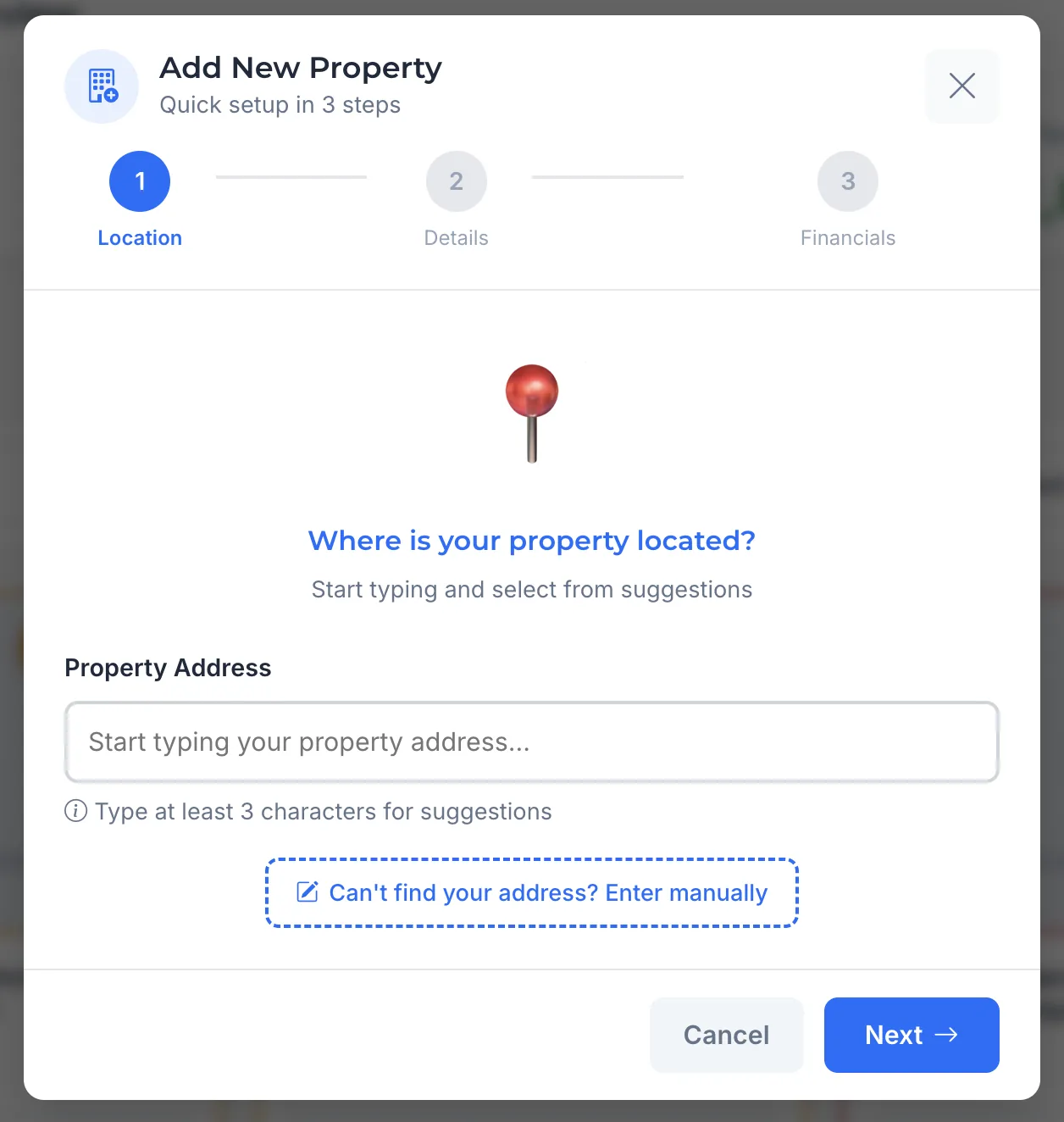
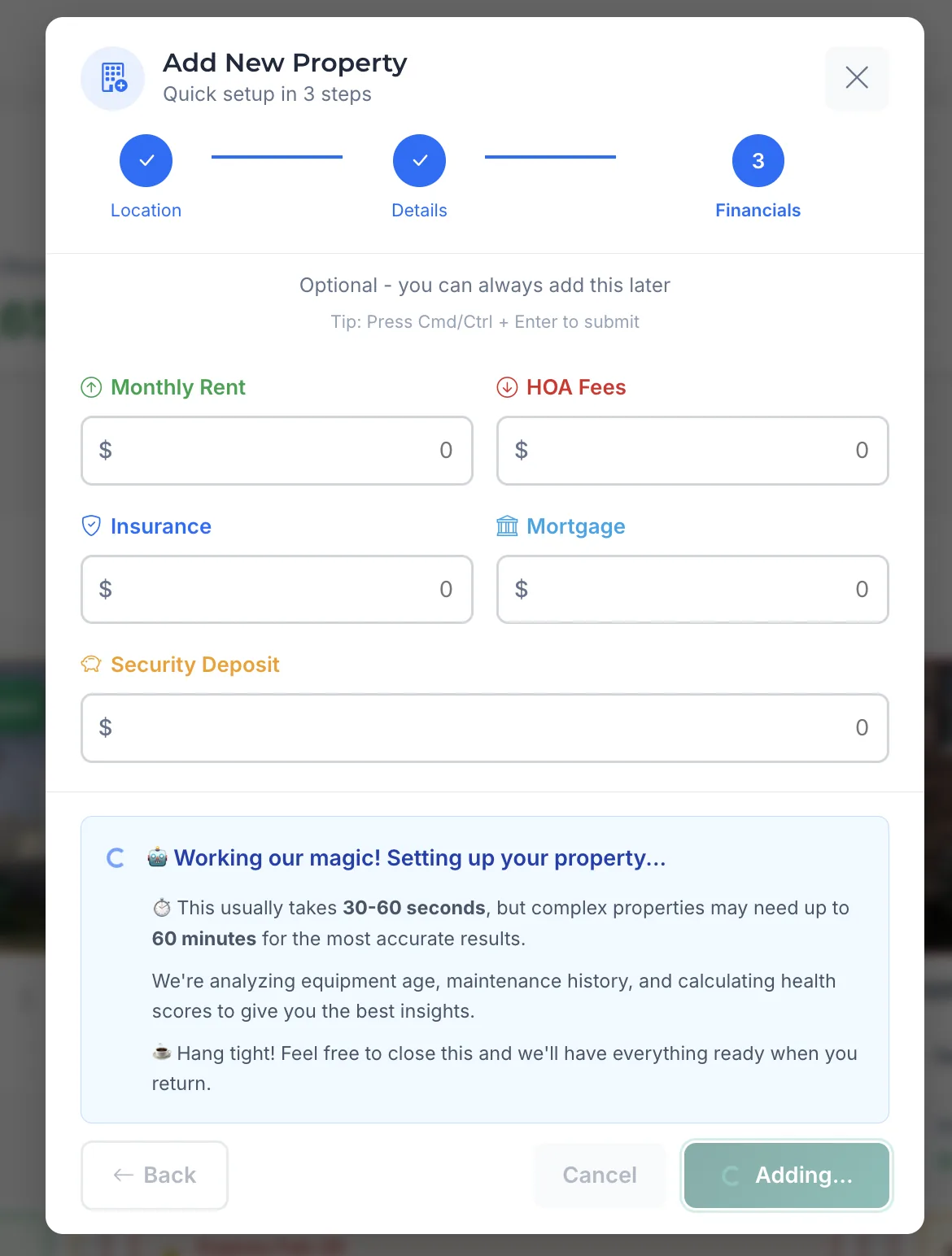
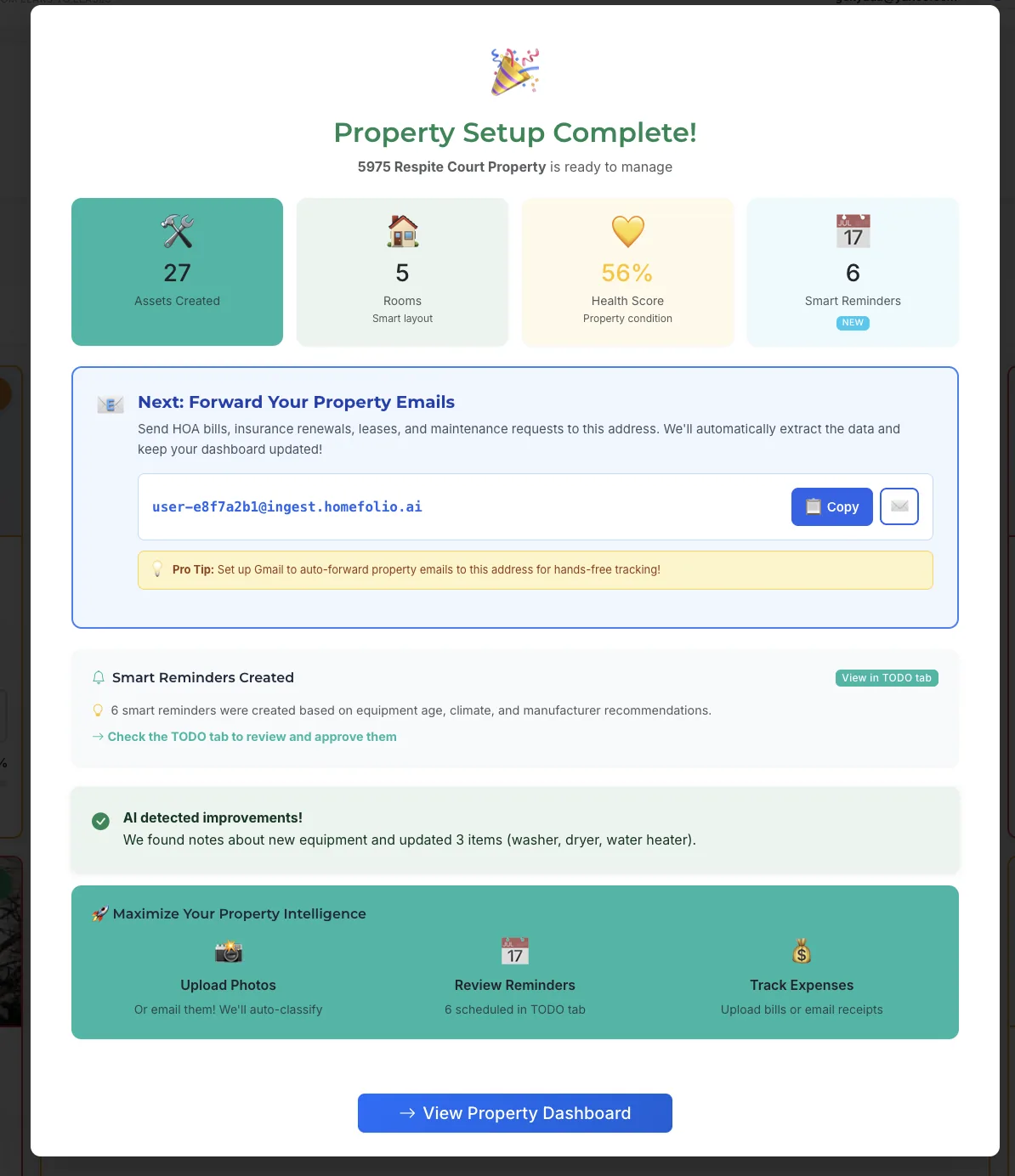
Leveraging technology, tools like Homefolio AI ensure that critical home documents are already there, connected to the right property, making them easily accessible whenever you need them. This means your documents are handled automatically, giving you peace of mind and freeing up your time for more enjoyable pursuits.
Leveraging Technology for Effortless Document Management
In the digital age, apps are your allies. Tools like Evernote and Google Drive offer streamlined ways to store and retrieve documents. With features like OCR (Optical Character Recognition), you can search the text within your scanned documents, making retrieval a breeze when you're in a pinch.
More advanced systems offer alerts for document expiry or renewal needs. Imagine getting a notification that your property tax documents need updating—before it becomes a problem. These tools can save you from costly oversights and keep your documents as fresh as your morning coffee.
Technology is not just about convenience; it's about security and efficiency. Ensure that any app you use has strong encryption features to protect your sensitive information. With the right digital tools, managing your home documents becomes an effortless task, leaving you with more time to enjoy your home rather than worry about it.
FAQ: Home Legal Documents
What legal documents should a homeowner keep?
Homeowners should keep essential documents such as the deed or title, purchase agreements, mortgage documents, home insurance policies, and any permits related to renovations. Keeping these documents ensures you can easily prove ownership and navigate any legal or financial issues that may arise. Also, consider retaining any warranties or receipts for major appliances and home systems.
How long should you retain home purchase agreements?
Retain home purchase agreements for as long as you own the property, and ideally for several years after selling. These documents serve as proof of purchase and can be critical in resolving disputes or questions about the transaction history. They may also be needed for tax purposes or when refinancing.
Are digital copies of home documents legally valid?
Yes, digital copies are generally considered legally valid, provided they are clear and unaltered. It's advisable to keep digital copies as backups while maintaining the original physical documents. Ensure that digital documents are stored securely and that you have multiple backups to prevent loss due to technical failures.
What should you do if a crucial document is lost?
If a crucial document is lost, act quickly to obtain a replacement. Contact the relevant issuing authority—for example, the local land registry for a lost deed. In some cases, you may need to provide identification and possibly pay a fee. For legal documents, consult with a lawyer for the best course of action to mitigate any potential issues.
Can technology help in managing home documents efficiently?
Absolutely. Technology can streamline document management by providing easy storage, retrieval, and reminders for updates or renewals. Apps like Evernote, Google Drive, and specialized tools such as Homefolio AI offer secure storage, making critical home documents already there when you need them, connected to the right property, and ready for use.