Property Tips

Avoid Costly Insurance Surprises: Master Your Homeowners Policy

Avoid Costly Insurance Surprises: Master Your Homeowners Policy

According to home insurance data, 60% of American homeowners mistakenly believe their policy covers flood damage, only to find out the hard way that it doesn't. Misunderstanding your homeowners insurance policy could cost you thousands—sometimes tens of thousands—of dollars in unexpected expenses. Let’s ensure you’re not part of that statistic.

The $20,000 Oversight: Common Homeowners Insurance Gaps

Understanding your homeowners insurance policy is akin to knowing the blueprint of your home. Key coverage areas, such as flood damage, sewer backups, and certain natural disasters, are often overlooked. Industry data suggests that about 70% of homeowners assume they have coverage for these, only to discover substantial gaps during a crisis.

Consider this: a homeowner in Florida thought their policy covered hurricane damage. When Hurricane Irma hit, they were left with a $20,000 bill for wind damage repairs. The culprit? A gap in windstorm coverage. Don't let this be your story. Analyze your policy and understand what's covered—and what's not.

Here’s a practical tip: Review your policy with a fine-toothed comb. Identify potential gaps and discuss them with your insurance agent. A small investment in additional coverage could save you from significant out-of-pocket expenses later.

Mapping Out Your Policy: What's Really Covered?

Decoding insurance jargon can feel like learning a new language. Terms like "replacement cost value" versus "actual cash value" often leave homeowners scratching their heads. Replacement cost value covers the cost to repair or replace your home without deducting for depreciation—essential for full recovery after a loss.

To assess your coverage adequacy, consider common scenarios. Is your jewelry covered if stolen? Most policies have a limit—typically around $1,500. You might need a separate rider for higher-value items. Similarly, your personal belongings might only be covered up to a certain percentage of your dwelling limit.

To ensure comprehensive coverage, make a list of high-value items and verify their coverage limits. Adjust your policy accordingly. This small step ensures you won’t face a nasty surprise when you file a claim.

Natural Disasters and Your Policy: Are You Prepared?

Natural disasters don’t send invitations—they just arrive. The National Oceanic and Atmospheric Administration reports that in 2020 alone, the U.S. faced 22 separate billion-dollar weather and climate disasters. Yet, many homeowners find themselves unprepared, often lacking necessary coverage for such events.

Your standard homeowners insurance policy might not cover specific natural disasters, like earthquakes or floods. In high-risk areas, the likelihood of these events is higher—making it crucial to evaluate your coverage and purchase additional insurance if necessary.

Here’s a strategy: Assess the natural disasters most likely to affect your area. Augment your policy with the required endorsements or separate policies. The peace of mind knowing you’re covered is worth the extra cost.

Upgrades and Renovations: Updating Your Insurance

Home improvements can ironically leave you underinsured. A kitchen remodel or a new room addition directly increases your home’s value, potentially outpacing your current insurance coverage. Industry experts caution that 25% of homeowners neglect to update their policies after major renovations.

For example, if you invest $50,000 in a new kitchen, your insurance needs an update to reflect this increased value. Failing to do so could leave you underinsured by a significant margin. An updated appraisal ensures your home’s current value is accurately represented.

Steps to align your insurance with your home’s value: contact your insurance agent post-renovation, provide the new estimated home value, and adjust your policy limits. This ensures full coverage for your upgraded home.

Filing Claims: What You Need to Know Beforehand

When disaster strikes, filing a claim can be a daunting process. Essential documentation—like receipts, appraisals, and photos of your home’s condition—is necessary for a smooth claim process. Many homeowners discover too late that their paperwork is missing or incomplete, delaying their claim.

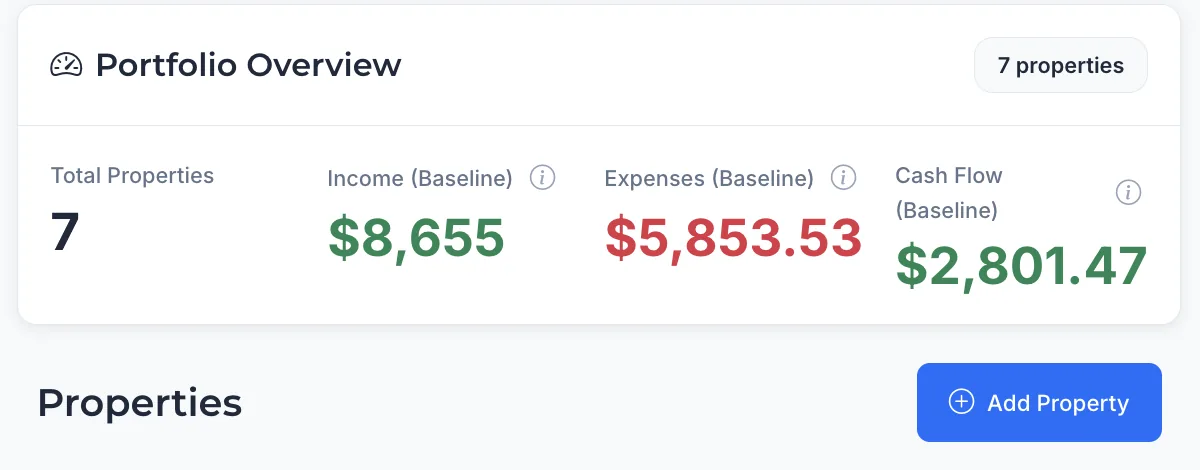
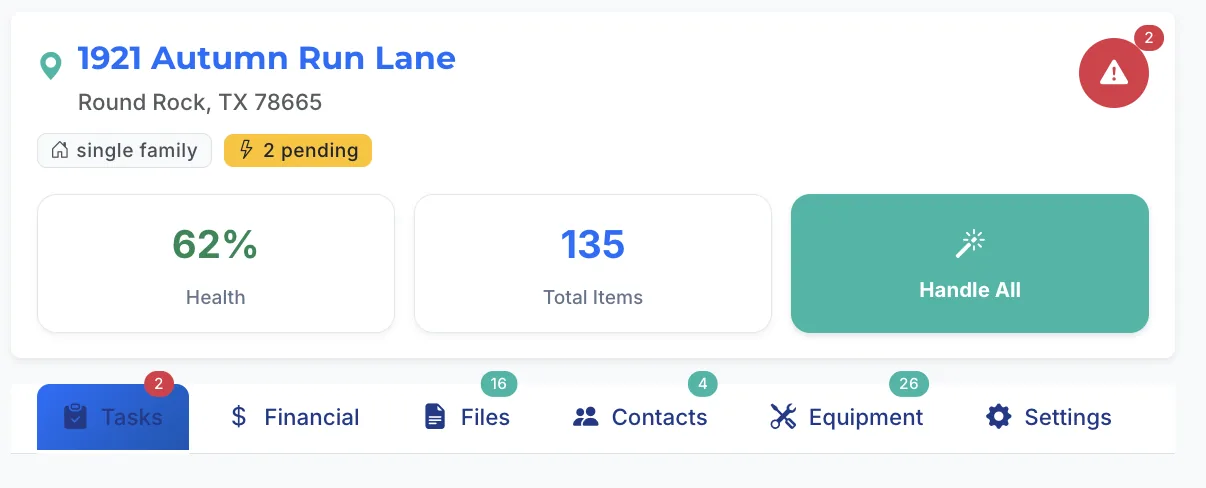
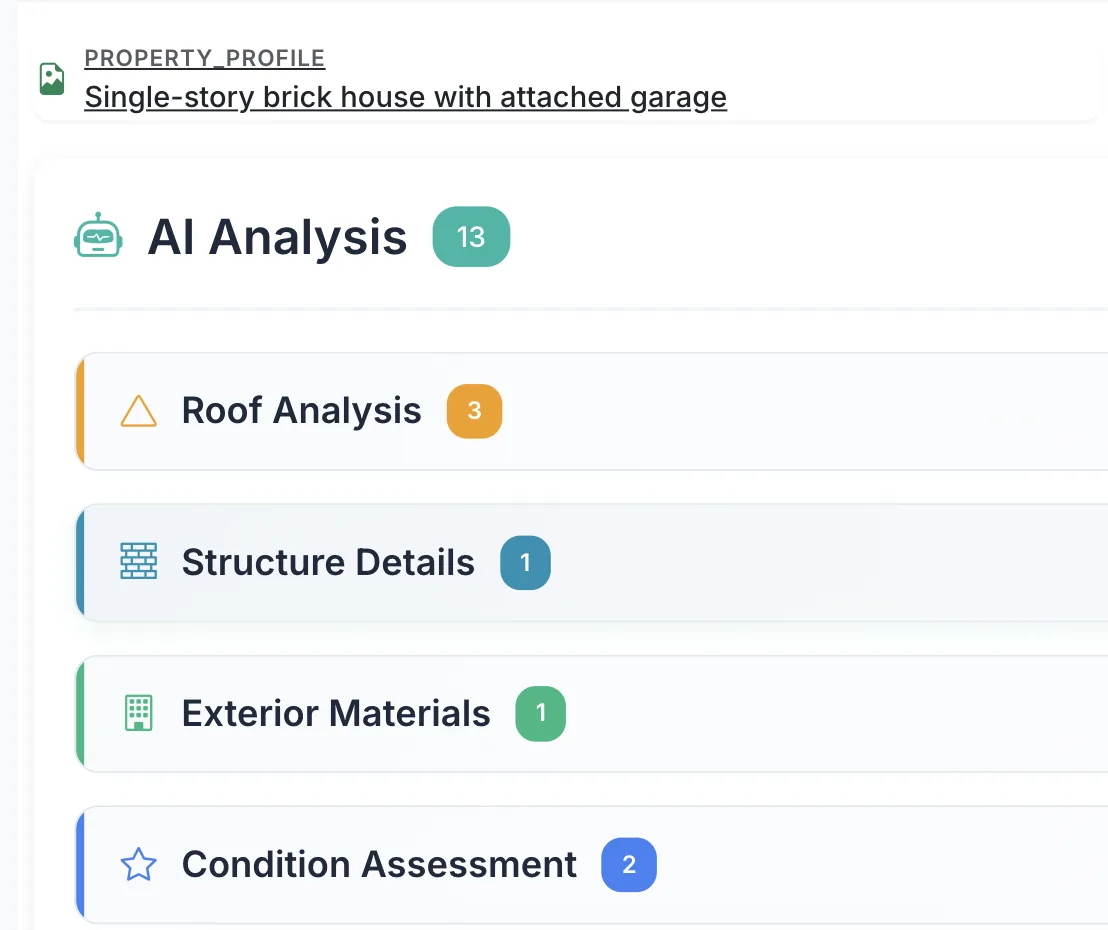
Common mistakes include not having up-to-date inventory of personal belongings or lacking evidence of property upgrades. Avoid these pitfalls by organizing your documentation now. A digital tool like Homefolio AI can make a world of difference. With it, your home's information is in one place, ready when you need it, ensuring all essential documentation is connected to the right property.

Visit Homefolio AI to streamline and simplify your claim process. Avoid delays and ensure your claim is processed swiftly.

FAQs on Homeowners Insurance Policies

How often should you review your homeowners insurance policy?

It's advisable to review your homeowners insurance policy annually. This ensures that any changes in your home’s value or updates from home improvements are accurately reflected. Additionally, reviewing allows you to compare rates and coverage options, potentially saving money and securing better protection for your home.

What is the difference between market value and replacement cost?

Market value refers to the price your home would sell for on the real estate market, including the land value. Replacement cost, however, is the amount necessary to rebuild or repair your home in its current state, excluding the land value. Homeowners insurance typically covers replacement cost, ensuring you can fully rebuild after a loss.

How can you reduce your homeowners insurance premium?

Reducing your premium can be achieved through several strategies. Consider increasing your deductible, bundling insurance policies, or installing security systems for discounts. Regularly reviewing your policy for unnecessary coverage can also lower costs while ensuring essential protection remains intact.

What factors influence homeowners insurance rates?

Factors influencing rates include the location of your home, its age and condition, and the materials used in construction. Your credit score, claim history, and chosen coverage limits also play significant roles. Understanding these can help you make informed decisions to potentially lower your premiums.

How does filing a claim affect your insurance rates?

Filing a claim can lead to increased insurance rates, particularly if you file multiple claims in a short period. Insurers may view frequent claims as high risk. To mitigate this, consider the cost of repairs against the potential premium increase before filing a claim for minor damages.

Your Home's Records — Already There When You Need Them.

Warranties, receipts, maintenance history, and appliance details — connected to your property automatically.

Get Started Free →