Property Tips

Avoid Costly Home Insurance Mistakes Every Owner Should Know

Avoid Costly Home Insurance Mistakes Every Owner Should Know

The average American home has $14,000 in appliances. Most homeowners can't find a single warranty document when things go awry. But if you think that's alarming, consider this: 59% of homes are underinsured by an average of 22%, according to home insurance data. Understanding your homeowners insurance policy could be the difference between financial security and a fiscal nightmare.

The Real Cost of Underinsured Homes

Statistics on home insurance reveal a startling trend: many homeowners are underinsured without realizing it. A study by CoreLogic estimates that over half of American homes have insufficient coverage, leaving owners vulnerable to severe financial repercussions. Imagine facing a substantial repair bill only to find out your policy falls short—it's like expecting a solid umbrella in a downpour only to find it's full of holes.

The consequences of underinsurance are dire. When disaster strikes, like a fire or a severe storm, the financial burden can be overwhelming. If your policy doesn’t cover the full cost of rebuilding or repairs, you might have to dip into savings, take out loans, or worse, face foreclosure. The safety net you thought you had might be more like a threadbare blanket.

To avoid these pitfalls, perform a thorough review of your current policy. Contact your insurance provider to discuss whether your home’s value and replacement costs are accurately reflected in your coverage. Adjust your policy as needed—it’s better to pay slightly higher premiums than face potentially catastrophic expenses.

Decoding Homeowners Insurance Policies

The terminology in insurance policies can be as clear as mud. But understanding key terms is essential. "Deductible" refers to the amount you pay out of pocket before insurance kicks in. "Liability coverage" protects against lawsuits for injury or property damage. "Dwelling coverage" pertains to the structure of your home, while "personal property coverage" deals with your belongings.

When it comes to types of coverage, know the difference between actual cash value and replacement cost coverage. Actual cash value considers depreciation, meaning you might not get enough to replace old items. Replacement cost, on the other hand, covers the expense of new items, making it a more comprehensive option. Consider what makes sense for your situation.

For a clear and friendly policy, ask your provider to explain each section. Confirm you have all necessary coverage types—like flood insurance, which isn't included in standard policies. If your home is in a floodplain, this could be as crucial as the foundation of your house.

Factors That Affect Your Insurance Premium

Your premium doesn’t exist in a vacuum. Location is a significant factor; homes in regions prone to natural disasters have higher premiums. Your home's age and construction type also play a role. An older home might mean higher premiums due to the increased likelihood of needing repairs.

Home improvements can impact your premiums, sometimes positively. Installing a security system could lower your insurance costs. Conversely, adding a swimming pool might increase them—there's no free dive in the insurance world. Before making improvements, check with your insurer to understand how your premium might change.

To manage costs, consider raising your deductible. A higher deductible usually means lower premiums. Just ensure you can cover the deductible if needed. Regularly review your policy and shop around; competition among insurers can mean better deals for you.

Maximizing Your Policy Benefits

Having insurance isn’t enough; maximizing its benefits is key. Start by ensuring your coverage limits match your needs. A home inventory can help you assess personal property coverage. Note the value of valuable items—jewelry, art, and electronics—to determine if additional coverage is necessary.

Regular policy reviews are crucial. As life changes—whether it’s a home renovation or new purchases—your insurance needs may evolve. Schedule an annual policy review with your insurer. Discuss any changes in your home or lifestyle that might affect coverage.

Take proactive steps: inquire about discounts, bundle auto and home insurance to save, and maintain good credit to potentially reduce premiums. Remember, a well-managed policy is an asset in itself.

The Importance of Record Keeping for Claims

Imagine dealing with a major repair only to realize you can’t prove it was completed. Proper documentation is vital for claims. Keep records of all home improvements and repairs—receipts, contracts, and photos. These can expedite your claims process, preventing hassles when you need funds quickly.

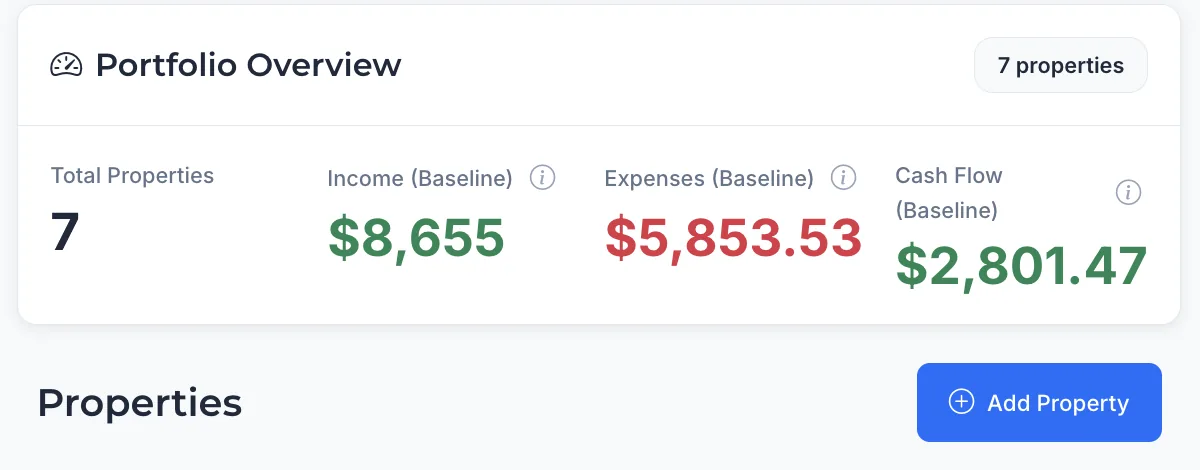
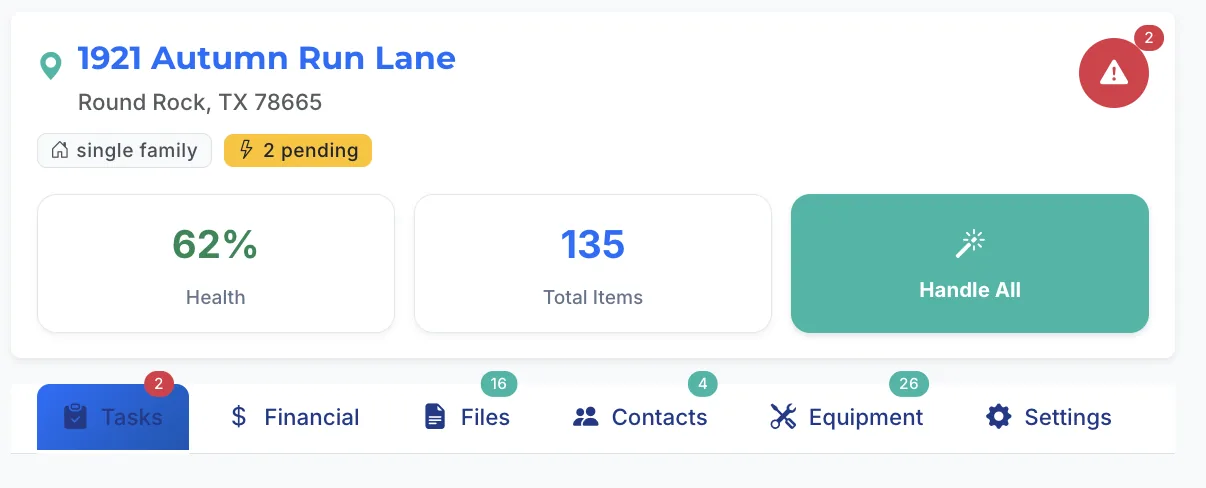
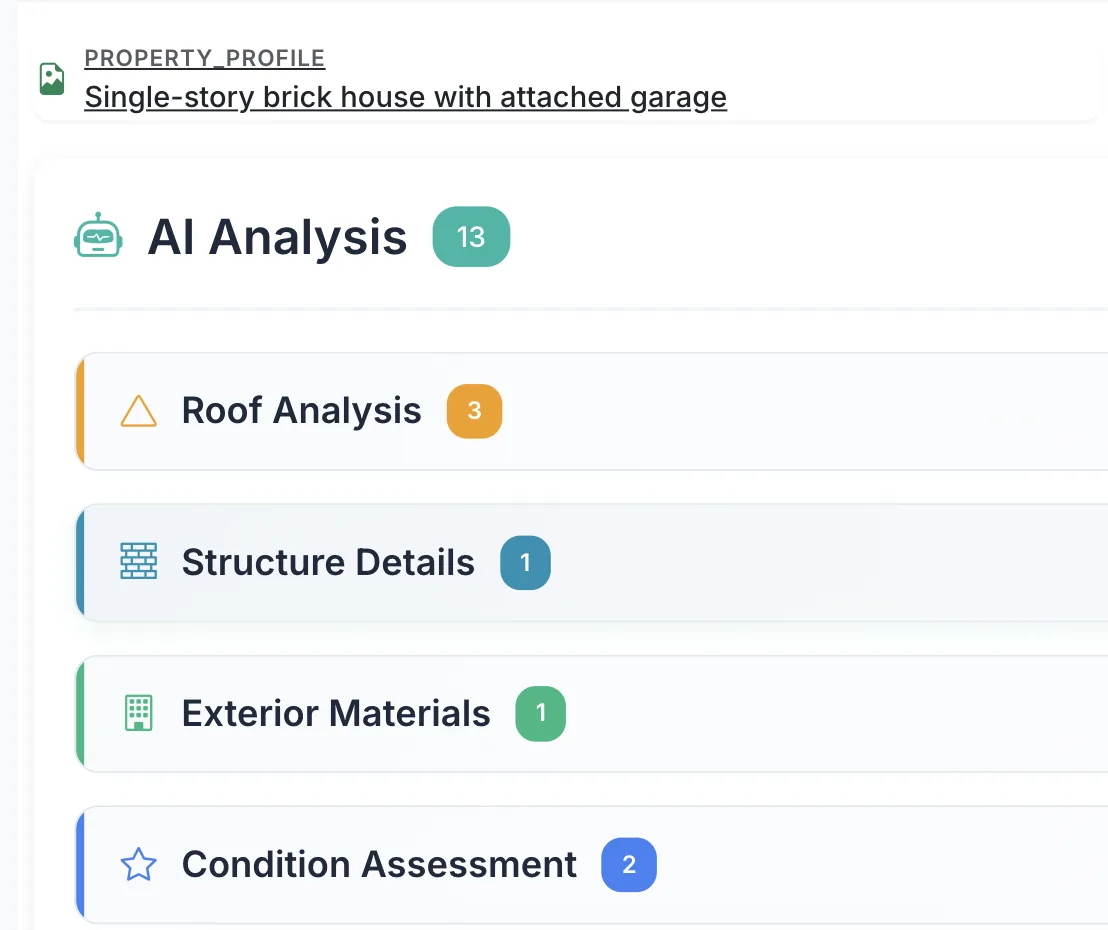
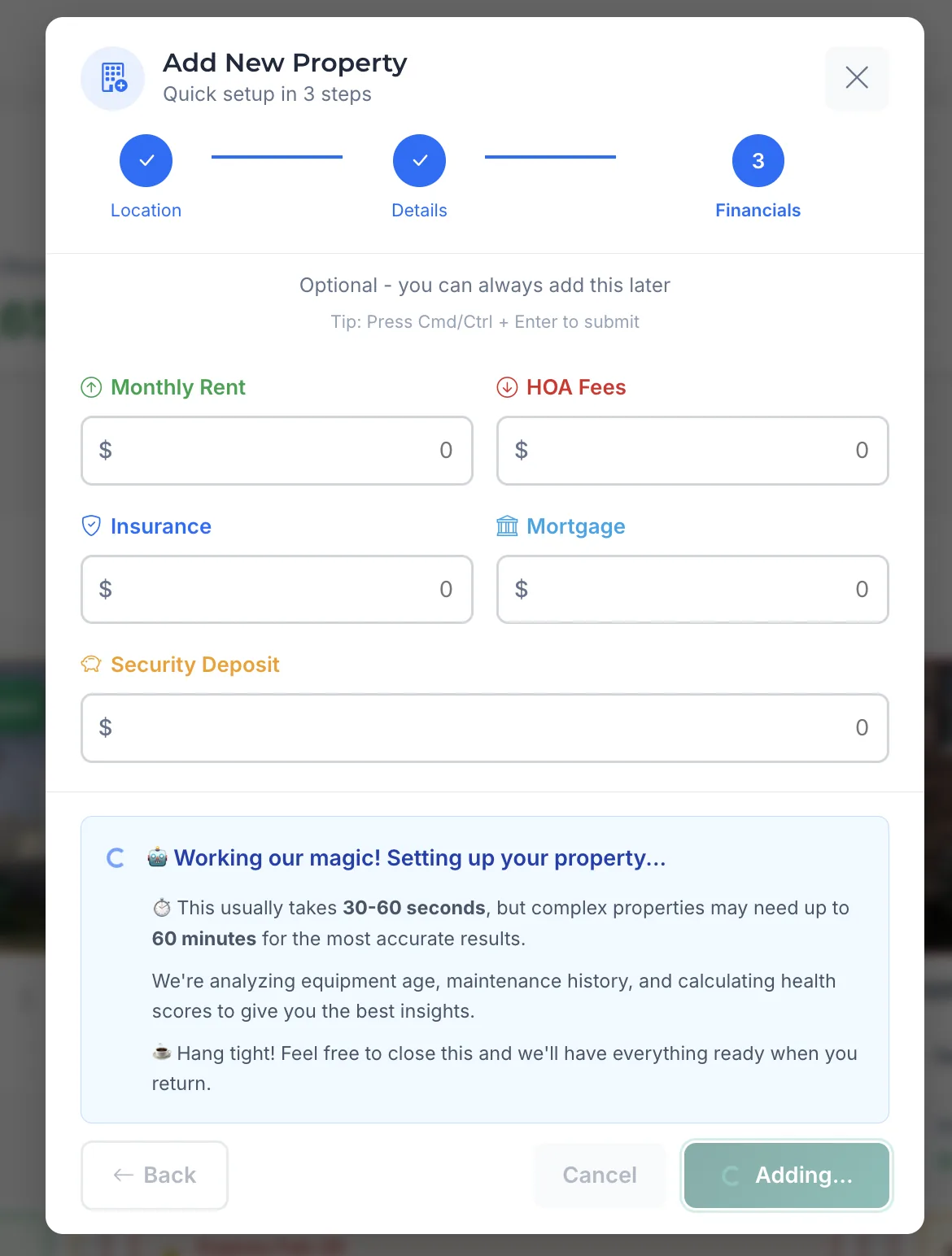
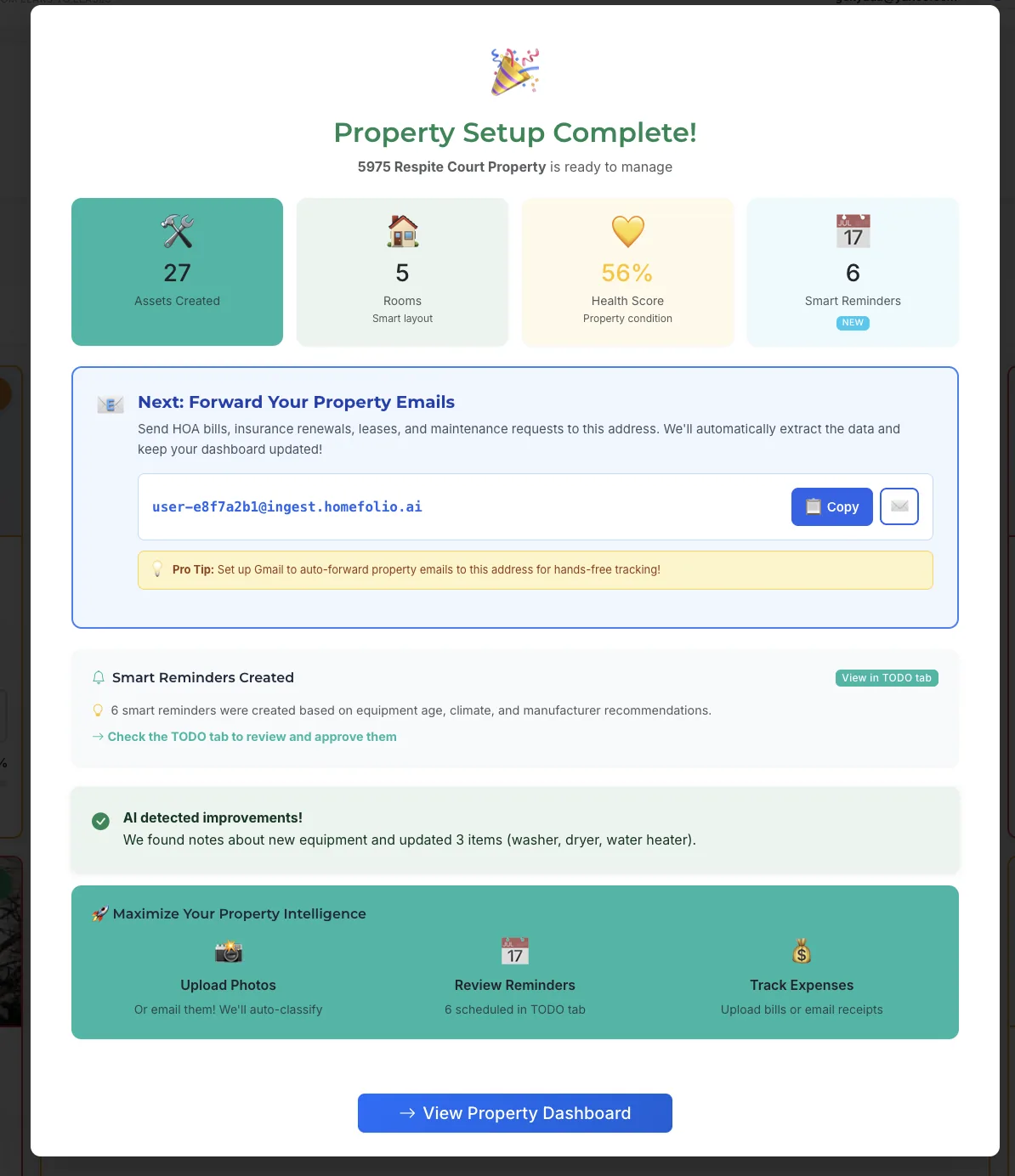
This is where Homefolio AI comes into play. Their service ensures your home improvement and repair documentation is already there and connected to the right property, streamlining the claims process. With Homefolio AI, your home's information is in one place, ready when you need it. Learn more about Homefolio AI.

To stay organized, maintain a digital folder for all documents related to home maintenance and improvements. Back up important papers in a cloud service. A well-documented history of your home not only aids in claims but could increase your property’s value by providing potential buyers a comprehensive history.

FAQs About Homeowners Insurance

What does a standard policy cover?

A standard homeowners insurance policy typically covers damage to your home’s structure, personal property, and liability for accidents that harm others on your property. It may also cover additional living expenses if your home becomes uninhabitable. However, it usually doesn’t cover natural disasters like floods or earthquakes, so additional policies might be necessary based on your location.

How often should I review my insurance policy?

Review your insurance policy at least once a year. This ensures your coverage keeps pace with changes in your home and lifestyle, such as renovations or purchases of high-value items. Also, revisit your policy after significant life events like marriage, which might require coverage adjustments.

What happens if my home is underinsured?

If your home is underinsured, you may face significant out-of-pocket expenses if you need to file a claim. Your insurance will only cover up to your policy limits, which might not be enough to fully repair or replace damaged property. This could lead to financial hardship, stressing the importance of regular policy reviews.

Can I bundle insurance policies for better rates?

Yes, many insurers offer discounts for bundling multiple policies, such as homeowners and auto insurance. Bundling can lead to significant savings, sometimes up to 25%. Shop around to compare bundling options from different providers to find the best deal for your needs.

How do I file a claim successfully?

To file a claim successfully, contact your insurer immediately after an incident. Provide them with detailed documentation, including photos and receipts. Keep a record of all communications with your insurance company. Prompt and thorough documentation can significantly speed up the claims process.

Your Home's Records — Already There When You Need Them.

Warranties, receipts, maintenance history, and appliance details — connected to your property automatically.

Get Started Free →