Property Tips

Avoid Costly Home Insurance Claims Mistakes: Do This First

Avoid Costly Home Insurance Claims Mistakes: Do This First

The Real Cost of Unprepared Insurance Claims

Did you know that unfiled insurance claims cost homeowners an average of $2,000 annually? According to home insurance data, many homeowners miss out on rightful claims simply because they weren't prepared. Without documentation and a clear path forward, even minor damages can snowball into significant expenses. And while you might think it's just a one-time oversight, the repercussions can affect your finances long-term.

Beyond the immediate financial setback, not filing or mishandling claims can lead to increased premiums. Insurance companies evaluate your claims history before deciding your rates. A poorly managed claim can signal risk, leading to higher premiums — sometimes as much as 20% more. That's cash you'd rather keep in your pocket.

Moreover, future coverage might be in jeopardy. Insurers have been known to drop clients who show a pattern of poor claim management or repeated negligence. A single unfiled claim can ripple through your financial life, affecting your ability to secure affordable insurance when you need it most.

Documenting Damage: The Key to Successful Claims

When disaster strikes, time is of the essence. Industry data shows that comprehensive documentation can increase claim success rates by up to 50%. Start by capturing clear, detailed photos and videos of all damages immediately. Don’t skimp on angles; get close-ups and wide shots, and timestamp everything — your smartphone is a powerful ally here.

Maintaining a detailed inventory of damaged items is crucial. List each item, its original value, and any other pertinent details. If you've got receipts, even better. These artifacts serve as evidence, substantiating your claim and speeding up the process. Can't find those receipts? You're not alone — a common homeowner woe.

To avoid the headache of missing paperwork, consider digital solutions. With apps that allow you to scan and store receipts, you’ll always have your documentation handy. The importance of having your information ready cannot be overstated — it’s the difference between a smooth process and a drawn-out ordeal.

Navigating the Claims Process: Step-by-Step Guide

Initiating a claim can feel daunting, but it doesn't have to be. Start by contacting your insurance provider as soon as possible. Many policies require notification within a specific timeframe — often within 48 hours of the incident. Be prepared to provide initial details about the damage and any immediate actions you've taken.

Once your claim is initiated, the waiting game begins. But don’t let it fall through the cracks! Follow up regularly with your insurance adjuster. Create a schedule for check-ins and keep a record of all communications. This ensures accountability and keeps your claim moving forward.

During the process, stay organized. Retain copies of all correspondence, and don’t hesitate to ask questions if something is unclear. Clarity is your best friend here, as is persistence. Your diligence can expedite the process and help secure a fair settlement.

Common Pitfalls and How to Avoid Them

Misunderstanding your policy coverage limits is a common pitfall. Homeowners often discover, too late, that not all damages are covered. Review your policy annually. Ensure you understand what's included and what isn't — especially for perils specific to your region, like earthquakes or floods.

Another frequent error is missing deadlines for claim submissions. Policies often have strict timelines for reporting damages and filing claims. Mark these dates on your calendar as soon as you purchase your policy. This simple step can prevent a costly oversight.

Some homeowners try to tackle claims without professional guidance, only to find they’ve missed critical details. Consider consulting a public adjuster if your claim is complex. They can provide expertise that ensures you get the settlement you deserve.

The Importance of Keeping a Home Records Archive

Documenting past maintenance and improvements is more than an exercise in nostalgia — it's a strategic move. Detailed records can substantiate your claims and enhance your home's value. For instance, updated roofing or a new HVAC system can influence the adjuster's assessment positively.

A complete home history can profoundly affect claims. If you've kept up with maintenance, your home is less likely to suffer from preventable damages, bolstering your case. This record becomes your ally when proving that damages are due to unforeseen events, not neglect.

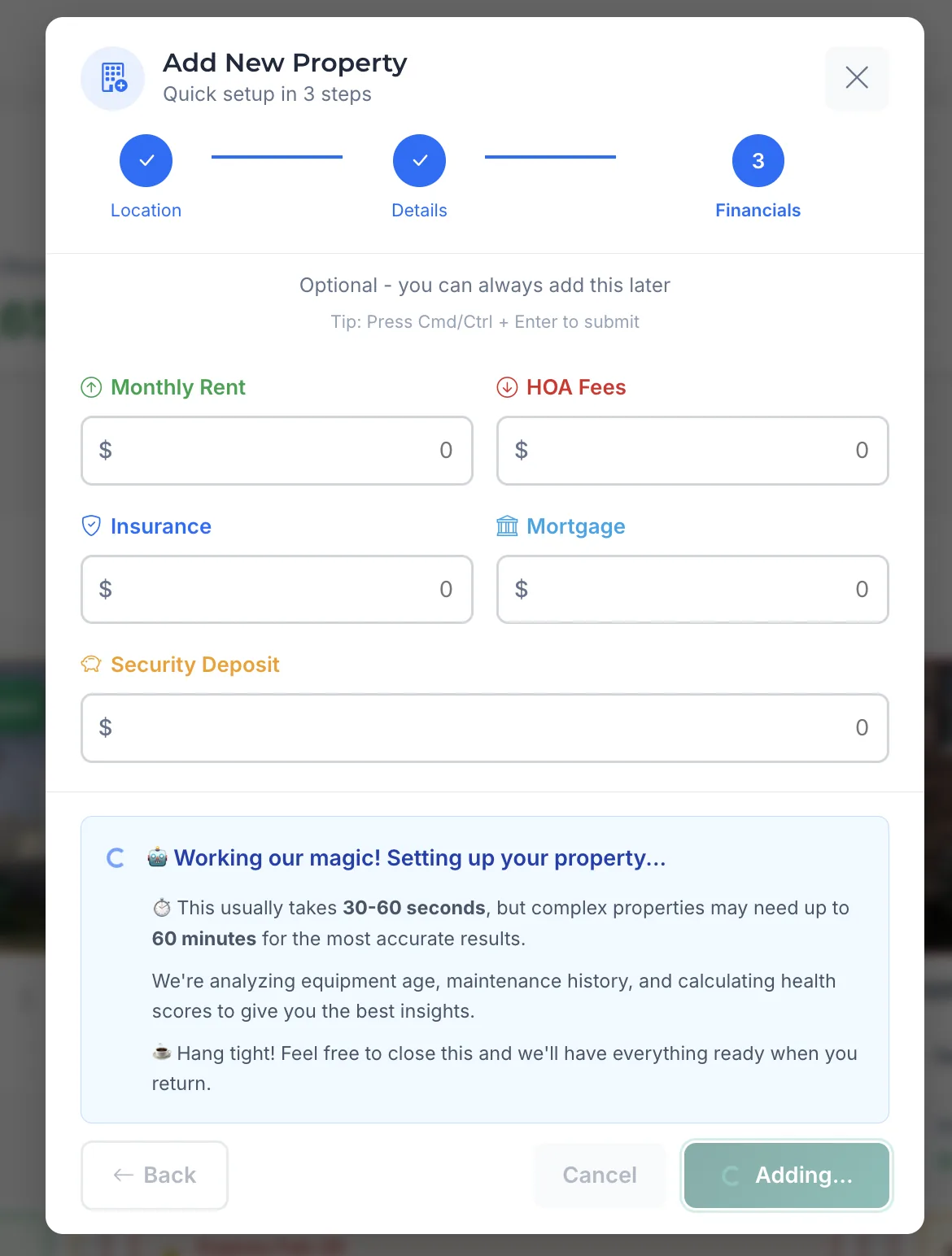
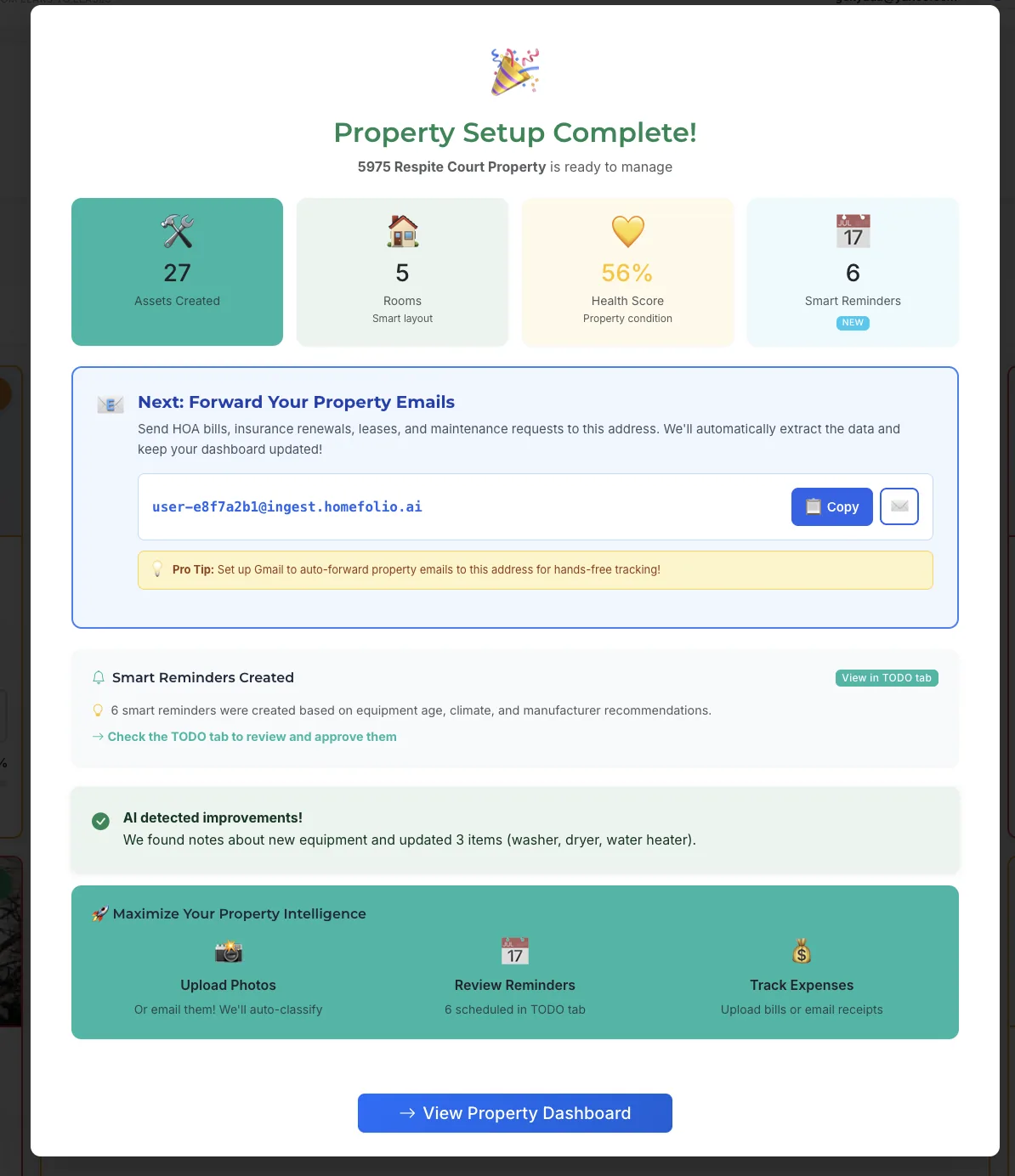
With Homefolio AI, your home's information is in one place, ready. Ensure all relevant documents and receipts are already there and connected to the right property, simplifying the claims process. No more scrambling — just clear, organized records at your fingertips.

FAQs About Home Insurance Claims

How long does it take to process a home insurance claim?

The timeframe can vary significantly. Simple claims may be resolved in a few weeks, while more complex ones could stretch to months. On average, expect a timeline of 30 to 60 days. Factors like the extent of the damage, the completeness of your documentation, and the responsiveness of both parties involved can influence this.

What if my claim is denied?

If your claim is denied, don’t panic. Review the denial letter carefully to understand the reason. You may need to provide additional documentation or clarify details. If you believe the denial is unjust, consider appealing the decision. Consult a public adjuster or an attorney specializing in insurance claims to guide you through the appeal process.

Do home insurance claims affect future premiums?

Yes, they can. Insurance companies consider your claims history when determining premiums. A single claim might not significantly impact your rates, but multiple claims within a short period can. It’s essential to weigh the potential impact on your premiums before filing minor claims that you can handle out-of-pocket.

How do I dispute an unfair settlement offer?

Start by reviewing your policy to ensure the offer aligns with your coverage. Gather all supporting documentation that justifies a higher settlement. Communicate with your adjuster, presenting your evidence and reasoning. If negotiations stall, hiring a public adjuster or attorney can help you navigate the dispute and advocate for a fair resolution.

What documentation do I need for a successful claim?

You'll need photos and videos of the damage, a detailed inventory of affected items, receipts, and any relevant maintenance records. If possible, include a timeline of events leading up to the damage. Having a comprehensive file ready when you contact your insurer can expedite the process and strengthen your claim.

Your Home's Records — Already There When You Need Them.

Warranties, receipts, maintenance history, and appliance details — connected to your property automatically.

Get Started Free →