Property Tips

Avoid Costly Floods: When to Replace Your Water Heater

Avoid Costly Floods: When to Replace Your Water Heater

There’s a statistic that might jolt you awake: the average American home houses $14,000 worth of appliances, but many homeowners can't locate a single warranty document when they need it. Among these appliances, your water heater often plays the unsung hero—until it leaks disastrously and floods your basement. Knowing when to replace your water heater isn’t just a matter of convenience; it's a matter of safeguarding your biggest asset: your home.

How a Failing Water Heater Can Drain Your Wallet

Water damage is no joke. Studies suggest that the average cost of repairing water damage is around $2,700, but it can easily escalate to $7,500 or more if your basement turns into a swimming pool. These costs often come out of pocket, given that many home insurance policies only cover sudden and accidental water damage, not gradual leaks from a neglected water heater.

Beyond the financial burden, a broken water heater can disrupt your day-to-day life. Cold showers are merely the tip of the iceberg. You might face ruined carpets, damaged electronics, and even structural issues if water seeps into your walls. As the expression goes, an ounce of prevention is worth a pound of cure—especially when it comes to avoiding these costly consequences.

Prevention starts with awareness. Regularly inspecting your water heater can save you thousands. Look for early warning signs, understand the risks, and act before your water heater decides it wants to impersonate Niagara Falls inside your home.

Signs Your Water Heater Is on Its Last Legs

Is your water heater starting to sound like a percussion section warming up? Unusual noises such as popping, banging, or even hissing can indicate sediment build-up or other internal issues. And if you notice puddles forming around the unit, you might be dealing with leaks. These are the red flags you can’t afford to ignore.

Another telltale sign of a failing water heater is inconsistent water temperature. If your morning routine involves dancing between scalding and freezing water, it’s time to consider an upgrade. Discolored water is another warning—rusty or cloudy water suggests corrosion inside the tank, potentially contaminating your supply.

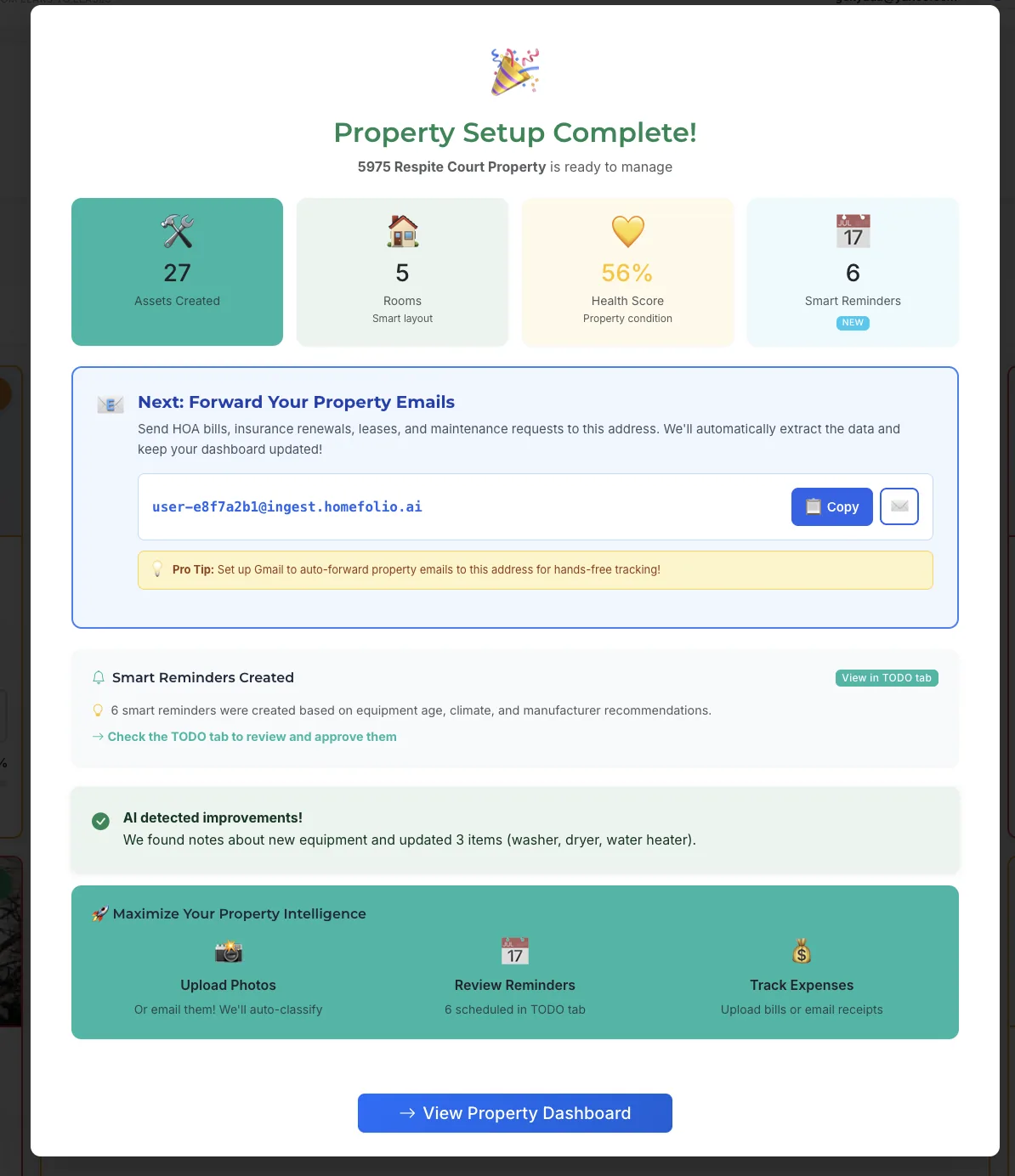
When it comes to keeping track of these issues, Homefolio AI ensures all your maintenance records and warranties are already there, so you know exactly what your water heater needs before it's too late. It's like having your home's information in one place, ready when you need it.

Understanding the Lifespan of Your Water Heater

The lifespan of your water heater depends on its type. Traditional tank water heaters last about 8 to 12 years, while tankless models can serve you for up to 20 years. However, these numbers are far from guaranteed. The longevity of your water heater hinges on several factors, including the quality of installation, water quality, and routine maintenance.

Regular maintenance can extend your unit's life. Flushing the tank annually removes sediment build-up, a common culprit in water heater failures. Also, inspecting the anode rod every two years can prevent rust inside the tank. It’s a $30 part that can save you thousands.

Usage plays a role too. A family of five will work a water heater harder than a single occupant. If your household uses hot water relentlessly, consider a higher capacity unit or even a tankless option for longer-lasting efficiency.

Making the Decision: Repair or Replace?

Facing a failing water heater, your first instinct might be to repair it. After all, replacing a unit costs between $1,000 and $3,000, while repairs might only set you back a few hundred dollars. However, if your heater is nearing the end of its lifespan, repairs could be a temporary—and costly—band-aid.

Before deciding, assess the condition of your water heater. Inspect for rust, leaks, and functionality. If repairs cost more than half the price of a new unit and your heater is past its prime, replacement might be the financially sound choice.

Conduct a cost-benefit analysis. Weigh the costs of potential repairs against the investment of a new, more efficient model. Consider energy savings and rebates that might be available for upgrading to a high-efficiency unit.

Choosing the Right Replacement for Your Home

When it’s time to replace your water heater, options abound. Traditional tank heaters are reliable and affordable, while tankless models offer energy efficiency and endless hot water. Hybrid models, which combine heat pump technology with traditional elements, offer another avenue for energy savings.

Efficiency ratings are crucial in your decision-making process. Look for the Energy Factor (EF) rating, which indicates a unit's energy efficiency. A higher EF means lower energy costs. Although high-efficiency models may have a steeper upfront cost, they typically pay for themselves over time through lower utility bills.

Size matters, too. A 40-gallon tank might suffice for a small family, while larger households may require a 50-gallon unit or more. Calculate your daily hot water usage to determine the right size for your needs. Remember, investing in the right model now can save you from future headaches and expense.

Frequently Asked Questions About Water Heater Replacement

How often should I check my water heater?

You should inspect your water heater at least once a year. During your inspection, look for leaks, rust, and sediment build-up in the tank. Checking the anode rod every two years is also wise. An annual professional service can help catch issues early, potentially extending the life of your water heater.

What size water heater do I need?

Determining the right size depends on your household's hot water demand. A small family may suffice with a 40-gallon tank, whereas larger families might need 50 gallons or more. Calculate your peak hour water demand to ensure your new water heater meets your needs without overpaying for unnecessary capacity.

Are tankless water heaters worth the investment?

Tankless water heaters can be worth the investment if energy efficiency and endless hot water are priorities for your household. Despite higher upfront costs, they offer a longer lifespan and can reduce energy bills by up to 30%. Consider your budget and long-term savings when deciding if tankless is right for you.

What are the signs of a leaking water heater?

Signs of a leaking water heater include puddles or moisture around the unit, rust on the tank, and a decrease in hot water supply. If the pressure relief valve is leaking, it might indicate excess pressure or temperature inside the tank. Address leaks promptly to prevent further damage and costly repairs.

Can I replace my water heater myself?

While DIY projects can be rewarding, replacing a water heater involves complex plumbing and electrical work. Incorrect installation can lead to leaks, inefficiency, or even dangerous situations. Hiring a professional ensures the job is done safely and up to code, preserving your home's safety and efficiency.

Your Home's Records — Already There When You Need Them.

Warranties, receipts, maintenance history, and appliance details — connected to your property automatically.

Get Started Free →