Property Tips

Avoid Costly Errors: Organizing Home Documents for Sale

Avoid Costly Errors: Organizing Home Documents for Sale

The $8,000 Mistake: Disorganized Paperwork

Did you know that disorganized paperwork can cost homeowners an average of $8,000 in delayed sales and missed opportunities? According to industry data, homes with perfectly organized documentation sell faster and closer to their asking price. On the flip side, misplaced documents can derail the entire process, leaving you with a house that lingers on the market like a bad smell.

One of the main culprits is missing warranties and receipts. Imagine trying to convince a buyer of the top-notch quality of your kitchen appliances without the warranty documents to back it up. This oversight can knock thousands off your sale price. Buyers are naturally skeptical, and without proof, your asking price might seem more like wishful thinking.

If your paperwork is in chaos, expect delays—lots of them. A missing title deed or mortgage document can stall your sale, causing potential buyers to walk away or negotiate a lower price. In real estate, time is money, and a delay can cost you both. So, it's time to get your papers in order, or your dream of selling might just turn into a nightmare.

Essential Documents Buyers Want to See

Buyers today are more informed and cautious than ever. They want to see inspection reports, title deeds, and mortgage documents before making an offer. These documents act as the backbone of any home sale, providing the buyer with the confidence that they're making a solid investment. Don't have them? Expect your potential buyers to vanish faster than your last paycheck.

Maintenance and repair histories are another biggie. Buyers love seeing a well-maintained home—it's like finding a unicorn. A detailed record of repairs and upgrades not only builds trust but can also justify a higher asking price. After all, a new roof or HVAC system isn't cheap, and buyers need reassurance that they won't be footing the bill for these essentials anytime soon.

Your buyers will also want to see proof of any major renovations or additions. Building permits and compliance certificates are crucial here. They ensure that all work was done to code, avoiding future legal headaches and safety concerns. Trust me, you don't want to be the seller who gets a call about a non-compliant addition years down the line.

How to Efficiently Gather Your Home's Paper Trail

Start by creating a comprehensive list of all necessary documents. This includes everything from the title deed to minor appliance warranties. Use a checklist to tick off items as you gather them—trust me, this will save you from redundancy and the 'Did I find that already?' conundrum, which we all know too well.

Next, sort your documents into categories such as 'Legal', 'Financial', and 'Maintenance'. Invest in a sturdy file cabinet or a fireproof safe for physical copies. For the tech-savvy homeowner, scanning documents and storing them electronically can be a game changer. Use folders on your computer to mirror your physical filing system for consistency.

Consider hiring a professional organizer if your paperwork resembles a tornado aftermath. They can provide invaluable insights and strategies for maintaining order. Remember, a clear system today prevents panic tomorrow. It's worth the investment to avoid last-minute scrambles that could jeopardize your sale.

Leveraging Technology for Seamless Organization

Welcome to the digital age, where organizing your home documents can be as easy as tapping a screen. Digital tools like cloud storage offer a secure way to keep your documents at your fingertips, accessible anytime, anywhere. Think of it as the modern homeowner's secret weapon against paper clutter.

Cloud storage services like Google Drive or Dropbox allow you to store and share your files effortlessly. Keeping digital copies also acts as a backup against physical damage. But remember, security is key—use strong passwords and two-factor authentication to keep your sensitive information safe from prying eyes.

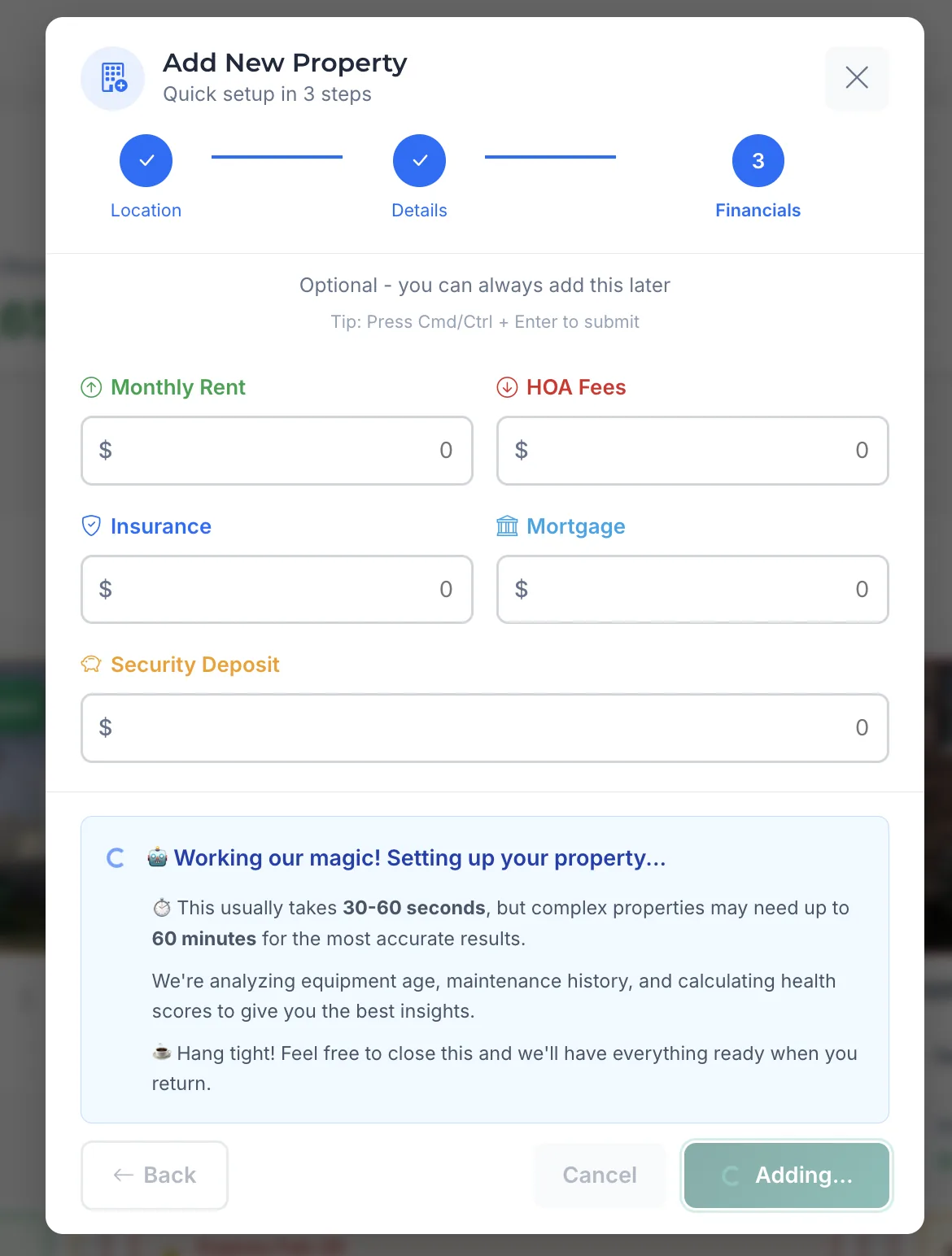
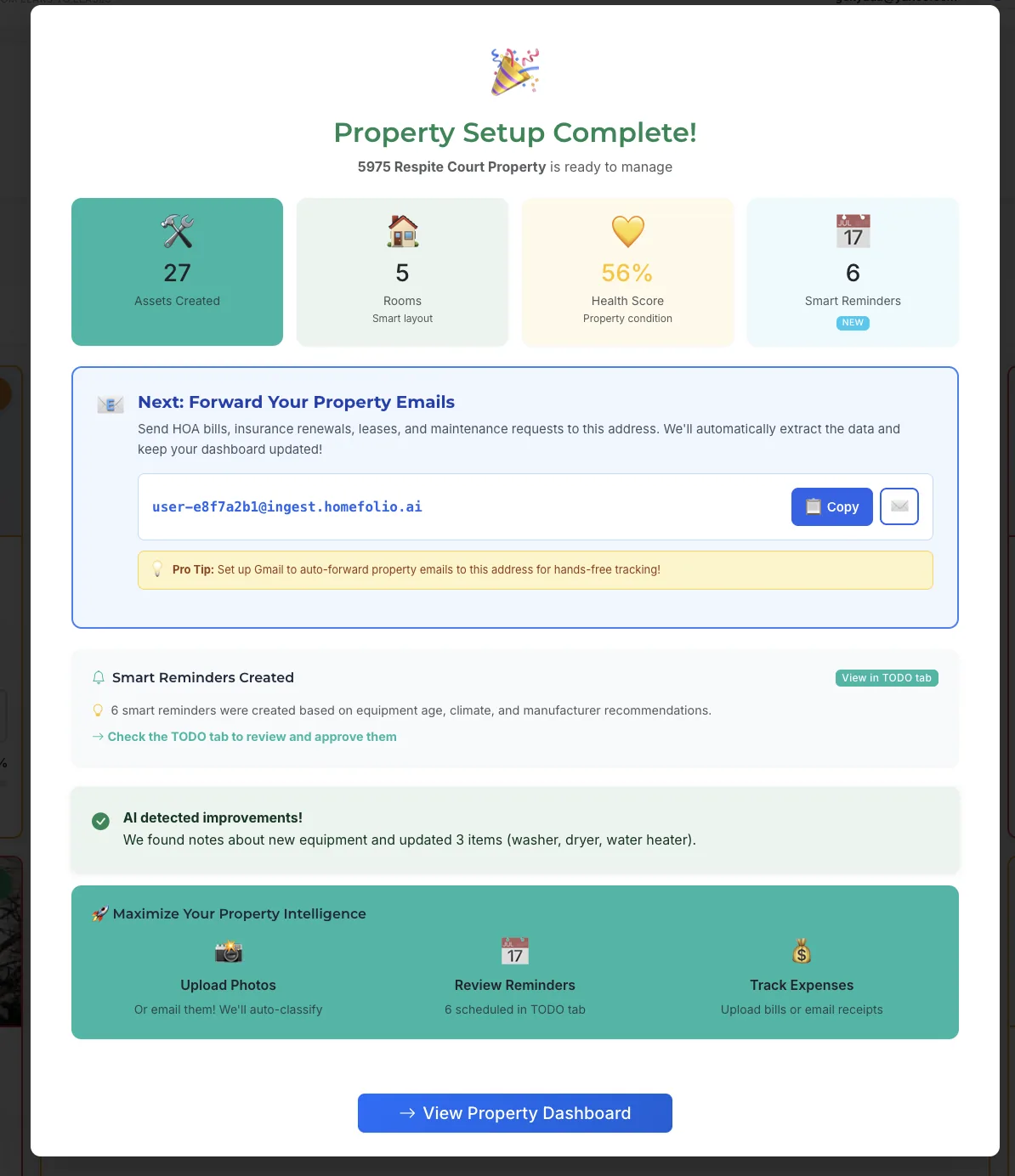
Enter Homefolio AI, a tool that ensures your home's documents, warranties, receipts, and maintenance history are already there when you need them. Being connected to the right property, Homefolio AI makes the selling process smoother and stress-free. Say goodbye to frantic searches and hello to peace of mind. Learn more about Homefolio AI here.

Maximize Your Home's Appeal with Well-Organized Records

When hosting open houses, present your documents as a curated collection of your home's history. Think of it as a personal scrapbook for your property, showcasing its journey and upgrades. Buyers appreciate transparency and will value the effort you've put into keeping everything organized.

Well-organized records can also be used strategically to justify your asking price. A detailed maintenance history can assure buyers that they won't be inheriting a 'money pit'. Every dollar invested in maintenance can be highlighted, reinforcing the value of your home and justifying a premium price.

In today's competitive market, having all your ducks—or documents—in a row can give you a significant edge. Use this to differentiate your home from others on the market. Remember, first impressions matter, and a well-documented home can be a deal-clincher.

FAQs on Home Document Organization

What documents do I need to sell my home?

To sell your home, you'll need several key documents: the title deed, mortgage statement, tax records, home insurance details, and any permits or compliance certificates for work done on the property. Additionally, buyers often appreciate seeing inspection reports, maintenance logs, and warranty documents. Having these organized and ready can prevent delays and boost buyer confidence.

How long should I keep home sale documents?

After selling your home, retain all related documents for at least seven years. This includes the sale deed, closing statement, tax records, and any warranties handed over to the buyer. These records are vital for resolving any future disputes or for tax purposes. A digital backup can provide extra security for these documents.

Can missing paperwork affect my home sale?

Absolutely. Missing paperwork can lead to delays, reduced offers, or even failed sales. Without essential documents like the title deed or inspection reports, buyers may be hesitant or unwilling to proceed. Complete documentation reassures buyers of their investment's legitimacy and value, making it crucial for a smooth transaction.

What are the best ways to organize home documents?

Organize your documents by categorizing them: create sections for legal, financial, and maintenance records. Use labeled binders or a filing cabinet for physical documents, and consider digital storage options for easy access and backup. Regularly update and review your system to ensure it's comprehensive and up-to-date.

Do digital copies of documents suffice?

Digital copies are often sufficient, particularly for sharing with potential buyers or your real estate agent. However, ensure they're clear, complete, and securely stored. Keep physical copies of crucial documents like the title deed in a safe place. Always back up digital files to avoid loss from technical failures.

Your Home's Records — Already There When You Need Them.

Warranties, receipts, maintenance history, and appliance details — connected to your property automatically.

Get Started Free →