Avoid Costly Delays: Prepare Home Documents for Sale Right
The $8,000 Mistake: Incomplete Document Prep
Imagine this: You’re on the verge of closing a deal on selling your home. The buyers are enthusiastic, the price is right, and you’re already packing. Then, a missing document surfaces, and the deal collapses—costing you $8,000 in lost value and another three months on the market. Real-estate nightmares aren't just the stuff of horror stories; they're grounded in reality. According to industry data, nearly 15% of home sales fall through each year, often due to incomplete documentation.
When documents go missing, it’s not just about scrambling to find them. It's about trust—or the lack thereof. Buyers become wary, questioning what else might be amiss. Suddenly, the charming fixer-upper you’re selling looks more like a money pit. Home sales typically take about 30 to 60 days to close. However, missing paperwork can extend this by weeks, if not months, costing you time, money, and a whole lot of stress.
To prevent this, start by conducting an early audit of all necessary documents. Retrieve them from that one drawer where everything gets shoved. Or, if you’re like most of us, that stack of papers in the attic. Organize them in a way that you can confidently hand over to potential buyers. The best offense is a good defense—and in home selling, that means being prepared.
Essential Documents Buyers Expect to See
Let’s cut to the chase: Buyers have a checklist, and you need to meet it. Start with the basics—title deeds, property surveys, and tax records. These documents are the Holy Grail for any prospective homebuyer and are essential for their due diligence. Without them, your house is just a structure with a lot of unanswered questions.
Studies suggest that buyers spend an average of six months searching for a home and evaluating multiple properties. During this time, they rely heavily on documentation to make informed decisions. As a seller, your goal is to make their decision-making process straightforward. Having these documents readily available not only streamlines the process but also builds confidence.
If some documents have gone AWOL, it’s time to roll up your sleeves. Contact your local government office for missing deeds or surveys. And remember, tax documents can usually be retrieved from your accountant or online tax service. It’s a bit of a scavenger hunt, but one that pays off in the end. When the buyers ask, you can answer with paperwork in hand, not excuses.
Boost Buyer Confidence with Improvement Records
Renovations can be a double-edged sword. Done right, they can add substantial value to your home. Done wrong, they can be a money pit. Documented improvements, however, are your golden ticket to maximizing your home’s value. According to Remodeling Magazine's 2023 Cost vs. Value Report, the average midrange bathroom remodel recoups about 60% of its cost at resale.
But here’s the kicker: Buyers can’t see your pricey new plumbing or rewiring. They need proof. Compile receipts, permits, and contractor details for improvements you've made. Highlight impactful renovations, like a new roof or energy-efficient windows, which can be key selling points. Buyers love improvements that translate to future savings—give them the numbers.
To streamline this, create a digital or physical folder titled "Home Improvements" and update it regularly. When it’s time to sell, you won’t be rifling through shoeboxes of receipts. Instead, you’ll have a tidy dossier that screams, “This house is worth every penny.” Show your buyers that your home is not just another listing but a well-maintained investment.
Navigating Seller Disclosures: What You Must Reveal
Seller disclosures are your legal responsibility. They’re not just a courtesy; they’re a requirement. If you’re in California, for instance, you're mandated to disclose anything that materially affects the value or desirability of your property. This is no time to play fast and loose with the truth. According to home insurance data, non-disclosure can lead to lawsuits costing upwards of $15,000.
Common disclosure issues include roof leaks, termite damage, and past flooding incidents. These aren’t just red flags; they’re sirens. Ignoring them can lead to buyer distrust and, ultimately, a failed sale. Understanding the legal requirements of your area is crucial—consult a local attorney if needed to ensure you’re not skipping vital disclosures.
It pays to be forthright. Prepare a seller’s disclosure statement well in advance of listing your home. Be thorough, detail-oriented, and transparent. This document shouldn’t be a last-minute scramble. Instead, it should form the bedrock of your sales strategy, showing buyers that you have nothing to hide.
Streamlining the Process with Technology
We live in a digital age where paperwork is increasingly becoming a relic of the past. Leverage technology to your advantage in preparing home documents. Cloud-based tools like Dropbox or Google Drive can be invaluable for storing copies of essential documents. They also allow for easy sharing with real estate agents and legal advisors. But why stop there?
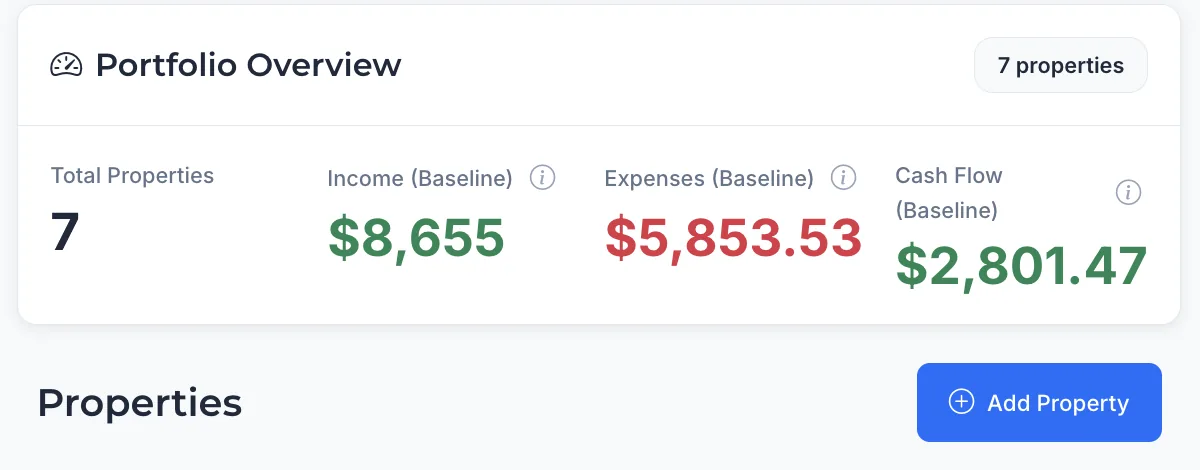
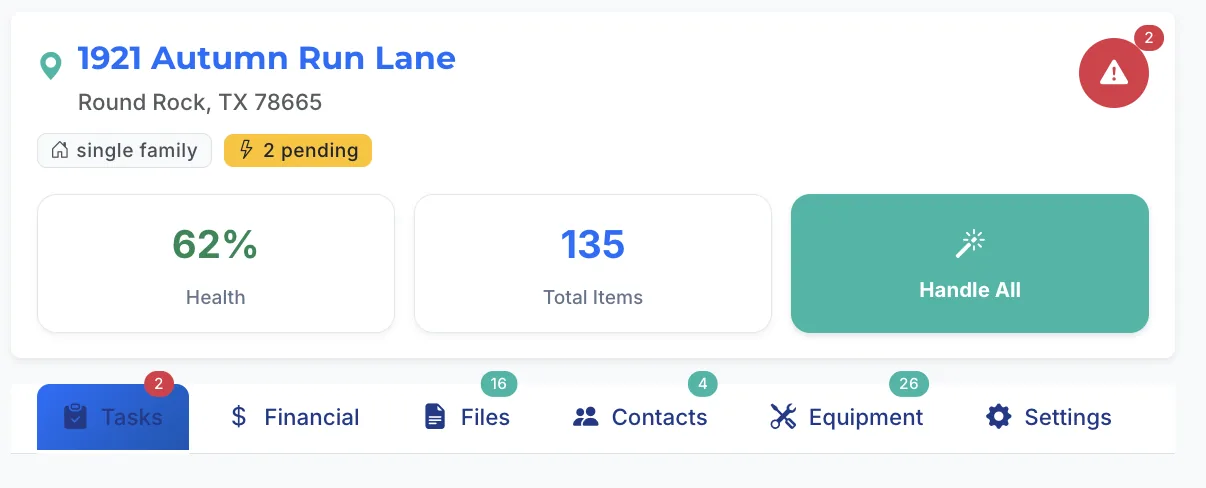
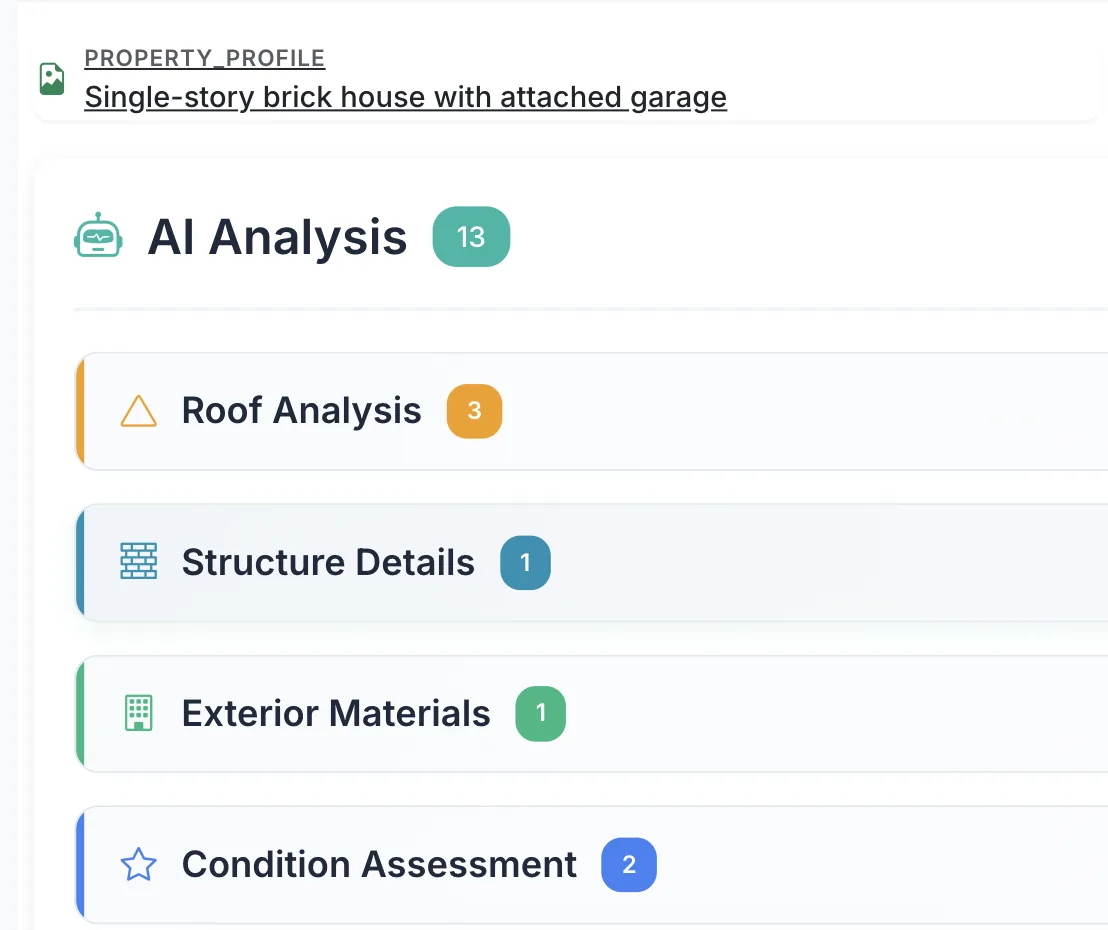
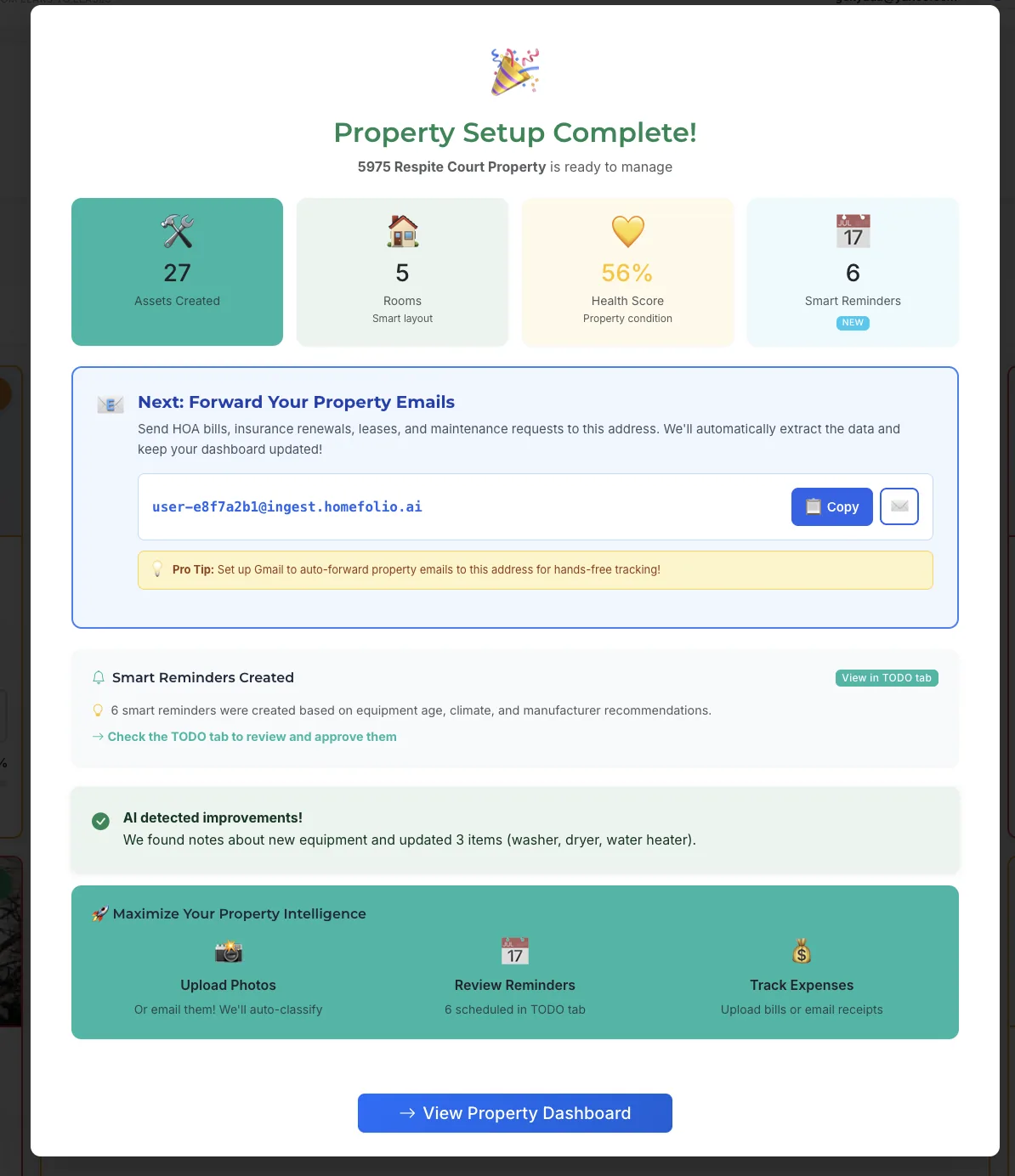
Enter Homefolio AI—a tool that ensures your home's documents are already there when you need them. It automatically connects information to the right property, preventing last-minute surprises in the selling process. With everything in one place, you’re not just organized; you’re efficient. Homefolio AI takes the burden off your shoulders and lets you focus on sealing the deal.
Using tech in this way not only simplifies the document preparation process but also adds another layer of security. No more misplacing crucial paperwork or relying on old filing cabinets. With the right tools, you’ll breeze through the sale process with confidence and clarity.
FAQs: Preparing Home Documents for Sale
What documents are mandatory for selling a home?
Mandatory documents include the title deed, property survey, and recent tax records. These establish ownership and provide necessary information about the property’s legal standing. Depending on your location, you might also need to include a seller's disclosure statement. Consult with a local real estate attorney to ensure you have all required documentation specific to your area.
How can I organize my home documents efficiently?
Start by categorizing documents into folders: legal, financial, and improvements. Use both physical and digital storage solutions. A cloud-based service like Google Drive can be invaluable for easy access and sharing. Regular updates and audits of your document storage system will ensure everything stays organized and readily available when needed.
What should I do if I can't find a necessary document?
If a document is missing, first check online resources or contact the original issuer. For instance, you can obtain lost tax documents from the IRS or your state’s tax department. If you’ve lost a deed or survey, contact your local government office. As a last resort, you may need to obtain a new copy, which could take time, so start this process early in your home selling journey.
How do renovations impact my home's selling price?
Renovations can significantly impact your home's selling price, especially if they improve functionality or energy efficiency. Industry data shows that certain renovations, like kitchen updates or energy-efficient installations, offer high return on investment. Document all renovations meticulously to present a compelling case to potential buyers about the added value of these improvements.
Do I need to disclose every problem with my house?
While you don’t need to disclose every minor issue, anything that affects the property's value or desirability must be revealed. This includes structural issues, pest infestations, or previous damages. Non-disclosure can lead to legal complications. It's best to err on the side of caution and disclose any known issues, consulting a legal professional if in doubt.