Avoid Costly Delays: Insurance Claim Process Timeline Unveiled
The Hidden Costs of a Delayed Insurance Claim
The average American homeowner discovers the true cost of delays when filing insurance claims—often when it's too late. Studies suggest that postponed claims can add an additional 20% to your out-of-pocket expenses, simply due to inflation and damage exacerbation. Not addressing damages swiftly can lead to more severe problems down the road, from mold growth to structural issues, each adding up in cost.
Delays don't just hit your wallet; they can also jeopardize your claim approval. Insurance companies operate on strict timelines. If you miss a deadline, you might find yourself ineligible for full reimbursement. Therefore, understanding your policy’s timeline is crucial. You don’t want your compensation to slip through the cracks because you forgot to send a document on time.
Here's a bitter pill: industry data shows that claims processed within the first 30 days are approved at a rate 15% higher than those that drag on beyond 60 days. Time really is money when it comes to insurance claims. So, let's avoid turning your next claim into a financial sinkhole.
Step-by-Step Breakdown of the Insurance Claim Process
Filing a claim is the first hurdle. Before you even pick up the phone, gather your documentation. This includes your policy number, a detailed description of the damage, and any photos or videos. The more evidence you have, the smoother your initial conversation with the insurance company will go. Don’t skip this step—missing information can lead to frustrating delays.
Next up is the inspection and assessment phase. Once your claim is filed, expect an adjuster to contact you within a week to schedule a property inspection. This is where they evaluate the extent of the damage and determine the payout. Remember, preparation is key. Having a detailed inventory and documentation at the ready can speed up this process dramatically.
Finally, after the inspection, you'll receive a settlement offer. This can take anywhere from a few days to a few weeks, depending on the complexity of the claim and the efficiency of your insurance provider. If the offer seems low, don't hesitate to negotiate. Provide additional documentation or seek a second opinion if necessary.
Common Pitfalls in the Claim Timeline and How to Avoid Them
One of the most common pitfalls is incomplete documentation. You might think you have everything you need, but missing a single receipt can delay your claim for weeks. Double-check your paperwork before submitting it. If you're unsure about what you need, consult your policy or speak with your insurance agent for guidance.
Timing is everything in the insurance world. Not notifying your insurer promptly can lead to unnecessary complications. Ideally, you should contact them within 24 hours of discovering damage. The sooner you notify them, the faster they can start processing your claim. Delay at your peril.
Finally, don’t underestimate the power of communication. Keep a log of every conversation with your insurer. Note down dates, times, and the names of the representatives you speak with. This can be invaluable if you need to dispute a decision or prove that you met all requirements within the given timelines.
How Home Records Can Expedite Your Claim
Receipts and warranties play a pivotal role in speeding up the claims process. They serve as proof of purchase and validate the value of items lost or damaged. Without them, you might find your claim reduced or denied. It's worth noting that, according to industry data, claims with complete documentation are processed 30% faster.
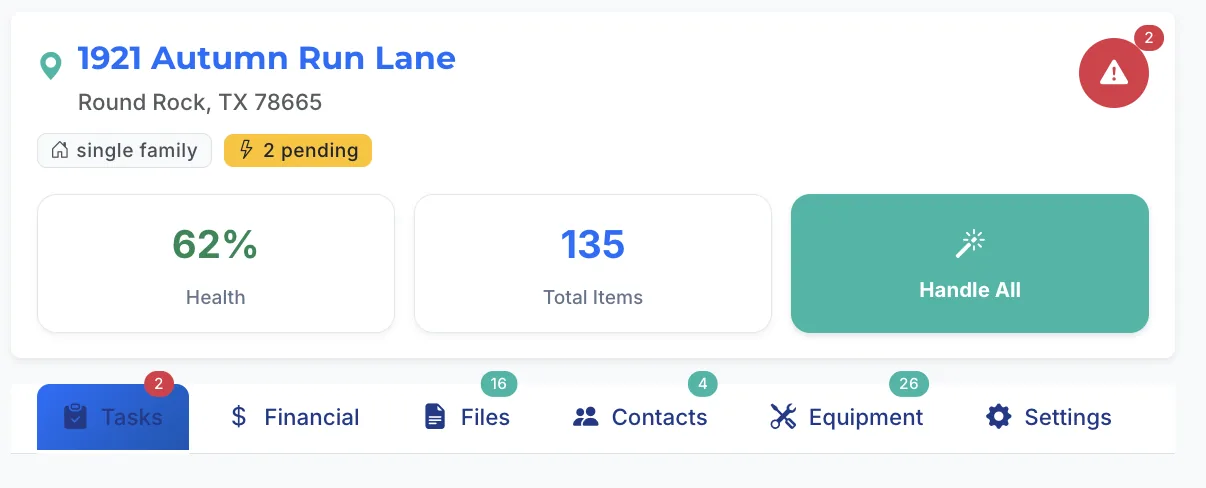
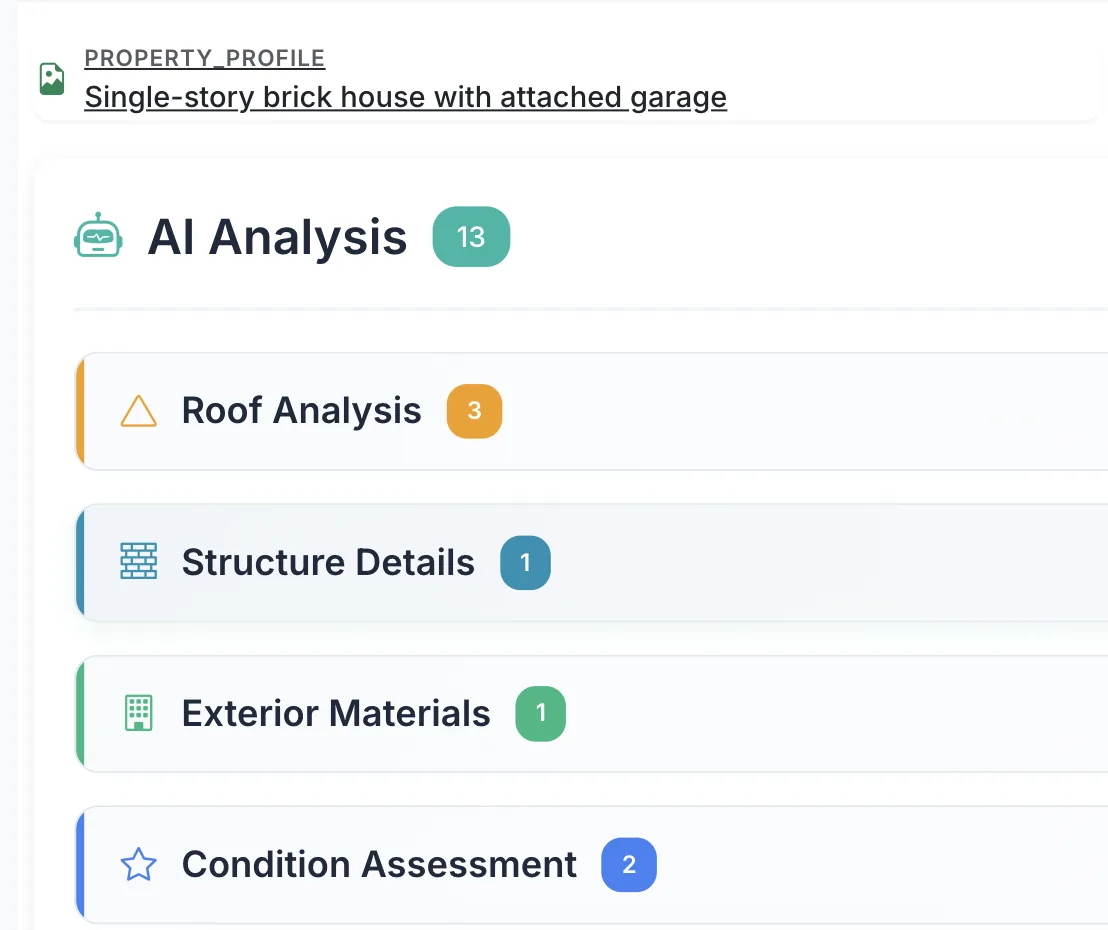
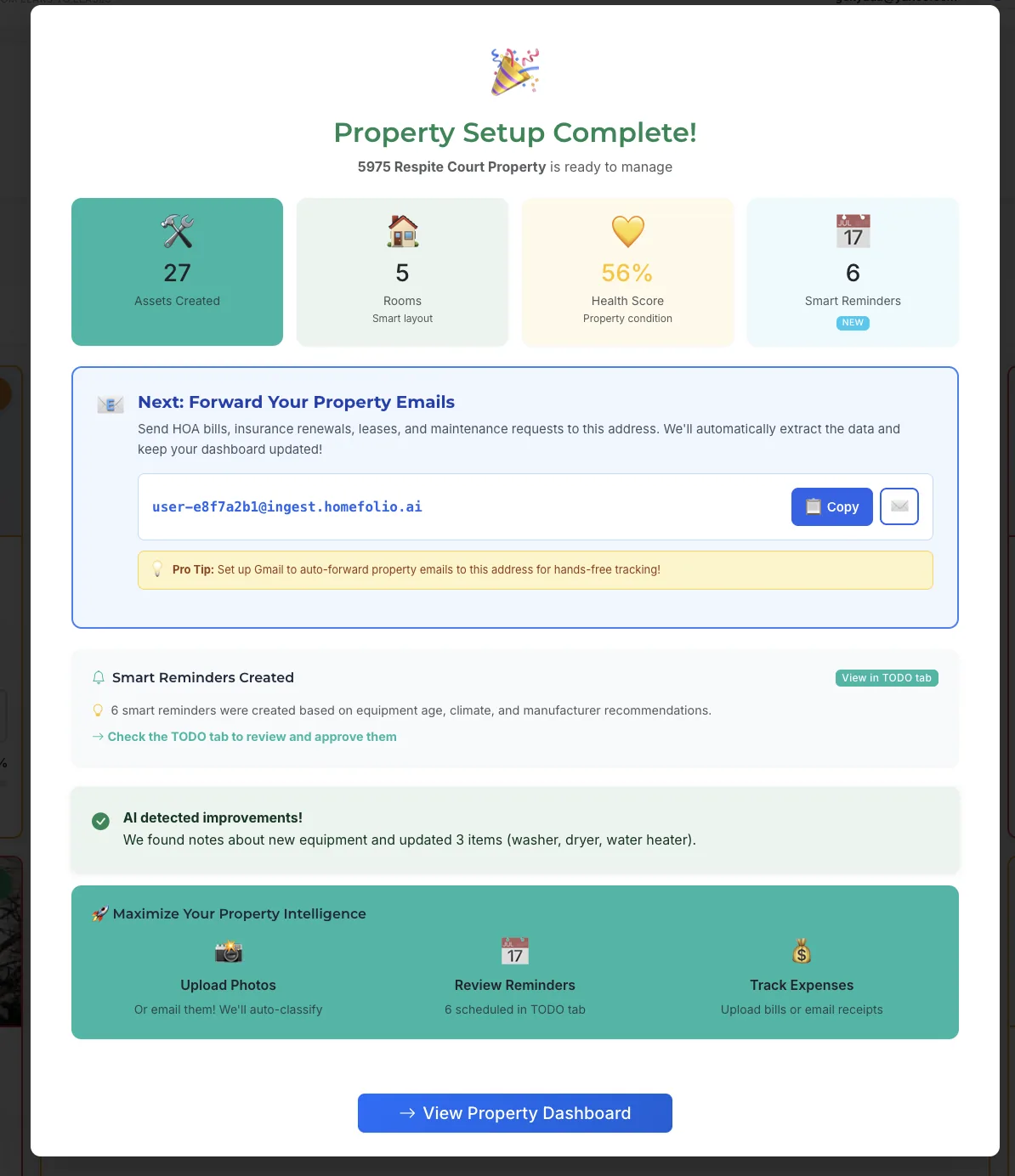
A comprehensive home history can save you from headaches down the road. Keeping a detailed inventory of your possessions, along with any upgrades or renovations, can make a world of difference. This is where technology, like Homefolio AI, comes into play. With Homefolio AI, your documents and home history are already there when you need them, connected to the right property, making the claims process faster and smoother.
Think of it this way: a well-documented home is like having an insurance ace up your sleeve. When disaster strikes, you’ll be ready to present a solid case to your insurer, leaving no room for doubt about the legitimacy of your claim.
The Role of Technology in Streamlining Claims
Technology has revolutionized many industries, and insurance is no exception. Apps and online tools now allow you to file claims, upload documents, and track the status of your claim from the comfort of your home. This ease of access doesn’t just save time—it can also save your sanity during a stressful period.
Some insurers offer dedicated apps that guide you through each step of the claims process, providing status updates and reminders for any outstanding documentation. This digital hand-holding can prevent you from missing critical deadlines and help ensure a smoother experience.
Consider the case of a homeowner who used an app to submit their claim after a severe storm. The app allowed them to upload photos and documents directly from their smartphone, resulting in a faster processing time and quicker payout. This tech-assisted approach is the future of insurance claims—don’t miss out on its benefits.
FAQs About the Insurance Claim Process
How long does an insurance claim typically take?
The timeline for an insurance claim can vary based on several factors, including the complexity of the claim and the responsiveness of the insurance company. Generally, a straightforward claim can take anywhere from a week to a month to process. More complex claims, or those requiring additional documentation, can extend to several months.
What documents are essential for filing a claim?
Essential documents include your insurance policy, a detailed description of the damage, photos or videos of the damage, receipts or proof of purchase for damaged items, and any relevant warranties. Having these documents ready can significantly expedite the claims process.
Can a denied claim be appealed?
Yes, a denied claim can often be appealed. Start by reviewing the denial letter to understand the reasons for the denial. Gather any additional evidence or documentation that supports your claim and submit a formal appeal to your insurer. Consulting with an insurance adjuster or attorney may also be beneficial.
What should you do if your claim is taking too long?
If your claim is dragging on, first contact your insurance company to inquire about the delay. Document your conversations and ask for a timeline. If the delay persists, consider filing a complaint with your state's insurance department or seeking legal advice.
How often should you update your home inventory?
Updating your home inventory should be an annual task. Additionally, any time you make a significant purchase or renovation, update your records. This ensures that your inventory is current and accurate, providing invaluable support in the event of a claim.