Property Tips

Avoid Costly Claims: Master Your Home Warranty Records

Avoid Costly Claims: Master Your Home Warranty Records

The average American home has $14,000 in appliances. Most homeowners can't find a single warranty document. That's not just an oversight; it's a ticking time bomb for your wallet. With warranties playing a crucial role in covering unexpected repair costs, the lack of proper record-keeping could lead to significant financial losses. So how do you keep your home warranty records without the hassle? Let's dive in.

The Hidden Cost of Poor Record Keeping

Imagine this: your refrigerator—a hefty $2,000 investment—suddenly stops working. You remember it's under warranty, but can you find the receipt? In many cases, homeowners end up paying out-of-pocket because they can't locate the necessary documentation. According to home insurance data, 31% of claims are denied due to missing or incomplete records.

Real-life horror stories abound. One homeowner had their HVAC system break down in the middle of a heatwave. Despite having a valid warranty, they faced a denied claim, all because the paperwork was misplaced during a recent move. That mistake cost them $5,000 in repairs.

Industry data shows that the average homeowner could save up to $1,200 annually by ensuring all warranties are properly filed and accessible. Neglecting this simple task can have a snowball effect, especially when multiple appliances decide to fail simultaneously. It's a hidden cost that sneaks up on you when you least expect it.

Why Keeping Warranty Records is Crucial

Warranty records aren't just pieces of paper; they're peace of mind. They can save you thousands on repairs and replacements. When a major system or appliance breaks, having the warranty on hand means not having to dip into emergency funds or rack up credit card debt. Studies suggest that over 50% of homeowners who keep organized warranty records experience fewer disputes and quicker claim resolutions.

Moreover, warranty records play a vital role in maintaining your home's value. Potential buyers often see transferable warranties as a safety net, making your property more attractive. A home with organized warranty documents is like a car with a clean service history—it's simply worth more.

To capitalize on these benefits, you need a robust system for managing your warranty records. From ensuring timely registration to understanding terms and conditions, the process requires attention to detail. But the rewards—both financial and peace of mind—are well worth the effort.

Common Mistakes Homeowners Make with Warranty Records

Misplacing receipts and documentation is an all-too-common blunder. It usually starts with good intentions: you tuck the paperwork into a file drawer or the infamous junk drawer. Months later, when you need it most, it's nowhere to be found. This oversight can be costly, especially when the manufacturer demands proof of purchase for warranty claims.

Another frequent mistake is failing to register warranties within the required time limits. Many manufacturers offer limited windows—sometimes as short as 30 days—for warranty registration. Forgetting this step can mean forfeiting potential protection, even if you still have the paperwork.

Avoiding these pitfalls requires diligence. Set reminders, use checklists, and make warranty registration a priority post-purchase. Remember, the effort you invest now can prevent a world of headaches down the line.

Efficient Strategies for Managing Warranty Documents

A well-organized system for warranty records is essential. Start by categorizing your documents. Use broad categories like "Appliances," "HVAC," and "Electronics." For each category, maintain a folder—physical or digital—where you can easily store related warranties and receipts.

Digital solutions offer distinct advantages. Services like cloud storage and apps dedicated to document management can be lifesavers. They allow you to scan and save receipts and warranty papers, ensuring they’re available when you need them. Plus, many digital solutions offer search functions, making retrieval a breeze.

For those who prefer physical copies, invest in a sturdy filing system. Label folders clearly, and keep them in a designated spot. The key is consistency—choose a method that works for you and stick with it. Whether digital or physical, the goal is the same: to have your warranty records ready and waiting when disaster strikes.

How Homefolio AI Simplifies Warranty Record Keeping

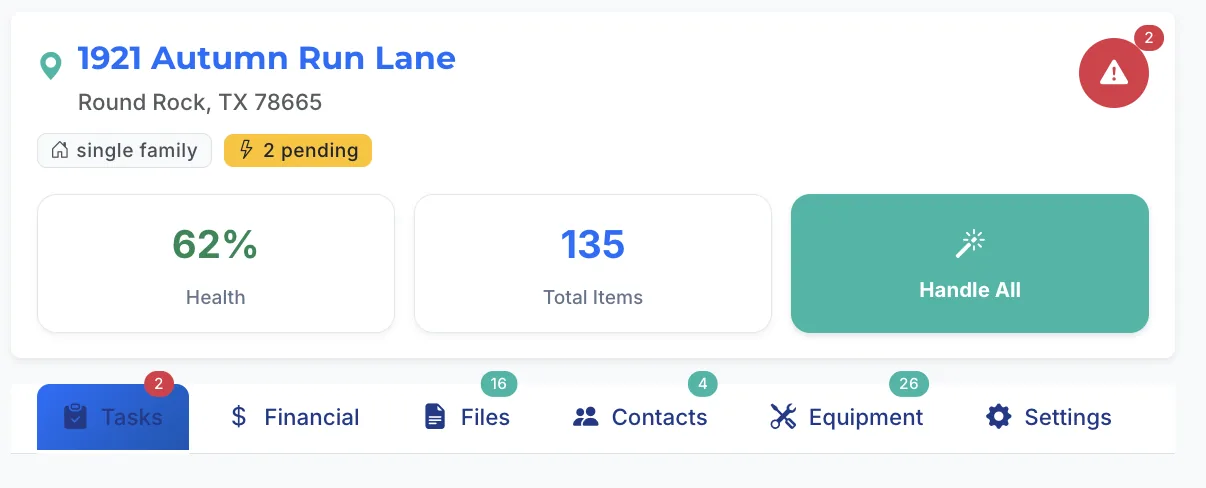
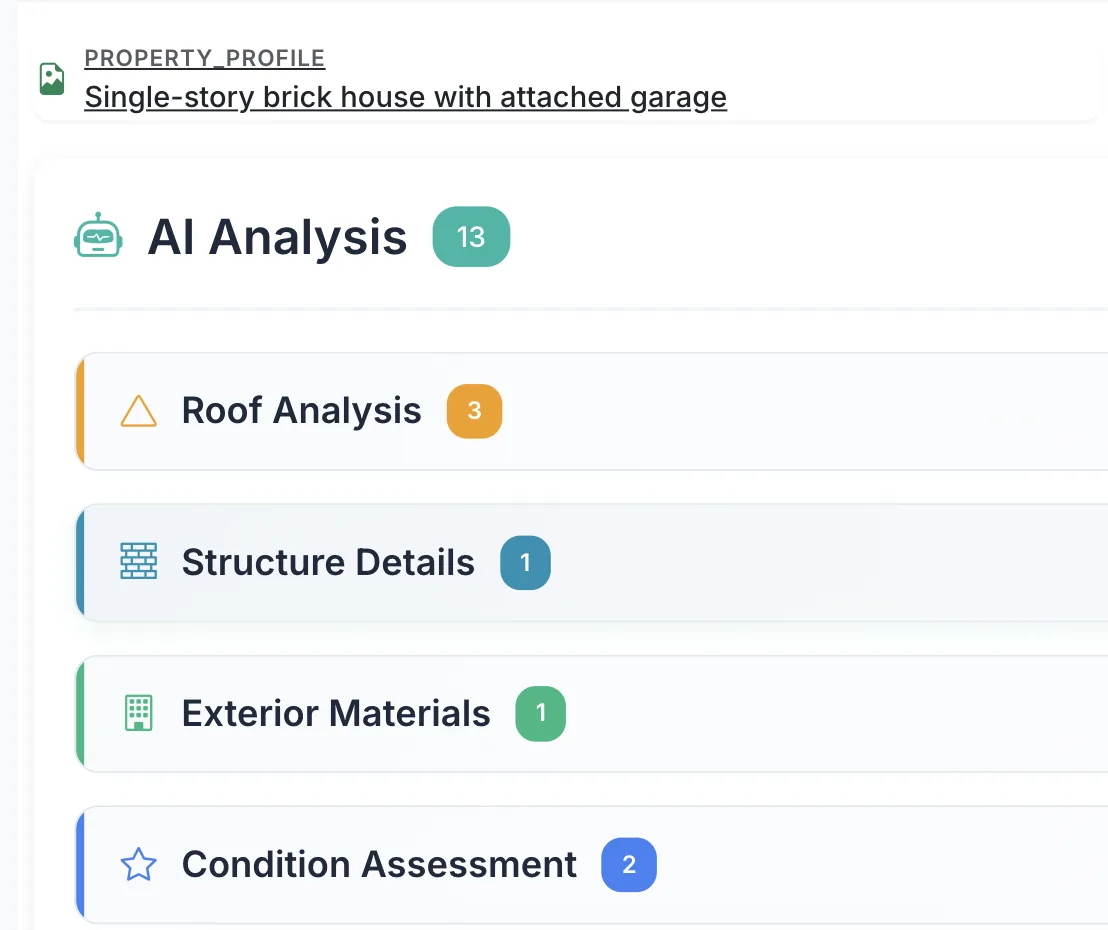
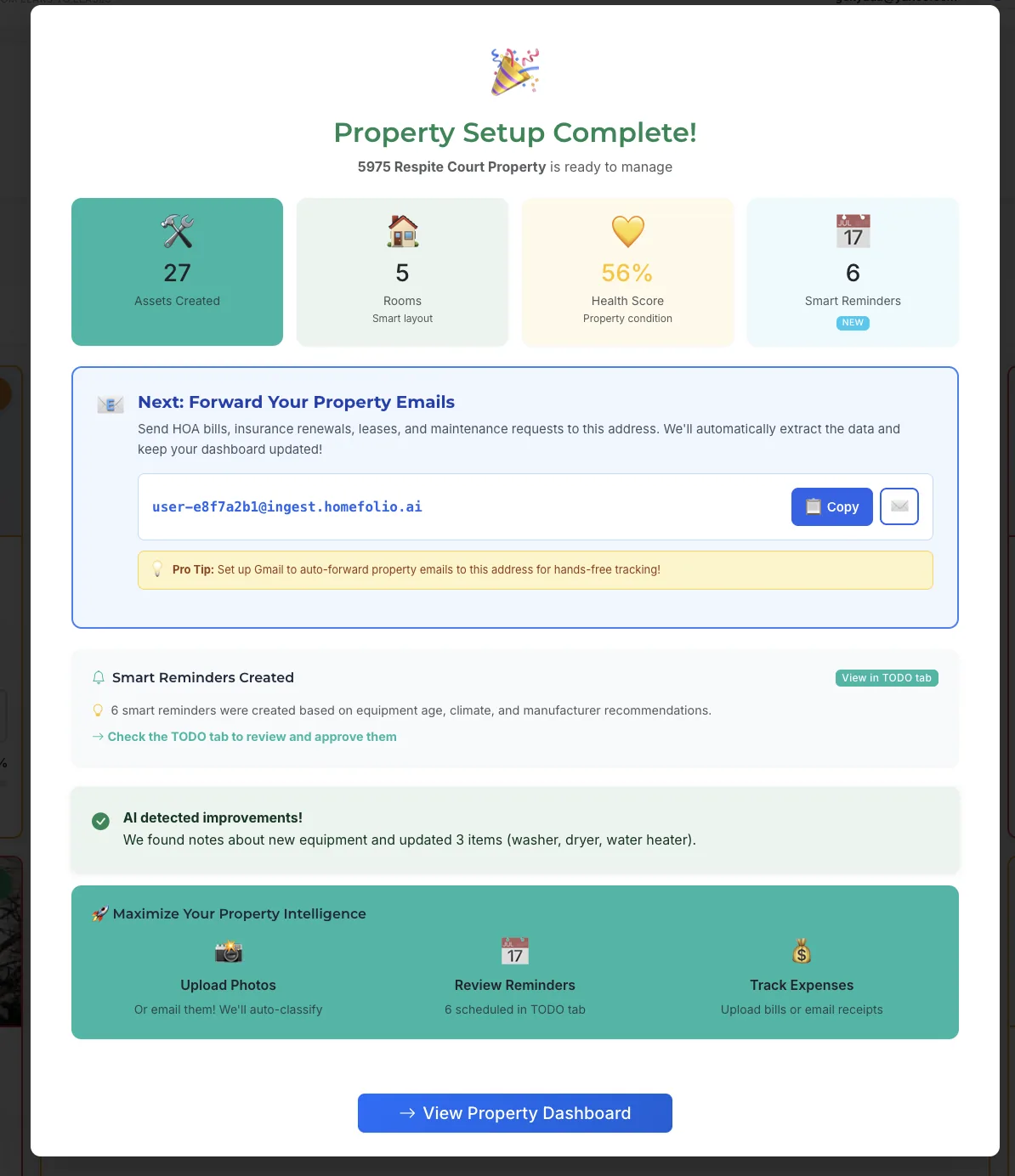
Homefolio AI ensures your warranty documents are already there, connected to the right property, saving you from costly errors and making claims hassle-free. Imagine never having to dig through piles of paper or sift through emails again. Homefolio AI handles it automatically, ensuring your home's information is in one place, ready when you need it most. It's like having a personal assistant focused solely on safeguarding your most valuable asset—your home.

FAQs About Home Warranty Records

What happens if I lose my warranty documents?

If you've lost warranty documents, contact the manufacturer immediately. They may be able to provide replacements if you can supply proof of purchase, often a credit card statement. Additionally, check if the product was registered online; sometimes, warranties can be retrieved digitally through the manufacturer's website.

Can I transfer my home warranty to a new owner?

Many home warranties are transferable. This can be a selling point if you decide to put your house on the market. To transfer a warranty, contact the warranty provider to learn about their specific process, which often includes fees and paperwork. Ensure the transfer is completed before finalizing the sale.

How long should I keep home warranty records?

Maintain home warranty records for the duration of the warranty period. Once expired, they can typically be discarded unless they serve another purpose, like proof of purchase for insurance claims. Always double-check the terms of your warranty to understand any extended coverage clauses.

What should I do if a warranty claim is denied?

If your warranty claim is denied, request a written explanation. Review the denial against your warranty terms; errors happen. Consider escalating your claim within the company or seeking mediation through consumer protection agencies. In some cases, small claims court may be an option for resolution.

How can I prevent losing my warranty documents?

Prevent losing warranty documents by creating a dedicated storage system—either digital or physical. Use cloud storage solutions for digital copies or invest in a filing cabinet for physical documents. Regularly update and review your records to ensure all warranties are still accessible and valid.

Your Home's Records — Already There When You Need Them.

Warranties, receipts, maintenance history, and appliance details — connected to your property automatically.

Get Started Free →