Property Tips

Avoid This $5,000 Tax Blunder: Track Home Repairs Correctly

Avoid This $5,000 Tax Blunder: Track Home Repairs Correctly

Did you know that according to the IRS, the average homeowner misses out on over $5,000 in potential tax deductions due to improperly tracked home repairs? If you're one of those people who has a drawer full of crumpled, faded receipts, it might be time to rethink your strategy. By the time tax season rolls around, being unprepared isn't just a headache—it's a financial misstep you can ill afford.

The Surprising Tax Benefits of Tracking Home Repairs

Homeowners often overlook the tax benefits of properly documenting repairs. According to home insurance data, a whopping 60% of homeowners fail to take advantage of available deductions, costing them thousands annually. Each repair, no matter how small, could potentially be claimed, but only if you have the right paperwork to back it up.

Understanding IRS rules about what constitutes a deductible home repair is crucial. The IRS allows specific deductions related to repairs, especially if they're part of damage control from events like a natural disaster. However, the key is in the details—miss the fine print, and you'll be leaving money on the table. Consider this: not all repairs are created equal, and knowing the rules can save you a pretty penny.

Start by familiarizing yourself with IRS Publication 530, which provides guidelines on home repairs that are deductible. This is not the most thrilling read, but it's far more entertaining than an unexpected audit. Remember, the IRS doesn't care if you forgot to track your HVAC repair from two years ago—they just care about the numbers on your return.

Understanding the Difference: Repairs vs. Improvements

The line between repairs and improvements isn't just blurry; it's camouflaged like a chameleon on a paint swatch. Understanding this distinction is vital for tax purposes. Repairs are considered routine maintenance—think fixing a leaky faucet. Improvements, on the other hand, add value to your home, like installing a new HVAC system. Tax implications differ significantly between these categories.

Here's the deal: repairs can be deducted in the year they are completed if your home is your primary residence. Improvements, however, must be capitalized and depreciated over time. For instance, replacing a few shingles on your roof is a repair, but a complete roof overhaul is an improvement. Knowing the difference can save you from a tax headache down the road.

Practical tip: keep detailed records of all your home projects. For repairs, note the date, cost, and nature of the work. For improvements, track the same details but also include how it enhances your home's value. This will ensure you have the right documentation when tax time comes around.

Essential Documentation for Maximizing Tax Deductions

Receipts, invoices, and contracts—these are your holy grail for tax deductions. Without them, you're left with nothing but a story, and the IRS isn't in the business of taking your word for it. To maximize your deductions, start by creating a dedicated folder for physical and digital copies of all repair documentation.

Your documentation should be comprehensive. Include the contractor's information, description of the work performed, and the amount paid. Ensure that each piece of documentation clearly states whether the expense was a repair or an improvement. This level of detail is what the IRS expects during an audit.

Practical tip: Maintain a digital record alongside your paper copies. Use smartphone apps to scan and save your receipts. This not only helps during tax time but also protects you against the inevitable fading of ink on paper receipts. The IRS accepts digital copies, so make technology your ally in this endeavor.

Common Mistakes Homeowners Make with Repair Tracking

The #1 blunder? Failing to distinguish between personal and business use of home spaces. If you're using a portion of your home as a home office, different rules apply. Mixing personal repairs with business expenses can trigger audits. Avoid this by keeping separate records for personal and home office repairs.

Another common pitfall is relying solely on paper records. Let's face it, paper trails are so last century. Besides the risk of losing them, they can be difficult to organize and retrieve. Digital records offer a streamlined, accessible, and reliable alternative that withstands the test of time and technology.

Practical tip: Use cloud storage to keep your records safe and accessible. Regular backups ensure you won't lose your records to a hard drive failure or accidental deletion. This small step can be a lifesaver when you need that one elusive receipt.

How Homefolio AI Simplifies Tax-Time Preparation

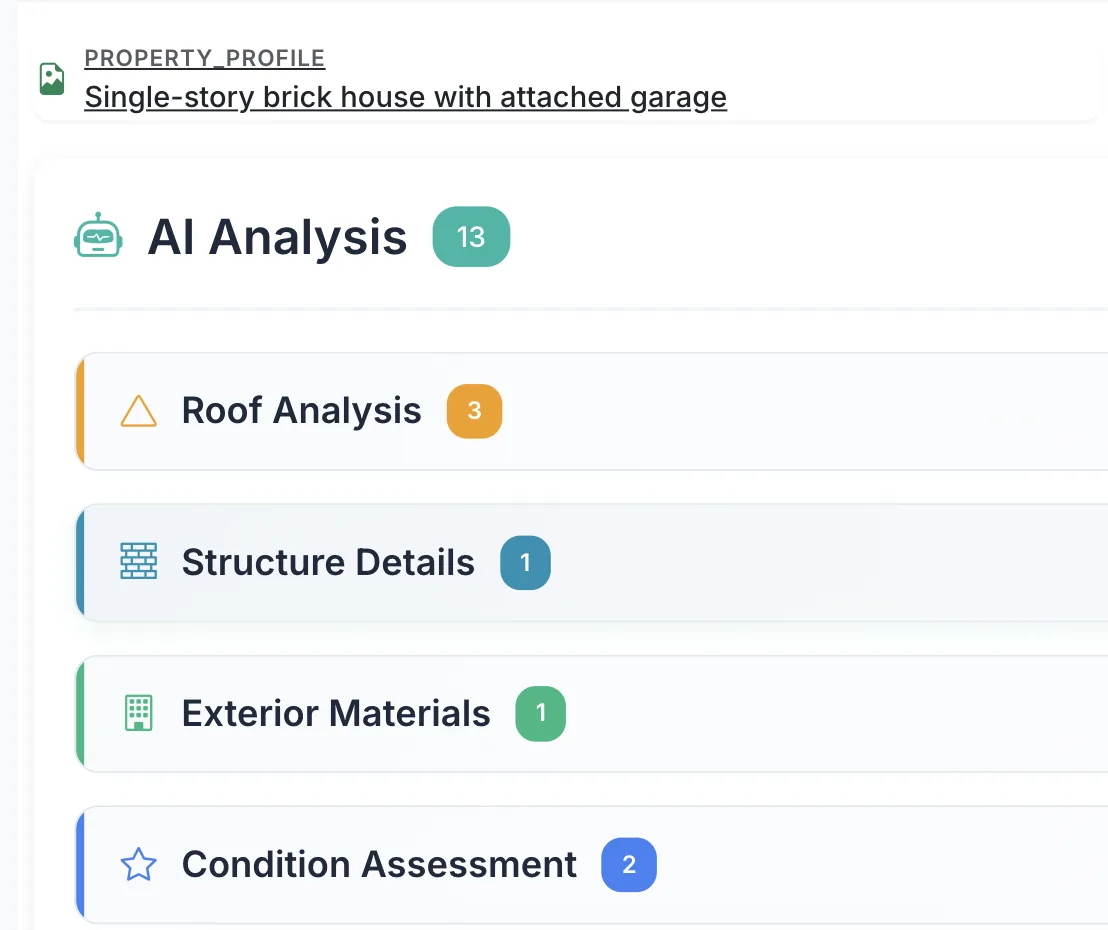
The dread of tax season often lies in the scramble to gather and verify documentation. Enter Homefolio AI. Your home's repair information is already there when you need it, connected to the right property. Instead of rifling through stacks of paper or countless digital folders, Homefolio AI ensures everything is handled automatically.

Imagine the peace of mind knowing every repair document is accounted for and tied to the correct property. No more last-minute hunts for that one receipt. Automated documentation means you can focus on more important things—like whether you should finally fix that squeaky step or let it squeak for another year.

Practical tip: Start using Homefolio AI today to eliminate future tax-time stress. With all your documents in one place, you can rest easy knowing you're prepared for whatever the IRS throws your way.

FAQs: Home Repair Tracking for Tax Purposes

What home repairs can I deduct on my taxes?

Generally, you can't deduct repairs on your primary residence as they are considered personal expenses. However, if part of your home is used for business purposes, such as a home office, you can deduct the portion of repairs that pertains to the business use. For rental properties, repairs are fully deductible as they relate to business expenses.

How long should I keep records of home repairs?

The IRS recommends keeping records for at least three years from the date you file your return. However, if you omit more than 25% of your gross income, retain records for six years. For improvements, it's wise to keep records for as long as you own the property, plus three years after you sell.

Can I claim repairs if I work from home?

If you have a home office that meets IRS requirements, you can deduct a portion of your home repairs. The deduction is based on the percentage of your home that is used exclusively for business. Keep meticulous records and consult a tax professional to maximize this deduction.

What happens if I can't find a repair receipt?

If you've lost a receipt, try to get a duplicate from the contractor or vendor. In the absence of a receipt, consider using credit card statements or bank records as evidence of the transaction. While not ideal, they can sometimes suffice if you ever face an audit.

Are there any tax credits for energy-efficient home repairs?

Yes, the IRS offers tax credits for certain energy-efficient home improvements, like installing solar panels or energy-efficient windows. These credits can significantly reduce your tax bill. Be sure to keep detailed records and receipts to claim these incentives.

Your Home's Records — Already There When You Need Them.

Warranties, receipts, maintenance history, and appliance details — connected to your property automatically.

Get Started Free →