Property Tips

Avoid the $5,000 Pitfall: Master Tracking Home Improvements

Avoid the $5,000 Pitfall: Master Tracking Home Improvements

The $5,000 Mistake: Why Accurate Tracking Matters

Surprise, surprise—according to home insurance data, the average American home improvement project can add roughly $5,000 in value to your home. Yet, without proper documentation, many homeowners end up receiving far less during resale. Poor record-keeping can lead to an undervaluation of your property, effectively flushing those hard-earned dollars down the toilet.

Studies suggest that homes with meticulously tracked improvements can see as much as a 25% increase in resale value compared to homes with haphazard records. In the world of real estate, where every penny counts, such a difference can be monumental. Imagine losing out on several thousand dollars simply because you couldn't find the right paperwork.

Want to avoid this costly mistake? Accurate tracking isn't just about hoarding receipts in a shoebox. It's about creating a living record that captures every penny spent and every upgrade made. You'll thank yourself when it's time to sell, and potential buyers, armed with your organized records, will thank you too.

Creating a Comprehensive Home Improvement Journal

Creating a home improvement journal may sound like a tedious task, but the benefits far outweigh the effort. Start by documenting essential details for each project: date of completion, cost, contractor information, and the specific improvements made. This isn't just for show—these details prove invaluable when you decide to sell.

For instance, when a buyer asks about the age of your remodeled kitchen, you can provide them with exact dates and costs, boosting their confidence in your asking price. According to industry data, detailed records can make a home sell 20% faster and for higher prices than homes without such documentation.

And it's not just about the sales process. A comprehensive journal can serve as a reminder and guide for future projects, helping you avoid repeating past mistakes or overspending. Think of it as your home's autobiography—each chapter adding value and character to your property.

Digital Tools vs. Paper Records: Pros and Cons

In the age of technology, is the pen mightier than the keyboard? Digital tools offer ease of access and durability, eliminating the risk of losing paper records to coffee spills or the family dog. With cloud storage, your records can be accessed from anywhere, anytime—a boon when you're away from home and need a quick lookup.

However, digital records aren't without their concerns. Security and privacy issues loom large. What if a hacker gains access to your sensitive home data? Paper records, while bulky and prone to physical damage, do offer a level of privacy that digital records can't always guarantee.

For some, a hybrid approach offers the best of both worlds: keep digital copies for easy access and backups, but maintain a physical folder for critical documents. This way, you're prepared for both a cyber apocalypse and a coffee spill.

How to Ensure Receipts and Warranties Are Always Accessible

Lost receipts can lead to lost money, especially when warranties are involved. To keep everything within reach, start by consolidating your receipts and warranties in a single, easily accessible location. Consider a dedicated drawer or a digital folder for this purpose.

Scan paper receipts and save them in cloud storage to prevent loss from physical damage. Label each file clearly with the item's name and purchase date. When it comes time to file an insurance claim, having these records at your fingertips can speed up the process and ensure you're reimbursed promptly.

Remember, warranties aren't just for big-ticket items like appliances. Even smaller home additions can come with warranties. Keeping these organized helps you maximize their value and ensures that you're covered in case something goes wrong.

Leveraging Technology to Simplify Tracking

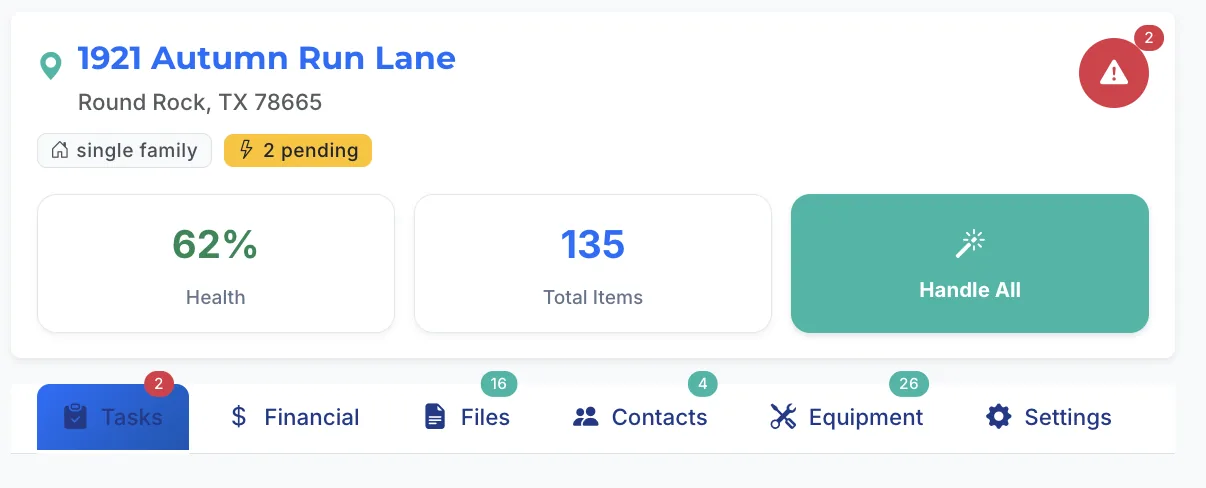
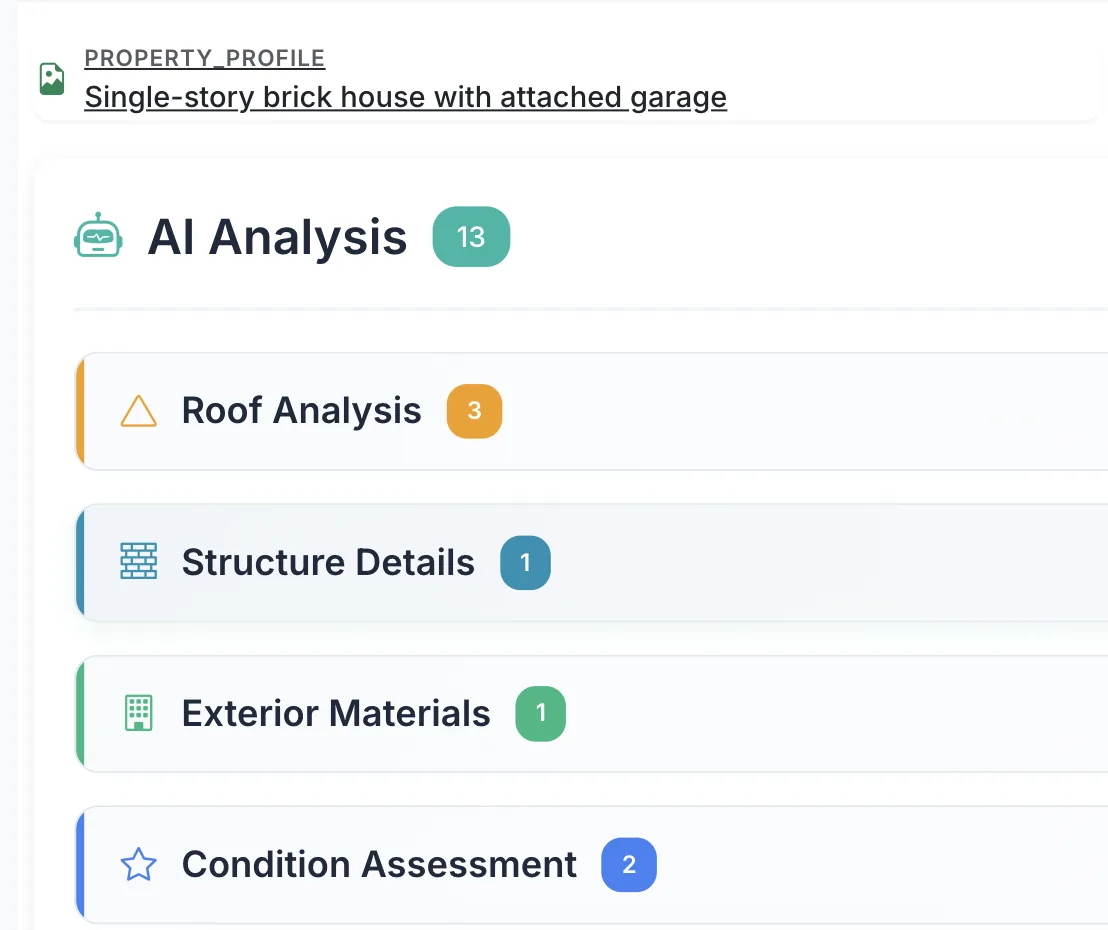
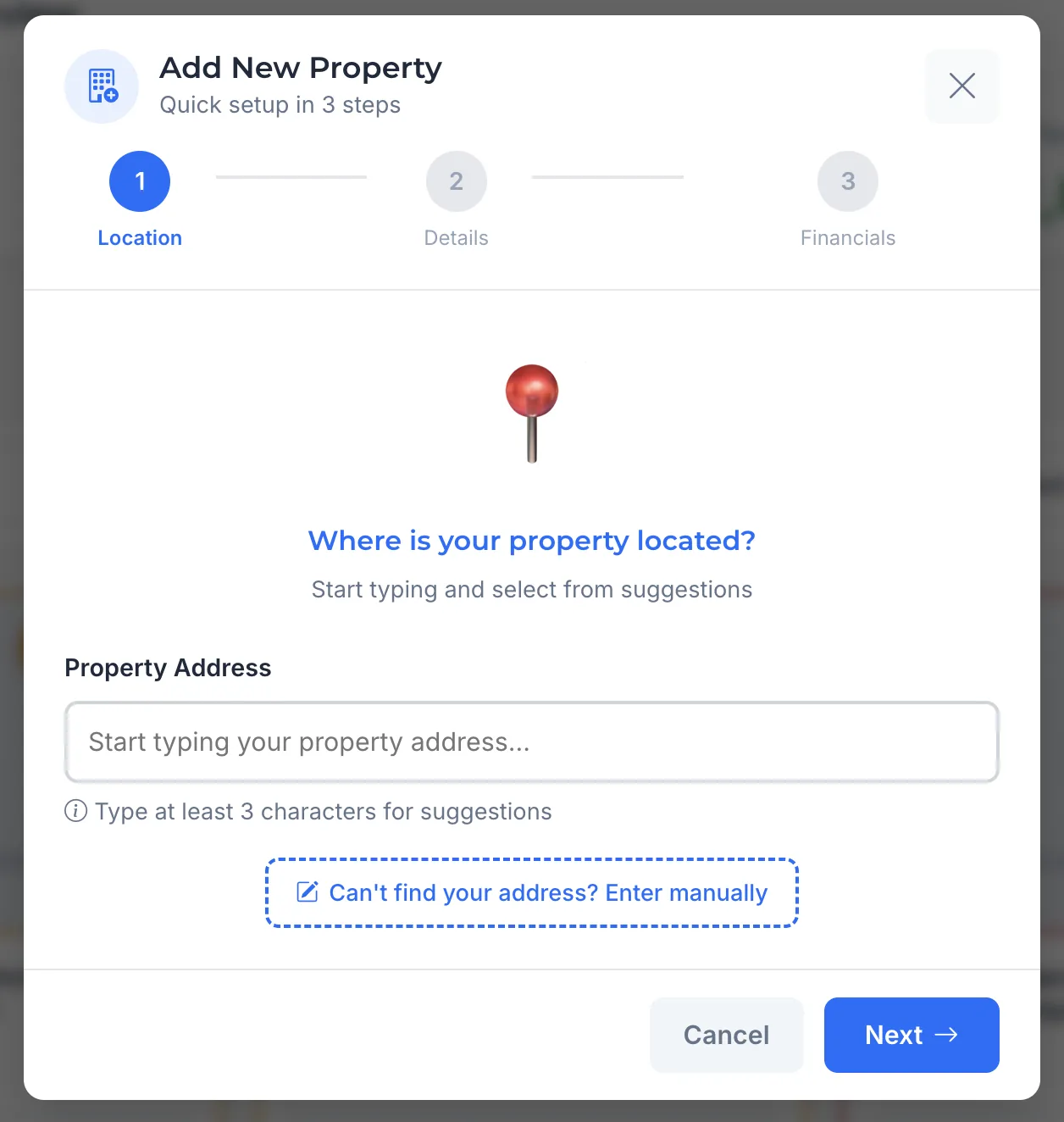
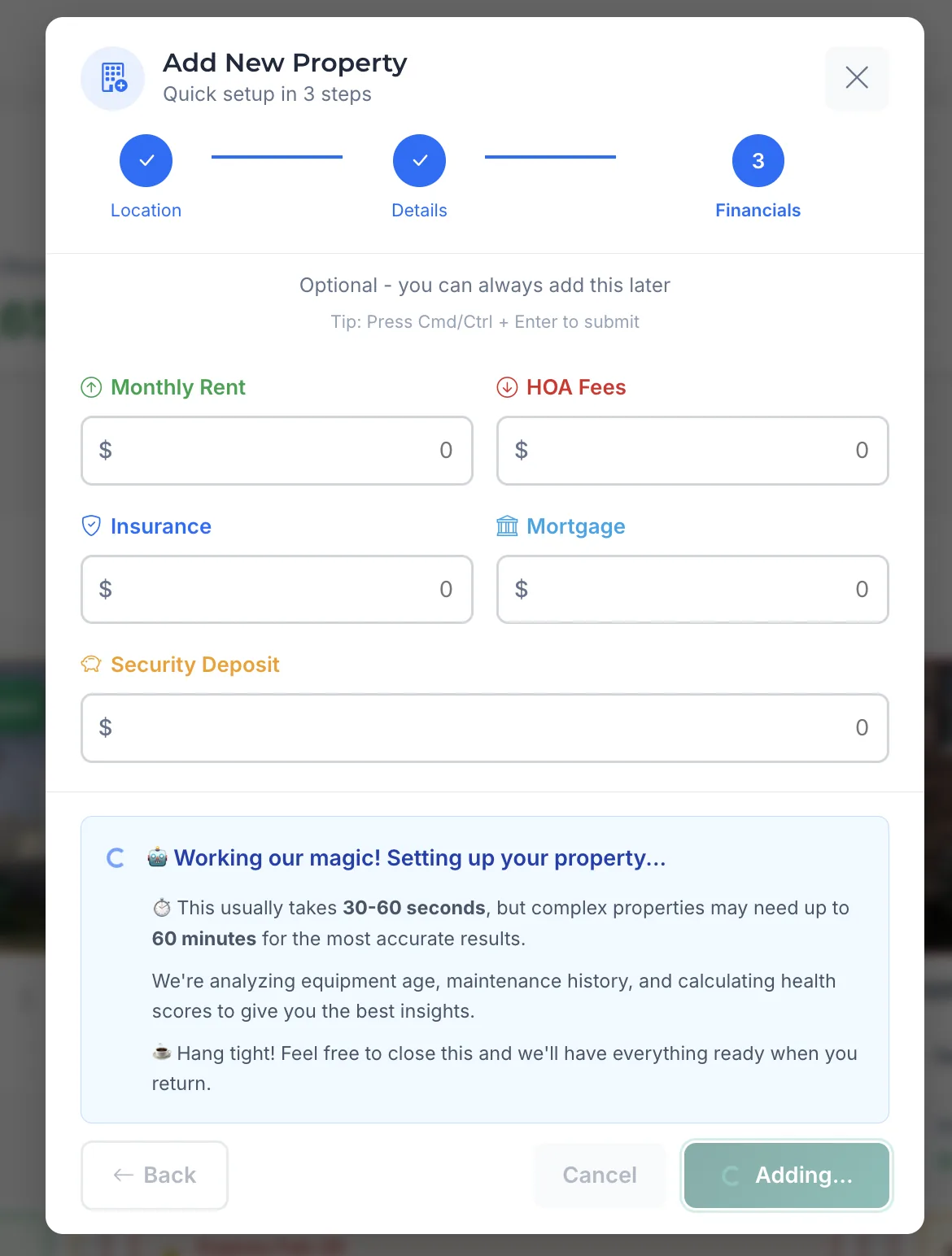
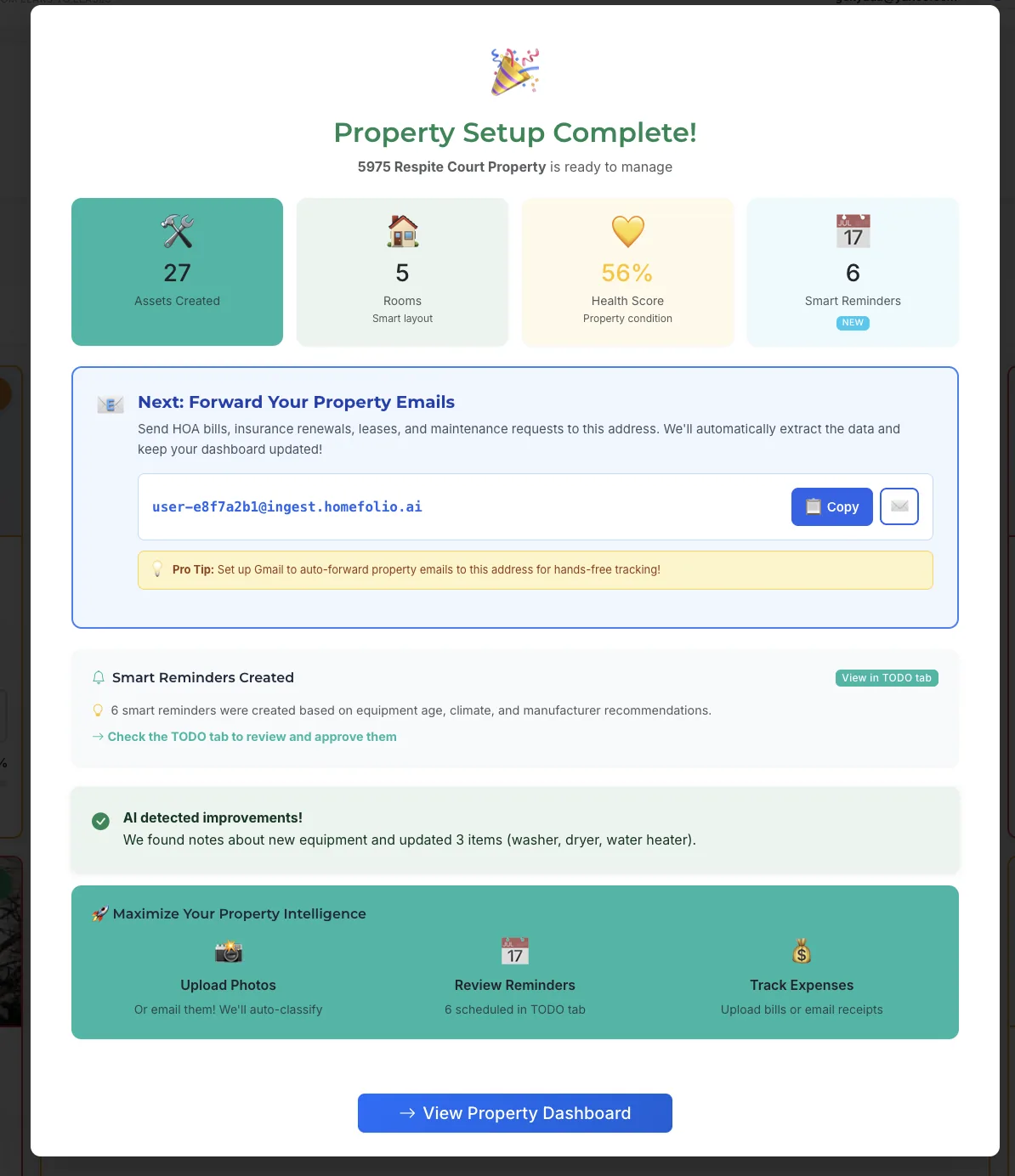
Today, technology has made home management as easy as a tap or a click. Consider using apps and platforms specifically designed for homeowners. These tools can help you manage your home improvement records seamlessly. Homefolio AI, for instance, ensures that your home improvement documents and receipts are already there and connected to the right property, eliminating the hassle of manual organization.

By leveraging technology, you can minimize human error—no more forgetting to note down minor repairs or misplacing essential documents. These platforms often include features like reminders for warranty expirations and project timelines, ensuring you're always one step ahead.

Technology isn't just a convenience; it's a game-changer for busy homeowners. By automating the mundane aspects of record-keeping, you can focus on what truly matters—enjoying and enhancing your home.

FAQ: Common Questions About Tracking Home Improvements

What details should be included in a project record?

A comprehensive project record should include the date of completion, total cost, contractor information, a list of materials used, and any warranties associated with the project. Photographs of the before-and-after can also be useful. This information not only helps during resale but also acts as a reference for future maintenance or upgrades.

How long should I keep home improvement records?

It's advisable to keep home improvement records for the duration of your homeownership. These documents are critical during resale and can also be important for resolving any disputes with contractors. For tax purposes, keep records for at least three years after selling the home, as they may be needed to calculate capital gains tax.

Can I claim tax deductions on home improvements?

Generally, home improvements are not tax-deductible. However, they can increase the cost basis of your home, reducing capital gains taxes when you sell. Energy-efficient upgrades might qualify for tax credits, so consult with a tax advisor to explore your specific options and ensure you're maximizing any available benefits.

How do I know if my improvements have added value to my home?

Assessing the added value of home improvements involves considering the cost versus the perceived value increase. Real estate agents can provide comparative market analyses to estimate your home's value post-improvement. Additionally, resources like Remodeling Magazine's Cost vs. Value Report can offer insights into typical returns on various upgrades.

What should I do if I lose important home improvement documents?

If you lose important documents, try contacting the contractor or supplier for duplicates. Digital copies in cloud storage can serve as backups, so consider scanning all documents upon receipt. Moving forward, maintain both digital and physical records to prevent future losses and ensure you're always prepared.

Your Home's Records — Already There When You Need Them.

Warranties, receipts, maintenance history, and appliance details — connected to your property automatically.

Get Started Free →