Property Tips

Avoid the $5,000 Oversight: Master Your Home Expense Tracking Now

Avoid the $5,000 Oversight: Master Your Home Expense Tracking Now

The Costly Mistake: Ignoring Home Expense Tracking

According to home insurance data, the average American home has $14,000 in appliances alone. Yet, most homeowners can't find a single warranty document when something breaks. That’s a $5,000 oversight waiting to happen — especially when you add up the costs of missing receipts during tax season. Homeowners lose out on significant deductions simply because they can't prove what they've spent. It’s like leaving money on the table.

Beyond taxes, ignoring maintenance expenses can be a silent budget killer. Industry data shows that the average homeowner spends about 1% to 4% of their home's value annually on upkeep. Imagine not tracking these costs — unplanned expenses can spiral into financial chaos. You’re not just skipping a line on a spreadsheet; you’re skipping out on financial peace of mind.

To prevent these budgetary black holes, you need to track every dollar that flows into your home. This isn't about being organized for organization’s sake. It’s about ensuring you aren't blindsided by preventable costs. So, grab that shoebox of old receipts and let’s put them to better use.

Creating a Foolproof Home Expense Spreadsheet

A well-designed home expense tracking spreadsheet is your budget’s best friend. Start with essential columns: Date, Description, Category, Amount, and Payment Method. Each entry should capture the essence of the transaction. For instance, was that $200 spent on a leaky faucet fix or a new garden gnome? Details matter when you’re reviewing expenses at the end of the year.

Customization is key. Every home is unique, so your spreadsheet should reflect your specific needs. Own an older home? Add columns for age-based maintenance predictions. Have solar panels? Track energy savings alongside expenses. Tailor your tracker so it evolves with your home’s quirks and your family’s lifestyle.

For those who prefer to make their spreadsheets sing, consider conditional formatting to flag expenses by category or cost. It’s like having a financial assistant who never forgets. The beauty of customization is that it enables you to see the bigger picture while zooming in on the details that count.

Automating Your Home Expense Tracking: Tools and Tips

If manually updating a spreadsheet sounds like a chore, it’s time to embrace automation. Top digital tools like Mint or YNAB can sync with your bank accounts to keep your records tidy. With expenses automatically categorized, you just need to add the details that matter most, like which room or appliance the expense pertains to.

Integration is your best friend. Use apps that offer real-time updates and can be linked directly to your spreadsheet. For example, Zapier can bridge apps, ensuring that your expenses are logged and updated without a hitch. The less manual input, the smaller the margin for error.

Never underestimate the power of reminders. Set monthly alerts to review your expenses, adjust budgets, and plan for upcoming costs. Consistency is key, and technology can help keep your financial health in check without consuming your weekends.

Leveraging Your Expense Records for Better Decisions

When it comes to selling your home, detailed records are invaluable. Studies suggest homes with documented maintenance histories sell faster and at higher prices. Potential buyers love seeing a well-cared-for home, and your spreadsheet can serve as proof of your diligent upkeep. It’s like a resume for your house.

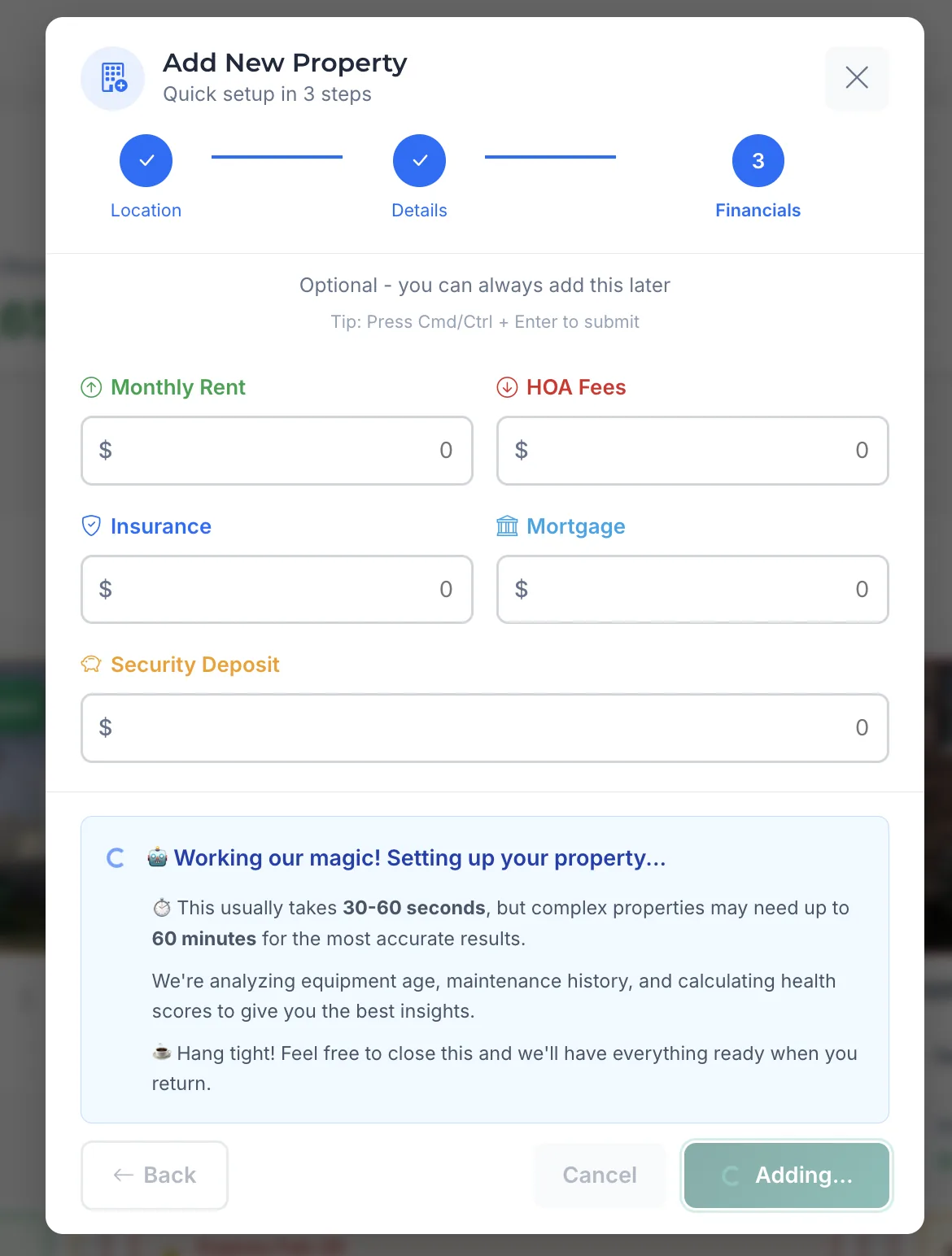
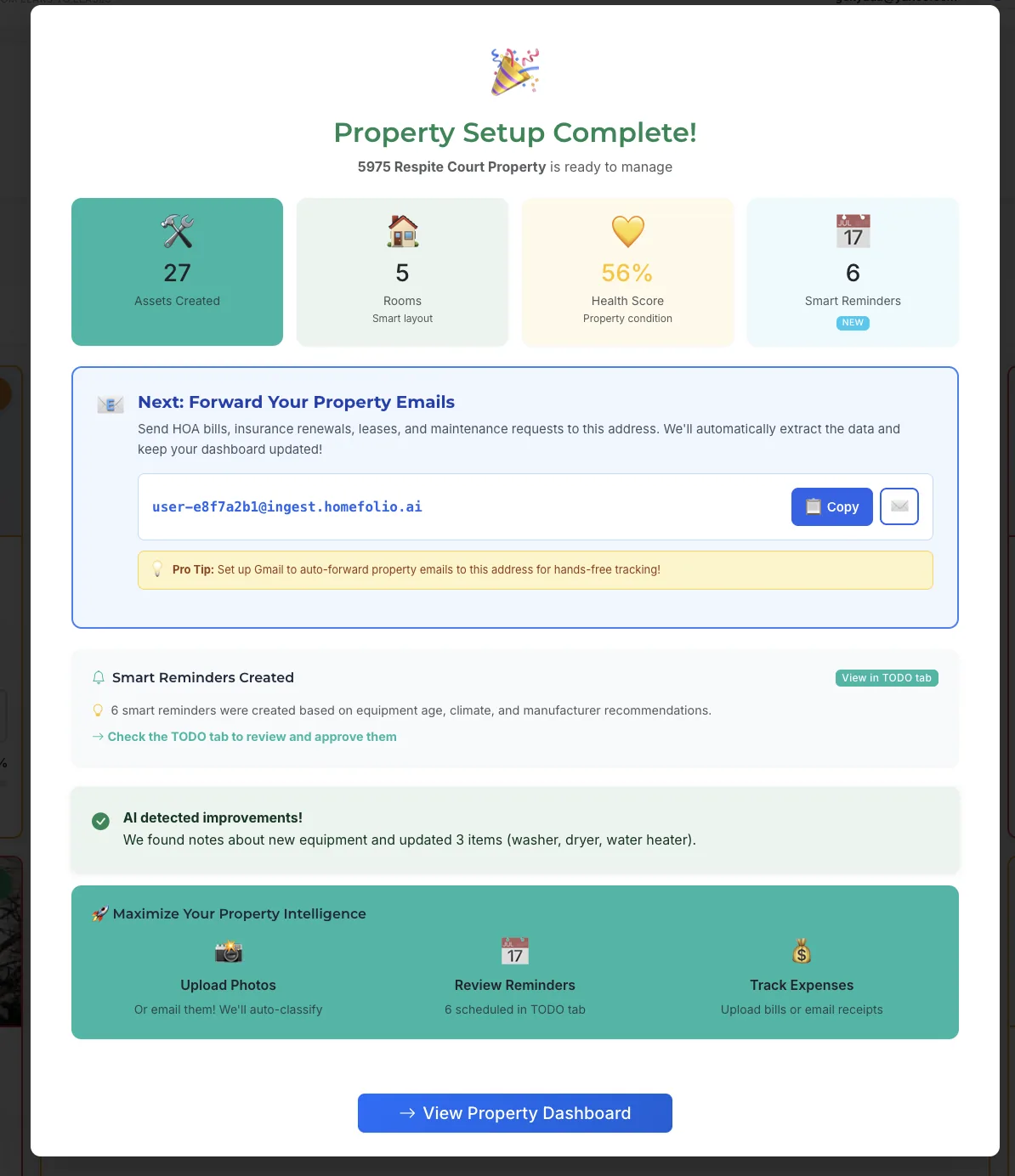
Planning future improvements is easier with a historical perspective. Use your records to identify areas that are due for upgrades or repairs. Homeowners can benefit from Homefolio AI's ability to have improvement documentation and maintenance history already there, connected to the right property, ensuring informed decisions without digging through stacks of paperwork. Knowing what you’ve invested helps guide where future dollars should go.

Data-driven decisions also prevent impulsive spending. Before embarking on a new project, review past expenses to see what’s truly necessary versus what’s nice to have. Your expense records are a treasure trove of insights waiting to be mined.

The Role of Home Expense Tracking in Tax and Insurance

Accurate records can significantly impact your tax deductions. Did you know you can deduct home office expenses or energy-efficient improvements? Without documentation, these deductions slip through your fingers. Detailed tracking means you’re ready to maximize your returns come tax season.

Insurance companies love a well-documented home history. Why? Because it reduces their risk. If you can prove regular maintenance and upgrades, you might even lower your premiums. It’s a win-win: keep your home in top shape and potentially pay less for your coverage.

Consider expense tracking as a form of insurance in itself. It protects you financially and secures your home’s future by ensuring you’re always prepared for the unexpected. It’s not just paperwork; it’s peace of mind.

FAQ: Home Expense Tracking for the Savvy Homeowner

What expenses should I track as a homeowner?

Track any expense related to maintaining, improving, or operating your home. This includes repairs, renovations, utility bills, mortgage interest, and property taxes. Even seemingly minor expenses, like landscaping or pest control, should be recorded. Over time, these "small" costs can add up, impacting your budget significantly. Comprehensive tracking helps paint a complete financial picture.

How long should I keep home expense records?

It's wise to keep records for at least seven years, aligning with IRS guidelines for tax documentation. For major improvements, keep records for as long as you own the home. These documents prove beneficial when calculating capital gains tax upon sale. Digital storage solutions can help avoid clutter while ensuring you have access to necessary documentation when needed.

Can I use my expense tracking for insurance claims?

Yes, detailed expense tracking can expedite insurance claims. When disaster strikes, having a record of home improvements and maintenance can support your claim, proving the value and condition of damaged items. It makes the claims process smoother and can potentially increase the compensation you receive from your insurer.

What are the benefits of digital vs. paper expense tracking?

Digital tracking offers easy access, searchability, and integration with other financial tools. Plus, it eliminates the risk of physical damage or loss inherent with paper records. Digital records are easier to update and share with professionals, like tax preparers or insurance agents, when necessary. The convenience and efficiency of digital tracking make it the preferred method for many homeowners.

How often should I update my home expense spreadsheet?

Update your spreadsheet monthly at a minimum. Regular updates prevent small expenses from being forgotten and allow you to adjust your budget proactively. Monthly reviews offer insights into spending patterns, helping identify areas where you might save or need to allocate more funds. Make it a routine to keep your financial records as fresh as your home.

Your Home's Records — Already There When You Need Them.

Warranties, receipts, maintenance history, and appliance details — connected to your property automatically.

Get Started Free →