Property Tips

Avoid the $5,000 Mistake: Best Software for Home Expense Tracking

Avoid the $5,000 Mistake: Best Software for Home Expense Tracking

The average American home has $14,000 in appliances. Most homeowners can't find a single warranty document when disaster strikes. Worse still, inadequate expense tracking can lead to costly oversights you didn’t even know you were making. Dive into the world of home expense tracking software and prevent the financial faux pas that could cost you thousands.

The Costly Consequences of Poor Expense Tracking

When tax season rolls around, every homeowner hopes to extract maximum deductions. But according to IRS data, homeowners collectively miss out on billions in deductions due to misplaced receipts and poor expense tracking. Think about how much of your own money is lost just because you couldn't locate that $1,500 HVAC repair receipt. Those are dollars you could have deducted, giving you more room for the next home improvement.

Beyond taxes, there’s the question of home resale value. Any experienced realtor will tell you that documented improvements can significantly boost your home's asking price. Lacking these records, you might as well be trying to sell a fixer-upper in disguise. A bathroom remodel, a new roof, or even upgraded windows—without proof, these investments may as well not exist.

So, what's the bottom line? Without a robust system to manage your home expenses, you're flying blind financially. Avoiding this can mean the difference between a profitable home sale and leaving money on the table. If you ever decide to sell, a well-documented history of improvements is your home's resume—it tells potential buyers you’ve cared for your home.

Features to Look for in Home Expense Tracking Software

When shopping for home expense tracking software, integration is key. You need a tool that syncs seamlessly with your bank accounts and credit cards. This ensures that every expenditure is captured automatically, saving you from the hassle of manual entry. According to a study by the American Bankers Association, 60% of homeowners who use integrated systems report higher satisfaction with their financial management.

Another crucial feature is real-time updates and alerts. Imagine you're at the checkout for a new refrigerator, only to receive an alert that you're already nearing your monthly budget. This kind of real-time feedback can prevent overspending and help you make informed decisions on the fly. Alerts help keep you honest, and your wallet full.

Look for software that offers customizable reporting. Being able to generate reports on spending categories—like utilities, repairs, or improvements—gives you a clear picture of where your money goes. This is essential for making strategic financial decisions about your home.

Top Software Options for Homeowners

Let's face it: not all expense tracking software is created equal. Quicken, for example, offers robust features like bank integration and detailed reporting, but it comes at a price—around $60 per year. On the flip side, Mint is a free option that provides bank integration and budget alerts, but it lacks some of the in-depth reporting features homeowners might find useful.

An up-and-comer in the field is YNAB (You Need A Budget). At $84 per year, it offers excellent features for budgeting, but some might find its learning curve steep. However, industry data suggests that its users save on average $600 in their first two months of use, making the investment worthwhile for dedicated users.

For the budget-conscious homeowner, free options like Expensify offer basic functionality without the frills. While not as comprehensive as paid solutions, it covers the essentials for those focused on simplicity. Weighing the pros and cons of each option will help you decide which aligns with your needs.

How to Maximize Your Expense Tracking System

To get the most out of your expense tracking software, start by categorizing expenses effectively. Break down categories into specifics like "Kitchen Renovations" or "Roof Repairs" rather than lumping everything into "Home Improvements." This granularity allows you to see exactly where your money is going and makes finding specific receipts a breeze.

Automation is your friend. Set up rules in your software to automatically categorize transactions from repeat vendors—like your utility company or preferred hardware store. This reduces manual entry and the chance of human error, freeing up your time for the things that truly matter, like relaxing in your well-kept home.

Regular reviews can also be beneficial. Set aside time each month to go through your expenses, ensuring everything is categorized correctly and within budget. This practice helps you stay on top of your finances and adjust your budget as necessary.

Boosting Your Home's Value Through Expense Tracking

Meticulous expense tracking can serve as the linchpin for boosting your home's value. Document every improvement, no matter how small. Lenders and appraisers love to see documented investments—it shows the home is well-maintained and can increase your appraisal value significantly. According to Zillow, homes with well-documented improvements can sell for up to 5% more than those without.

Furthermore, having detailed expense records can streamline insurance claims. When disaster strikes—like a tree falling on your brand-new roof—having a detailed financial history of your improvements can expedite the claims process. This ensures you get back to normal faster, without the typical red tape.

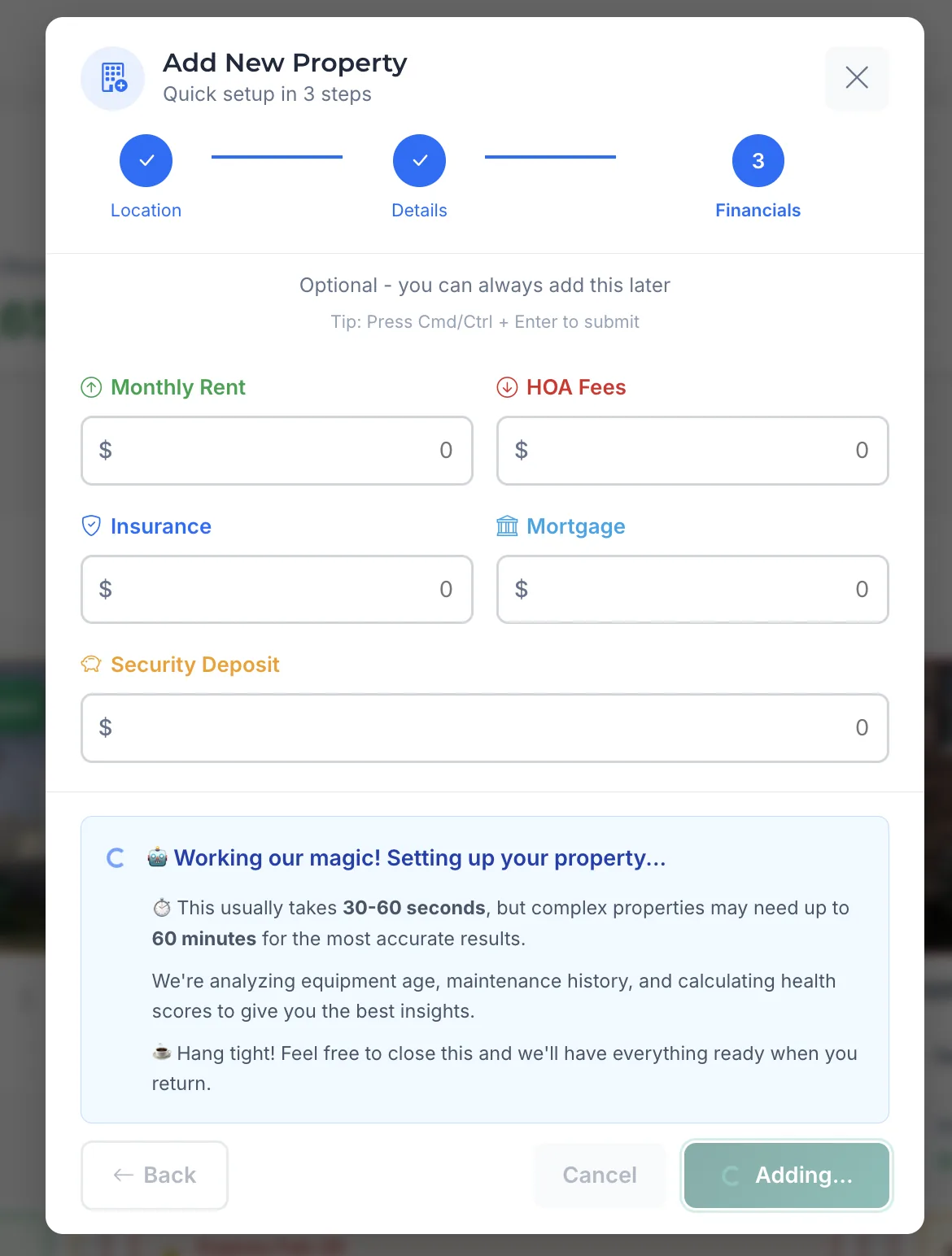
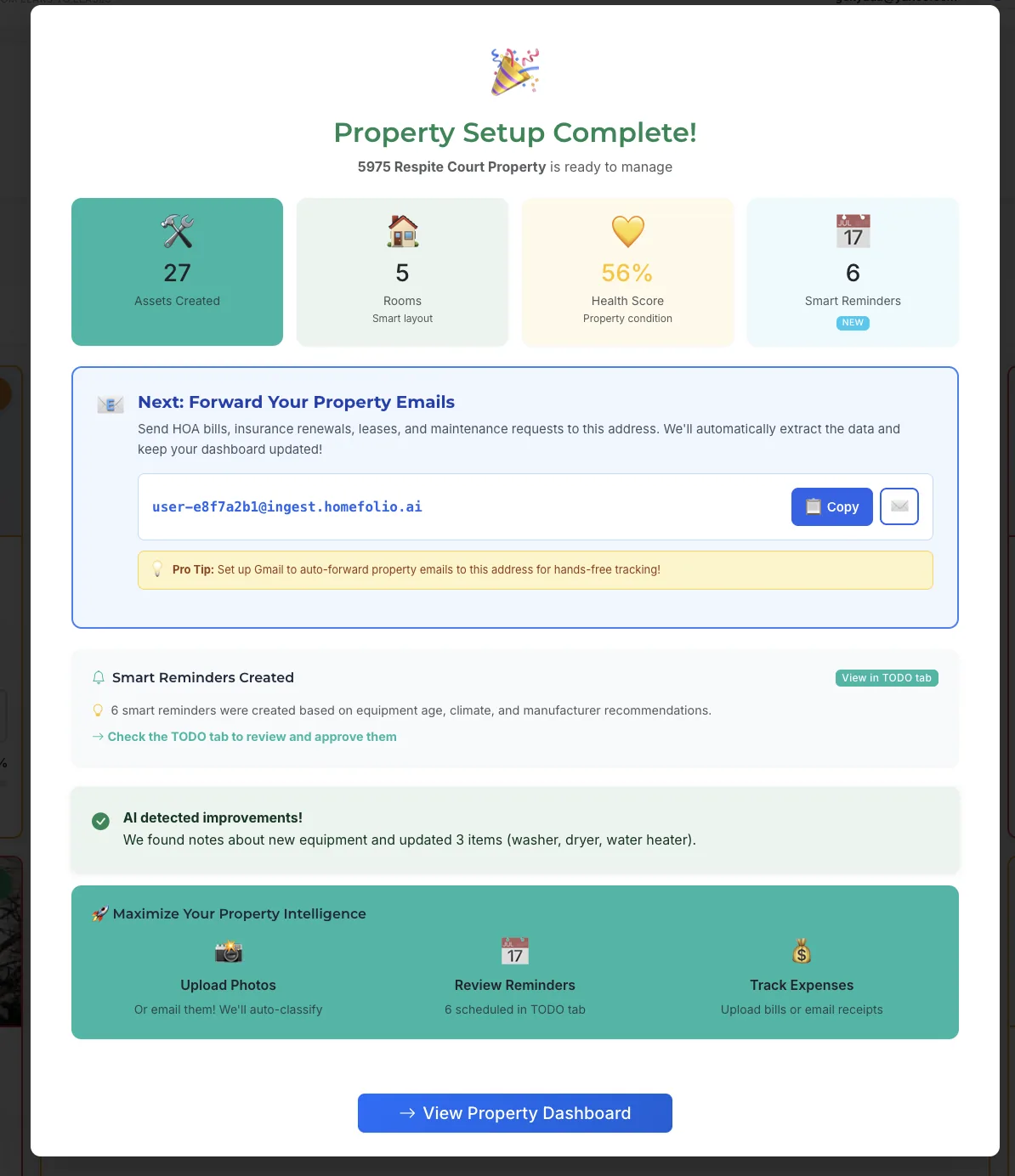
Homefolio AI (https://homefolio.ai) takes this to another level by ensuring your home improvement records are "already there" and "connected to the right property". This boosts appraisal value and facilitates insurance claims with ease, making it a worthwhile addition to your homeowner toolkit.

FAQs About Home Expense Tracking Software

What is the best free home expense tracking software?

Mint is often considered the best free option due to its bank integration and user-friendly interface. While it lacks some of the in-depth features of paid software, it covers the basics well, making it a strong choice for homeowners on a budget.

How can expense tracking software help with taxes?

Expense tracking software can help categorize and store receipts, making it easier to claim deductions. By having a detailed record of home-related expenses, you can maximize your tax deductions, reducing your taxable income and potentially saving hundreds of dollars annually.

Can I use home expense tracking software on multiple devices?

Most modern expense tracking tools offer cloud-based solutions, allowing you to access your financial data across multiple devices. This means you can log expenses on-the-go from your smartphone, tablet, or computer, ensuring you're always up-to-date.

Is it safe to link my bank account to expense tracking software?

Most reputable software uses bank-level encryption to protect your data. However, always check for security features like two-factor authentication and read user reviews to ensure the software meets your safety standards.

How often should I review my home expenses?

Monthly reviews are recommended to ensure all expenses are correctly categorized and within budget. Regular reviews help you stay on top of your financial situation, allowing for timely adjustments to your budget and avoiding end-of-year surprises.

Your Home's Records — Already There When You Need Them.

Warranties, receipts, maintenance history, and appliance details — connected to your property automatically.

Get Started Free →