Property Tips

Avoid the $10K Pitfall: Build a Home History File That Pays Off

Avoid the $10K Pitfall: Build a Home History File That Pays Off

The average American home has $14,000 in appliances. Most homeowners can't find a single warranty document. That's a recipe for disaster when something goes wrong. Picture this: your central AC unit conks out on a 95-degree day, and you're left digging through piles of old papers to find proof of warranty. Spoiler alert: you can't find it. The result? You shell out thousands for repairs that could have been covered. The solution is simpler than you might think—a comprehensive home history file.

Why Skipping a Home History File Could Cost You Thousands

Consider Jane, a homeowner who recently sold her home. Without a proper home history file, she lost out on $10,000 because she couldn't prove recent roof repairs. Real-life stories like Jane's aren't uncommon. According to home insurance data, 23% of claims are denied annually due to missing documentation. It's not just potential savings you're losing; it's also peace of mind.

Imagine paying twice for a service or repair because you couldn't locate a receipt or warranty. A misplaced warranty can lead to unnecessary expenses. Studies suggest that homeowners spend an average of $2,500 annually on home repairs—expenses that could be minimized with proper documentation.

Don't let an incomplete home history become your financial pitfall. By maintaining a thorough record, you not only preserve your home's value but also protect your wallet from avoidable costs. An organized home history file isn't just a nice-to-have; it's a necessity.

Essential Documents Every Homeowner Should Keep

Start with the basics: deeds, warranties, and receipts. These are your home's birth certificate, insurance policy, and financial ledger rolled into one. A deed proves ownership, while warranties and receipts are your ticket to free repairs and replacements. Without them, proving you've made improvements or repairs can become a legal headache.

Keep records of all major repairs and renovations—think roof replacements, kitchen remodels, or new HVAC systems. According to real estate experts, homes with documented enhancements sell for 10% more than those without. Missing these documents can lead to complications during sales, refinancing, or insurance claims.

Organize your documents by category: property purchase, maintenance, upgrades, and warranties. Knowing where each document is can save you hours of searching—and stress—when you need them most.

How Long Should You Keep Various Home Documents?

Retention periods vary. Keep deeds and titles indefinitely. Store warranties for their duration, and hold onto receipts for at least seven years for tax purposes. Industry data shows that retaining documents beyond their necessary life can clutter your filing system, making it harder to find what you need.

Legal and financial implications of document retention are significant. Failing to provide proof of property improvements can lead to lower appraisals and disputes over property value. The IRS suggests retaining home improvement records for at least three years after selling your home to avoid tax complications.

Consistently review your files annually, discarding outdated documents. This practice not only keeps your files manageable but also ensures you’re always prepared with current information.

Creating a User-Friendly Filing System

Develop categories that make sense to you. Color-coded folders can be a lifesaver—red for urgent documents, blue for maintenance records, and green for warranties. This visual system simplifies the process and cuts down on search time when you need a specific document.

Consider the pros and cons of digital versus physical storage. Digital files take up no physical space and are easy to back up, but they require reliable tech and consistent updating. Physical files, while tangible and sometimes easier to manage for quick access, can become bulky and disorganized over time.

For digital storage, use cloud services with robust security features. For physical documents, invest in a fireproof safe or filing cabinet to protect against damage. Regularly update both systems to ensure your information remains current.

Avoiding the Headache: Automatic Solutions for Busy Homeowners

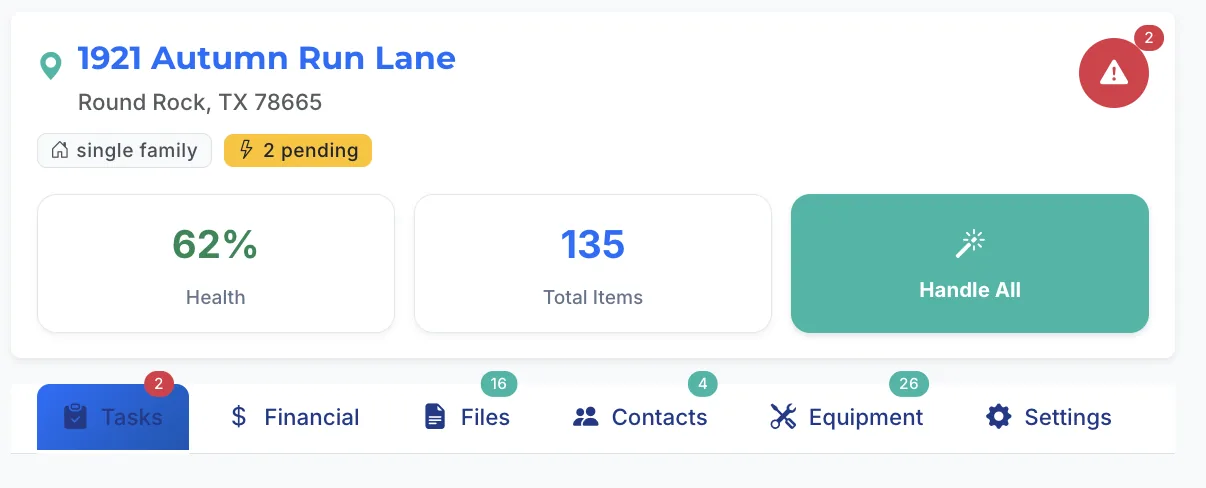
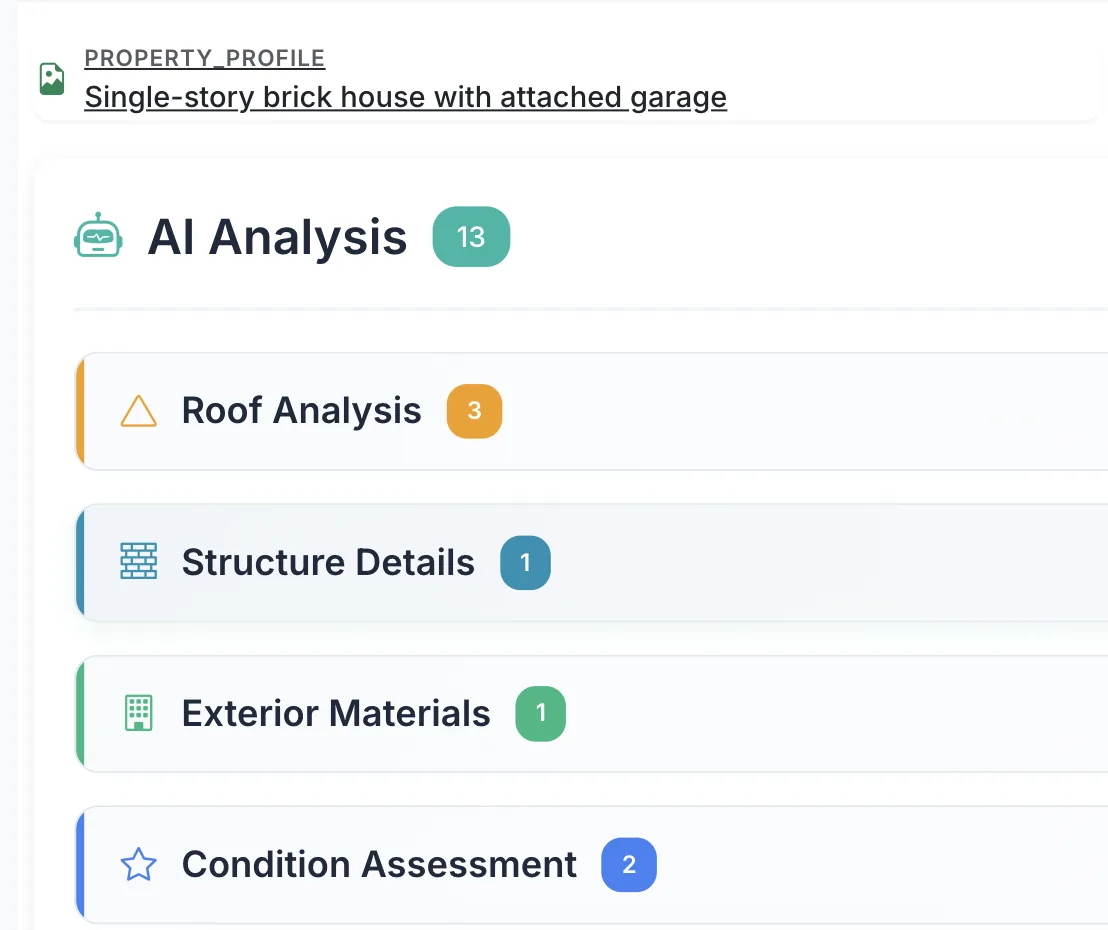
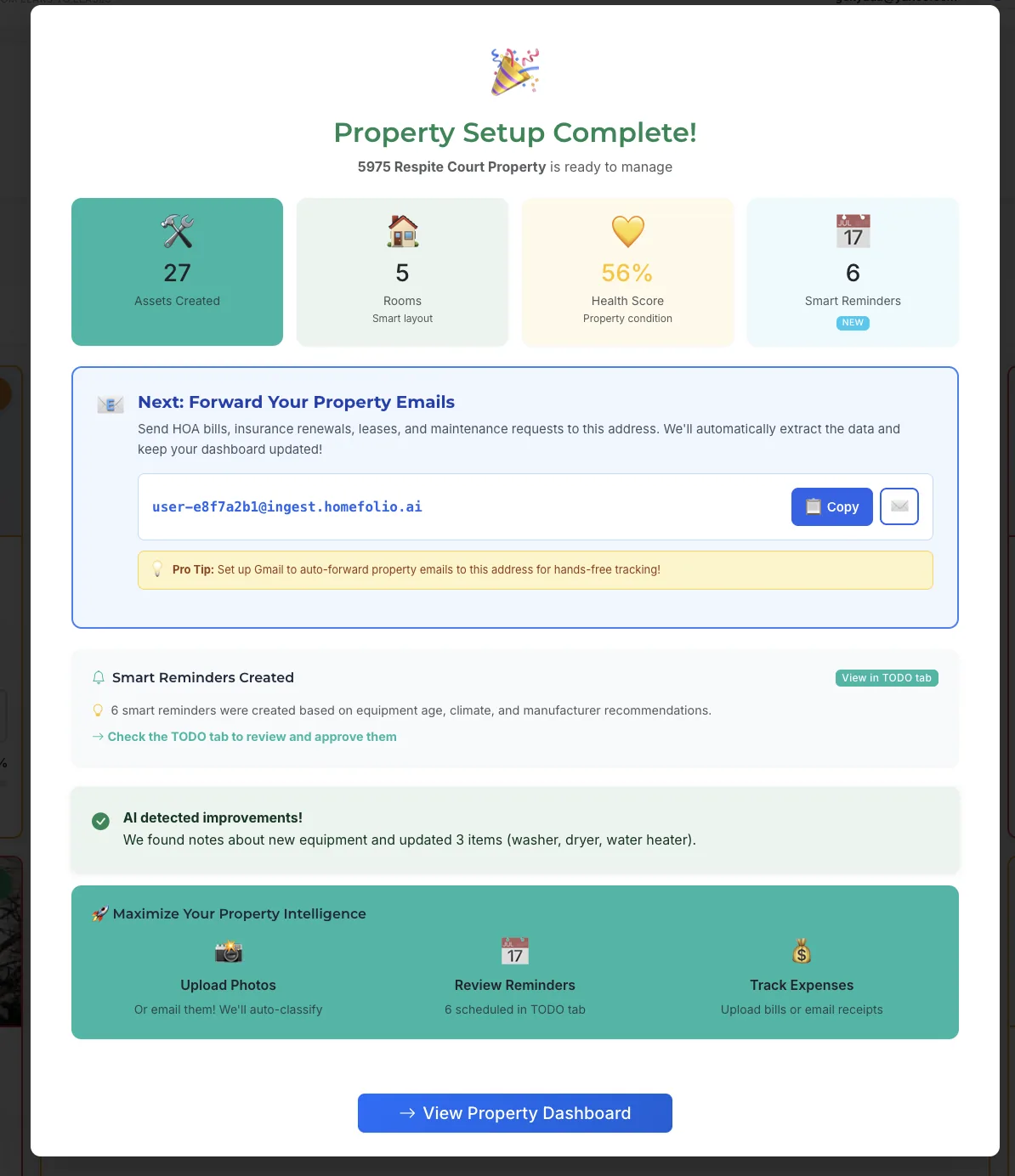
Enter technology: your new best friend in maintaining a home history file. Homefolio AI ensures that all your crucial home documents are already there when you need them, connected to the right property, saving you from the hassle of manual tracking and filing. This digital solution is a godsend for busy homeowners who might otherwise let documentation slip through the cracks.

Automatic reminders for expiring warranties and upcoming maintenance can be set up through apps, preventing costly oversights. No more sticky notes on the fridge or forgotten calendar alerts. Everything is handled automatically, giving you more time to focus on what truly matters—enjoying your home.

While digital solutions can seem daunting, the time saved and reduced stress they offer are invaluable. Transitioning to a digital system can streamline your entire home management process.

Frequently Asked Questions About Home History Files

What is a home history file and why do I need one?

A home history file is a comprehensive collection of all documents related to the purchase, maintenance, and improvement of your home. It’s essential because it provides proof of ownership, improvements, and warranties, which can save you money during sales, refinancing, or when filing insurance claims.

How can a home history file impact my home’s resale value?

Having a well-documented home history can increase your home’s resale value by up to 10%. Buyers appreciate transparency and are often willing to pay more for a home with documented repairs and improvements, as it indicates the property has been well-maintained.

Should I use digital or paper records for my home history?

Both options have their benefits. Digital records offer easy access and backup capabilities, while paper records provide a tangible, easy-to-sort method. Ideally, a combination of both ensures you have quick access and a reliable backup in case of technology failures.

What do I do if I’ve lost important home documents?

If you’ve misplaced important documents, contact the relevant parties such as contractors, real estate agents, or previous owners to obtain copies. Many times, services you’ve used will have records on file that they can reissue to you.

Can I include renovation and remodeling records?

Absolutely. Including renovation and remodeling records is crucial for accurately reflecting the value of your home. These documents show that the property has been updated and maintained, which is appealing to potential buyers and insurance companies.

Your Home's Records — Already There When You Need Them.

Warranties, receipts, maintenance history, and appliance details — connected to your property automatically.

Get Started Free →