Avoid the $10K Mistake: Stop Lowball Offers on Your House
The thrill of selling your home can quickly turn into a nightmare when the offers roll in—$10,000 below asking price. According to recent real estate metrics, about 15% of home offers are considered lowball, coming in at 10-20% below the asking price. For a home listed at $300,000, that’s a potential $30,000 hit to your pocketbook.
Understanding the Cost of Lowball Offers
Lowball offers aren't just a slap to your home's perceived value—they represent a potentially significant financial loss. Industry data shows that homes initially priced correctly but sold for a lowball offer can drop in value by as much as 15%. That’s not just chump change; it’s a chunk of your equity walking out the door.
Accepting a lowball offer has long-term consequences. Studies suggest homeowners who accept such offers often face reduced negotiating power in future real estate transactions. Think of it as a domino effect: one bad deal now can lead to more down the road. Avoiding this pitfall is paramount to maintaining your financial health.
To prevent this, you need to boost your home's appeal and demonstrate its true worth. This isn't just about fresh paint and new light fixtures—though those help. It's about making sure your home tells a compelling story that resonates with potential buyers.
Boosting Your Home's Perceived Value
Think small investments, big returns. Would you believe that upgrading your front door could increase your home’s perceived value by up to 4%? According to Remodeling Magazine, a new steel entry door is one of the best home improvements for ROI, offering a return of over 90%. It's the first impression that matters—make it count.
Staging isn’t just for million-dollar listings. A well-staged home can boost offers by 1-5%, according to the National Association of Realtors. Think of it as a theatrical production where your home is the star. Even simple tricks like decluttering or rearranging furniture to maximize space can make a world of difference.
Focus on high-impact, low-cost improvements. A fresh coat of neutral paint, updated lighting fixtures, or even a manicured lawn can transform perceptions. These are simple, actionable steps that don’t require a hefty investment but can have a significant payoff at the negotiating table.
Leveraging Home Maintenance Records
In real estate, documentation is king. Maintenance records don't just show you've taken care of your home—they build buyer confidence. Homes with a well-documented maintenance history can attract offers up to 10% higher than homes lacking this transparency. Buyers are willing to pay more when they know what they're getting into.
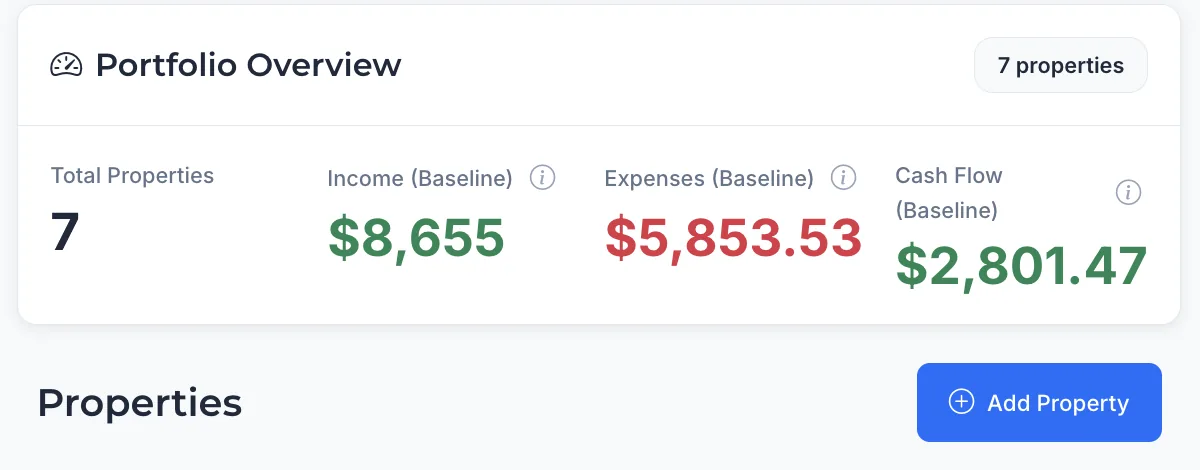
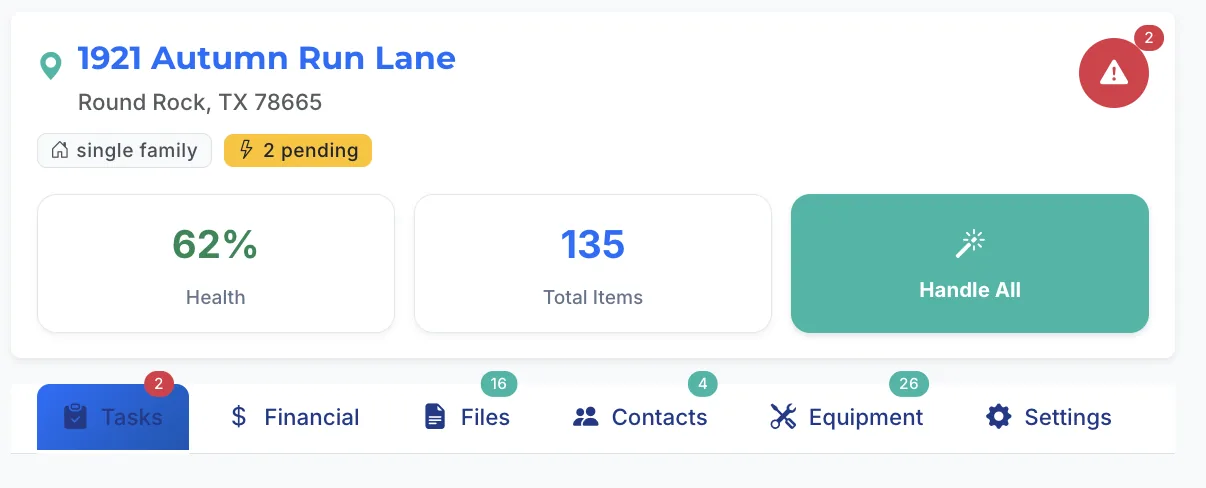
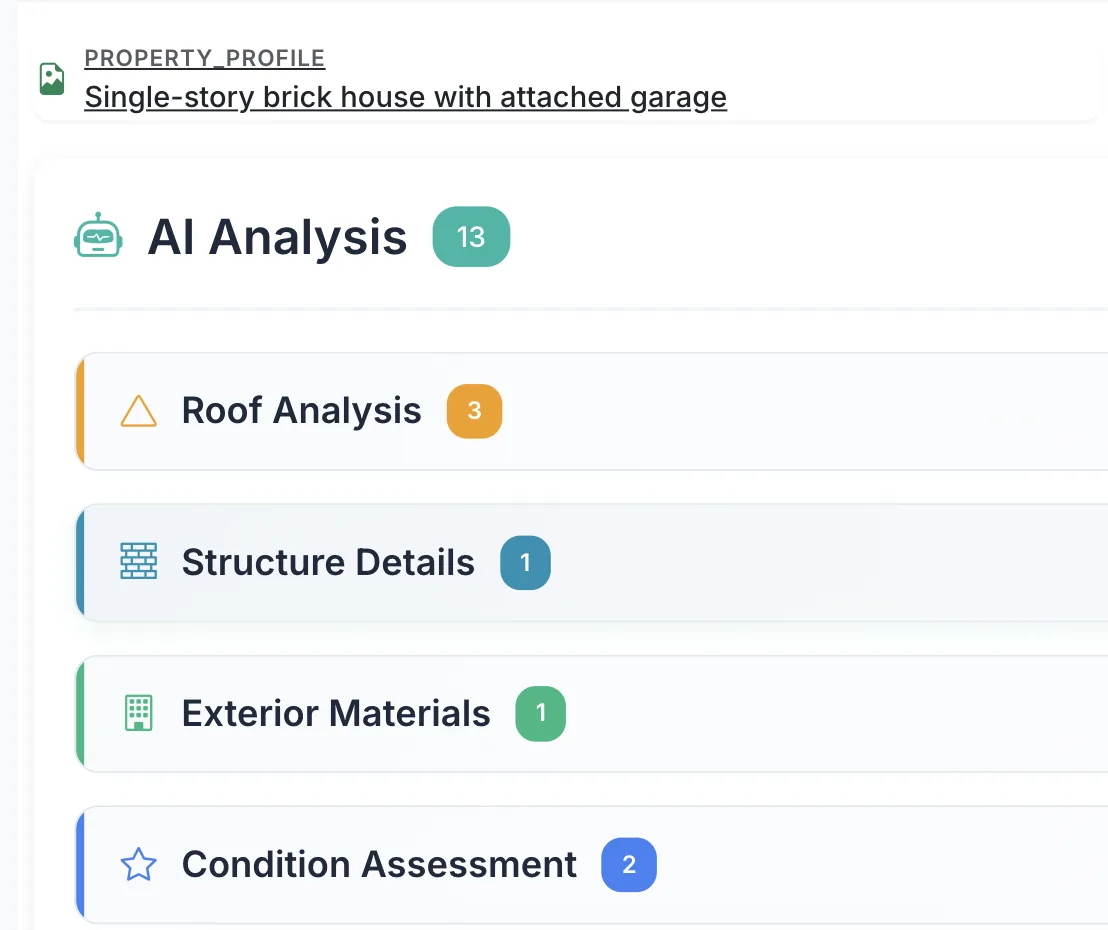
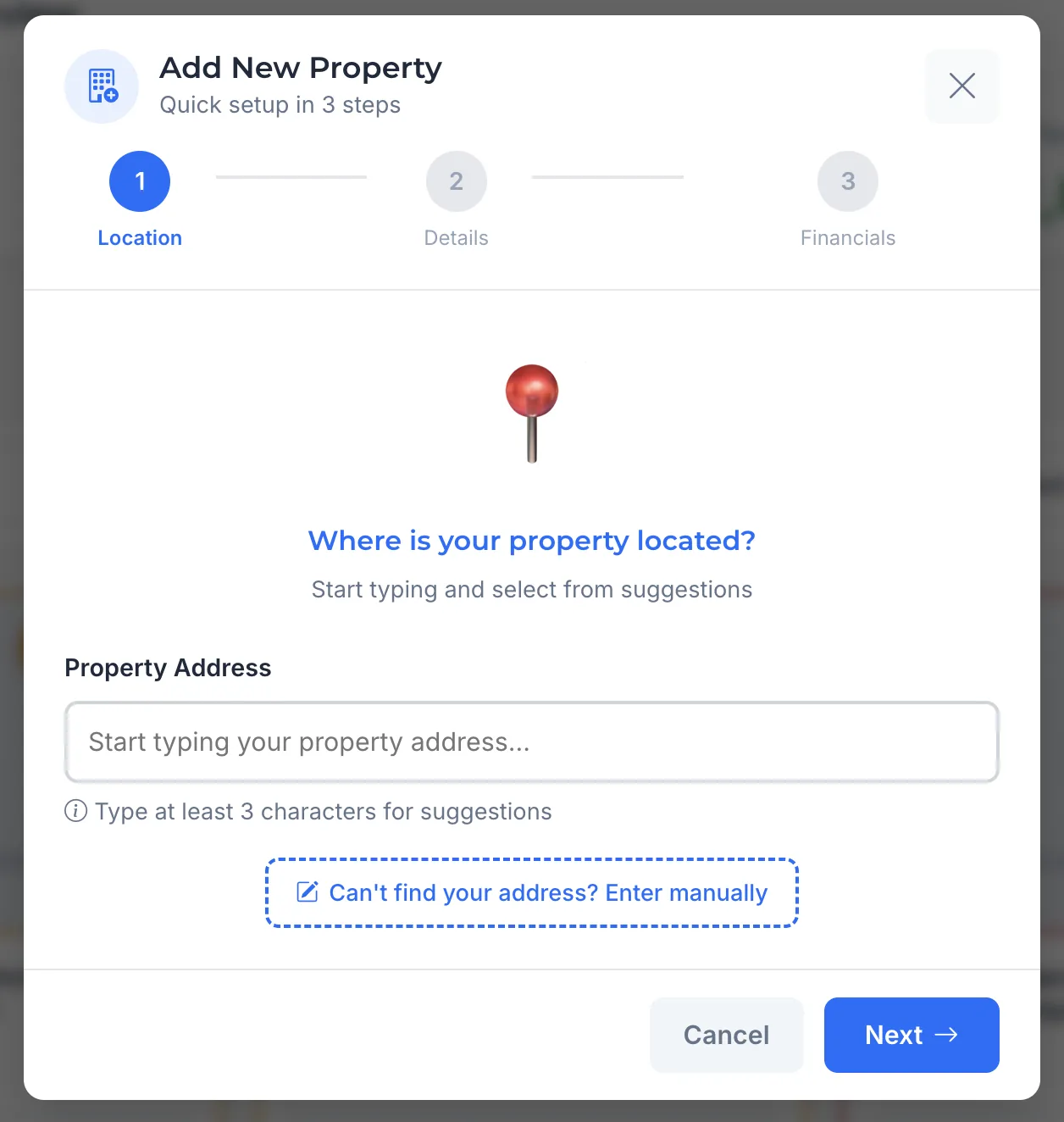
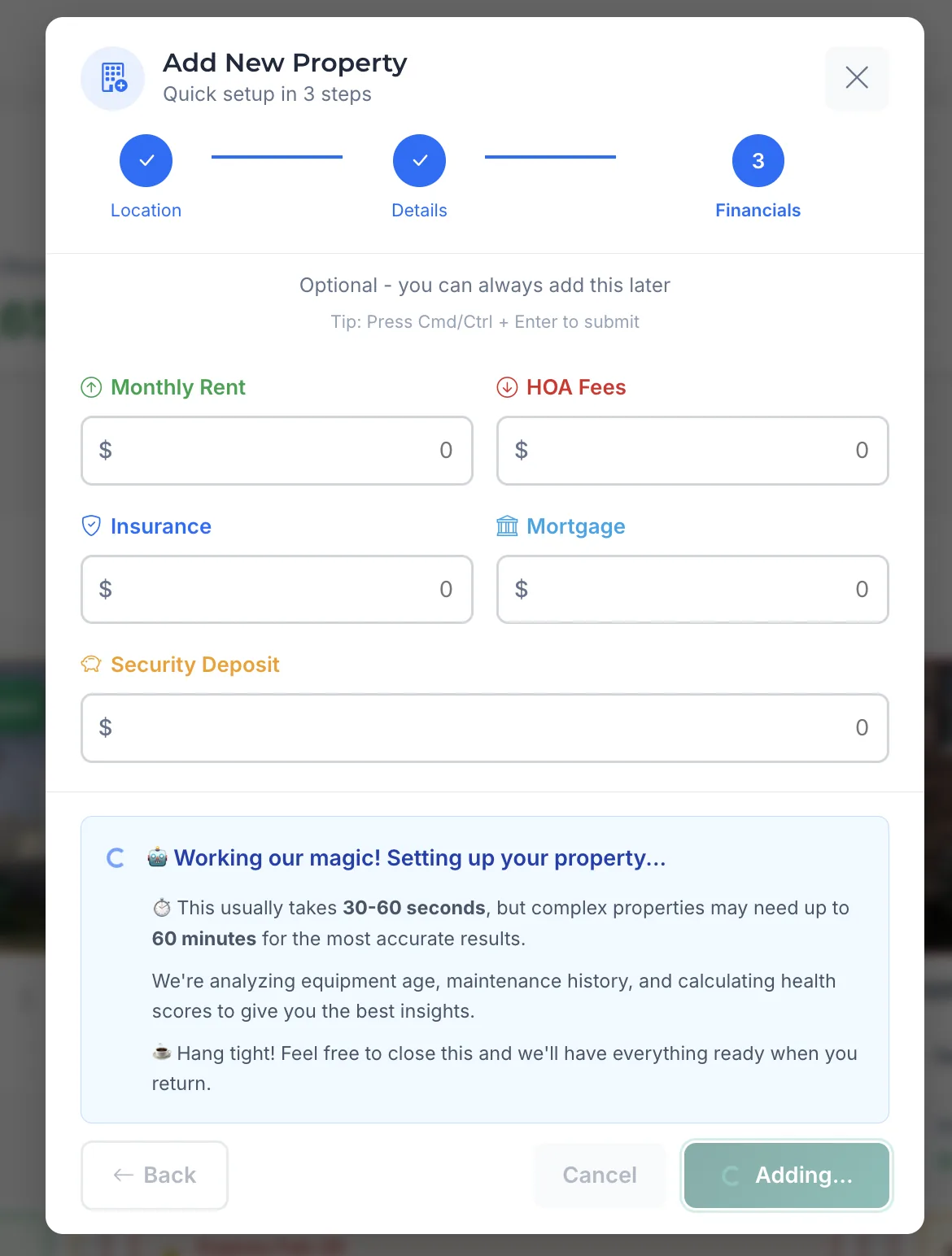
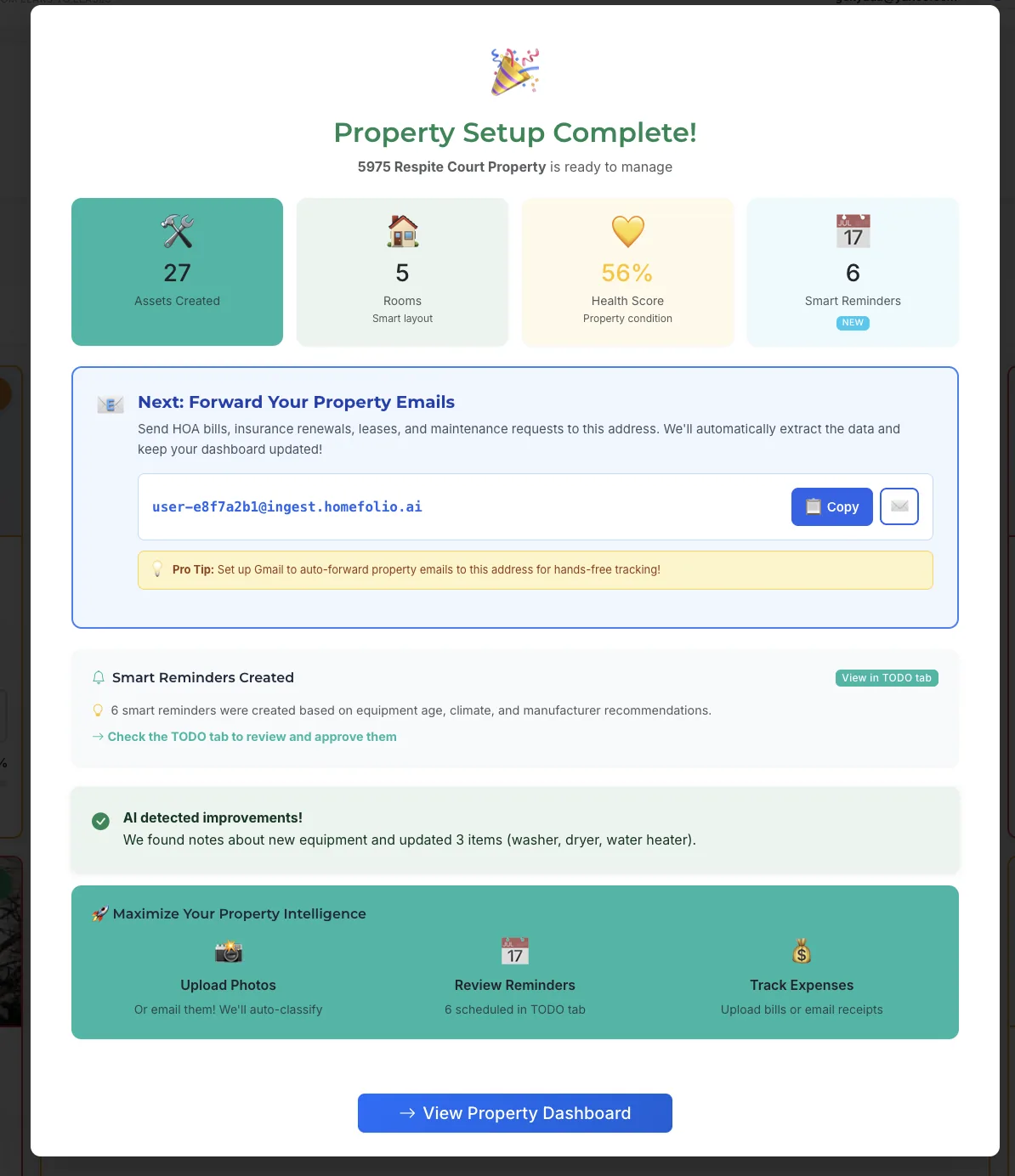
Enter Homefolio AI. With your home's information already there when you need it, it provides a seamless way to present a well-maintained property. By having all these records in one place, you’re offering buyers peace of mind that everything is handled automatically. Check out Homefolio AI for a smarter approach to home maintenance records.
Consider this: a home with detailed maintenance records sold for $15,000 more than a comparable property without them, according to a case study in Boston. It's not just about the numbers; it's about trust. When buyers feel confident about a home's upkeep, they're more likely to make a strong offer.
Crafting a Compelling Property Narrative
Your home has a story, and it’s your job to tell it. An effective narrative can highlight the features that make your property unique. Is there a window seat perfect for reading or a backyard oasis that blooms in spring? These elements make your home memorable and valuable in the eyes of buyers.
Highlighting the neighborhood is just as crucial. Proximity to top-rated schools, parks, or local amenities can significantly enhance your home’s appeal. Did you know homes near good schools sell for up to 20% more, according to Zillow research? Make sure potential buyers know the benefits of your location.
Use vivid descriptions and professional photography to capture every angle of your home. Create an emotional connection by highlighting lifestyle benefits. A well-crafted narrative can shift a buyer’s perception from wanting to buy a house to wanting to buy your house.
Negotiation Tactics that Work
Negotiating isn’t about winning; it’s about finding a deal that both parties are happy with. Avoid common mistakes like being too rigid on price or failing to prepare for negotiations. Studies suggest that buyers will walk away if they sense inflexibility, so it’s crucial to balance firmness with flexibility.
When you receive a lowball offer, don’t panic. Counter with a number that’s slightly below your asking price but still respectful. This shows you’re willing to negotiate but not desperate. According to real estate experts, a well-crafted counteroffer can bring you closer to your target price without scaring off the buyer.
Leverage your home's strengths during negotiations. Highlight recent upgrades or market trends that justify your asking price. Be prepared to walk away if necessary, but always leave the door open for further discussions. Remember, it’s a dance—lead confidently and know when to let your partner shine.
FAQs on Avoiding Lowball Offers
How do I price my home to avoid lowball offers?
Pricing your home correctly is crucial. Use comparative market analysis to understand what similar homes in your area are selling for. Consider overpricing slightly to leave room for negotiation, but avoid unrealistic pricing which can deter serious buyers. A well-priced home attracts offers close to its true value.
What improvements should I make to increase my home's value?
Focus on improvements with high ROI, like kitchen upgrades or bathroom remodels. Even small projects like repainting or landscaping can add significant value. Prioritize areas that buyers scrutinize most, ensuring that every investment enhances your home's overall appeal.
How can I effectively stage my home for sale?
Start by decluttering and depersonalizing spaces to help buyers visualize themselves living there. Use neutral colors and position furniture to showcase the space and functionality of each room. Consider hiring a professional stager if your budget allows, as staged homes often sell faster and for more money.
What documents should I provide to potential buyers?
Have a packet ready that includes maintenance records, recent utility bills, and any warranties for major appliances. Providing transparency through documentation can reassure buyers about the longevity and quality of your home, making them more likely to meet your asking price.
How do I respond to a lowball offer?
Respond calmly and counteroffer strategically. Thank the buyer for their interest and propose a price closer to your listing price. Highlight the home's features and market conditions that support your price. Keep the door open for further negotiation, showing that you're serious but willing to compromise.