Avoid the $10,000 Pitfall: Handling Home Inspection Issues Smartly
The Hidden Costs of Ignoring Inspection Issues
Imagine this: a quaint three-bedroom home that carries a hidden secret—a cracked foundation that wasn’t addressed during the inspection phase. Six months later, the unsuspecting homeowner foots a $15,000 repair bill. Real stories like these aren't just cautionary tales. They're everyday occurrences. Studies suggest that ignoring minor inspection issues can lead to repairs costing 20% more over time. The numbers don't lie; small issues snowball into financial avalanches.
According to home insurance data, the average cost of neglected repairs in American homes is a staggering $9,000. This isn't just about the money—it's about the stress and inconvenience of dealing with massive repairs. A simple plumbing leak, if ignored, can lead to mold issues that not only affect health but also your wallet. The rule of thumb: pay attention now, save exponentially later.
Don't be the homeowner who dismisses a rusty pipe or a flickering light as trivial. These "minor" issues often serve as harbingers of what could become significant headaches. The cost of preventive maintenance is often just a fraction of what you'd pay when things go south. Industry data shows that every dollar spent on maintenance saves $10 in future repairs.
Prioritize: What Needs Immediate Attention?
Not all inspection issues carry the same weight. Understanding which ones to address immediately can save both time and money. Critical issues, such as structural damage or electrical hazards, demand immediate action. These are not just defects; they're potential deal-breakers that can significantly diminish your home's value. Cosmetic concerns, like paint chips or outdated fixtures, can often be postponed or handled with less urgency.
Identifying these critical issues requires a keen eye—or a good inspector. Look out for signs of water damage, foundation cracks, and outdated wiring. These are the types of problems that can not only cause safety hazards but also scare away potential buyers faster than a squirrel on a bird feeder. Remember, structural and safety problems don't just affect aesthetics; they impact your home's market value and livability.
Once you've identified what needs immediate attention, act swiftly. For safety-related issues, consider consulting a professional immediately for an assessment and cost estimate. Don't approach this with a DIY mentality; the risks far outweigh the rewards. As a homeowner, your goal is to prioritize and tackle the issues that could compromise your home's integrity and your family's safety.
Strategic Negotiation: Turn Issues into Opportunities
Inspection reports are not just lists of problems—they're negotiation tools. Use them to your advantage. When an inspection reveals issues, it's an opportunity to negotiate better terms with the buyer. Some savvy homeowners have even managed to renegotiate the price down by 5-10% of the home's value based on inspection findings.
The strategy is to decide whether to offer repairs or reduce the price. If the issue is relatively minor and easily fixable, offering to handle the repair might be the best course of action. However, for larger issues, such as roof replacements or extensive plumbing work, a price reduction might be more appealing to buyers and less stressful for you.
Don't underestimate the power of a well-negotiated deal. Explain the cost of repairs with itemized estimates and use this as leverage. Remember, the goal is to ensure both parties walk away happy. This isn't just about making a sale—it's about maintaining your reputation as a responsible homeowner.
DIY Fixes vs. Hiring Professionals: Making the Right Call
When it comes to addressing inspection issues, not all repairs require professional intervention. For instance, fixing a leaky faucet, resealing windows, or patching small holes in drywall are all tasks you can tackle over a weekend with a few tools and a YouTube tutorial. These DIY fixes can save you hundreds, if not thousands, of dollars in labor costs.
However, when it comes to electrical work, structural repairs, or anything involving your home's plumbing system, calling a professional is not just advisable—it's essential. A misstep in these areas can lead to more significant problems down the line, turning a simple repair into a costly nightmare.
Weigh the costs and benefits of DIY versus hiring a professional. Consider the complexity of the task, your skill level, and the potential risks involved. Sometimes peace of mind is worth the extra cost. And let's face it—sometimes watching a pro in action is an education in itself.
Document Everything: Protect Your Investment
Documentation is your best friend when it comes to protecting your investment. Keep detailed records of all repairs and maintenance activities. This isn't just about covering your bases—it's about increasing your home's value. Detailed records can reassure potential buyers, showing them that the home has been well cared for.
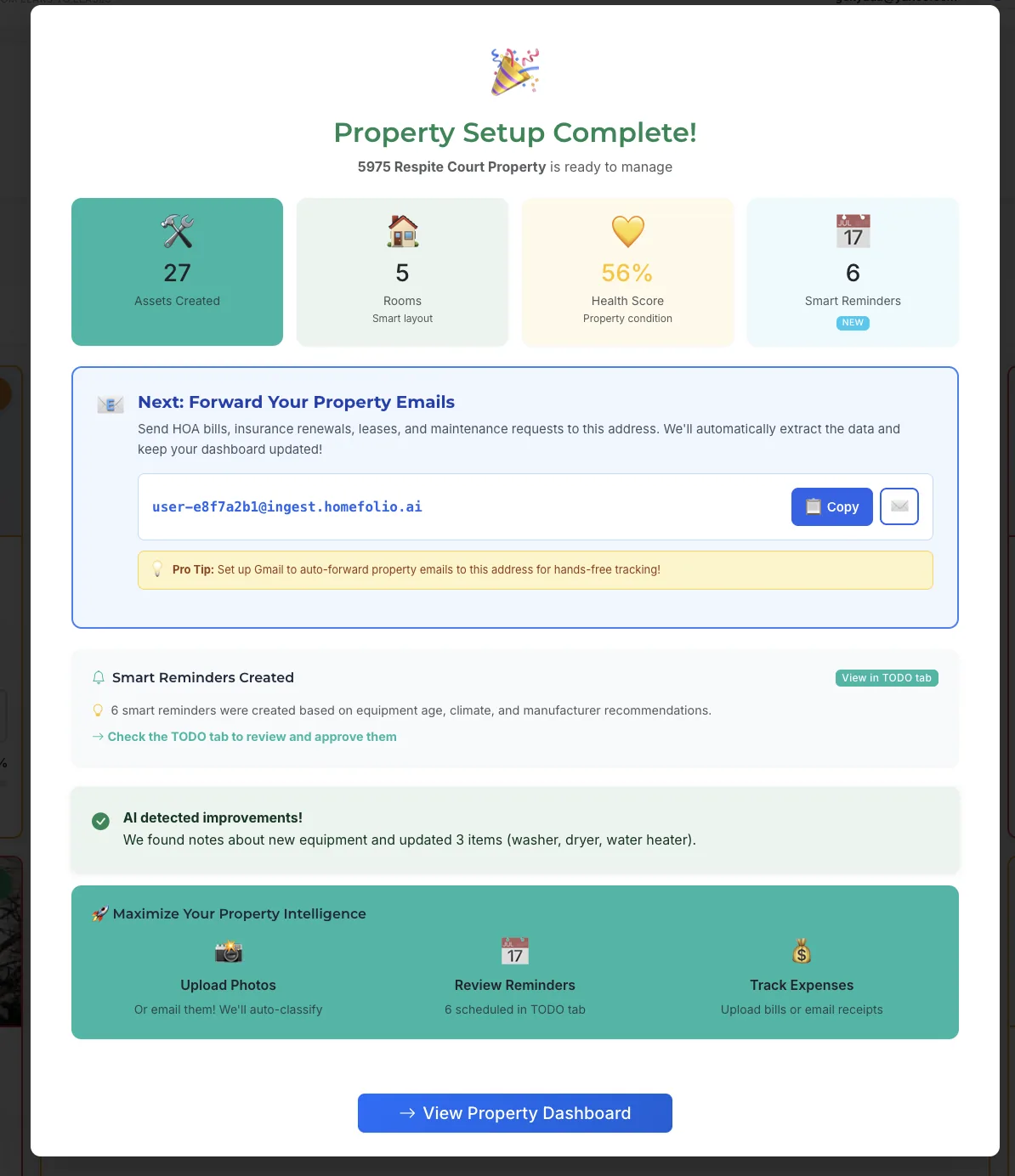
With Homefolio AI, your home's repair and maintenance records are "already there" and "connected to the right property." This tool provides you with a seamless way to present a complete history to prospective buyers, making your home stand out in a competitive market. Buyers appreciate transparency, and this can often be the tipping point in closing a deal.
Remember, a well-documented home isn't just easier to sell—it's also easier to value. Detailed records can sometimes increase a home's appraisal value, as appraisers can see a history of care and improvement. In the long run, meticulous documentation pays off, both in peace of mind and in dollars.
FAQs About Home Inspection Issues
What if the buyer’s inspection report is different from yours?
Discrepancies between inspection reports can happen, as different inspectors may have varying opinions. Review both reports thoroughly and discuss any differences with the buyer. It may be beneficial to bring in a third-party inspector for another opinion. Transparency is key—open communication can often resolve misunderstandings and avoid potential disputes.
Can you sell a house 'as is' after a failed inspection?
Yes, selling a house 'as is' is possible, but it often affects the selling price and marketability. Be prepared to lower the asking price or offer incentives to potential buyers. Ensure that buyers are fully aware of the inspection results and issues. This honesty can prevent future legal complications and foster trust between you and the buyer.
How long do you have to fix issues after an inspection?
The timeline for repairs can vary based on the contract terms. Typically, you should address major issues before the closing date, which is often 30 to 60 days after the contract is signed. Check your sales agreement for specific timelines and make sure to communicate clearly with all parties involved to set realistic expectations.
What are the most common issues found during home inspections?
Common issues include roofing problems, plumbing leaks, electrical issues, and foundation cracks. Other frequent findings are HVAC system inefficiencies and inadequate insulation. These problems can vary widely in severity and cost, so it's crucial to assess each finding's impact on your home and prioritize them accordingly.
How does an inspection affect home insurance claims?
An inspection can affect your home insurance in several ways. Issues discovered during an inspection might lead to higher premiums if they're seen as increasing risk. Conversely, a clean inspection report can sometimes lead to lower rates. Always consult with your insurance agent post-inspection to understand potential impacts on your policy.