Property Tips

The $5,000 Oversight in Long-Term Home Investment Planning

The $5,000 Oversight in Long-Term Home Investment Planning

The average American home has $14,000 in appliances. Most homeowners can't find a single warranty document when something breaks. That’s not just a headache—it’s a $5,000 oversight waiting to happen. Proper long-term home investment planning could save you from costly mistakes, but only if you dodge the common pitfalls.

How Missing Key Records Can Cost You Thousands

Imagine preparing to sell your home and discovering you can’t locate half the receipts for your major renovations. Real-life stories abound of homeowners losing out on thousands because they can’t prove their investments. According to the National Association of Realtors, complete home records can add up to 15% to a property's resale value. Losing these records isn't just inconvenient—it's expensive.

Comprehensive home records are akin to a financial safety net. They help validate the costs of improvements and maintenance over time. When the hot water heater bursts or the roof leaks, you need proof of purchase and warranty to avoid out-of-pocket expenses. Without these, you’re flying blind, and that’s never good for your wallet.

To prevent financial loss, develop a system for maintaining these documents. A simple accordion file or a digital solution can keep your receipts, warranties, and permits in one place. By staying organized, you ensure you’re ready to take full advantage of your property's value when the time comes.

Strategic Home Improvements for Maximum ROI

Not all home improvements are created equal. Remodeling Magazine's Cost vs. Value report shows that projects like garage door replacements and minor kitchen remodels offer the highest returns, often recouping over 80% of costs. On the other end of the spectrum, high-end bathroom remodels typically return less than 60%.

The timing of your improvements is crucial. Market trends can shift like the wind. If you plan to sell in a few years, look at the current real estate climate. Are buyers clamoring for open concept layouts or eco-friendly upgrades? Align your improvements with what’s hot in the market to maximize value.

For actionable steps, start with a home value assessment. Then, prioritize projects that promise the best returns. Regularly check market trends and adjust your plans accordingly. This strategic approach ensures you’re investing wisely, not just renovating for the sake of change.

Leveraging Tax Benefits for Long-Term Gains

Owning a home comes with significant tax benefits—if you know where to look. Studies suggest that homeowners can save thousands through deductions like mortgage interest and property taxes. However, overlooking capital gains tax implications can lead to surprise expenses when selling your home.

To capitalize on tax benefits, maintain meticulous records of your home improvements. These expenses can be added to your home's purchase price, reducing your taxable gain when you sell. Document everything, from contractor invoices to DIY material costs, to ensure you’re prepared come tax season.

Consider consulting a tax advisor to understand the full scope of available deductions. They can help navigate complex tax laws, ensuring you’re not leaving money on the table. A proactive approach to tax management can significantly enhance your long-term financial gains.

The Secret to Building a Complete Home History

A complete home history is like a pedigree for your property. Essential documents include purchase agreements, repair receipts, and renovation permits. These records not only serve as proof of investment but also build credibility with potential buyers.

According to real estate experts, a well-documented home history can boost resale value by making your home more attractive to buyers. They see it as a commitment to maintenance and care—qualities that often sway purchasing decisions.

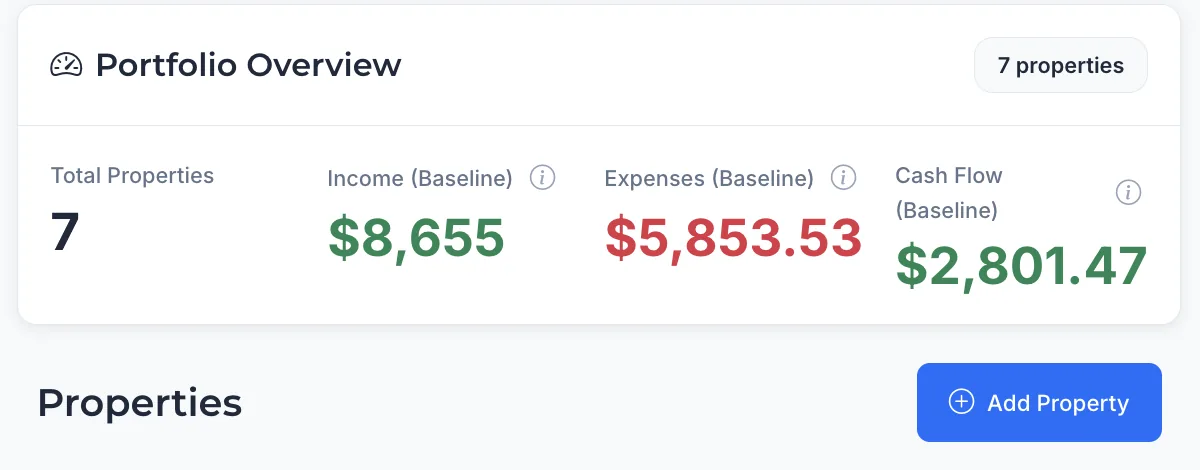
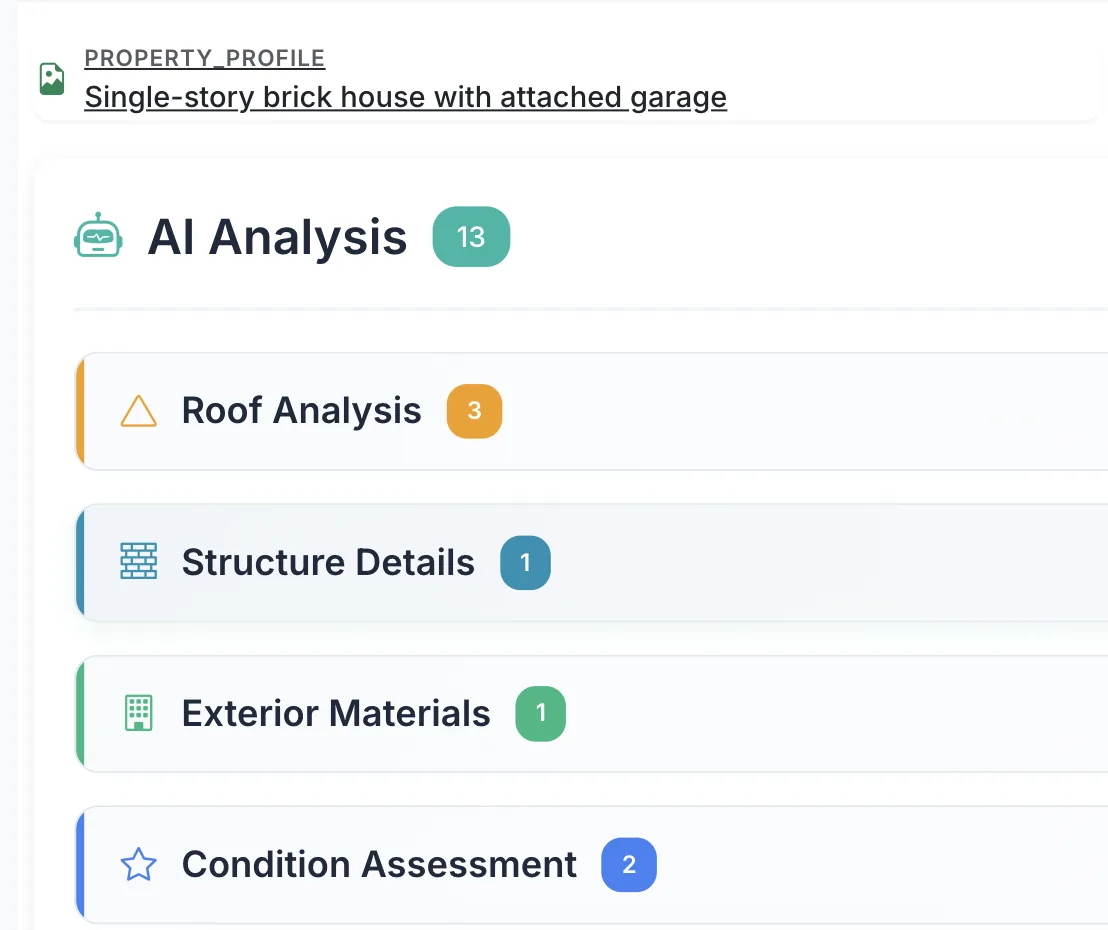
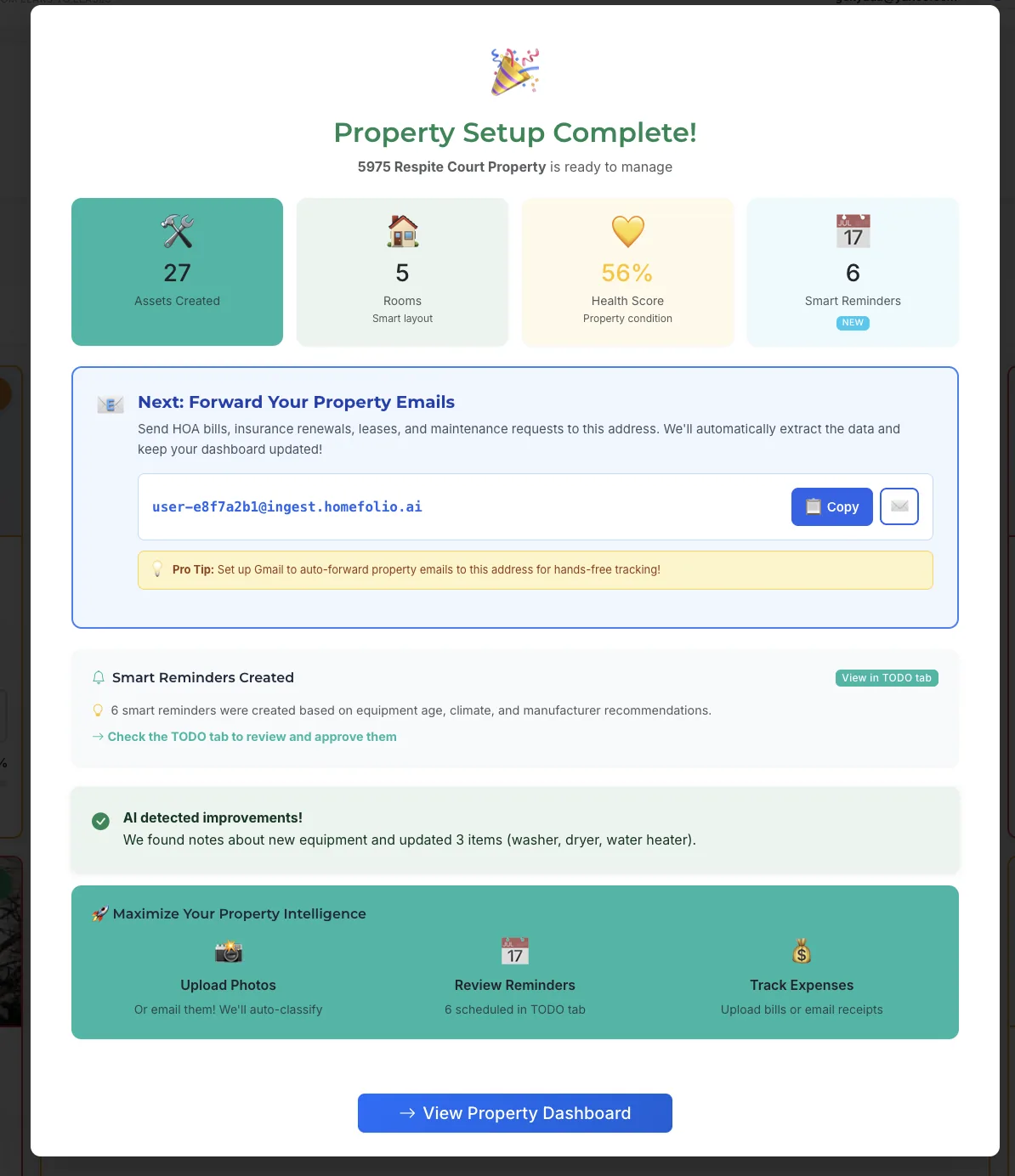
Tools like Homefolio AI ensure your home's documents are already there and connected to the right property, making it easier to build a comprehensive home history. By automating this process, you save time and avoid costly oversights.

Integrating Technology in Home Investment Planning

In our digital age, technology is an invaluable ally in home investment planning. Tools and apps can simplify everything from maintenance scheduling to document management. Homeowners who embrace these solutions often find themselves with fewer financial surprises.

Consider using apps that offer reminders for routine maintenance tasks. This ensures you’re not caught off guard when repairs are needed. Additionally, digital solutions can prevent costly mistakes by keeping your documents and information in one accessible place.

Choose technology that integrates seamlessly into your lifestyle. The right tools will save you time, reduce stress, and protect your investment. Technology isn’t just a convenience—it’s a strategic advantage in managing your biggest asset.

FAQ: Long-Term Home Investment Planning

What records are most important to keep?

The most crucial records include home purchase agreements, mortgage documents, property tax receipts, and records of major renovations or repairs. These documents serve as proof of ownership, provide insight into the home's history, and protect against legal disputes. Keep these records safe and accessible, as they are essential for both financial and legal reasons.

How long should I keep home improvement receipts?

Keep home improvement receipts for at least seven years after selling your home. These records can be crucial for tax purposes, particularly when calculating capital gains. Retaining them for this period helps ensure you can support any claims for deductions or improvements when necessary.

What renovations offer the highest ROI?

Renovations with the highest ROI typically include minor kitchen remodels, garage door replacements, and siding replacements. These projects often recoup 70-80% of their costs. However, the ROI can vary based on market trends, so it’s wise to consult recent studies or real estate professionals before proceeding.

How can I avoid losing money on home investments?

Avoid losing money by planning strategically. Focus on improvements that are known to increase value, maintain thorough documentation of all upgrades, and leverage tax benefits. Regularly review market trends to ensure your investments align with buyer demands, maximizing your return.

What are common tax deductions for homeowners?

Common tax deductions for homeowners include mortgage interest, property taxes, and energy-efficient home improvements. Additionally, points paid on a mortgage and private mortgage insurance premiums may be deductible. Consult with a tax advisor to understand all applicable deductions and optimize your tax savings.

Your Home's Records — Already There When You Need Them.

Warranties, receipts, maintenance history, and appliance details — connected to your property automatically.

Get Started Free →