Property Tips

The $10,000 Oversight: What to Disclose When Selling Your Home

The $10,000 Oversight: What to Disclose When Selling Your Home

The average American home has $14,000 in appliances. Most homeowners can't find a single warranty document. Now imagine selling your house and realizing you've overlooked a critical disclosure—one that could cost you up to $10,000 in lawsuits. Welcome to the complex world of home sale disclosures, where missing a detail is like playing Russian roulette with your bank account.

The Costly Consequences of Missing Disclosures

When you skip over a required disclosure, you're not just risking a slap on the wrist. Lawsuits and financial penalties from undisclosed issues are a common reality. According to the National Association of Realtors, nearly 25% of home sales result in legal action due to non-disclosure. Buyers can sue for damages, forcing you to pay for repairs you didn't budget for—or even worse, they can demand a price reduction post-sale.

The impact on buyer trust is equally damaging. Buyers today are savvy; they've read the horror stories. If they sense you're hiding something, the deal could collapse faster than you can say "escrow." Even if the sale does go through, your reputation might not recover, making future transactions more difficult.

To avoid these pitfalls, transparency is key. Provide full and detailed disclosures upfront. Not only does this protect you legally, but it also fosters trust and can result in a smoother, quicker sale. It's the kind of upfront honesty that buyers appreciate and remember.

Essential Disclosures for Every Home Sale

So, what exactly should you disclose? Start with structural issues and prior repairs. Cracks in the foundation, leaky roofs, and past plumbing problems should all be on the table. According to home inspection data, 84% of homes have at least one significant issue that needs addressing. If you’ve made repairs, disclose them along with any warranties. It’s better to own up now than pay later.

Pest infestations and environmental hazards are another can of worms—literally. Termite damage can cost a homeowner more than $3,000 in repairs. Mold and radon issues can be just as financially crippling. By disclosing these issues, you not only protect yourself from future liabilities but also give buyers the chance to negotiate terms that address these problems effectively.

Remember, full disclosure is not just about legal compliance. It's about peace of mind for you and the buyer. Knowing what's been done and what might still need attention makes for a transparent transaction, reducing the likelihood of post-sale disputes.

How to Handle Renovation and Improvement Documentation

When it comes to renovations and improvements, documentation is your best friend. Permits and compliance with local building codes are not just bureaucratic hurdles—they’re essential validations of the work done. Studies suggest that homes with proper renovation documentation sell up to 10% faster. So, ensure you have all permits in order before listing your home.

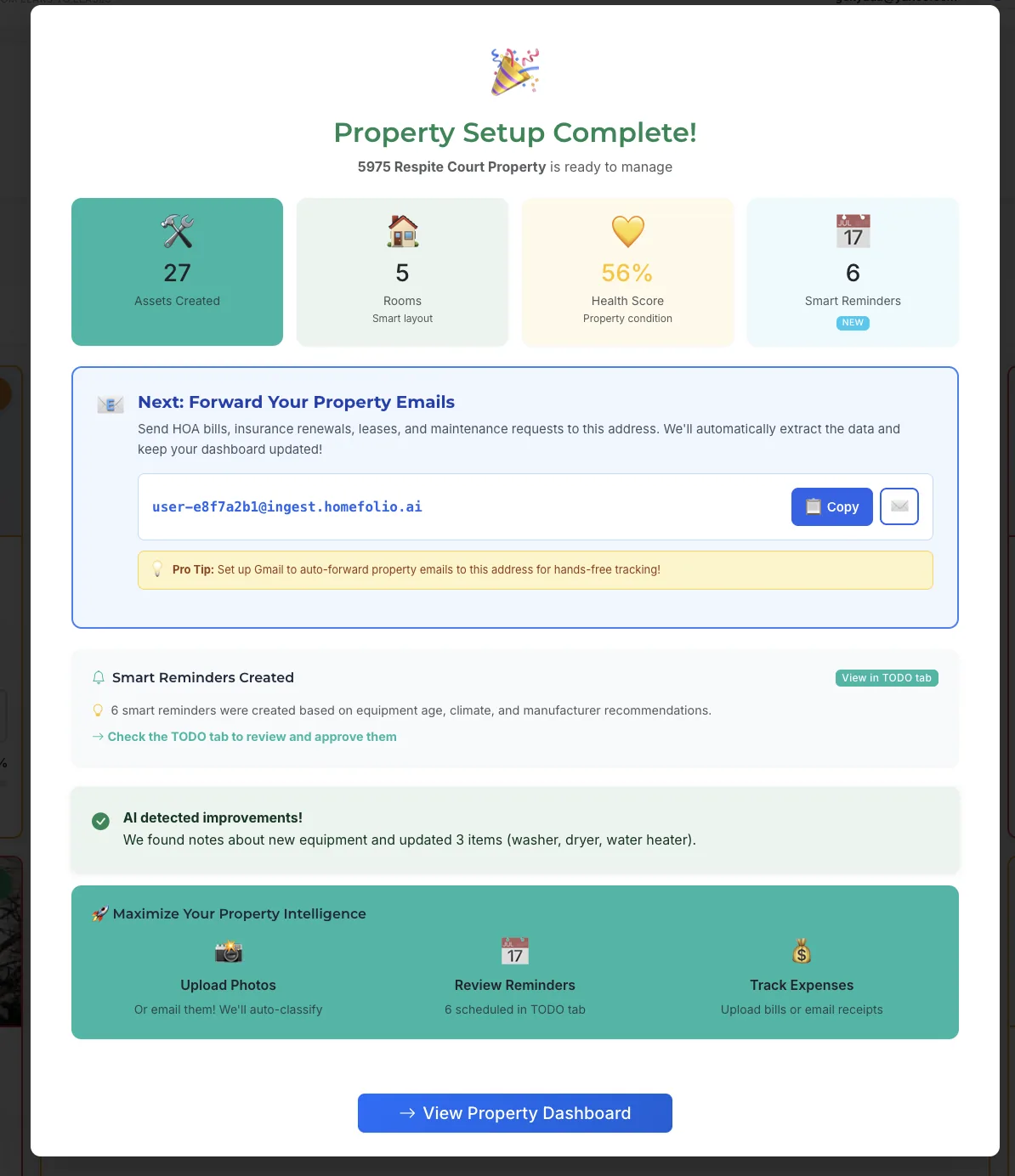
Improvement receipts and warranties can make or break a deal. Buyers love seeing a paper trail that proves work was done professionally. This is where Homefolio AI shines. Your renovation receipts and warranties are already there when you need them, connected to the right property, making the disclosure process seamless and stress-free.

Keep an organized file with all this information ready to hand over. Not only does this make the buyer’s decision easier, but it also shows that you’ve taken your role as a seller seriously. It’s all about making a compelling case for your home’s value.

Understanding Local Disclosure Laws

Disclosure laws can vary significantly from state to state. For instance, California requires sellers to disclose any death on the property within the past three years, while other states may not. Knowing these variances is crucial. Ignorance isn’t bliss—it’s a potential lawsuit. Real estate agents can be helpful, but for the most accurate guidance, consult state-specific resources or a real estate attorney.

The devil is in the details when it comes to compliance. Industry data shows that up to 30% of sellers are unaware of their local disclosure laws, leading to costly mistakes. Make it a point to familiarize yourself with the legal requirements in your area before you even consider putting your home on the market.

Fortunately, resources abound. Many state real estate commissions provide comprehensive guidelines online. If you want to go the extra mile, attending a local real estate seminar or workshop can arm you with valuable knowledge and even connect you with professionals who can assist in your sale process.

Streamlining the Disclosure Process

A comprehensive disclosure packet is your golden ticket to a hassle-free home sale. Gather all necessary documents—inspection reports, repair records, warranties, and permits—and compile them into a single, organized packet. This not only simplifies the buying process but also shows your commitment to transparency and honesty.

Timing is everything. Real estate experts recommend delivering your disclosure documents early in the transaction process, ideally before or during the buyer’s initial offer. This allows for any issues to be negotiated upfront, reducing the likelihood of deal-breaking surprises later on.

Consider using digital tools to streamline the process. Secure document-sharing platforms can help manage this task efficiently, reducing paper waste while ensuring all parties have access to the necessary information. It’s a small investment for peace of mind and legal protection.

FAQ: Common Questions About Home Sale Disclosures

What are the most common disclosure oversights?

The most common oversights include failing to disclose structural issues, pest infestations, and previous renovations without permits. Sellers often forget to mention neighborhood nuisances or local environmental hazards. Each oversight can lead to costly legal repercussions, so double-check your disclosure forms carefully.

How does a disclosure affect my home’s selling price?

While disclosures might initially seem like a potential deal-breaker, they often enhance a home’s value by building trust with buyers. A comprehensive disclosure can lead to quicker sales and potentially higher offers, as buyers appreciate the transparency and reduced risk of future issues.

Can I sell a house with undisclosed issues?

Technically, yes, but it's a risky move. If undisclosed issues are discovered post-sale, you could face lawsuits, financial penalties, and even be forced to repurchase the property. Full disclosure protects you from these potential pitfalls and aligns with ethical selling practices.

What happens if a buyer discovers an undisclosed issue after sale?

If a buyer finds an undisclosed issue after the sale, they can initiate legal action against you. This could result in financial penalties, requiring you to cover repair costs or offer a settlement. These situations are best avoided by being upfront about any known issues from the start.

How can I make the disclosure process easier?

Utilize digital tools like Homefolio AI to keep your home’s information connected to the right property, ready for when you need it. This ensures all documents are accessible and organized, making the disclosure process smooth and efficient. Consider hiring a real estate attorney for expert guidance tailored to your local laws.

Your Home's Records — Already There When You Need Them.

Warranties, receipts, maintenance history, and appliance details — connected to your property automatically.

Get Started Free →