Unlock Maximum Profits: Selling Your Home Fast Explained
The average American home has $14,000 in appliances. Most homeowners can't find a single warranty document. If you're thinking about selling, this oversight could cost you dearly. In a market where first impressions matter, understanding how to showcase your home's value is crucial. Let’s dive into how you can sell your house both quickly and profitably without making the usual costly mistakes.
The $10,000 Mistake Homeowners Make When Selling
According to home insurance data, over 30% of homeowners sell their homes without maximizing potential profits, often losing out on as much as $10,000. This isn't just about underpricing; it’s about failing to present your home correctly. Homes are often listed in rush without addressing issues that buyers notice first—like chipped paint or a neglected garden.
Timing is everything in real estate. Listing during peak season, typically spring and early summer, can increase sale price by 6%. Presentation is equally crucial; a well-maintained exterior increases curb appeal and attracts more buyers. First impressions last, and a small investment here can yield significant returns.
Common errors include neglecting small repairs and failing to declutter. These might seem trivial, but buyers notice everything. Studies suggest that homes with minor repairs completed before listing sell 20% faster and often at a higher price. Spend time fixing what you can—this is your opportunity to create a flawless first impression.
Staging Secrets: Make Your Home Irresistible
Staging a home goes beyond simple cleaning. It’s about creating an emotional connection between the buyer and the property. Simple changes like neutral wall colors and strategic furniture placement can make spaces appear larger and more inviting. Industry pros suggest that staged homes sell for 17% more on average than non-staged homes.
Consider hiring a professional stager to maximize your home's potential. They charge, but for good reason—professional staging can yield a return on investment of over 500%. They know exactly how to highlight your home's best features and minimize less desirable aspects. A modest investment here can turn your three-bedroom into a dream home for buyers.
If professional staging is out of reach, focus on decluttering and depersonalizing. Remove personal photos and excessive furniture to showcase the space itself. Small touches like fresh flowers or a bowl of fruit on the kitchen counter can add warmth without breaking the bank.
Price It Right: Strategies for Competitive Pricing
Pricing your home correctly is both an art and a science. Overprice it, and it sits on the market. Underprice it, and you leave cash on the table. Analyze local market trends—these provide a realistic view of what buyers are willing to pay. Homes priced within 5% of their true market value sell faster than those outside this range.
According to Zillow, homes that are priced correctly sell within 60 days on average. Study comparable listings in your area and consider the price per square foot. This metric helps you avoid the pitfalls of subjective pricing, ensuring your home is attractive to potential buyers.
Understanding buyer psychology is key. Buyers often perceive higher-priced homes as less desirable if they linger on the market. A competitive price not only attracts more interest but also creates a sense of urgency among buyers, prompting quicker offers.
Marketing Mastery: Attracting the Right Buyers
In today’s digital age, your home’s online presence is its front door. Industry data shows that 92% of homebuyers use the internet in their home search, making a strong digital marketing strategy essential. Leverage platforms like Zillow, Redfin, and even social media to reach a wider audience.
Crafting a compelling listing is an art form. High-quality photos are non-negotiable—studies suggest homes with professional photography sell 32% faster. Accompany these images with a well-written description highlighting unique features and benefits, not just the basics.
Don't underestimate the power of social media. Share your listing across multiple platforms to increase visibility. Engage with local community groups and consider virtual tours to reach out-of-town buyers. The more people see your home, the higher your chances of a quick sale.
Negotiation Know-How: Closing the Best Deal
Negotiation is where deals are made or broken. Be prepared for common buyer objections and counteroffers. Buyers will likely request repairs or price reductions based on perceived issues. Knowing the true value of your home helps you stand firm on your price.
According to National Association of Realtors, 56% of sellers are willing to negotiate on price, but timing is key. If you’ve priced it competitively and interest is high, don’t be quick to capitulate. Understanding when to stand firm can add thousands to your final sale price.
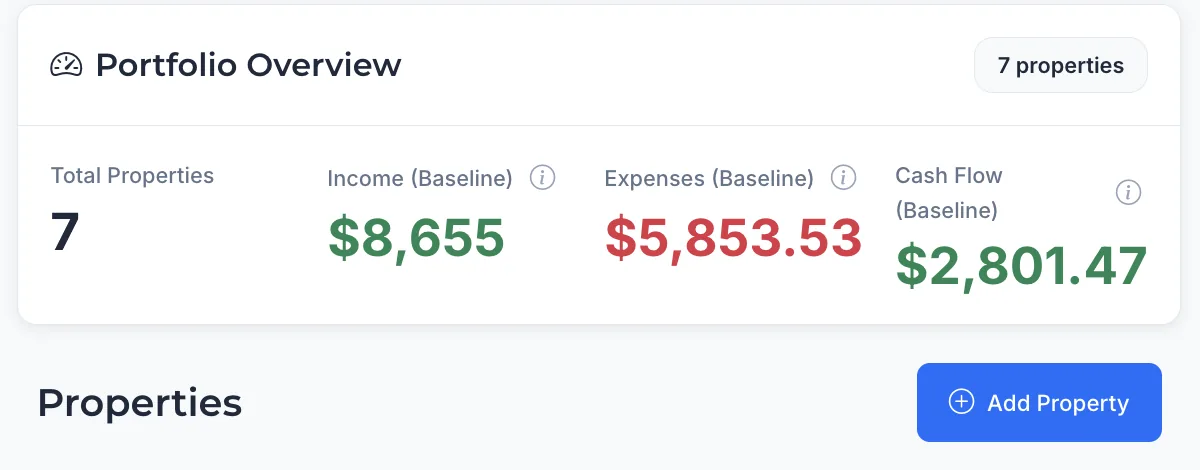
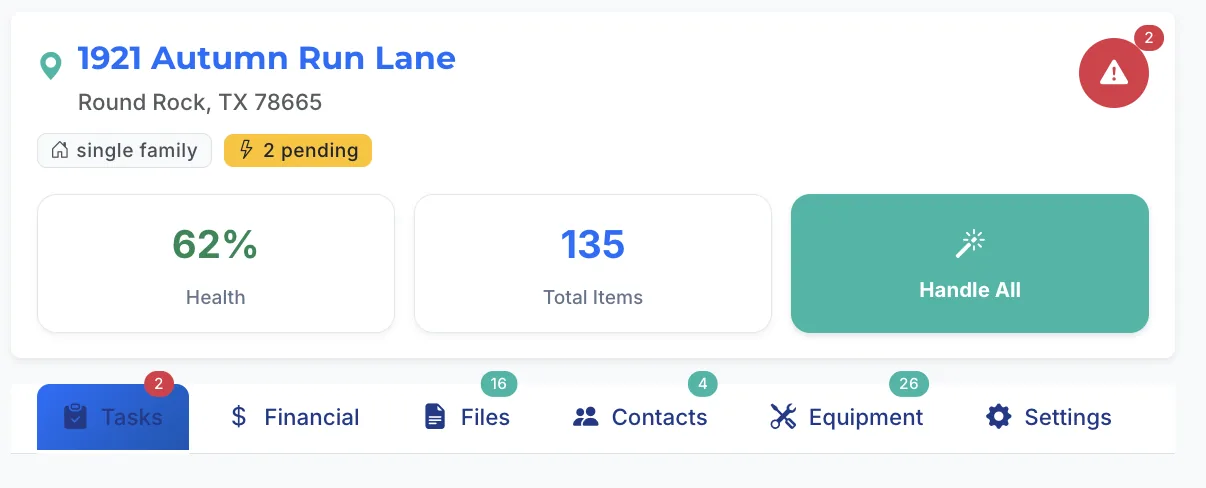
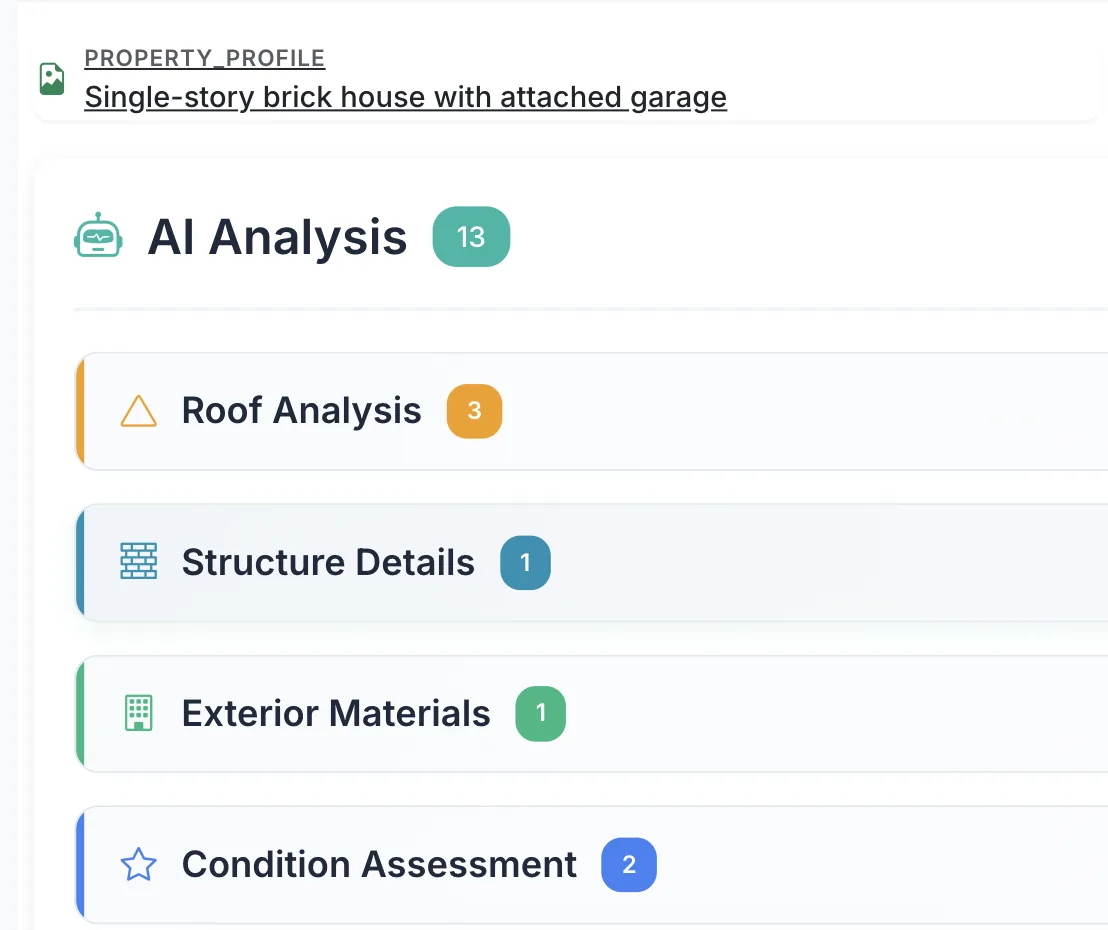
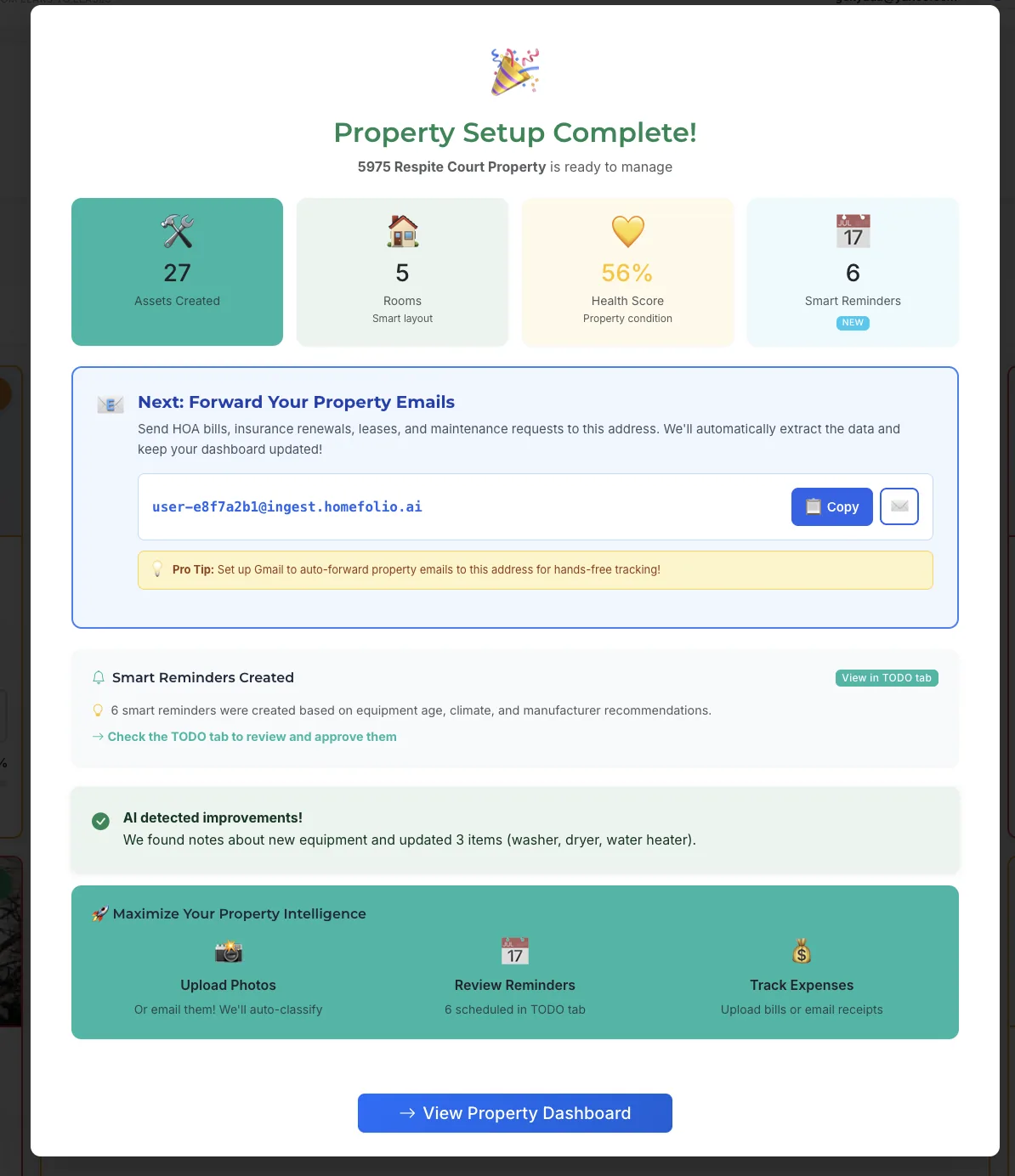
Ensure all necessary documents and warranties are already there, connected to the right property, to streamline negotiations and close deals swiftly. Homefolio AI can handle this for you—your home's information is in one place, ready. This clarity and readiness can be a decisive advantage in negotiations. Visit Homefolio AI for more information.
FAQs About Selling Your Home Quickly and Profitably
How long does it typically take to sell a house?
On average, a home takes about 65 days to sell, from listing to closing. However, this can vary greatly depending on market conditions, location, and whether your home is priced competitively. Homes priced correctly and marketed well can sell in as little as 30 days, especially during peak selling seasons like spring and summer.
What are the most common repairs before selling?
The most common pre-sale repairs include fixing leaky faucets, repairing cracked tiles, and patching up holes in walls. These are relatively inexpensive fixes that can significantly improve your home's appearance and appeal to buyers. Also, consider updating outdated fixtures and ensuring that all appliances are in working order.
How can I increase my home's value before selling?
To increase your home's value, focus on key areas such as the kitchen and bathrooms. These are critical selling points for most buyers. A minor kitchen remodel can offer an ROI of approximately 80%. Additionally, enhancing curb appeal with landscaping and a fresh coat of exterior paint can make a big impact.
What documents do I need to sell my house?
You'll need several key documents, including the original sales contract, past utility bills, and tax records. Also, ensure you have any home improvement receipts and warranties on appliances. These documents provide buyers with transparency and confidence in their purchase.
Is it worth hiring a real estate agent?
Hiring a real estate agent can be beneficial. Agents have access to more extensive marketing channels and can handle negotiations on your behalf. They typically charge 5-6% of the sale price, but the increased exposure and professional guidance can lead to a quicker sale at a higher price, often offsetting their fees.