Property Tips

Avoid Costly Surprises: Future Buyer Home Info Checklist

Avoid Costly Surprises: Future Buyer Home Info Checklist

The Cost of Missing Information: Why Details Matter

The average American home has $14,000 in appliances. Most homeowners can't find a single warranty document. This startling stat isn't just food for thought—it's a potential recipe for disaster at the closing table. Incomplete records can cost you thousands in negotiations, leaving potential buyers with more questions than assurances. And when confidence wanes, offers shrink.

Imagine this scenario: You've agreed on a sale price, but the buyer asks for documentation on a recent roof replacement. You know it's been done, but you can't find the receipt. The buyer's confidence dwindles, and suddenly, you're facing a $5,000 concession or, worse, losing the deal altogether. Real-life examples abound of deals falling through due to missing documentation. Don't let your sale become another statistic.

To avoid these pitfalls, make documentation a priority. Start by gathering all pertinent information, from warranties to service records, and keep them accessible. Simple steps now can prevent costly surprises later and ensure a smooth transfer of ownership.

Essential Documents Every Buyer Wants to See

When it comes to securing a buyer's confidence, documentation is king. A comprehensive list of critical documents includes warranties, repair receipts, maintenance records, and any permits or plans for renovations. These aren't just pieces of paper—they're assurances that the home is well-cared for and worthy of investment. According to industry data, homes with complete documentation sell faster and closer to asking prices.

Buyers want to know they're stepping into a well-maintained home, and seeing a stack of well-organized documents can make all the difference. It's not just about proving what's been done—it's about showing that you, as a homeowner, have been diligent and proactive.

To boost buyer confidence, keep your paperwork organized and accessible. A simple filing system—whether digital or physical—can help you keep track of everything from appliance manuals to proof of renovation. And remember, a well-informed buyer is a confident buyer, more likely to meet your asking price.

Showcasing Home Improvements: Boosting Your Home's Value

Documented home improvements are not just bragging rights—they're a major selling point. Whether it's a new HVAC system or a kitchen remodel, documented upgrades can significantly boost your home's value. Studies suggest that homes with visible and well-documented improvements can see a 10-20% increase in sale price.

The key is how you present these updates. Create a portfolio of improvements, complete with before-and-after photos, receipts, and any relevant permits. Give potential buyers a visual and tangible sense of the work done. This not only highlights the value of the improvements but also showcases your commitment to home maintenance.

Remember, a buyer is more likely to offer top dollar when they can see the investments made in the property. So, showcase your home with pride—and with proof.

Preparing Your Home's History: The Complete Picture

Chronological maintenance records are the unsung heroes of home sales. A well-documented home history provides potential buyers with a complete picture, from the day you moved in to the latest maintenance check. This record can be invaluable during appraisal and inspection, offering proof of care and consistency.

Imagine walking a buyer through your home's history, pointing out each major repair and upgrade with corresponding documentation. This transparency builds trust and can expedite the sales process. According to home insurance data, homes with detailed maintenance records often have higher appraisals.

Start compiling your home's history today. Keep records in chronological order, noting dates, services performed, and any costs. This practice not only reinforces your asking price but also eases any concerns a buyer might have about the property's past.

How Homefolio AI Simplifies the Process for Homeowners

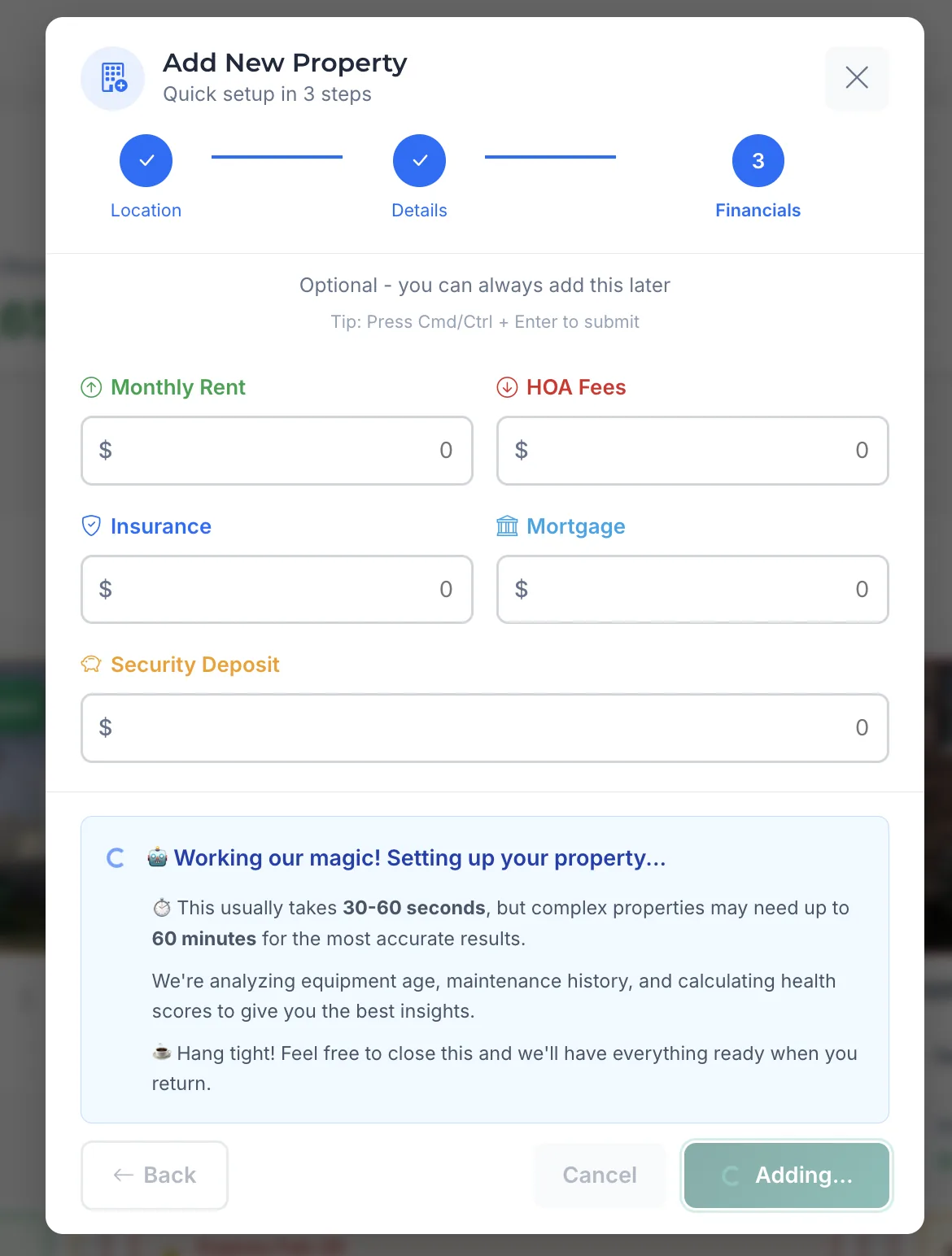
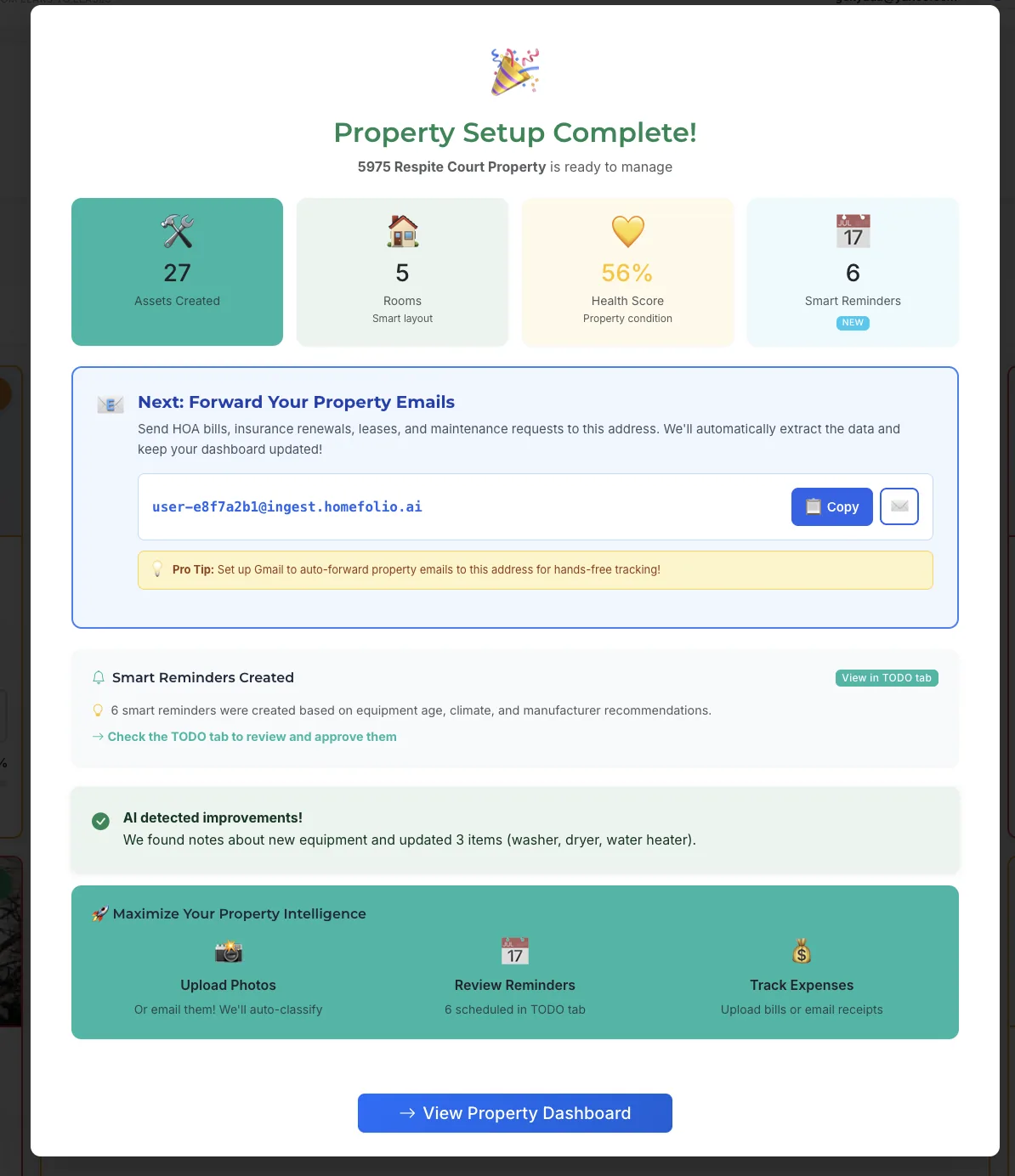
Enter Homefolio AI, your digital assistant in home selling. With Homefolio AI https://homefolio.ai, all your home's documents and history are already there, connected to the right property, making the selling process smooth and efficient. No more frantic searches for warranties or lost receipts before a sale.

This tool ensures that everything you need is handled automatically, so you can focus on what matters—finding the right buyer. It's a modern solution for modern homeowners, ensuring your home's information is in one place, ready when you need it.

With Homefolio AI, every document, from maintenance records to improvement portfolios, is linked to your property. This seamless connection not only saves time but also instills buyer confidence, knowing that everything they need is just a click away.

FAQs: Your Home Sale Documentation Questions Answered

What documents are most commonly requested by buyers?

Buyers typically request warranties for major appliances, repair receipts, maintenance logs, and documentation of any upgrades or renovations. These documents help buyers assess the condition and history of the home, giving them confidence in their purchase. It's crucial to have these documents organized and ready to present as part of your sales strategy.

How far back should I keep home maintenance records?

It's advisable to keep maintenance records for at least five to seven years. This timeframe provides a comprehensive view of your home's condition over time, covering most major repairs and updates. However, documentation for significant renovations or upgrades should be kept indefinitely, as they add substantial value to your home and are often scrutinized by buyers.

Can missing documents impact my home's sale price?

Yes, missing documents can significantly impact your home's sale price. Buyers may perceive a lack of documentation as a sign of poor maintenance, leading to reduced offers or extended negotiations. Complete documentation reassures buyers, often resulting in quicker sales and offers closer to your asking price.

What's the best way to present my home’s history to buyers?

Present your home’s history in an organized, chronological manner. Create a portfolio or digital presentation that includes receipts, warranties, and before-and-after photos of improvements. This approach not only highlights your investment in the property but also builds trust with potential buyers, making them more likely to meet your asking price.

How can technology assist in organizing my home sale documents?

Technology, like Homefolio AI, can be an invaluable tool for organizing home sale documents. By storing all necessary documents connected to the right property, technology ensures everything is already there when you need it. This not only saves time but also enhances presentation, providing potential buyers with a seamless view of your home's history.

Your Home's Records — Already There When You Need Them.

Warranties, receipts, maintenance history, and appliance details — connected to your property automatically.

Get Started Free →