Property Tips

Avoid Costly Repairs: Secrets to Maintain Home Appliances

Avoid Costly Repairs: Secrets to Maintain Home Appliances

The average American home has $14,000 in appliances. And yet, most homeowners can't find a single warranty document when they need it. This isn't just a minor inconvenience—neglecting appliance maintenance can lead to costly repairs and premature replacements. Let's dive into how you can avoid these pitfalls and keep your household running smoothly.

The Cost of Neglected Appliance Maintenance

Ignoring regular appliance maintenance can be an expensive gamble. Industry data shows that homeowners often face repair bills upwards of $500 for major appliances, simply because routine checks were skipped. Worse still, a neglected HVAC system can set you back between $150 and $450 per repair, according to home insurance data.

A study by the National Association of Home Builders suggests that proper upkeep extends the life of your appliances by 30%. Without it, you might find yourself replacing a once-reliable dishwasher much sooner than anticipated. An oven, for instance, can last 13-15 years with good care but may conk out in less than a decade if ignored.

To put it in perspective, spending just a few minutes a month on maintenance can save you thousands in the long run. It's all about understanding what your appliances need—and when. So let's break down the best practices for keeping your home devices in tip-top shape.

Daily Habits to Extend Appliance Lifespan

Little things you do each day can significantly lengthen the life of your appliances. For your refrigerator and freezer, ensure the door seals are airtight. A simple test: close the door on a dollar bill. If it slides out easily, it's time to replace the seal. This can save you as much as 25% on your energy bill.

Your dishwasher deserves attention too. Rinse off food particles before loading, and avoid overcrowding the racks. This not only improves cleaning efficiency but also reduces wear and tear, extending its life by several years. Similarly, for washing machines, never overload them. Opt for full loads but don’t stuff them to the brim; this keeps the drum from wearing out prematurely.

These small habits don't just preserve your appliances—they also ensure they're working at peak efficiency. And that means lower utility bills for you. So, start integrating these practices into your daily routine and watch your savings grow over time.

Monthly Checks to Prevent Breakdowns

Performing monthly checks can catch small issues before they become expensive repairs. First on the list: clean your refrigerator coils. These should be vacuumed or brushed every month to improve efficiency and keep the compressor running smoothly. According to experts, this simple task can improve efficiency by up to 30%.

Also, inspect hoses on washing machines for any signs of cracking or wear. A leaky hose can cause significant water damage, costing you hundreds, if not thousands, in repairs. For dishwashers, check the spray arms for blockages. Remove and rinse them to ensure water flows freely, reducing the risk of bigger problems down the line.

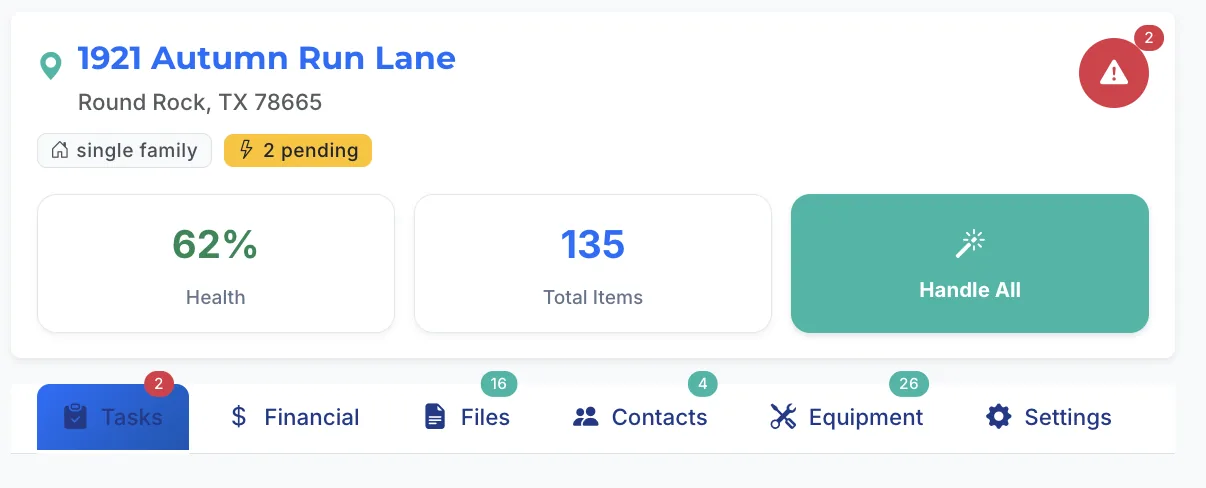
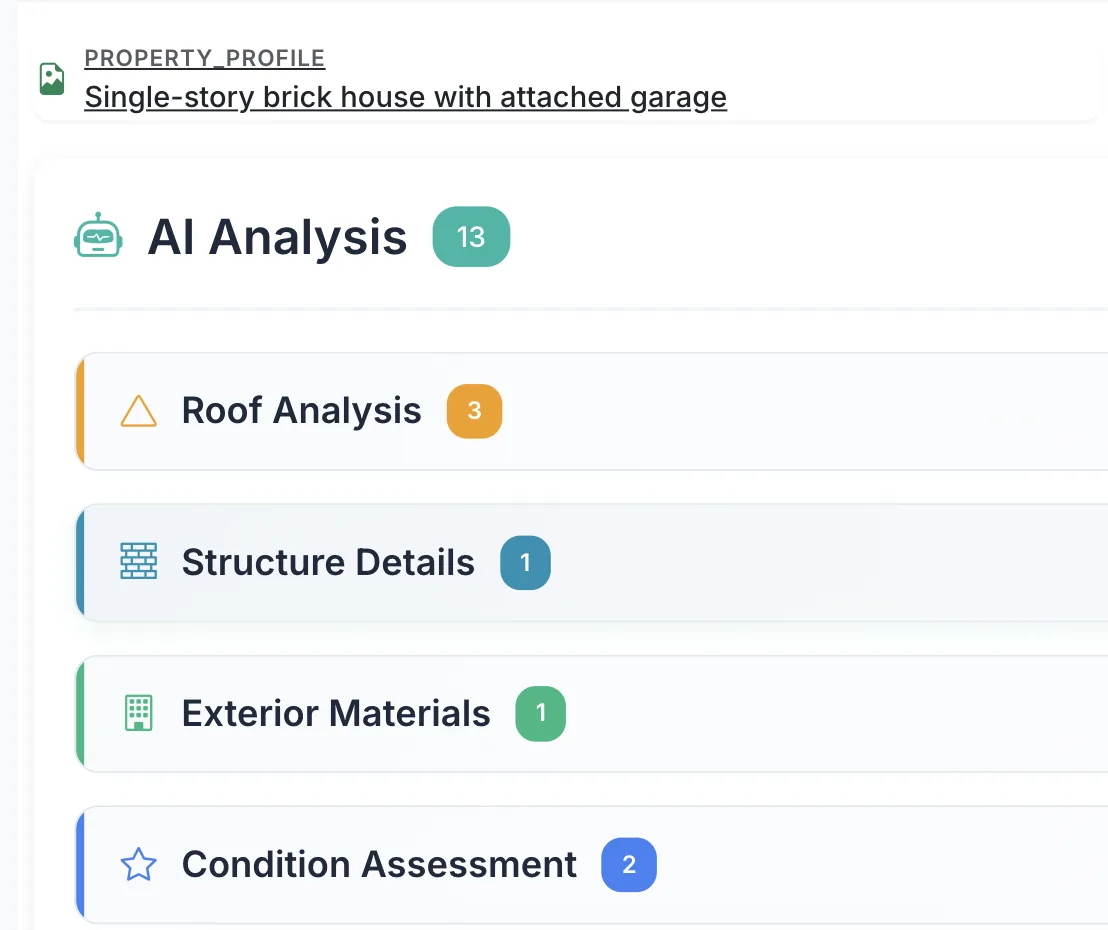
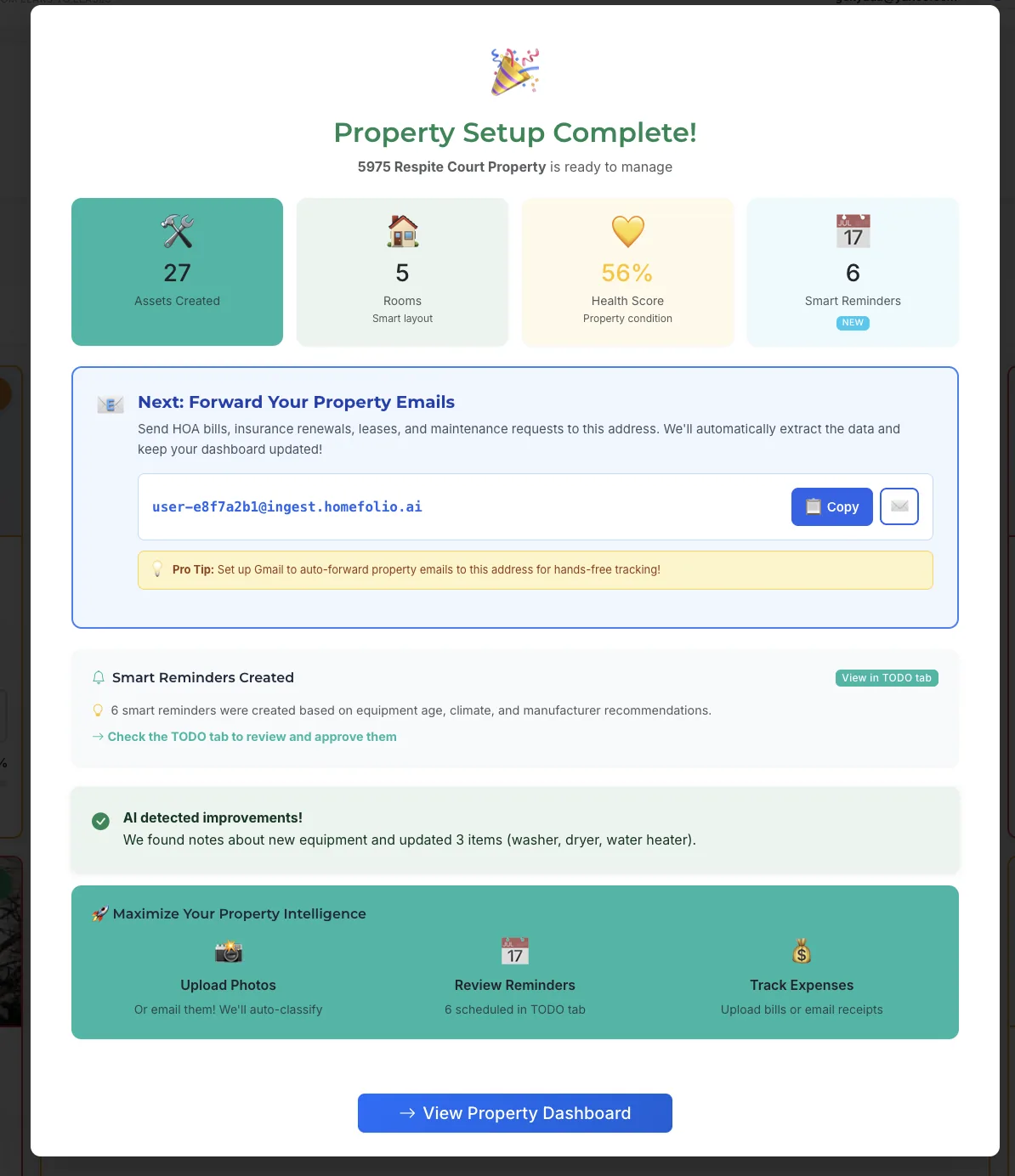
For those who find tracking maintenance daunting, Homefolio AI is your ally. With your home's information in one place, ready when you need it, it ensures your appliance maintenance history is already there, connected to the right property. Check it out at Homefolio AI.

DIY Maintenance Tips with Big Impact

When it comes to HVAC systems, regular cleaning is crucial. Start by replacing filters every month to maintain airflow and efficiency. Clean the vents and remove any dust or debris that could obstruct airflow. This task alone can save you 5-15% on your energy bill, a significant impact over time.

Water heaters, often overlooked, benefit greatly from regular descaling. To descale, turn off the heater, drain it, and fill it with a descaling solution. Let it sit for a few hours, then flush it out. This prevents mineral buildup, ensuring your heater runs efficiently and lasts longer.

These DIY steps not only enhance appliance performance but also empower you as a homeowner. You gain control over your home’s functionality and save money in the process. Remember, a little effort today prevents big headaches tomorrow.

When to Call the Professionals

Certain signs indicate that professional intervention is necessary. If your appliances make unusual noises, leak, or show malfunction warnings, it's time to call in the experts. Ignoring these signs can lead to larger problems and costly repairs.

Balancing DIY efforts with professional maintenance is key. While routine tasks and minor fixes are well within your reach, complex repairs or installations should be left to certified technicians. This ensures safety and prolongs the life of your appliances.

Ultimately, knowing when to step back and call a professional can save you money and prevent further damage. So, keep an eye on those indicators and act promptly to maintain a healthy home environment.

FAQs About Home Appliance Maintenance

How often should I service my home appliances?

Most appliances benefit from annual servicing by a qualified professional. However, small monthly checks and regular cleanings can significantly extend their lifespan. Refrigerators, for example, should have their coils cleaned monthly, while HVAC systems require seasonal check-ups to ensure peak performance.

What are the most common signs that an appliance needs maintenance?

Common signs include unusual noises, reduced efficiency, and visible wear and tear. Leaks, persistent error messages, and increased energy bills are also indicators. Address these issues promptly to avoid more serious problems.

Is it cost-effective to repair old appliances or replace them?

It depends on the age and condition of the appliance. Generally, if the repair cost is more than 50% of the price of a new one, replacement is more economical. However, well-maintained appliances often justify the repair costs due to their extended life.

Can regular maintenance improve energy efficiency?

Yes, regular maintenance can significantly enhance energy efficiency. Clean appliances operate more effectively, using less energy. For instance, a clean HVAC filter can reduce energy consumption by 5-15%. This not only lowers your bills but also reduces your carbon footprint.

What tools and supplies are essential for DIY appliance maintenance?

Basic tools include a vacuum with brush attachment, soft cloths, mild detergent, and a screwdriver set. For specific appliances, you might need a coil cleaning brush for refrigerators or a descaling solution for water heaters. Having these on hand makes regular maintenance both easier and more effective.

Your Home's Records — Already There When You Need Them.

Warranties, receipts, maintenance history, and appliance details — connected to your property automatically.

Get Started Free →