Property Tips

Avoid Costly Renovation Pitfalls: Track Home Projects Like a Pro

Avoid Costly Renovation Pitfalls: Track Home Projects Like a Pro

The $10,000 Oversight: Why Proper Renovation Tracking Matters

The average American home has $14,000 in appliances. Most homeowners can't find a single warranty document. Ignoring renovation documentation can lead to significant financial oversights. Imagine selling your home only to find out that the beautiful kitchen upgrade you did five years ago is virtually invisible to potential buyers. Studies suggest that untracked renovations can lead to an undervaluation by at least $10,000 during resale.

But that's not where the pitfalls end. Insurance companies are meticulous when it comes to claims. If you can't prove the renovations were done, they might not cover damage to those areas. According to home insurance data, untracked renovations are a leading cause of disputes during claims. You might find yourself in a bureaucratic quagmire if you can’t produce the right documents.

To avoid these costly pitfalls, it's crucial to meticulously document every renovation. It's akin to having a financial diary for your home—one that details every improvement and expense. Start by creating a dedicated folder, either digital or physical, and make it a habit to store every receipt, contract, and photo related to your projects.

Essential Details to Record for Every Home Project

When it comes to renovations, the devil is in the details. For every project, you need to record key information such as contractor details, materials used, and costs incurred. Industry data shows that homes with well-documented renovations typically sell 5-10% higher than those without detailed records. So, don't skimp on the details—every receipt and invoice counts.

Before-and-after photos serve as compelling evidence of the improvements made. Not only do they help in boosting the home's resale value, but they also provide visual proof during insurance claims. Make it a habit to snap detailed photos at various stages of your home projects. These images can be invaluable when proving the quality and extent of your renovations.

For practical purposes, create a checklist for each project. Include tasks like obtaining permits, scheduling inspections, and finalizing payments. A well-maintained checklist ensures you don't miss any crucial steps, ultimately protecting your investment and enhancing the value of your home.

Digital Tools vs. Paper: Best Methods for Storing Renovation Records

Digital tools offer significant advantages over traditional paper documentation. With paper, there's always the risk of misplacement, damage, or theft. On the other hand, digital records provide better accessibility and security, especially when stored in the cloud. According to industry data, 70% of homeowners who use digital tools for tracking renovations report higher satisfaction with the process.

Digital solutions allow you to consolidate everything from invoices to photos in one easily accessible location. Services like Dropbox, Google Drive, and OneDrive provide secure storage options. They also allow you to share documents easily with contractors, real estate agents, or insurance providers, saving you time and hassle.

If you prefer a hybrid approach, consider scanning your paper documents and saving them digitally. This way, you benefit from the tactile satisfaction of paper while enjoying the security and convenience of digital records. Just make sure to back up your digital files regularly to avoid any unwelcome surprises.

How to Keep Renovation Documents 'Already There' When Needed

Staying organized with renovation documents is essential for long-term success. One practical tip is to set up calendar reminders for important dates like warranty expirations and scheduled maintenance. This proactive approach ensures you address issues before they escalate, potentially saving you thousands in repair costs.

Cloud services are your best friend when it comes to keeping your documents 'already there' when needed. By storing your renovation records in the cloud, you can access them from anywhere at any time. This accessibility is crucial during emergencies, whether it's a last-minute insurance claim or a spontaneous buyer showing interest.

Consider using dedicated home management apps that specialize in organizing renovation documents. These apps often come with built-in reminders and notifications, keeping you one step ahead. With everything handled automatically, you can focus on enjoying your newly renovated space rather than stressing over misplaced paperwork.

Homefolio AI: The Automatic Solution for Home Renovation Records

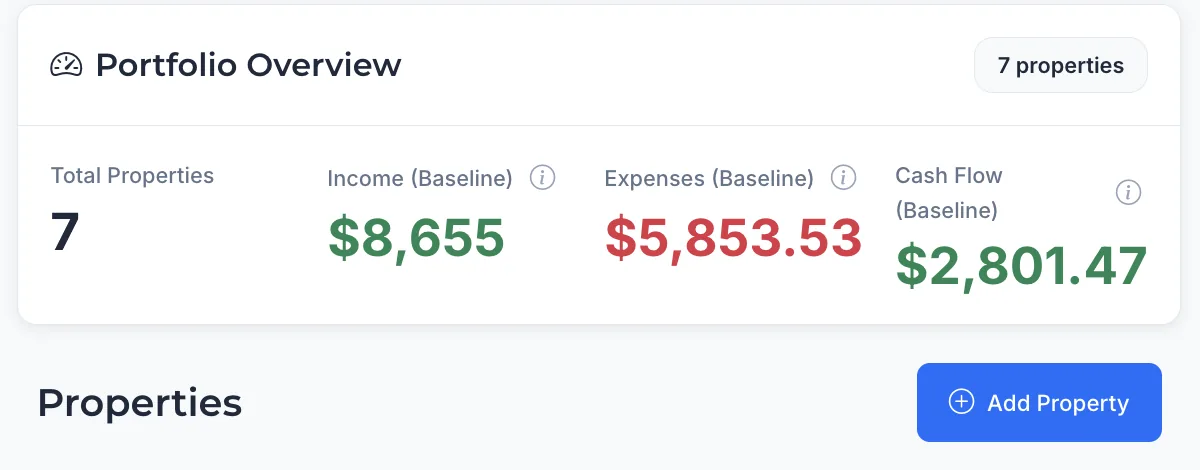
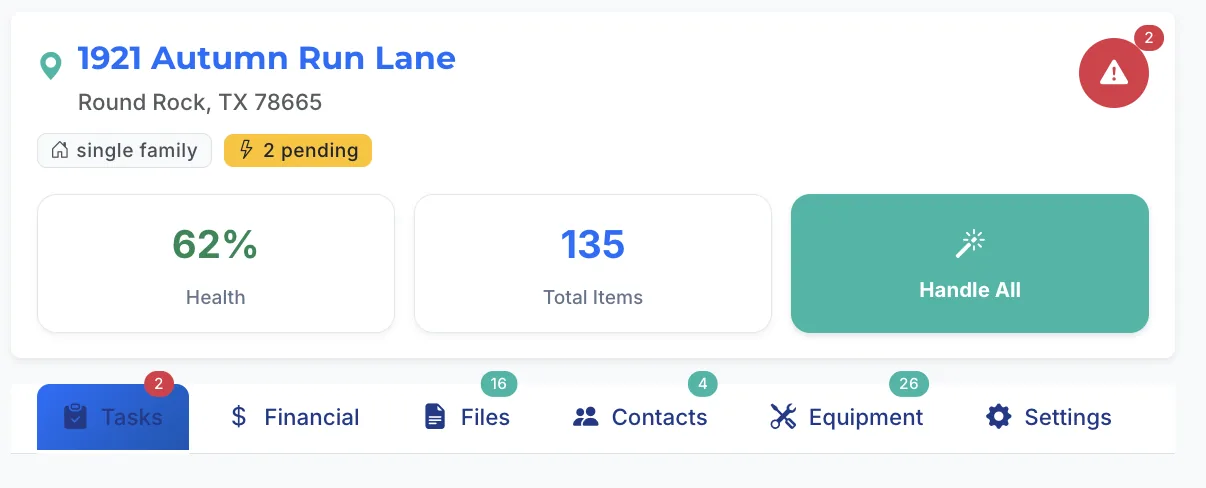
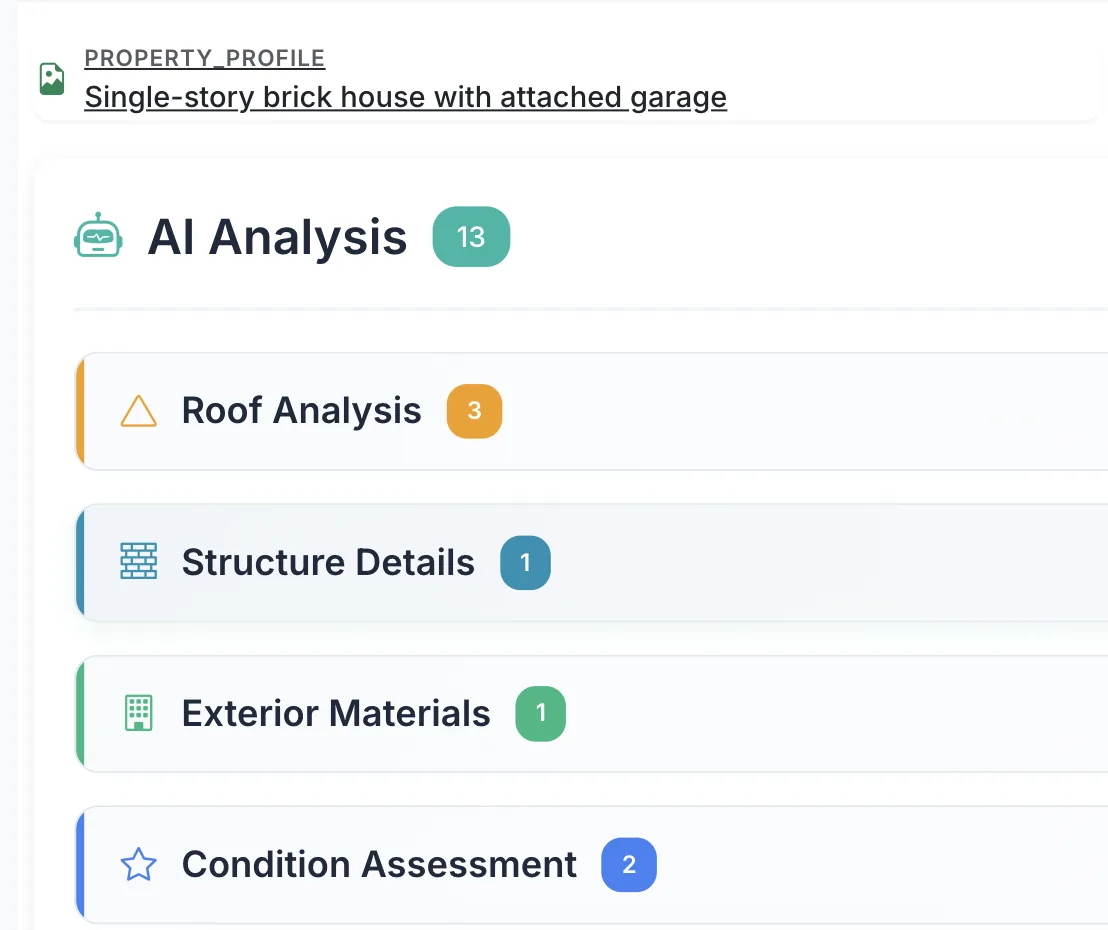
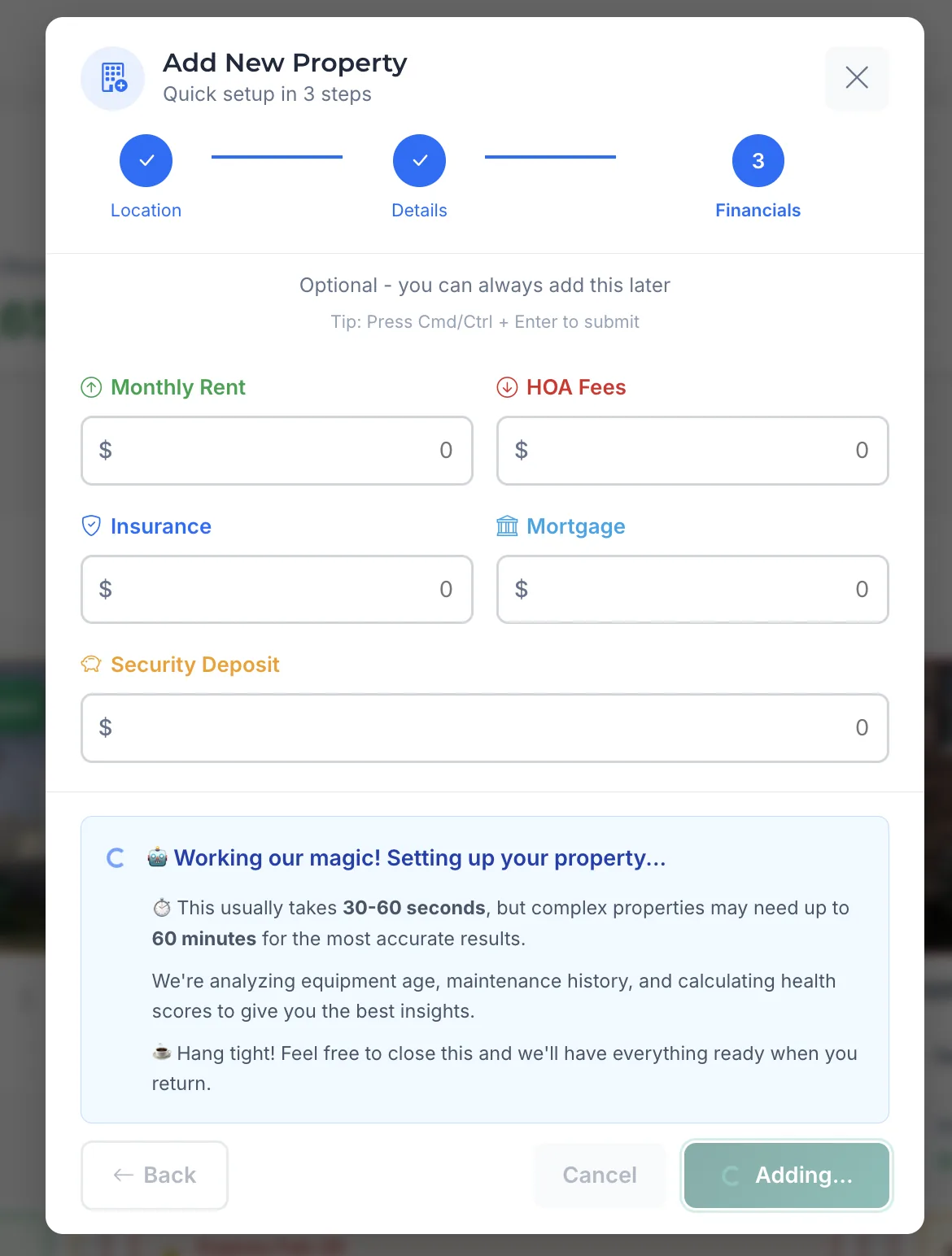
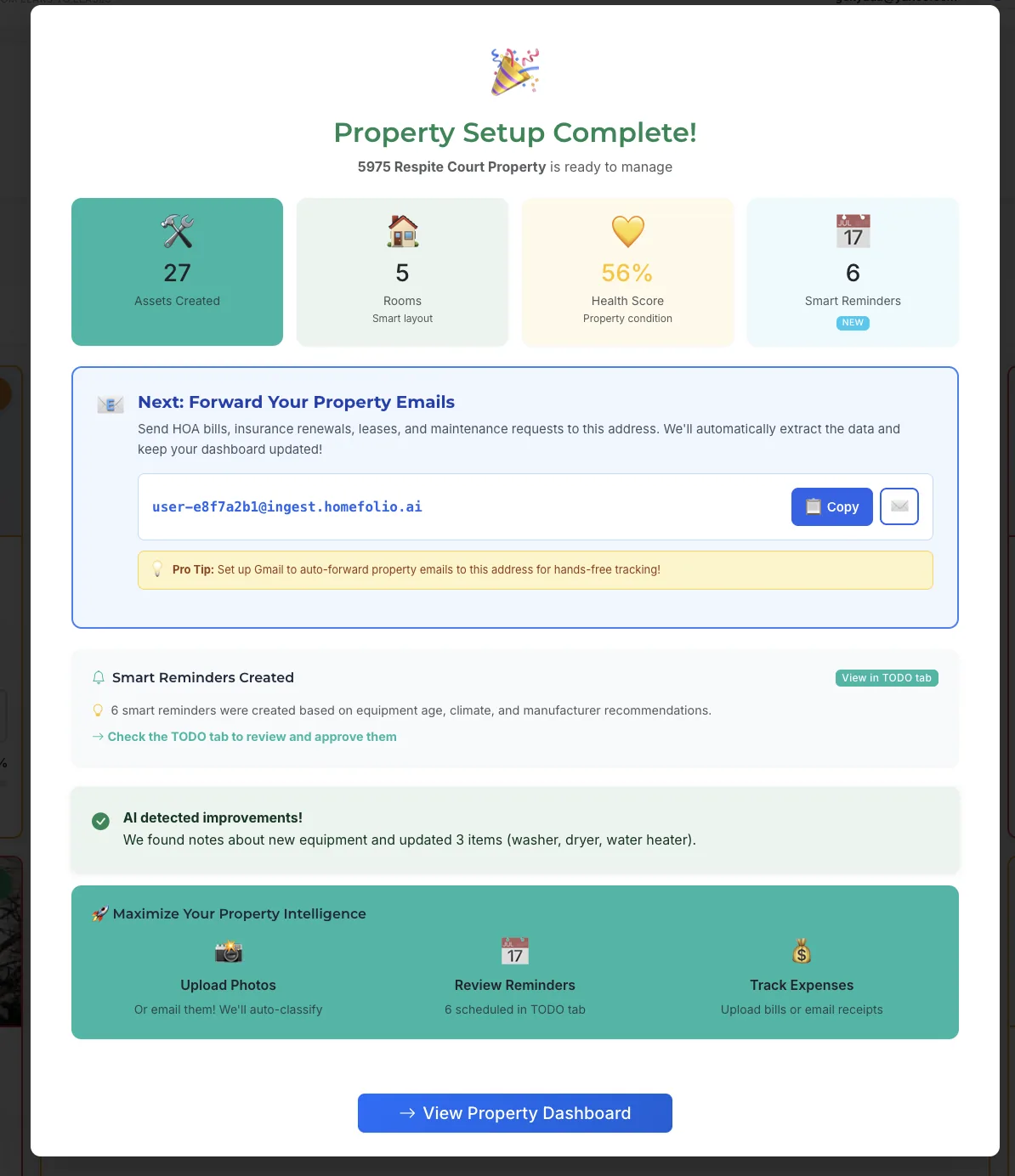
Homefolio AI is the ultimate solution for managing your home renovation records with zero effort on your part. This service ensures your documents are connected to the right property and handled automatically, making them 'already there' for insurance and resale purposes. With Homefolio AI, your home's information is in one place, ready whenever you need it.

This automated approach eliminates the hassle of manual documentation tracking, saving you time and reducing stress. By leveraging advanced technology, Homefolio AI provides unparalleled convenience, allowing you to focus on the joys of homeownership rather than the burdens of paperwork.

Homeowners who use Homefolio AI report increased peace of mind, knowing that their renovation documents are securely stored and readily accessible. Whether you're dealing with an insurance claim or preparing to sell your home, Homefolio AI simplifies the process, ensuring your efforts and investments are recognized and valued.

FAQs About Tracking Home Renovations

What are the most important documents to keep after a renovation?

The most crucial documents to retain include contracts with contractors, permits, invoices, warranties, and before-and-after photos. These documents provide proof of the work done and the materials used, which are essential for insurance claims and resale value. Keeping these organized and accessible can save you from potential headaches down the line.

How long should I keep renovation records?

It's advisable to keep renovation records for at least seven years, aligning with standard tax and insurance guidelines. However, for significant renovations that substantially increase your home's value, consider keeping them indefinitely. These records can be invaluable when selling your home or filing an insurance claim.

Can digital records be used for insurance claims?

Yes, digital records are generally accepted for insurance claims. Ensure that the digital copies are clear and legible. Many insurance companies now prefer digital submissions as they are easier to process. Just make sure your digital files are backed up and accessible for hassle-free claims processing.

What happens if I lose my renovation documents?

If you lose your renovation documents, try to contact the contractors or suppliers involved—they may have retained copies. For future projects, consider using digital storage solutions or services like Homefolio AI to keep your documents 'already there' when needed. This proactive approach can prevent future document loss.

Is there a way to automate the tracking of home renovations?

Yes, using a service like Homefolio AI automates the process of tracking home renovations. This tool connects your documents to the right property and handles them automatically, providing easy access whenever required. Automation not only saves time but also reduces the risk of losing vital records.

Your Home's Records — Already There When You Need Them.

Warranties, receipts, maintenance history, and appliance details — connected to your property automatically.

Get Started Free →